Capability
Tactical Apparel Sampling and Sample Approval
Sampling exists to move decisions off the drawing and onto a physical garment while the cost of being wrong is still one sample. Each sample in the sequence answers a different question: a development sample tests construction and material behaviour, a fit sample tests balance and proportions on a body, a size set tests the range, and a pre-production sample confirms that the approved materials, trims, labelling and packaging can all be assembled together. Sampling fails as a process when a single sample is asked to answer every question at once, or when comments are sent verbally and reinterpreted at the next round. The output of a correct sampling programme is a retained, signed approval sample that both sides treat as the standard for bulk.
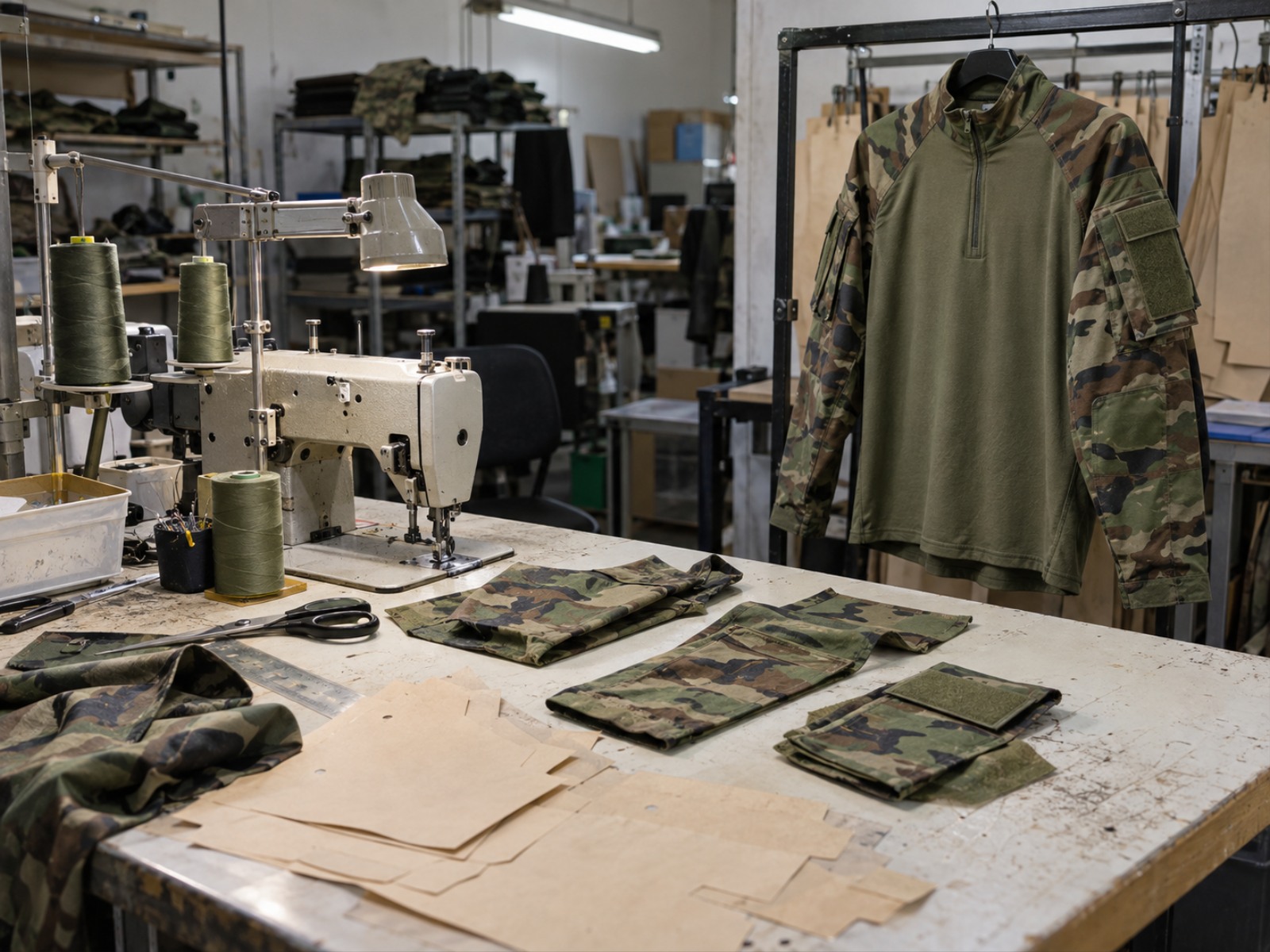
- Process steps
- 8 defined stages
- Deliverables
- 7 documented outputs
- Inputs required
- 8 from the buyer
Gallery
Sampling in practice
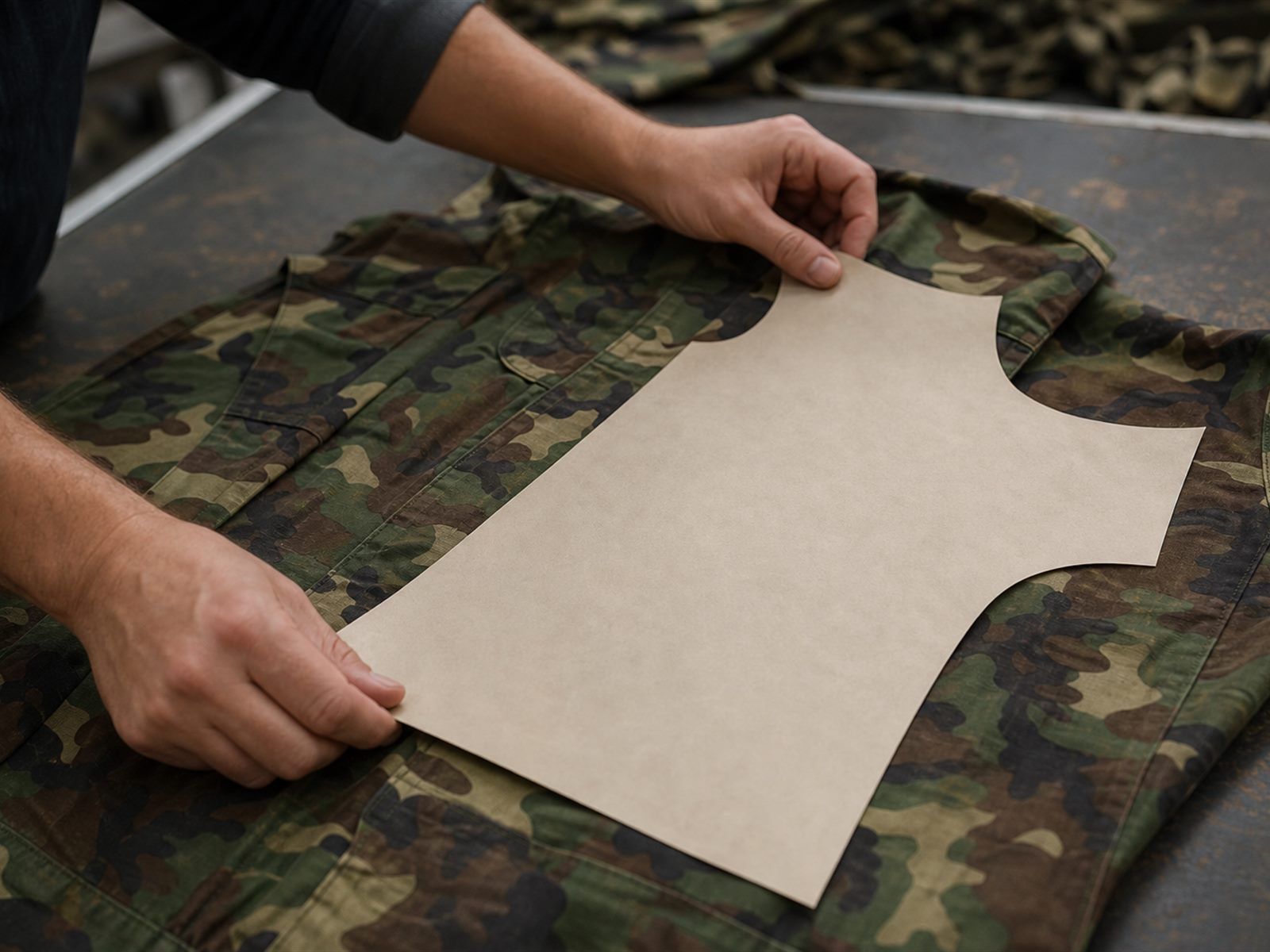
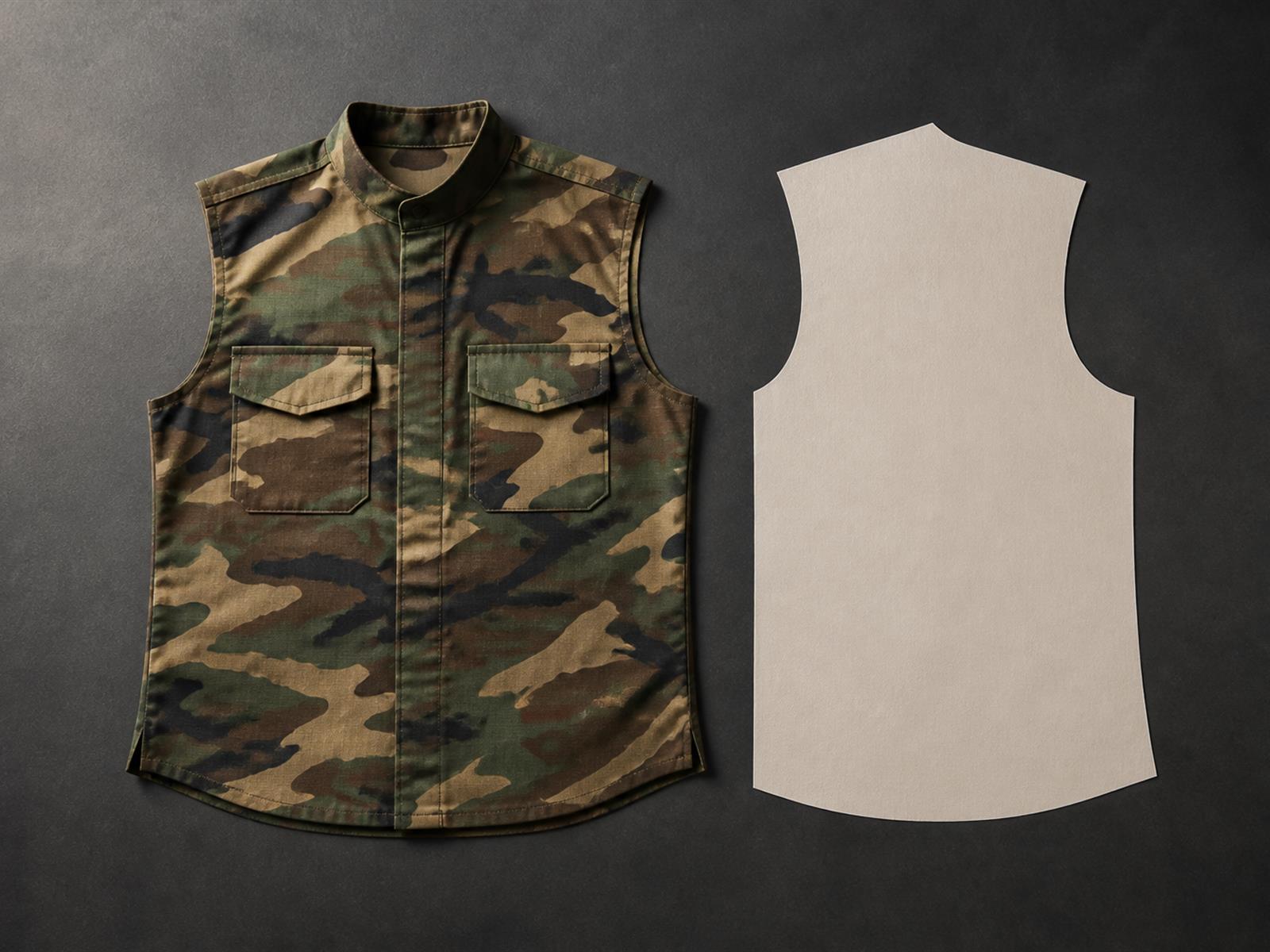
Inputs
What we need from you
The 8 inputs development of Sampling needs from you, and where one is missing we will tell you it is missing rather than assume it.
- Approved specification or tech pack with construction details and measurements
- Approved fabric, trim and colour standard, or swatches nominated for the sample
- Sealed or provisional pattern, and the base size the sample will be made in
- Fit intent and the body or fit form the sample will be evaluated on, if evaluation is on a form
- Labelling, logo, packaging and any hangtag artwork that the sample must carry
- Written comments from the previous sample round, consolidated in one document
- Which sample stage the buyer is approving, and who holds approval authority
- Reference garment or competitor sample where a specific construction is being matched
Deliverables
What you receive
The 7 tangible outputs you receive from Sampling — not assurances.
- Written sample purpose and gap list before sampling starts
- Sample with a pulled-material record and traceable cutting ticket
- Sample tag recording pattern version, material references and any substitution
- Measurement sheet showing actual against specified values
- Construction check sheet covering each specified feature
- Consolidated written revision list from buyer comments
- Revised sample or sealed approval sample retained as the bulk standard
Process
The process, step by step
Sampling runs as 8 steps, and the sequence is not administrative: each step removes a specific risk before the next one commits cost.
Sample request review
The request is read against the approved specification and returned with a written list of anything missing or contradictory, together with the stated purpose of the sample. A sample built on an unclear specification only moves the ambiguity from paper to fabric, where it costs more to change.
Material and trim pull
Fabric, zippers, hook and loop, thread, elastic, cords, labels and packaging are pulled against the approved references, and a pulled-material record is kept with the sample. If the sample is made from a substitute material, that is recorded on the sample tag so the buyer is not approving a material they did not receive.
Cutting ticket
A cutting ticket is raised against the sealed or provisional pattern, stating size, fabric reference, panel count, grain direction and any print or camouflage direction. The ticket is what makes the sample traceable back to a pattern version and a material lot.
Sample assembly
The sample is assembled in the same construction sequence intended for bulk, including the reinforcement, pocket and closure details defined in the specification. Sampling on a shortened or approximated construction hides the very manufacturing risk the sample is meant to expose.
In-house review before submission
The sample is measured against the specification, checked for construction defects, symmetry, stitch density and trim function, and reviewed against the comment sheet from the previous round. Samples that do not meet the specification are corrected before they are sent, so buyer time is spent on decisions rather than on faults.
Measurement and construction check sheet
A measurement sheet recording actual against specified values, and a construction check noting each specified feature and its condition, are prepared with the sample. The buyer receives the evidence with the garment rather than having to request it.
Buyer submission and comment consolidation
The sample is submitted with a comment form, and buyer comments are consolidated into a single written revision list. Consolidating comments into one round is what makes the specification converge instead of oscillating between conflicting versions.
Revision or seal
Comments are implemented and a revised sample is submitted, or the sample is sealed as the approved standard. The retained sealed sample, not the correspondence, becomes the reference for bulk production and for any later comparison.
Buyer value
Why this matters to a buyer
Why Sampling matters to a buyer, framed as the 6 commercial consequences rather than as quality adjectives.
Each sample answers one defined question, so a fault is attributed to the right cause instead of being re-tested by another sample round at your cost
Comments are consolidated into a single written list, which keeps development cost and timeline predictable instead of open-ended
Material substitution is declared on the sample tag, so approval is given on the material that will actually be used in bulk
The retained sealed sample becomes an objective standard, which removes the disagreement about what was approved and when
Construction defects are corrected before shipment of the sample, so buyer review time is spent on commercial decisions
A pre-production sample that includes labelling and packaging confirms the complete deliverable, not only the garment
FAQ
Sampling FAQ
Which sample should we approve - the fit sample or the pre-production sample?
The pre-production sample is the one that governs bulk, because it is made with the approved materials, trims, labelling and packaging. The fit sample governs fit and pattern. Both are needed, and the sealed pre-production sample is the document that bulk is inspected against.
Can we skip the size set and approve from one size?
That is possible, but it moves the risk of a range problem from sampling to bulk. Judging a size range from a single middle size is the most common route to a sizing complaint at the small and large ends, and by then the whole order is affected.
Can a sample be made with a substitute fabric for speed?
It can, and where that happens the substitution is recorded on the sample tag and in the submission note. A sample made in a substitute material cannot be taken as approval of material behaviour such as shrinkage, drape or colour, so that part remains open.
How many sample rounds are included?
Sampling is planned as a defined number of rounds with the scope of each round stated in writing before work starts, because an open-ended sample process has no predictable cost or timeline. Additional rounds are possible and are treated as additional work.
Do we keep the approved sample?
Yes. A sealed approval sample is retained by us for bulk reference, and a matching sealed sample can be kept by the buyer. Two retained standards from the same seal are what allow a shipment to be compared against something physical rather than against memory.
Related
Related content
Related Products
Related Applications
Related Capabilities
Related Articles
Related Categories
Request a Manufacturing Assessment
Send us your tech pack, reference sample or product idea. We review your requirement, recommend materials and construction, and come back with a development plan you can act on.