Materials
Quick Dry Fabric for Hot Weather Tactical Clothing
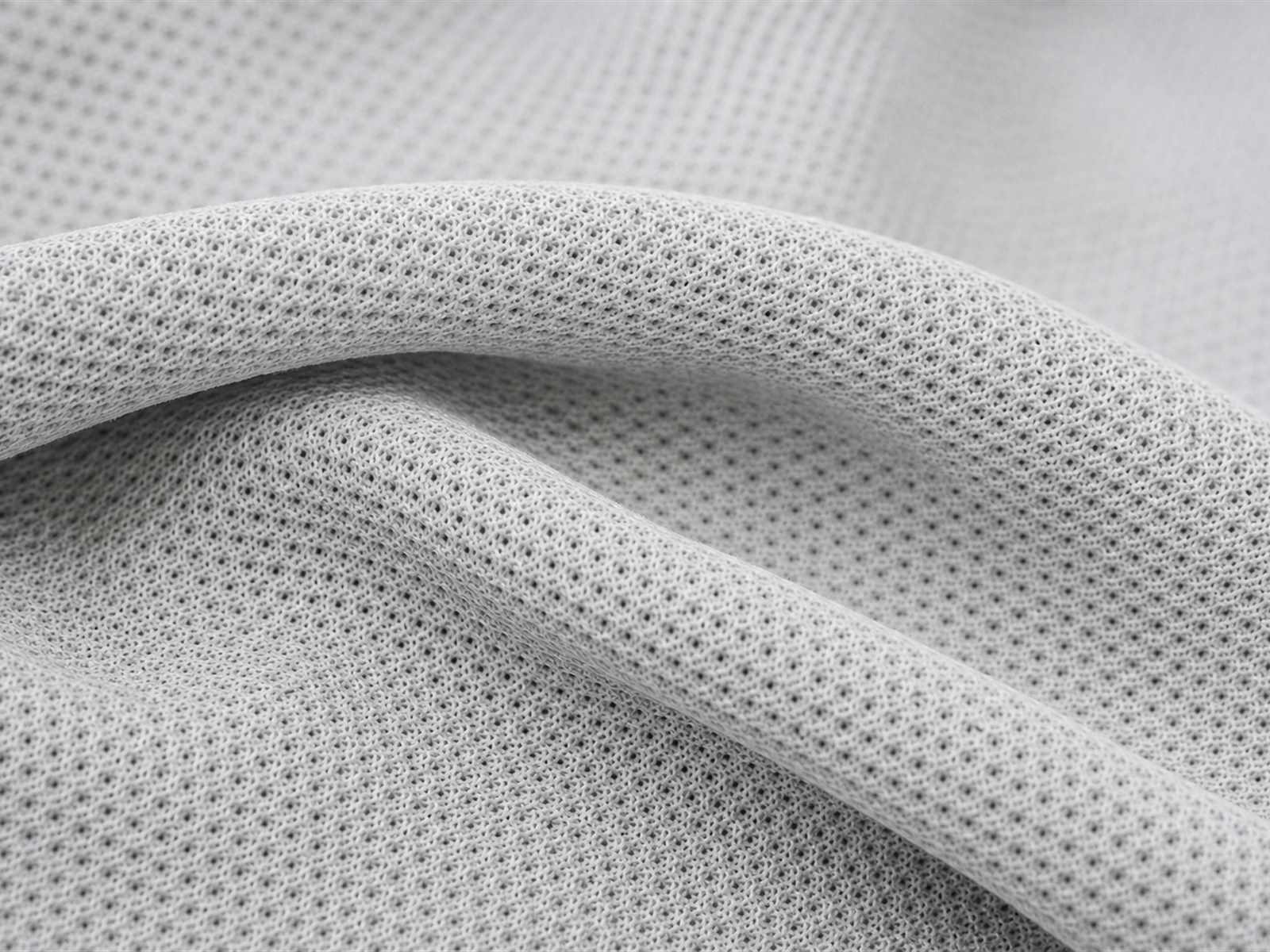
Quick dry fabric is engineered so that moisture leaves the garment rather than soaking into it. The fibre, the yarn structure and the fabric architecture are selected to hold little water and to expose a large surface area for evaporation. For tactical clothing the practical result is a garment that can be rinsed in the field, wrung out and worn dry within a working day, which matters where laundry access is limited. It is not a cooling fabric by itself, and it does not make a garment breathable in the sense a membrane does. Buyers should specify it for its drying behaviour, not as a general performance upgrade.
- Composition
- DATA REQUIRED
- Weight range
- DATA REQUIRED
- Best applications
- Hot Weather · Tropical / Humid · Wet Weather
Gallery
Quick Dry Fabric in detail
What it is
What is it?
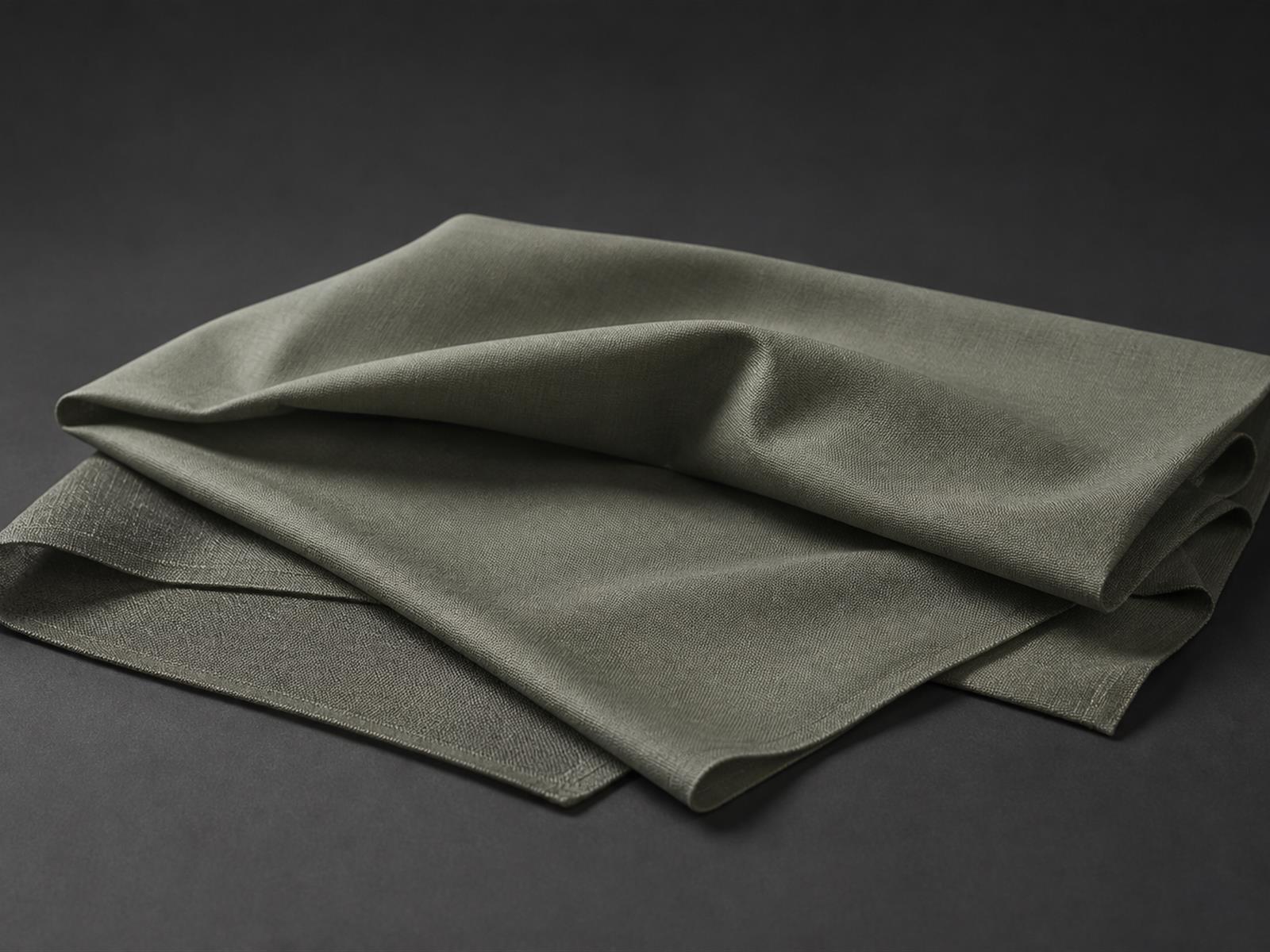
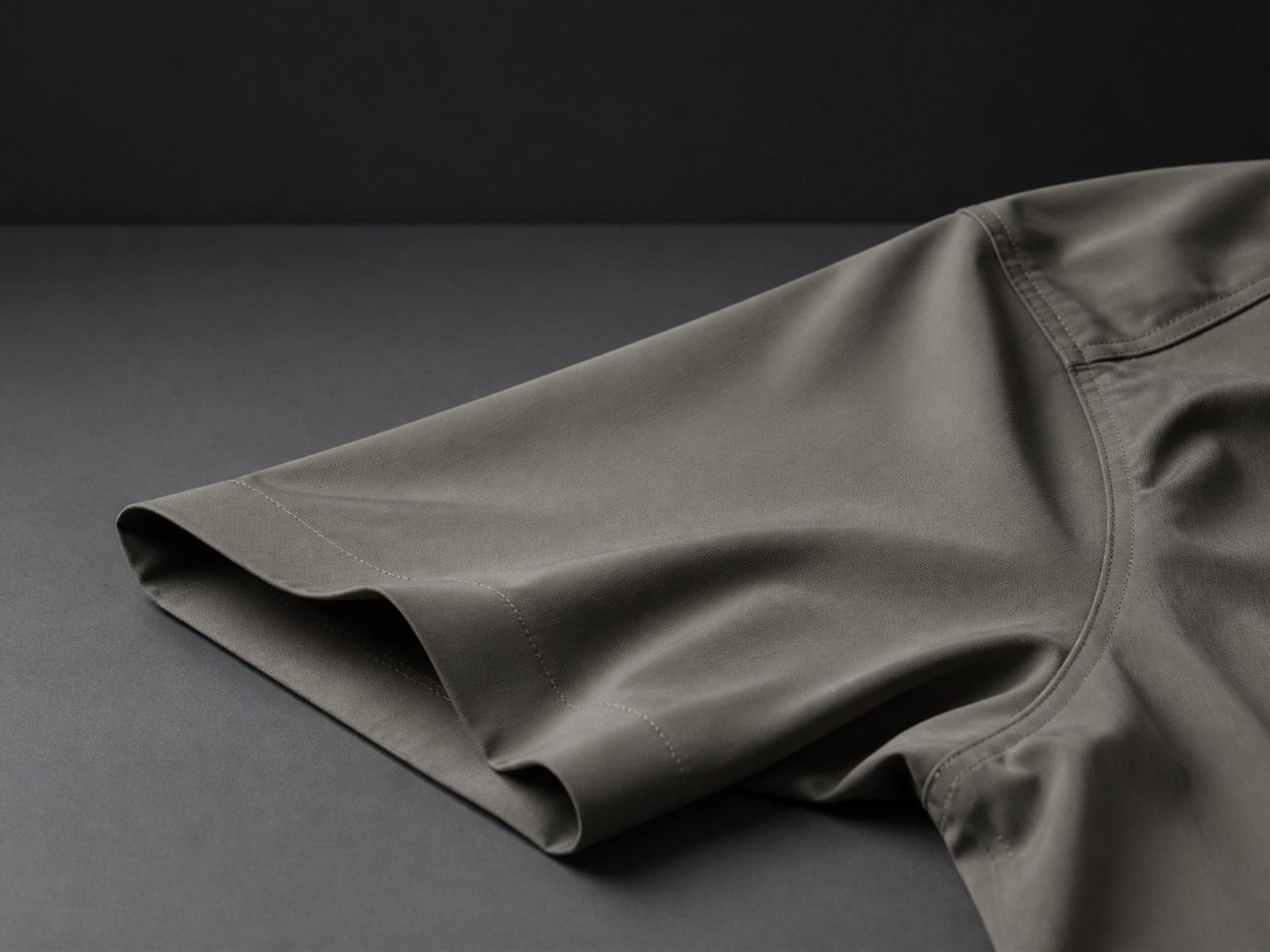
A fabric built from fibres that do not absorb water into their structure, arranged in a construction that holds little water between the yarns. Drying speed comes from both: a hydrophobic fibre sheds water, and an open or textured structure gives that water a large surface from which to evaporate quickly.
Function
How it works
Synthetic fibres such as polyester and polyamide are hydrophobic: water does not enter the fibre, it stays on the surface and in the gaps between yarns. That means there is far less water to remove than in a hydrophilic fibre, where moisture is held inside the fibre itself and has to diffuse out. The second mechanism is surface area. An open weave, a knit with spaced yarns, or textured filament yarns expose a large amount of material to moving air, so evaporation proceeds quickly. Air movement across the surface and the temperature of the garment drive the rate; in still, saturated air even a quick dry fabric will dry slowly.
Technical data
| Composition | DATA REQUIRED — not published until confirmed |
|---|---|
| Available weight range | DATA REQUIRED — confirmed per programme |
| Best applications | Hot WeatherTropical / HumidWet Weather |
We do not publish composition or weight figures we have not confirmed for a specific programme. Ask for the figures that apply to your product.
Advantages
Advantages
- Low water retention means a washed garment can be worn again within a working day, which is a real operational benefit where laundry facilities are limited
- Synthetic filament yarns keep their strength and shape when wet, unlike natural fibres that lose strength and go heavy
- Low moisture content reduces weight, which matters for a garment carried in a pack or worn during sustained movement
- Compatible with moisture transport finishes and with open structures that improve airflow in hot conditions
- Prints and solid dyeing behave predictably, so camouflage ranges can be built on the same base construction
- Resists the long damp-dry cycle in which a saturated natural fibre garment stays clammy and becomes a comfort problem
Limitations
Limitations
- Wrong choice where flame or thermal exposure is a risk: synthetic fibres melt and can adhere to skin, so a hydrophobic synthetic garment is not an appropriate answer for those hazards
- It does not make the wearer cooler when the fabric is dry. Drying speed is a wet-state property, and buyers frequently over-specify it expecting a cooling effect that it does not provide
- Synthetic surfaces hold odour more than natural fibres, and repeated low-temperature washing can allow odour build-up in the fibre
- Wicking and quick-dry finishes are easily degraded: fabric softener, some detergent residues and high heat all reduce performance, so the benefit depends on the user's washing habits
- Sensitive to oil, fuel and grease, which reduce water transport locally and can leave permanent marks
- Lower abrasion and tear resistance than a durable combat ripstop of similar weight, unless the construction is specifically reinforced
Performance
Performance profile
The same material can be the right choice in one climate and the wrong choice in another; these are the trade-offs as they affect how Quick Dry Fabric behaves in a garment.
Hot weather performance
A sensible base for hot-weather garments, particularly in humid conditions where drying rather than airflow is the limiting factor. The fabric does not cool on its own; it stops the garment from becoming a wet, heavy layer. Used with an open structure it supports evaporative cooling, but the cooling effect depends on airflow and ambient humidity, not on the fabric alone.
Cold weather performance
A poor primary choice in cold conditions because a fast-drying synthetic shell offers little insulation and can feel cold against skin when damp. It works as a base layer under insulation, where drying speed helps prevent the wearer staying wet and chilled. As an outer layer in cold weather it should be paired with a wind-resistant or insulating structure.
Durability
Abrasion and tear performance depends on the construction and yarn, not on the drying mechanism. Lightweight open structures built for airflow are usually weaker in abrasion than a dense combat ripstop, so quick dry fabrics are normally specified for torso and hot-weather garments rather than for knees and elbows.
Drying
The defining property. Because the fibre does not absorb water, there is less moisture to remove and the cloth returns to a wearable state faster than any natural fibre or blended alternative. Drying is still driven by air movement, temperature and humidity, so claimed performance should be verified under the conditions the garment will actually see.
Comfort
Light, non-clinging when the construction is right, and free of the heavy, damp feel of a saturated natural fibre. The trade-offs are a more synthetic hand, a tendency to cling when soaked if the structure is too tight, and the odour retention that comes with hydrophobic synthetics.
OEM options
OEM options for this material
The 6 points that can be specified when Quick Dry Fabric is written into your programme.
- Construction and yarn structure developed around the required drying behaviour and the garment's airflow needs
- Weight and structure balanced against abrasion requirements, since the lightest, most open option is the least durable
- Moisture transport finish applied and tested on the finished fabric, with care instructions written to preserve it
- Solid dyeing to buyer colour targets with lab dip approval before bulk
- Camouflage printing to buyer artwork with an approved print standard and retained reference
- Panel-level specification, with quick dry fabric used at the torso and a more abrasion-resistant ripstop at knees and elbows
Care
Care considerations
- Do not use fabric softener; it coats the fibre and reduces moisture transport, which removes the reason the fabric was specified
- Wash according to the buyer's care label and avoid high heat, which can affect any applied finish
- Where a moisture transport finish has been applied, the care label must state what protects it, or performance will drop with use
- Any performance claim about drying or moisture transport should be stated by the buyer as an acceptance criterion and confirmed on the production sample
Recommended garments
Where this material is used
Products in our range where Quick Dry Fabric is a realistic specification option, drawn from 5 candidate builds.
Product
Hot Weather Combat Shirt
This garment exists to solve one problem: a combat shirt that can be worn through a full day of heat without becoming saturated and unusable.
Product
Hot Weather Tactical Pants
In sustained heat the limiting factor is not durability, it is whether the wearer can keep working.
Product
Hot Weather Tactical Uniform Set
A uniform set is a specification problem that two separate garments do not have: the shirt and the pant have to behave as one system.
Product
Hot Weather Combat Shirt
This garment exists to solve one problem: a combat shirt that can be worn through a full day of heat without becoming saturated and unusable.
Product
Security Duty Shirt
The shirt is the part of a security uniform the public actually reads, and it is also the part washed most often.
FAQ
Quick Dry Fabric FAQ
Does quick dry fabric keep you cool?
Not by itself. It dries quickly when wet, which prevents the garment from becoming a heavy, damp layer. Cooling comes from evaporation driven by airflow and low humidity, so the fabric supports that process rather than creating it.
How is quick dry different from moisture wicking?
Wicking describes moving moisture away from the skin to the outer surface; quick dry describes how fast the fabric then releases it. Many fabrics do both, but they are separate properties and should be specified separately against the conditions of use.
Will the performance survive repeated washing?
The low moisture retention of a hydrophobic fibre does, because it is a property of the fibre. An applied finish does not, and it degrades faster with softener use, high heat and detergent residue.
Can quick dry fabric be used for a heavy-duty garment?
Usually not on its own. Lightweight structures that dry fastest are generally the least abrasion resistant. A common approach is to use quick dry fabric where moisture management matters and a reinforced ripstop at contact points.
Is quick dry fabric suitable for flame exposure?
No. Synthetic hydrophobic fibres melt and can adhere to skin, so this is not an appropriate specification where thermal or flame hazard exists. That requirement needs a different material strategy.
Related Materials
Related Applications
Related Capabilities
Related Categories
Request this material against your specification
Tell us the garment, the climate and the wear pattern. We will confirm what is available for your programme and state clearly which figures are confirmed and which still need data.