Capability
Tactical Apparel Pattern Development
A pattern is the set of physical decisions that determines whether a garment fits, whether a pocket sits where a user can actually reach it, and whether the size range grades cleanly from the smallest to the largest size. Pattern development converts an approved specification into cuttable pieces with seam allowances, grain lines, notches, drill holes and construction notes. The work is not finished when one sample fits. It is finished when the pattern has been corrected against measured feedback, checked across the full size range, and sealed as the pattern that bulk will be cut from. A pattern error that survives into production repeats on every unit in the order, so balance, pocket placement and reinforcement positions are settled in writing rather than by eye.
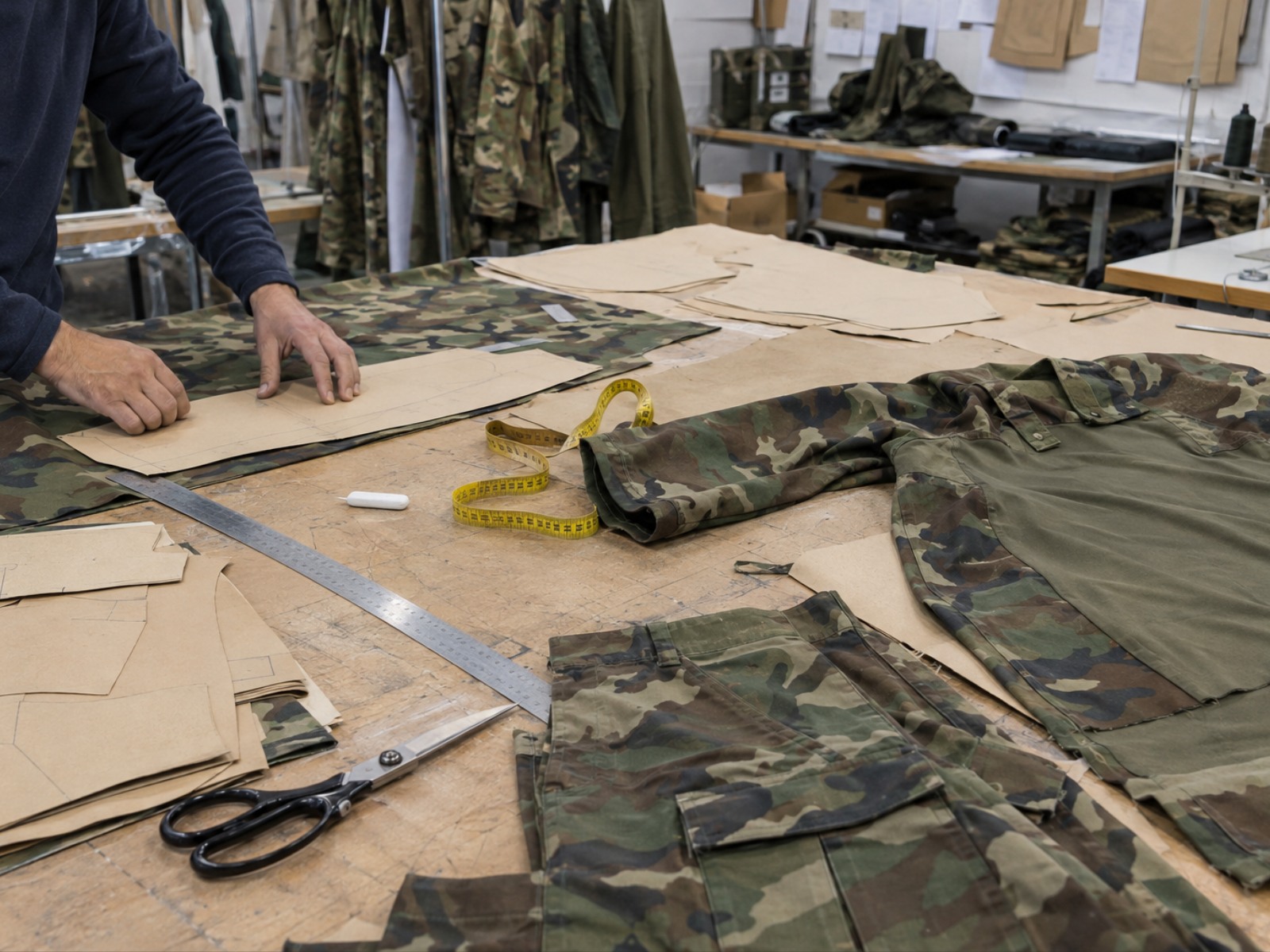
- Process steps
- 8 defined stages
- Deliverables
- 8 documented outputs
- Inputs required
- 8 from the buyer
Gallery
Pattern Development in practice
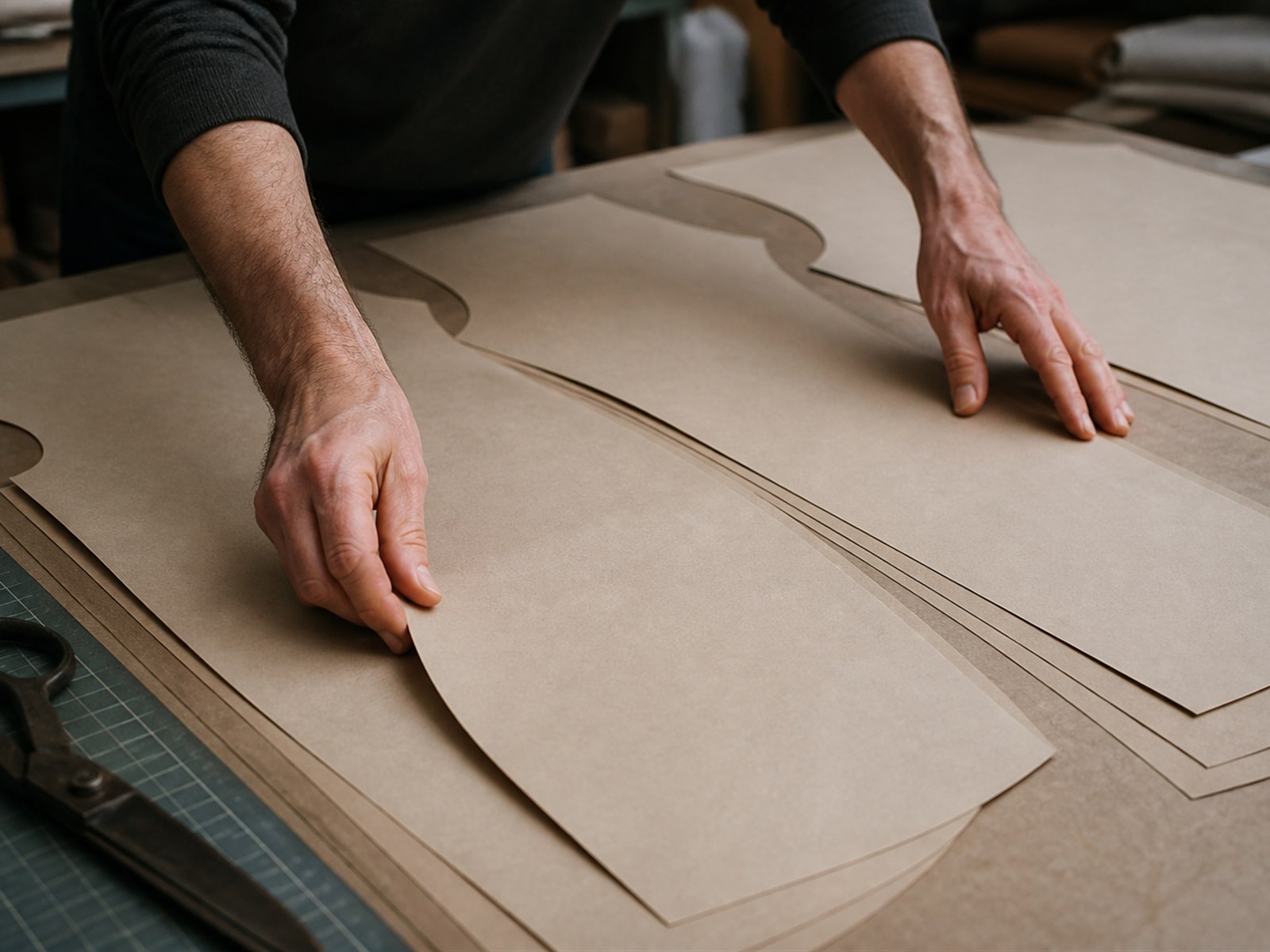
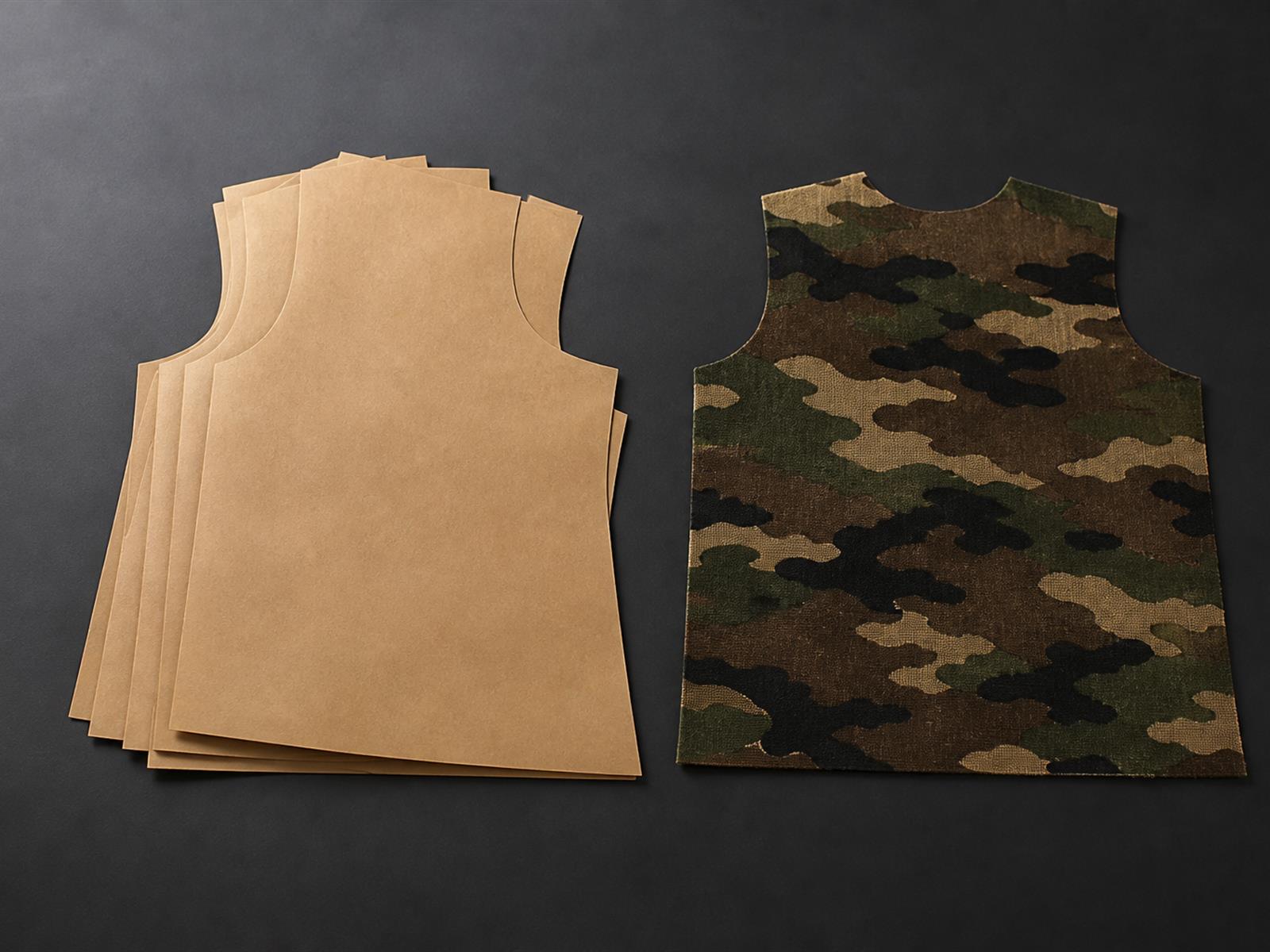
Inputs
What we need from you
The 8 inputs development of Pattern Development needs from you, and where one is missing we will tell you it is missing rather than assume it.
- Approved specification or tech pack with construction and measurement intent
- Reference garment, physical sample or pattern the buyer wants matched or improved
- Body size or fit standard the garment must follow, plus the intended market
- Size range, grading interval and how the range should behave at both extremes
- Feature positions that must be functional: pocket placement, pad pocket centre, reinforcement zones, sleeve length
- Fabric and trim specifications, because weave stretch and shrinkage change pattern behaviour
- Tolerance policy for measurement, balance and shrinkage allowance
- Any existing size chart the buyer already sells against
Deliverables
What you receive
The 8 tangible outputs you receive from Pattern Development — not assurances.
- Written list of pattern-affecting decisions and open points
- Adapted block selected against the intended fit and reference
- Drafted pattern with seam allowances, grain lines, notches and balance marks
- Physical fit prototype for balance, range of motion and pocket usability
- Measured pattern correction recorded on the pattern history
- Graded pattern set and measurement chart for the agreed size range
- Marker check confirming grain direction and fabric utilisation
- Sealed production pattern retained as the bulk cutting standard
Process
The process, step by step
Pattern Development runs as 8 steps, and the sequence is not administrative: each step removes a specific risk before the next one commits cost.
Specification and pattern review
The approved specification is read against the reference garment and a written list of pattern-affecting decisions is returned: pocket position and depth, collar stand height, shoulder slope, sleeve pitch, crotch curve, knee placement and reinforcement extent. Decisions left open at this point are documented as open rather than assumed.
Block selection and adaptation
An existing block is selected against the intended fit and the reference, then adapted rather than redrafted from zero. Reusing a proven block keeps grading behaviour predictable, which is what protects the extremes of the size range.
Pattern drafting
Pattern pieces are drafted with seam allowances, grain lines, notches, drill holes and balance marks, and with the construction sequence recorded alongside. Placement of pocket bags, pad pockets, gussets and reinforcement panels is fixed here as a pattern dimension, not as a sewing instruction.
Fit prototype
A prototype is cut and assembled so the pattern can be assessed as a physical garment. Fit is judged in the intended base size on a body or on a fit form, with attention to balance, drag lines, range of motion and whether pockets remain usable once the garment is worn and loaded.
Measured correction
Buyer comments are converted into measured pattern changes with a stated direction and magnitude, then the pattern is corrected and re-cut. Corrections are recorded on the pattern history so the same adjustment is not lost at the next revision.
Grading
Grade rules are applied across the agreed size range, and the resulting measurement chart is compared with the buyer's chart and with the fit intent at the small and large ends. Grading is verified on paper before any fabric is committed, because a grading error found at the extremes is far cheaper to fix on the chart than on a size set.
Marker and cutting check
The finished pattern is laid as a marker to confirm grain direction, nap or print direction, panel count and fabric utilisation against the approved fabric width. This is where a pattern that sews correctly but markers uneconomically is corrected.
Sealed production pattern
The approved pattern is sealed and retained as the controlled version from which bulk is cut. Any later change requires a stated reason and a new sealed version, so bulk is never cut from an uncontrolled pattern revision.
Buyer value
Why this matters to a buyer
Why Pattern Development matters to a buyer, framed as the 6 commercial consequences rather than as quality adjectives.
A pattern error costs a pattern correction while it is still on paper, and costs the full order once it reaches the cutting table, so the cheap stage is where it is caught
Balance and range of motion are verified on a physical prototype, which is what prevents the shoulder and crotch complaints that generate returns even when every measurement is within tolerance
Grading is verified at both extremes of the range, which protects sell-through for distributors who commit to full size sets
Pocket and reinforcement positions are fixed as pattern dimensions, so a functional feature does not drift between orders or between sizes
A sealed pattern makes a repeat order reproducible, because the next order is cut from the same controlled geometry rather than from a remembered sample
Marker checking at development stage avoids a pattern that fits well but consumes more fabric than the quotation assumed
FAQ
Pattern Development FAQ
Can you develop a pattern from an existing garment we already sell?
Yes, and it is usually the most reliable starting point, because the reference already contains real fit decisions. We measure and analyse the reference, record what has been assumed where the reference is unclear, and the buyer corrects those assumptions at prototype stage.
Can we keep our own pattern and have you cut from it?
Yes. Where the buyer supplies the pattern, we will cut a confirmation sample from it and report any balance, grading or marker issue we find before bulk. Supplying a pattern does not transfer the consequence of a pattern problem, so it is better to find it at confirmation stage.
Who owns the pattern after development?
Pattern ownership is a commercial term rather than a technical default, and it is better agreed in writing at the start of a project than at the end. Tell us what you need and we will state what can be agreed.
Can you grade for a market with a different body standard?
Yes. Send the measurement chart, size range and fit intent for that market. If a chart is not available, the grade rules have to be proposed and approved in writing before a size set is made, because a size set built on unapproved grade rules is a cost with no decision attached to it.
Do pattern changes after approval cost extra?
A change to a sealed pattern means re-cutting, re-sealing and typically a new confirmation sample, so it is treated as a new development round rather than a correction. The point of sealing the pattern is to make that boundary explicit for both sides.
Related
Related content
Related Products
Related Applications
Related Capabilities
Related Articles
Related Categories
Request a Manufacturing Assessment
Send us your tech pack, reference sample or product idea. We review your requirement, recommend materials and construction, and come back with a development plan you can act on.