Materials
Mechanical Stretch Fabric for Tactical Clothing Manufacturing
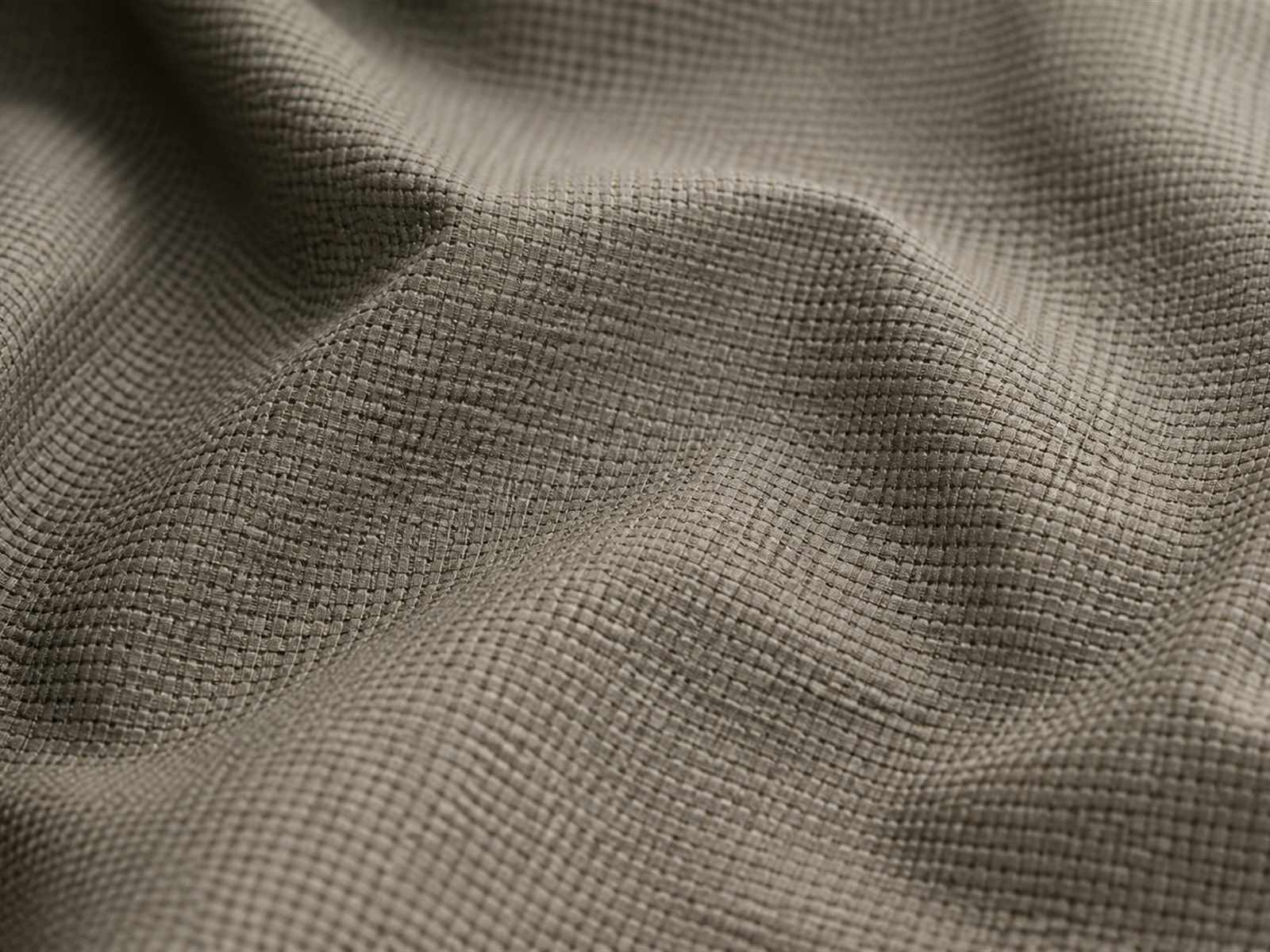
Mechanical stretch fabric obtains its extension from yarn and weave geometry rather than from elastic fibre. Crimped or textured yarns, yarn deflection inside the weave and controlled fabric structure allow the cloth to extend under load and recover when the load is removed. For tactical and uniform programmes this matters because it removes the ageing and recovery problems associated with elastic fibre while keeping the fabric dyeable, printable and stable in industrial laundry. The cost is a lower extension range and a recovery that depends heavily on how the fabric is finished and how the garment is constructed.
- Composition
- DATA REQUIRED
- Weight range
- DATA REQUIRED
- Best applications
- Hot Weather · Heavy Duty / Field · Tropical / Humid
Gallery
Mechanical Stretch Fabric in detail
What it is
What is it?
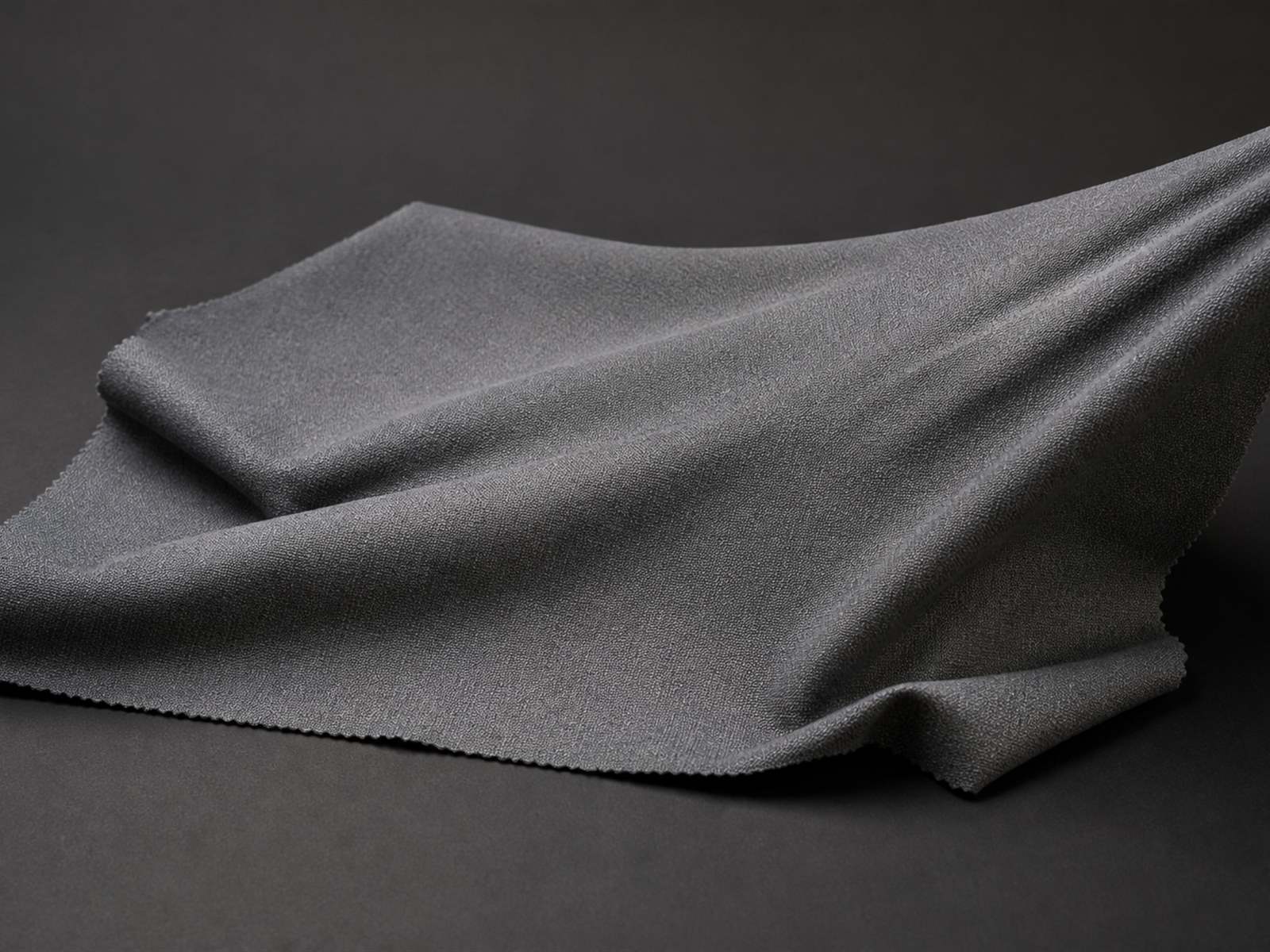
A fabric whose ability to extend comes from its structure: yarns with built-in crimp or texture, a weave that allows yarns to deflect, or a knit architecture that opens under load. No elastic filament is required for the stretch. Because the mechanism is geometric rather than chemical, the fabric behaves like a conventional woven in dyeing, printing, cutting and industrial laundering once it is relaxed.
Function
How it works
In a woven mechanical stretch, the yarns are not straight. Crimped or textured yarns carry built-in waviness, and the weave interlacing forces further deflection at every crossing. When the cloth is loaded, those deflections straighten first, which produces extension; when the load is removed, the yarn crimp pulls the structure back. Because the recovery force comes from yarn geometry rather than an elastic core, it depends on the yarn's heat history and on how the fabric was relaxed and finished. A mechanical stretch that is over-stretched in finishing or in garment cutting will extend, but it will not return, and the panel grows permanently.
Technical data
| Composition | DATA REQUIRED — not published until confirmed |
|---|---|
| Available weight range | DATA REQUIRED — confirmed per programme |
| Best applications | Hot WeatherHeavy Duty / FieldTropical / Humid |
We do not publish composition or weight figures we have not confirmed for a specific programme. Ask for the figures that apply to your product.
Advantages
Advantages
- No elastic filament in the structure, so there is no ageing or perishing mechanism that silently kills recovery over the garment's service life
- Dyeing and printing behave closer to a conventional woven, giving more predictable shade development and camouflage register than a high-elasticity fabric
- Withstands industrial laundering and higher process temperatures better than constructions dependent on elastic fibre
- Extension comes from structure, so the fabric still reads as a woven and can carry the abrasion resistance expected of tactical trousers
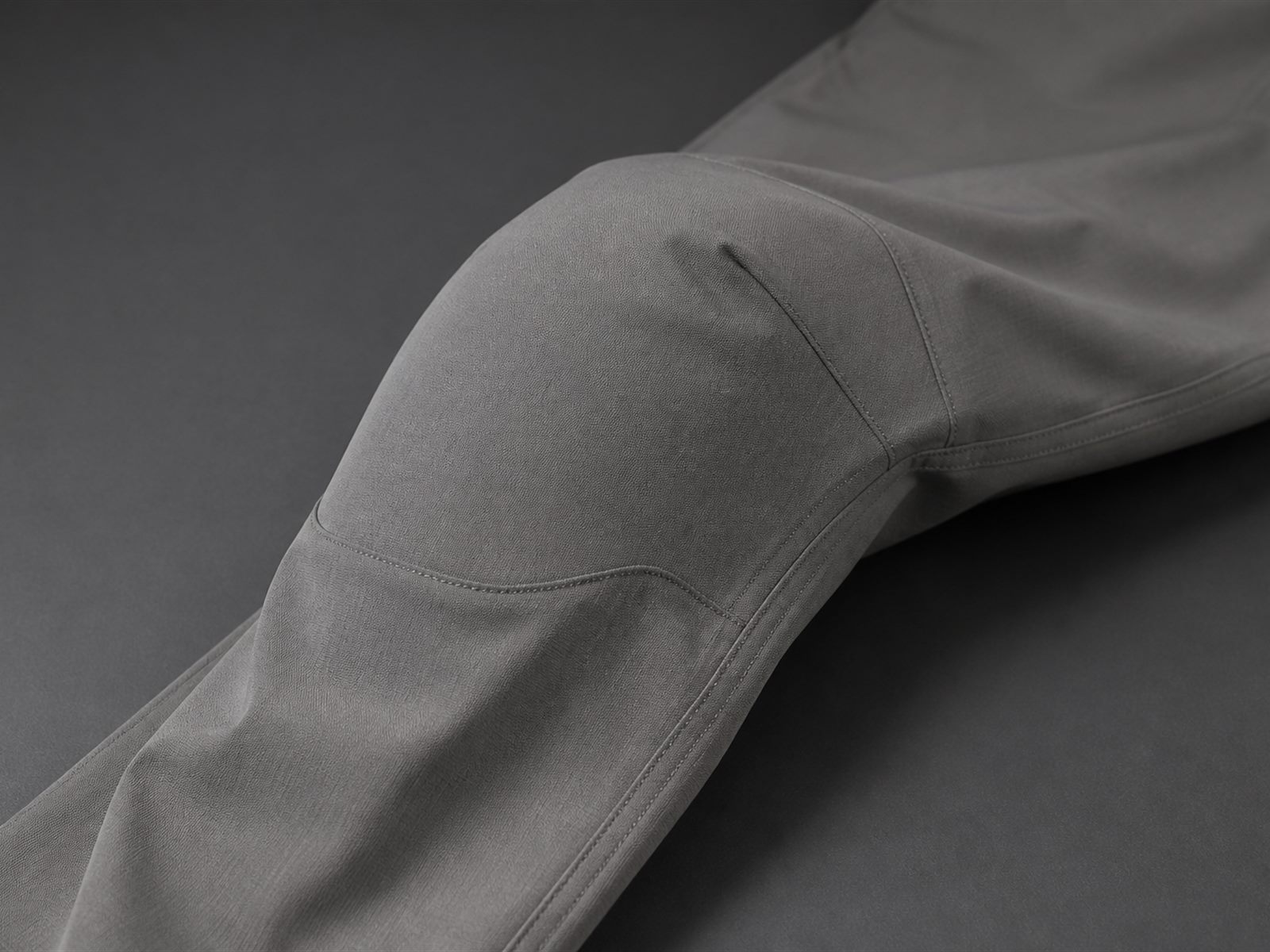
- Supports closer patterns that move with the wearer, which reduces seam stress at the crotch, seat and knee
- Recycling and end-of-life handling are simpler because the cloth is not a mixed-fibre composite of elastic and non-elastic yarns
Limitations
Limitations
- Wrong choice where a large extension range is required: mechanical stretch offers a smaller working range than a fabric with elastic fibre, so it will not substitute for a genuinely high-stretch panel
- Recovery is entirely dependent on yarn and finishing control. If that control is not in place, the garment grows at knees, seat and elbows
- The fabric must be relaxed before cutting. Cutting a mechanical stretch under tension is one of the most common causes of oversized finished garments
- Lower extension in the direction the weave resists, so the stretch direction has to be specified against the garment's movement needs rather than assumed
- Can be less dimensionally stable than a rigid woven of similar weight, which affects how the garment measures after washing
- Costs more than a rigid construction, and the premium is wasted on garments where movement and fit are not real problems
Performance
Performance profile
The same material can be the right choice in one climate and the wrong choice in another; these are the trade-offs as they affect how Mechanical Stretch Fabric behaves in a garment.
Hot weather performance
Not a cooling material in itself. Its value in heat is fit: a close-moving garment does not bind during movement and reduces friction against the skin. Where heat management is the primary requirement, the base fabric should be a lightweight quick-dry or open-structure construction, and mechanical stretch should be treated as a fit decision layered on top of that.
Cold weather performance
Used for outer and mid layers where mobility matters, particularly for climbing and vehicle work. It provides no insulation and needs a separate insulating layer. Its stability in the cold is an advantage, because it does not stiffen or lose recovery at low temperature the way some elastic constructions do.
Durability
Abrasion resistance comes from the base yarn and construction rather than from the stretch mechanism, so the fabric can be specified as a hard-wearing woven. The durability risk is dimensional rather than structural: a panel that extends without recovering looks exhausted even though the cloth itself is intact.
Drying
Drying follows the fibre composition. Fully synthetic versions dry quickly and suit field washing; blends with natural fibre dry more slowly. Because the fabric is not carrying an elastic core, there is no separate moisture-retention path inside the yarn, which helps keep drying behaviour consistent across the panel.
Comfort
The reason to specify it. Mechanical stretch removes the restriction that makes rigid wovens uncomfortable in a deep crouch and reduces pressure at the waist and thigh. The hand is generally firmer and more technical than a high-elasticity knit, which buyers should assess on a garment rather than on a swatch.
OEM options
OEM options for this material
The 6 points that can be specified when Mechanical Stretch Fabric is written into your programme.
- Stretch direction and range developed against the garment's actual movement pattern rather than applied as a general property
- Relaxation procedure and cutting method agreed with production so finished measurements match the approved size chart
- Recovery behaviour confirmed through simulated wear and wash cycles before bulk, since this is the property buyers actually notice
- Weave and surface character developed against a buyer's reference swatch, including hand-feel and sheen
- Solid dyeing and camouflage printing to buyer standards with lab dip and print standard approved before bulk
- Combination with other materials in the same garment, such as rigid ripstop at high-abrasion panels, planned at the pattern stage
Care
Care considerations
- Wash according to the buyer's care label, with temperature limits stated rather than implied
- Avoid high-temperature tumble drying, which reduces recovery and can distort panels
- Finished measurements should be checked after the first wash cycle as an approval step, because this is where dimensional behaviour becomes visible
- Any topical finish must be matched with care instructions that preserve it, or the stated performance will drop before the garment's life ends
Recommended garments
Where this material is used
Products in our range where Mechanical Stretch Fabric is a realistic specification option, drawn from 4 candidate builds.
Product
Stretch Tactical Pants
Stretch in a tactical pant is a mobility decision with a durability bill attached.
Product
Tactical Duty Pants
Duty pants are worn longer than any other garment in a uniform, usually with a belt loaded with equipment, and they are judged by whether they still look presentable at the end of a shift as much as by whether they survived it.
Product
Hot Weather Tactical Pants
In sustained heat the limiting factor is not durability, it is whether the wearer can keep working.
Product
Temperate Tactical Uniform Set
A uniform set only performs as a set if the shirt and the trousers behave as one garment.
FAQ
Mechanical Stretch Fabric FAQ
How is mechanical stretch different from stretch fabric with elastic fibre?
The extension comes from yarn and weave geometry instead of an elastic core. That means no elastic ageing, more predictable dyeing and printing, and better tolerance of industrial laundering, but also a smaller working extension range and a greater dependence on correct relaxing and finishing.
Will the garment keep its shape after washing?
It can, if the fabric is relaxed before cutting and the fabric's dimensional behaviour has been confirmed through wash cycles. Recovery is a specification item, not something to assume from a swatch.
Can mechanical stretch replace a high-stretch panel?
No. If the design needs a large extension range, a construction with elastic fibre is the correct answer. Mechanical stretch suits garments that need to move with the wearer while still behaving like a woven.
Does stretch reduce abrasion resistance?
The stretch mechanism itself does not set abrasion performance; the base yarn and construction do. What changes is dimensional behaviour, so abrasion and recovery should be treated as two separate specification items and checked separately.
Do I need to change the pattern for this fabric?
Tolerances and cutting procedure usually need to change even when the pattern shape does not. Cutting a stretch fabric under tension causes size drift, so relaxation and cutting method should be agreed before bulk.
Related Materials
Related Applications
Related Capabilities
Related Categories
Request this material against your specification
Tell us the garment, the climate and the wear pattern. We will confirm what is available for your programme and state clearly which figures are confirmed and which still need data.