Materials
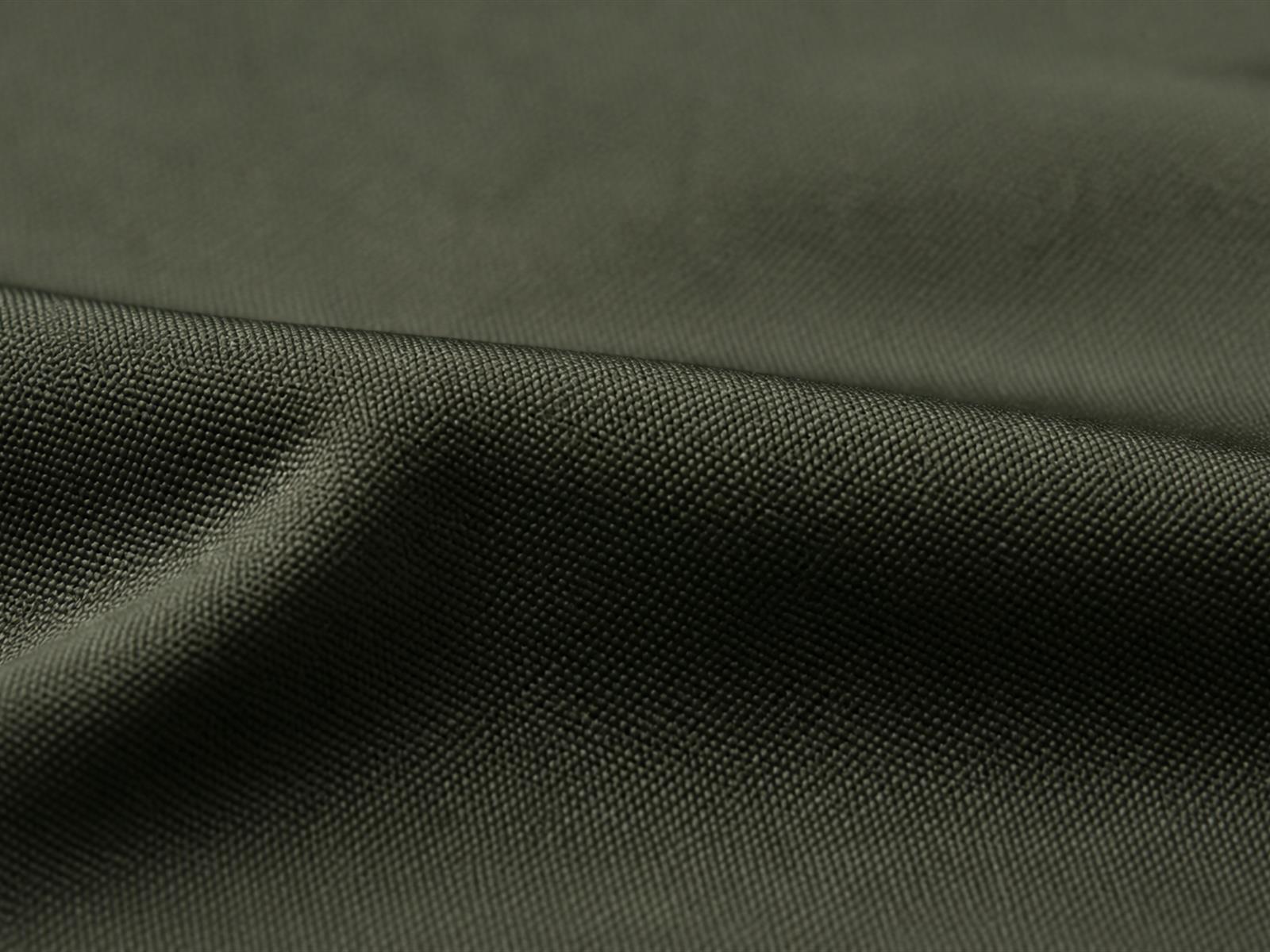
Wind Resistant Fabric for Tactical Jackets and Field Outerwear
Wind resistant fabric reduces the air movement that strips warmth away from the body. In cold conditions a great deal of the perceived temperature drop comes from moving air removing the still boundary layer next to the skin, so a fabric that limits air permeability delivers a large comfort gain for very little weight. The property is a matter of degree: fabric is described by how much air passes through it, not by a binary windproof claim. Reduced airflow also reduces vapour escape, so the specification has to balance warmth in wind against the risk of the wearer becoming damp from the inside.
- Composition
- DATA REQUIRED
- Weight range
- DATA REQUIRED
- Best applications
- Cold Weather · Heavy Duty / Field · Desert
Gallery
Wind Resistant Fabric in detail
What it is
What is it?
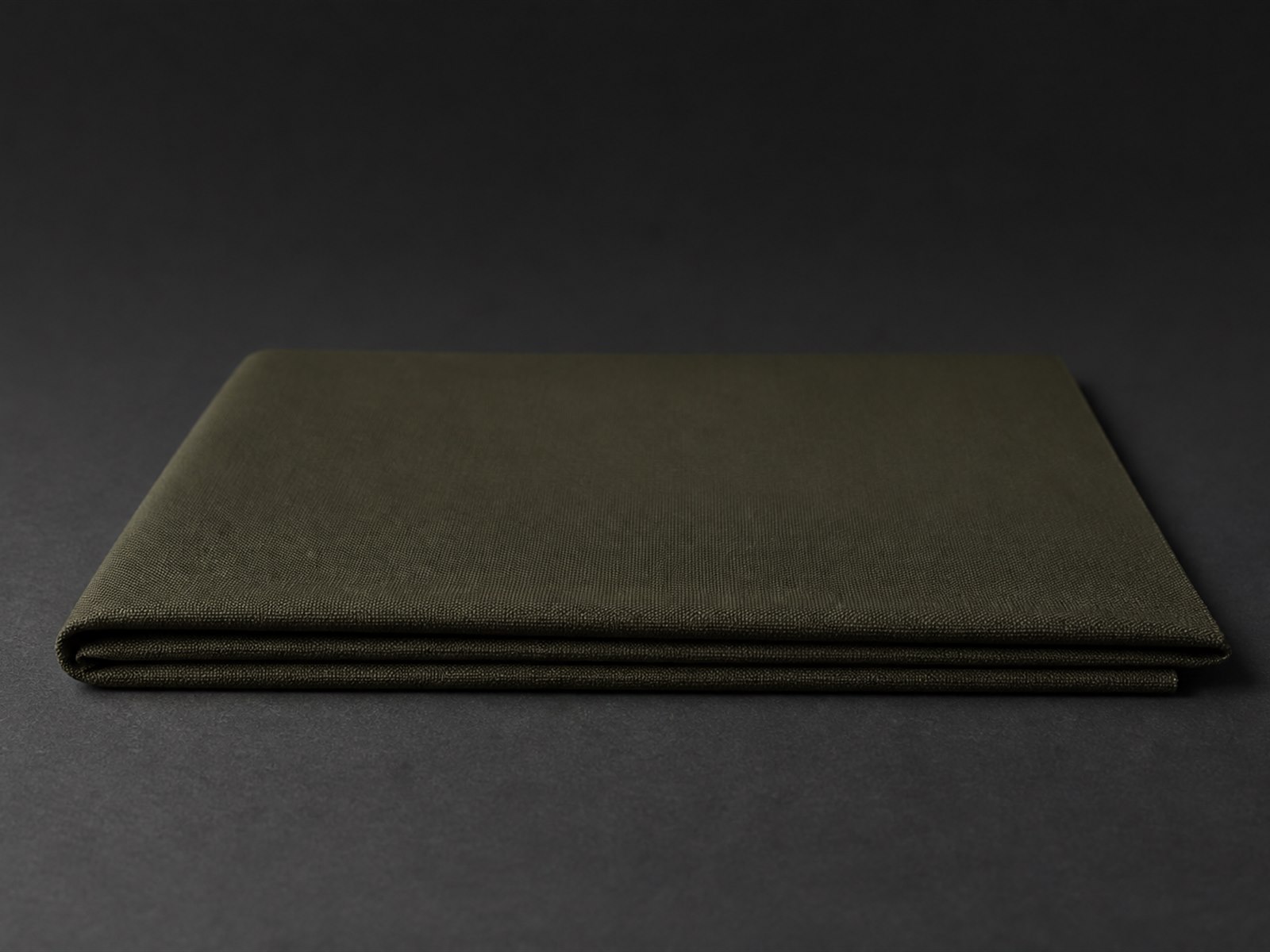
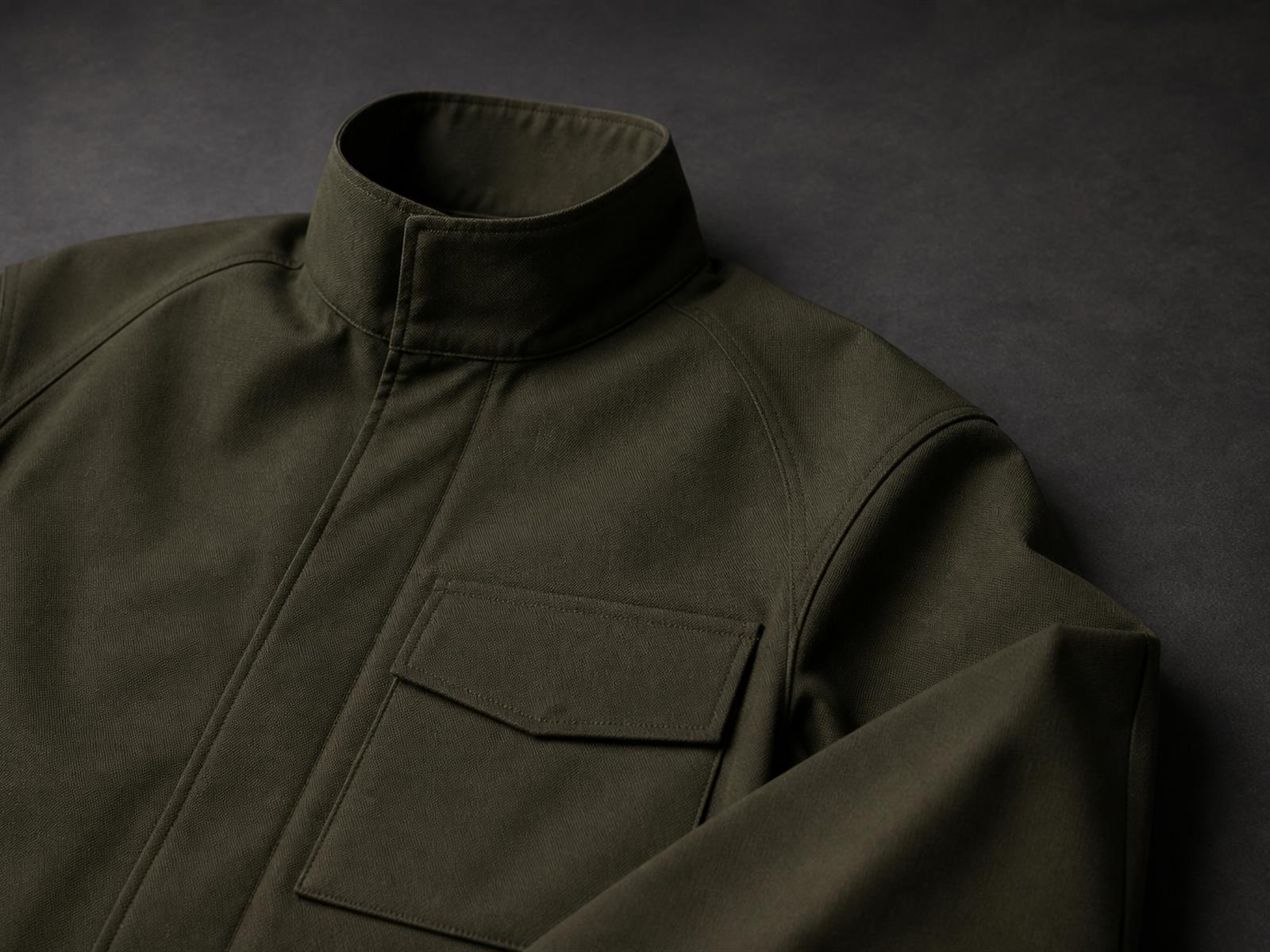
A fabric constructed or finished to restrict how much air passes through it. The effect comes from a high yarn cover factor in a tight weave, from calendering or a similar surface treatment that closes the gaps between yarns, or from a light membrane or coating that blocks airflow outright. It is not necessarily water resistant, and it is not necessarily breathable.
Function
How it works
The human body warms a thin layer of air immediately next to the skin. Still air is a poor conductor of heat, so that boundary layer is what keeps a wearer warm. Wind removes it continuously and replaces it with cold air, which is why the same temperature feels very different in still and moving air. Wind resistant fabric limits convective exchange by restricting airflow through the cloth: a tighter weave with a higher cover factor, calendering that flattens and closes the yarn structure, or a thin coating or membrane, all reduce the volume of air that can pass. The trade-off is direct, because the same restriction that keeps cold air out also keeps moisture vapour in. Air permeability therefore determines both how warm the garment feels and how damp the wearer becomes during exertion.
Technical data
| Composition | DATA REQUIRED — not published until confirmed |
|---|---|
| Available weight range | DATA REQUIRED — confirmed per programme |
| Best applications | Cold WeatherHeavy Duty / FieldDesert |
We do not publish composition or weight figures we have not confirmed for a specific programme. Ask for the figures that apply to your product.
Advantages
Advantages
- Removes most convective heat loss, so a light layer delivers a large warmth gain without added insulation bulk
- Protects the lofted structure of fleece or insulation underneath, which cannot function effectively when moving air displaces the trapped air
- Allows a garment to work in cold moving conditions without the weight and stiffness of a fully waterproof shell
- Quieter and more flexible than a membrane laminate, which suits field, duty and hunting use
- Can be combined with light water repellency so one layer handles both wind and brief precipitation
- Available in stretch constructions that block wind while still allowing movement for climbing or weapon handling
Limitations
Limitations
- Wrong choice where moisture management is the priority: the more effective the wind blocking, the less vapour escapes, so a highly wind resistant garment worn during sustained hard exertion becomes a condensation chamber
- It does not provide insulation. It reduces heat loss but adds no warmth of its own, and a wearer expecting a wind resistant shell to be warm in cold weather will be disappointed
- Calendered and coated finishes can stiffen the hand and make the garment feel less like cloth, which affects comfort and appearance
- Not water resistant unless it is specified as such, and a wind resistant fabric wetted out loses much of its wind blocking ability and feels cold
- Abrasion on a light coated or calendered construction can reduce the air permeability of the treated surface, changing the garment's behaviour over its service life
- The property is difficult to judge by feel, so buyers frequently approve the wrong construction without an air permeability requirement in the specification
Performance
Performance profile
The same material can be the right choice in one climate and the wrong choice in another; these are the trade-offs as they affect how Wind Resistant Fabric behaves in a garment.
Hot weather performance
Usually unnecessary in hot weather, and potentially counterproductive if the construction also restricts vapour transfer. In desert and high-altitude settings, a wind resistant layer is genuinely useful for cool mornings and evenings and for wind chill, and it is often lighter than carrying an insulated layer for the same effect.
Cold weather performance
The main application. Over fleece or insulation, a wind resistant layer restores the warmth that wind would otherwise remove and allows the insulation underneath to keep its trapped air intact. This is the most weight-efficient way to make a cold-weather garment system work, and it is why wind resistance is specified even when full waterproofing is not required.
Durability
Durability depends on the base fabric. Tightly woven constructions wear like any woven and can be specified for abrasion resistance, while calendered finishes and light coatings can be affected by abrasion and repeated laundering. Where the construction relies on a treatment rather than on the weave, the treatment should be treated as a wear item.
Drying
A lightweight wind resistant woven dries quickly and is well suited to field use. Heavier coated or laminated versions dry more slowly because water is held at the surface and between layers. A wetted-out wind resistant garment loses much of its function, so drying behaviour is worth stating in the specification.
Comfort
Comfortable and warm in cold moving air, and noticeably more comfortable than no outer layer at all. The drawback appears during exertion, when limited vapour transfer leaves the wearer damp, and the garment then feels cold as soon as activity stops. Venting design and adjustable openings are the practical answer.
OEM options
OEM options for this material
The 6 points that can be specified when Wind Resistant Fabric is written into your programme.
- Air permeability specified as a requirement with a stated test method, since wind resistance cannot be assessed reliably by hand feel
- Construction route agreed with the buyer, from a tight woven to a calendered or lightly coated fabric, with the consequences for hand and breathability stated
- Venting features designed into the garment, such as openings and adjustable closures, to manage the vapour limitation of the fabric
- Combination with light water repellency where brief precipitation is expected, with the finish and care requirements specified together
- Base fabric selected for the required abrasion level, particularly where the fabric will also serve as a hunting or field outer layer
- Camouflage printing or solid dyeing with an approved standard retained for repeat orders
Care
Care considerations
- Wash according to the buyer's care label, and avoid softener and detergent residue, which affect any repellent finish on the fabric
- Where the wind resistance depends on a calendered or coated surface, follow the care instructions that protect it rather than treating it as a plain woven
- Avoid high heat unless permitted, as heat can affect both finish and base fabric
- Air permeability should be confirmed on the production sample if the garment's warmth claim depends on it, rather than relying on the fabric description
Recommended garments
Where this material is used
Products in our range where Wind Resistant Fabric is a realistic specification option, drawn from 4 candidate builds.
Product
Tactical Softshell Jacket
A softshell is a compromise, and buyers who know which compromise they are buying get a better jacket.
Product
Hunting Camo Jacket
A hunting jacket is judged by two properties that pull against each other: how quietly it moves through brush, and how well it survives that brush.
Product
Cold Weather Tactical Jacket
A cold weather jacket has to hold warmth, allow movement and get rid of moisture, and those three requirements pull against each other.
Product
Tactical Field Jacket
A field jacket is bought for a specific job: it carries what the wearer needs to reach without opening a pack, stays out of the way when the wearer kneels, climbs or drives, and can be worn over a shirt or a fleece without becoming a straightjacket.
FAQ
Wind Resistant Fabric FAQ
Is wind resistant the same as windproof?
No. Wind resistance is a matter of degree, described by air permeability. Windproof implies negligible airflow. A buyer should state the required performance level, because the two extremes behave very differently once the wearer starts sweating.
Does wind resistant fabric keep you warm?
It stops warmth being removed by moving air, which feels similar but is not insulation. In cold weather it should be paired with fleece or synthetic insulation, and the combination is more effective than either layer alone.
Will a wind resistant jacket make me sweat?
It can, during sustained exertion, because reducing airflow also reduces vapour escape. That is why venting design matters and why an extremely wind-blocking construction is not automatically the best choice for active use.
Is this fabric also water resistant?
Not unless it is specified that way. A wind resistant construction may be given a repellent finish, but that is a separate requirement with its own performance level and its own care instructions.
How should I specify wind resistance for a new garment?
State the climate, the activity level, the expected wind exposure and the insulation layer it will be worn over. From that, the air permeability requirement and the venting design follow. Approving a fabric by feel alone is the most common mistake in this material class.
Related Applications
Related Capabilities
Related Articles
Related Categories
Request this material against your specification
Tell us the garment, the climate and the wear pattern. We will confirm what is available for your programme and state clearly which figures are confirmed and which still need data.