Materials
Lightweight Hot Weather Fabric for Tactical Clothing
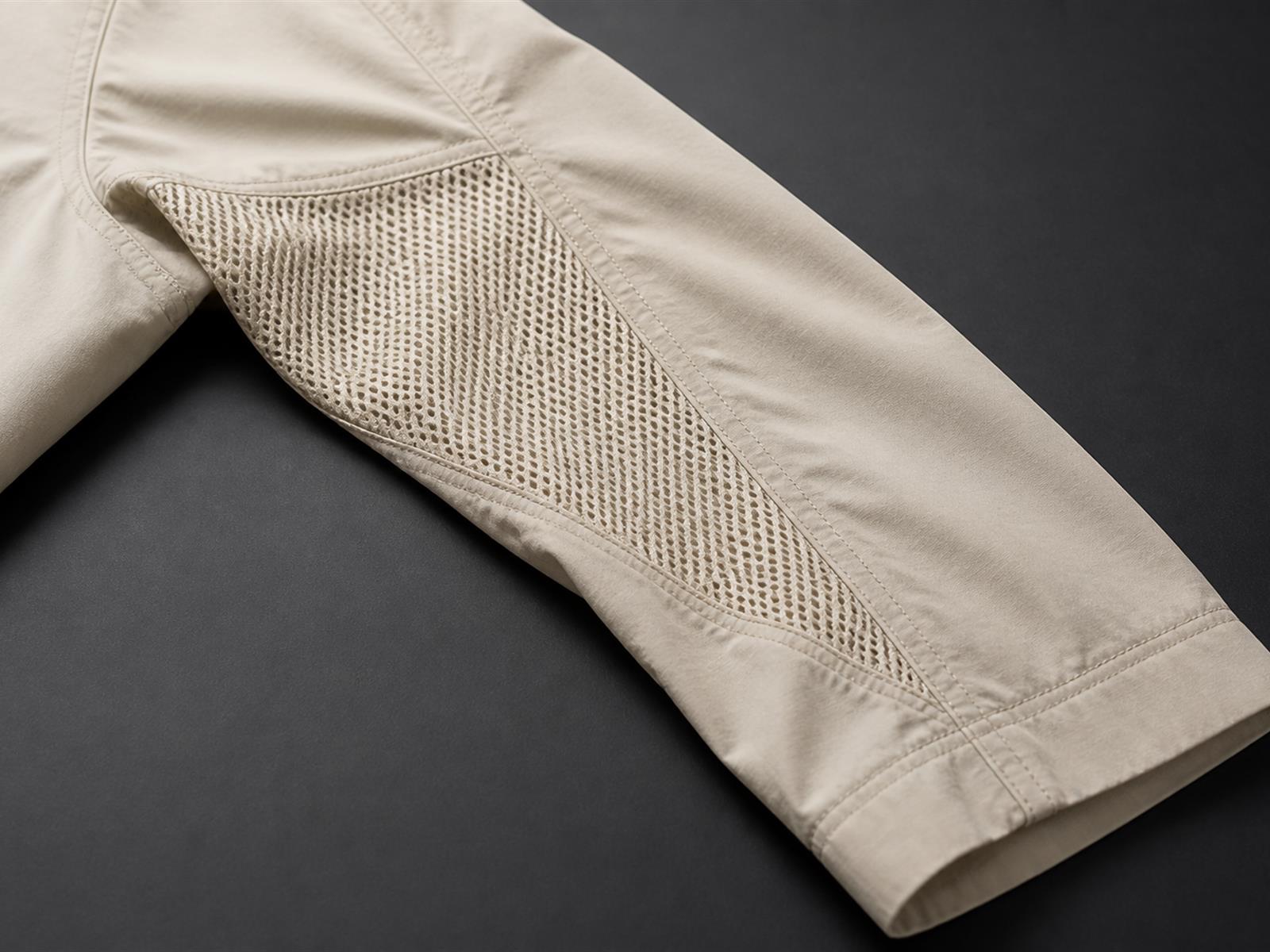
Lightweight hot weather fabric is built on a simple physical argument: less fabric mass means less stored heat, and a more open structure means more air exchange and faster evaporation of sweat. Weight, structure and colour all contribute, and each of them costs something. Reducing mass and opening the structure lowers abrasion resistance, tear strength and sun protection, and can make the cloth translucent. The specification question is not whether lighter is cooler, but which of those trade-offs the garment can absorb where it is worn. Lightweight fabric is normally applied by panel rather than across an entire high-wear garment.
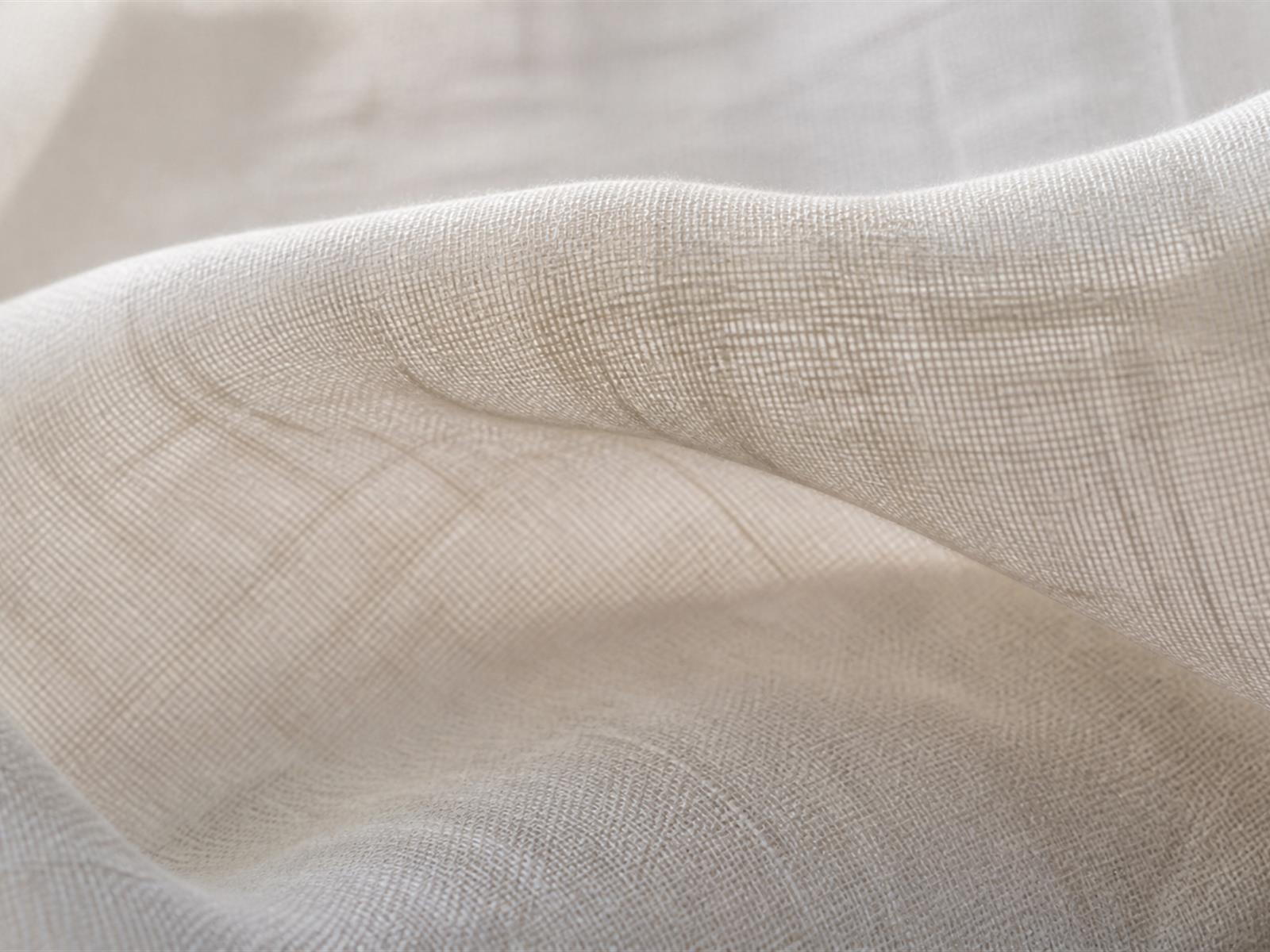
- Composition
- DATA REQUIRED
- Weight range
- DATA REQUIRED
- Best applications
- Hot Weather · Tropical / Humid · Desert
Gallery
Lightweight Hot Weather Fabric in detail
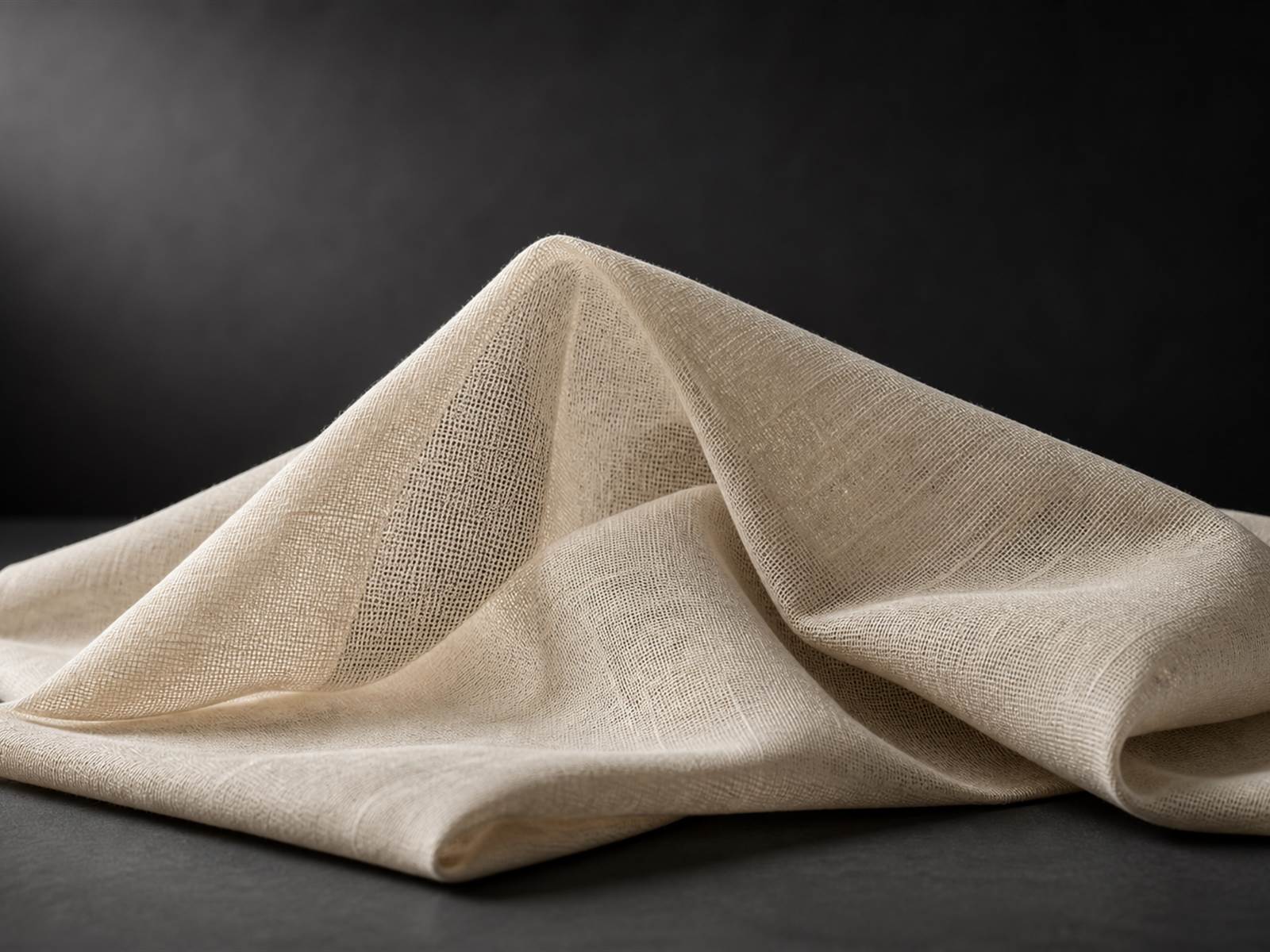
What it is
What is it?
A low-weight woven or knit with a structure that allows air and moisture vapour to move through it easily. Cooling comes from reduced thermal mass, increased convective airflow and faster evaporation, rather than from any active mechanism. Colour and surface finish matter as well, since solar load contributes to how hot a garment becomes in direct sun.
Function
How it works
Cooling in a garment depends on three things: how much heat the fabric stores, how easily air moves through and around it, and how quickly sweat can evaporate. Lightweight fabric reduces all three burdens at once. Lower mass means less material to heat up and less heat held against the body. A more open structure lets air pass through the cloth itself, not only over it, so convective cooling happens at the skin rather than above the fabric. A greater exposed surface area also speeds evaporation of moisture from the yarns. The limits are structural: the same openness that lets air through also lets solar radiation reach the wearer, reduces the material available to resist abrasion and tear, and becomes visible as translucency in lighter or stretched areas.
Technical data
| Composition | DATA REQUIRED — not published until confirmed |
|---|---|
| Available weight range | DATA REQUIRED — confirmed per programme |
| Best applications | Hot WeatherTropical / HumidDesert |
We do not publish composition or weight figures we have not confirmed for a specific programme. Ask for the figures that apply to your product.
Advantages
Advantages
- Reduces heat stored in the garment, which lowers skin temperature and improves comfort in hot climates
- Open structure supports convective air exchange through the cloth, cooling the skin rather than only the outer face
- Faster evaporation of sweat from the yarns, so the garment returns to a wearable state quickly after activity or washing
- Lower garment weight reduces fatigue over long hot-weather duties and reduces pack volume
- Well suited to light colourways and printed camouflage, and it works with moisture wicking structures at the torso
- Panel-level application lets the design use lightweight fabric where cooling matters and reinforced ripstop where abrasion does
Limitations
Limitations
- Wrong choice for high-abrasion duty. Lower mass means lower tear and abrasion resistance, so lightweight fabric at knees, elbows, cargo corners and shoulders wears through quickly
- Reduced sun protection: a very open or very light structure lets more UV radiation through, which matters in desert and high-altitude use
- Translucency and show-through in light colours, especially when the garment is stretched or the fabric is wet, which is a common appearance complaint
- Lower dimensional stability. Lightweight structures distort more easily under load and can be harder to keep to finished measurements
- Camouflage printing on very light fabric is less forgiving: print definition, strike-through and colour depth all become harder to control consistently
- Not a good substrate for heavy reinforcement, since attaching load-bearing panels to a light cloth concentrates stress and can tear the base fabric
Performance
Performance profile
The same material can be the right choice in one climate and the wrong choice in another; these are the trade-offs as they affect how Lightweight Hot Weather Fabric behaves in a garment.
Hot weather performance
The intended purpose. Lightweight fabric reduces stored heat, allows air exchange through the structure and speeds evaporation, and in dry heat it is the most comfortable class of tactical cloth available. In humid conditions, airflow matters less and drying speed becomes dominant, so the fibre choice should be specified for drying rather than relying on lightness alone.
Cold weather performance
Not appropriate as an outer layer. It provides no insulation, no wind resistance and little abrasion protection, and in moving air it will feel cold. Its only role in cold conditions is as a light base layer under insulation in high-output activity where the wearer will be warm anyway.
Durability
The main weakness. Abrasion and tear resistance fall as weight and cover factor fall. Field life is acceptable in low-wear positions such as torso panels and sleeves, but not at knees, elbows, cargo pocket corners or anywhere equipment rubs. Panel placement is the way to use this material without accepting premature failure.
Drying
Dries fast because there is less material to hold water and more exposed surface for evaporation. Lightweight open structures also shed water quickly when wrung, which helps in field washing. The fibre still matters: synthetic versions dry fastest, and natural fibre content slows the process even in a light fabric.
Comfort
Very comfortable in hot dry conditions, with low weight and good air movement. The trade-offs are reduced protection, a more fragile feel, greater show-through in light colours and less insulation when the temperature drops in the evening, which often leaves the wearer reaching for another layer.
OEM options
OEM options for this material
The 6 points that can be specified when Lightweight Hot Weather Fabric is written into your programme.
- Weight and structure balanced against the abrasion demands of each panel, with lighter fabric kept away from knees and elbows
- Reinforcement planned at high-wear areas so the garment can use lightweight fabric elsewhere without shortening service life
- Sun protection level and UV transmission treated as a requirement in desert and high-altitude programmes rather than assumed
- Colour and light-blocking behaviour assessed on the finished garment, including the wet and stretched states, to avoid show-through complaints
- Camouflage printing controlled with an approved print standard, since light substrates are less forgiving of variation
- Pattern and sewing adjustments to suit a light fabric, including seam types and stitch density that avoid distortion
Care
Care considerations
- Wash according to the buyer's care label; light fabrics are more vulnerable to mechanical damage and should be handled accordingly
- Avoid high heat, which can affect dimensional stability and any applied finish
- Do not use fabric softener where a moisture transport finish is in place, as it reduces the fabric's function
- Colour fastness and shrinkage behaviour should be confirmed on the production sample, since light structures move more than heavier wovens
Recommended garments
Where this material is used
Products in our range where Lightweight Hot Weather Fabric is a realistic specification option, drawn from 4 candidate builds.
Product
Hot Weather Combat Shirt
This garment exists to solve one problem: a combat shirt that can be worn through a full day of heat without becoming saturated and unusable.
Product
Hot Weather Tactical Pants
In sustained heat the limiting factor is not durability, it is whether the wearer can keep working.
Product
Hot Weather Tactical Uniform Set
A uniform set is a specification problem that two separate garments do not have: the shirt and the pant have to behave as one system.
Product
Security Duty Shirt
The shirt is the part of a security uniform the public actually reads, and it is also the part washed most often.
FAQ
Lightweight Hot Weather Fabric FAQ
Is lighter fabric always cooler?
Up to a point. Lower mass and a more open structure reduce stored heat and improve air exchange, which helps in dry heat. But in humid conditions drying speed matters more, and a very open structure can reduce sun protection. The fibre and structure have to be specified for the actual climate.
Can lightweight fabric be used for tactical trousers?
Yes, and it is common in hot-weather trousers, but not across every panel. Knees, seat and pocket corners should use a reinforced ripstop, with lightweight fabric in lower-wear areas where cooling matters most.
Will the fabric be see-through?
It can be, particularly in light colours and when stretched or wet. This should be assessed on the finished garment in those states rather than on a flat swatch, because the complaint almost always appears in wear rather than in a sample room.
How do I keep a lightweight garment from wearing out too quickly?
By panel placement and reinforcement. Keep lightweight fabric at torso and sleeve areas and use a durable ripstop at abrasion points. Trying to make a single light fabric survive heavy contact wear usually fails.
Does lightweight fabric work with camouflage printing?
It does, but with less tolerance. Light substrates show print variation, colour depth differences and strike-through more readily, so a print standard approved on the actual substrate is essential before bulk.
Related Applications
Related Capabilities
Related Categories
Request this material against your specification
Tell us the garment, the climate and the wear pattern. We will confirm what is available for your programme and state clearly which figures are confirmed and which still need data.