Materials
Fleece Fabric for Tactical Mid Layers and Cold Weather Clothing
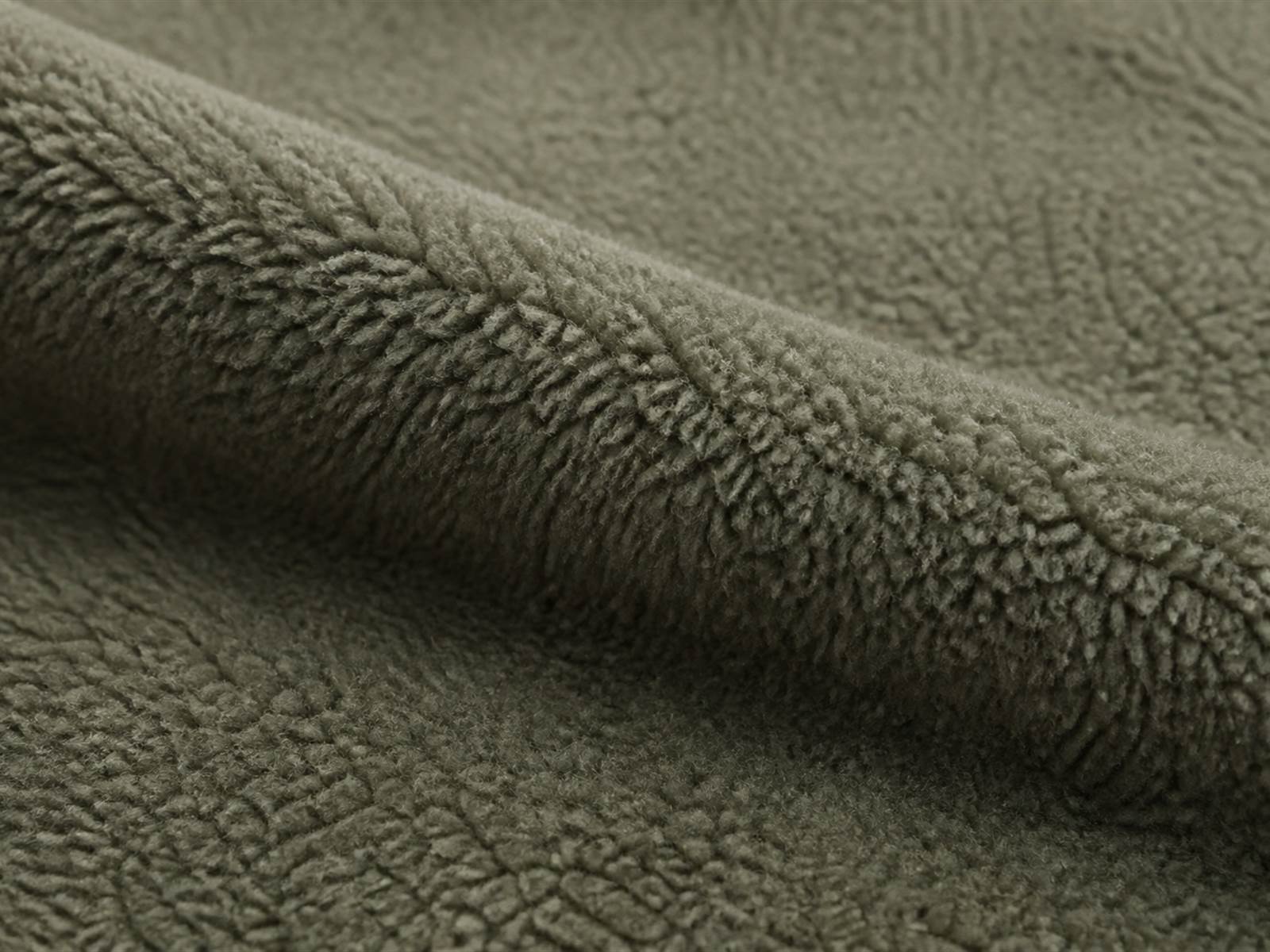
Fleece is a pile knit or woven fabric with a raised surface that traps air. It works as a mid layer: it insulates by holding still air close to the body rather than by blocking wind or water. For tactical clothing the properties that matter are loft, weight, how well the fabric keeps its loft under compression, and how it behaves when damp. Fleece is quiet, dries quickly in its synthetic form, and layers well under a shell. It is a poor outer layer on a windy day and should be specified as part of a system rather than judged on its own.
- Composition
- DATA REQUIRED
- Weight range
- DATA REQUIRED
- Best applications
- Cold Weather · Heavy Duty / Field · Wet Weather
Gallery
Fleece in detail
What it is
What is it?
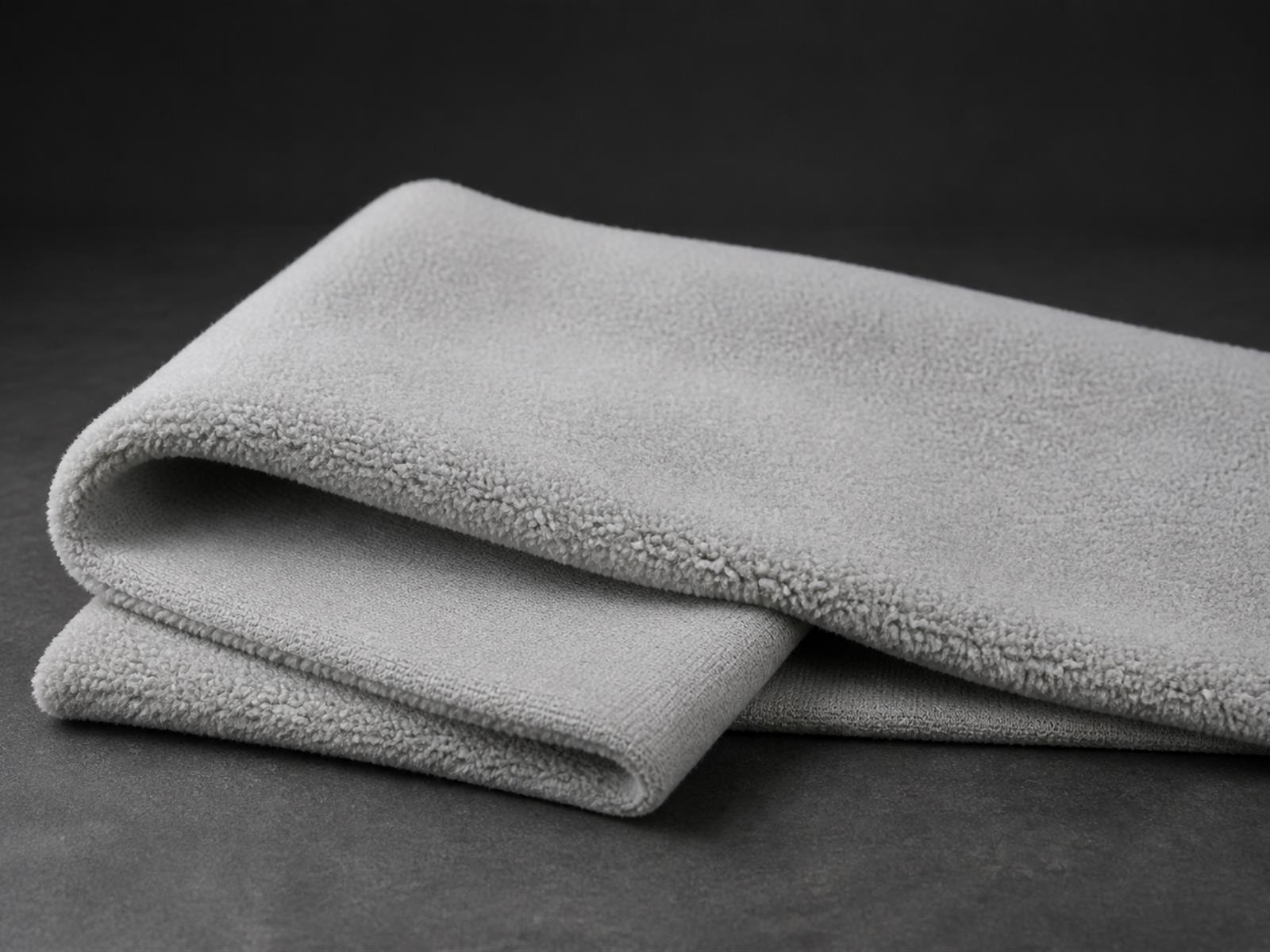
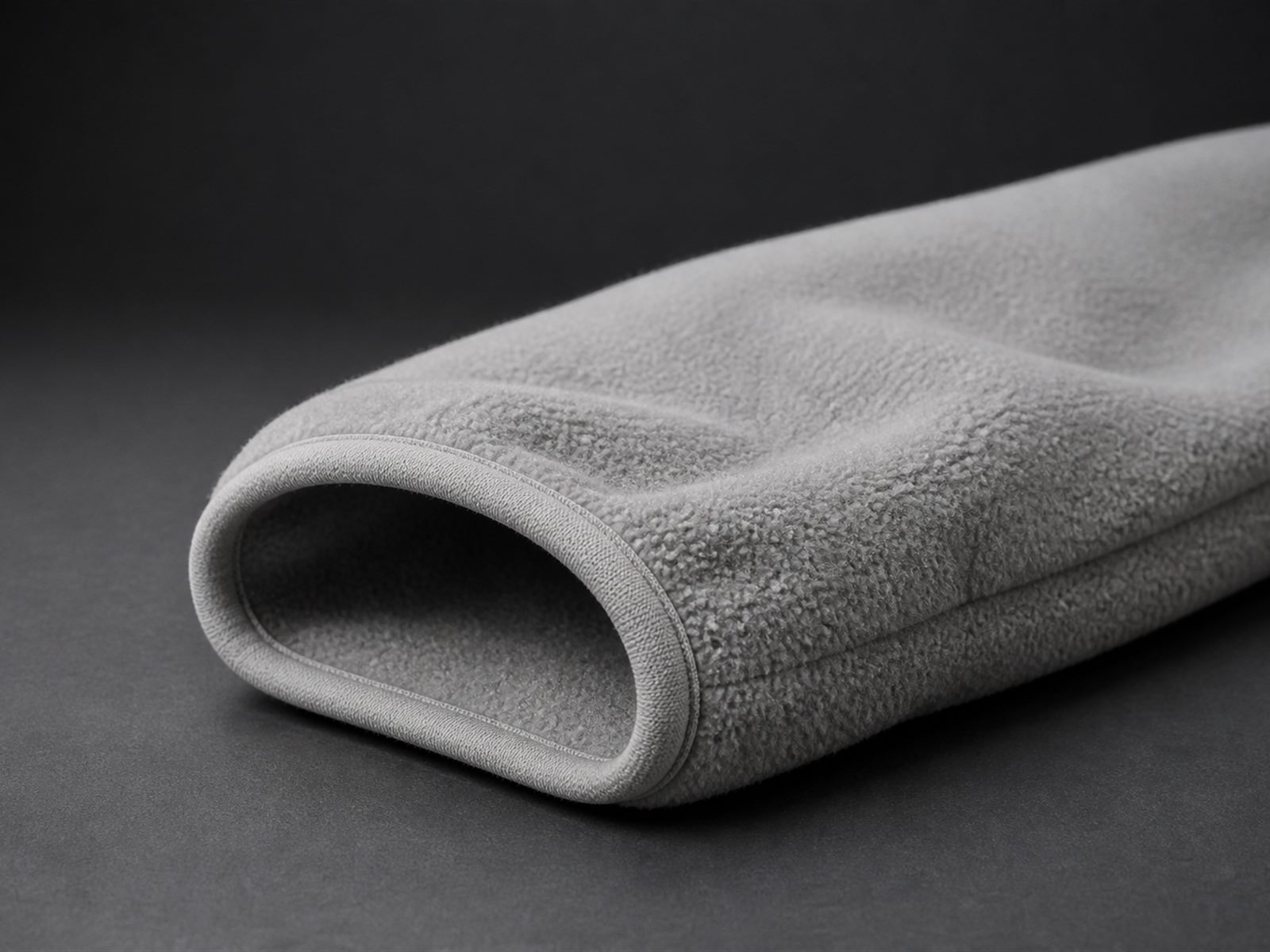
A fabric whose surface has been raised into a pile, or a knit structure with a looped or brushed face, so that the fabric holds a layer of air within its own thickness. The pile density and the fabric's ability to stay lofted determine insulation; the fibre determines how it behaves when wet, how fast it dries and how much it pills.
Function
How it works
Insulation does not come from the fibre itself but from the air trapped inside the fabric structure. Fleece achieves this by raising the surface into a pile or by knitting loops that create many small air pockets held in place by the fibres. Still air is a poor conductor of heat, so the more loft a fabric holds without getting heavy, the warmer it is. Two mechanisms degrade that: compression, which squeezes air out and reduces loft permanently if the structure collapses, and wind, which displaces the air inside the pile and replaces it with cold air. That is why fleece needs a wind-resistant layer over it, and why a fleece that has been flattened in a pack insulates less until it re-lofts.
Technical data
| Composition | DATA REQUIRED — not published until confirmed |
|---|---|
| Available weight range | DATA REQUIRED — confirmed per programme |
| Best applications | Cold WeatherHeavy Duty / FieldWet Weather |
We do not publish composition or weight figures we have not confirmed for a specific programme. Ask for the figures that apply to your product.
Advantages
Advantages
- High warmth for its weight compared with a woven outer fabric, because the insulation comes from trapped air rather than fabric mass
- Quiet in use, which is an advantage for field and hunting clothing where fabric noise matters
- Synthetic fleece takes up very little water, keeps working when damp and dries quickly compared with an insulated garment containing natural fibre
- Air permeability allows some vapour transfer, so a fleece mid layer handles moderate activity better than a sealed outer layer
- Layers cleanly under a softshell or waterproof shell and can be worn as an outer layer in dry, still conditions
- Raised surfaces can be engineered for different functions, from a smooth-faced liner to a high-loft grid or pile face
Limitations
Limitations
- Wrong choice as a standalone outer layer in wind: moving air displaces the trapped air in the pile and the garment loses most of its warmth
- Not water resistant. Fleece wets out and becomes heavy and slow to dry, and a soaked fleece stops insulating effectively
- Pilling and snagging at contact points with kit, straps and Velcro are a normal wear pattern and affect appearance before the garment fails functionally
- Loft is lost with repeated compression. A fleece packed tight for long periods insulates less until it recovers, and some structures never fully recover
- Bulky for the warmth delivered compared with a synthetic insulation layer, which limits its use where pack volume or garment profile matters
- Synthetic fleece melts and can adhere to skin on contact with heat or flame, and it generates static, which is a consideration around fuel handling
Performance
Performance profile
The same material can be the right choice in one climate and the wrong choice in another; these are the trade-offs as they affect how Fleece behaves in a garment.
Hot weather performance
Not a hot-weather fabric in any sense. It has no moisture transport function of its own and holds heat close to the body. Its only role in warm conditions is as a dry layer for cold nights or high-altitude temperature drops, and even then a lighter wind-resistant layer is usually more practical.
Cold weather performance
The core function. A fleece mid layer under a wind-resistant or waterproof shell is one of the most effective cold-weather combinations available, because the shell removes convective heat loss and the fleece provides lofted insulation. The thickness and loft of the fleece should be selected for the expected activity level, since too much insulation in an active garment leads to the wearer sweating and then chilling.
Durability
The knit structure is the limit. Fleece resists tearing better than its appearance suggests, but the raised surface pills, snags and mats with use, particularly where shoulder straps, slings and Velcro rub against it. Functional life outlasts appearance life, so both should be considered when specifying.
Drying
Synthetic fleece retains very little water in the fibre and dries faster than an insulated garment containing natural fibre or down. It does hold water between the pile fibres, so a soaked fleece is heavy and slow to dry in the field, and its insulation drops while wet.
Comfort
Soft, quiet and warm, with good next-to-skin feel in synthetic versions. It is comfortable under moderate activity because it allows some vapour transfer. The trade-offs are bulk, static, and the fact that it needs another layer to perform in wind or rain.
OEM options
OEM options for this material
The 6 points that can be specified when Fleece is written into your programme.
- Pile structure and loft selected for the intended activity level and layer position rather than for a single generic fleece
- Face and back treatments such as a smooth face for layering or a grid structure for packability, confirmed on sample
- Weight and packability balanced against warmth, since the highest-loft options are also the bulkiest
- Panel planning so high-abrasion zones use a more durable knit while lower-stress panels stay light
- Colour matching across fleece and the shell or uniform it is worn with, with a retained standard for repeat orders
- Combination with a wind-resistant or water-resistant face fabric built as a single garment where the buyer wants an outer layer
Care
Care considerations
- Wash according to the buyer's care label; avoid high heat, which mats the pile and reduces loft
- Do not use fabric softener, which coats the fibres and reduces both loft and moisture handling
- Avoid washing fleece with Velcro or garments with hook fasteners, which snag the pile and accelerate pilling
- Pilling and loft retention should be assessed after representative washing as part of approving the fabric, since this is how the garment's appearance and warmth will actually change
Recommended garments
Where this material is used
Products in our range where Fleece is a realistic specification option, drawn from 4 candidate builds.
Product
Cold Weather Tactical Jacket
A cold weather jacket has to hold warmth, allow movement and get rid of moisture, and those three requirements pull against each other.
Product
Tactical Field Jacket
A field jacket is bought for a specific job: it carries what the wearer needs to reach without opening a pack, stays out of the way when the wearer kneels, climbs or drives, and can be worn over a shirt or a fleece without becoming a straightjacket.
Product
Security Duty Uniform Set
A security uniform is worn every working day, in front of the client's customers, and is expected to look formal on the last shift of the month exactly as it did on the first.
Product
Tactical Softshell Jacket
A softshell is a compromise, and buyers who know which compromise they are buying get a better jacket.
FAQ
Fleece FAQ
Is fleece windproof?
No. Standard fleece is air permeable, and wind displaces the air trapped in the pile, which is what makes it feel cold on a windy day. It needs a wind-resistant or waterproof layer over it, unless the fleece has a bonded windproof membrane, which is a different specification.
Which is warmer, a heavy fleece or a lighter one?
Warmth follows loft and the ability to hold still air, not fabric weight alone. A thick low-density fleece can be warmer than a heavy but compressed structure. The right answer depends on the activity level and how the garment will be layered.
Does fleece stop insulating when it gets wet?
It loses a substantial amount of its insulation and becomes heavy, because water displaces the air in the pile. Synthetic fleece still retains more function when damp than natural fibre insulation, and it dries faster, which is why it is the usual mid layer choice.
Why does fleece pill so quickly?
Pilling is a consequence of the raised structure: loose fibres work to the surface and tangle under abrasion. It is accelerated by Velcro, straps and abrasion from outer layers, and it is largely an appearance issue rather than a functional failure.
Can the fleece be used for both a mid layer and an outer layer?
It can be used as an outer layer in dry, still conditions where abrasion is the main concern. Once wind or rain is involved, a shell layer over the fleece is the correct configuration.
Related Materials
Related Applications
Related Capabilities
Related Articles
Related Categories
Request this material against your specification
Tell us the garment, the climate and the wear pattern. We will confirm what is available for your programme and state clearly which figures are confirmed and which still need data.