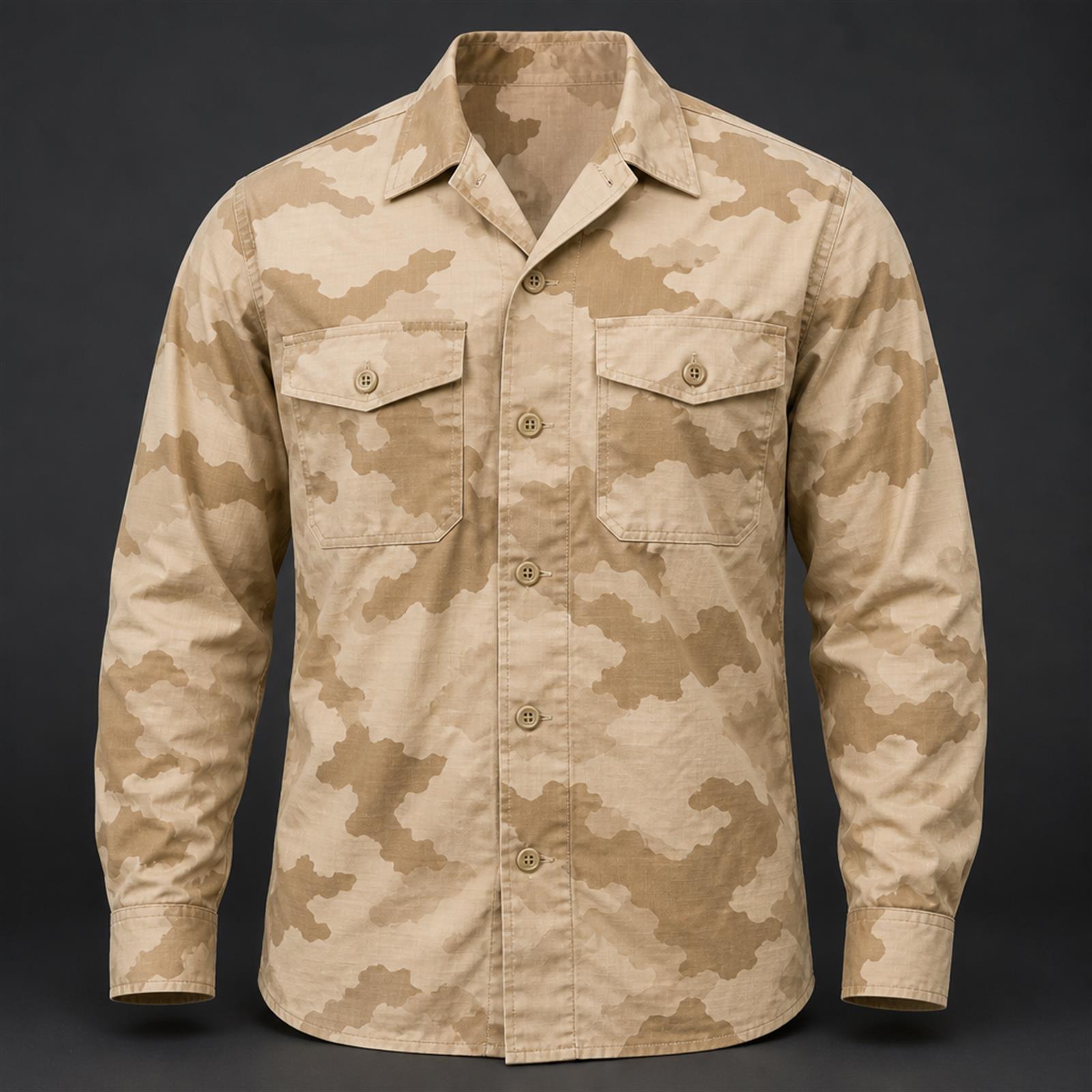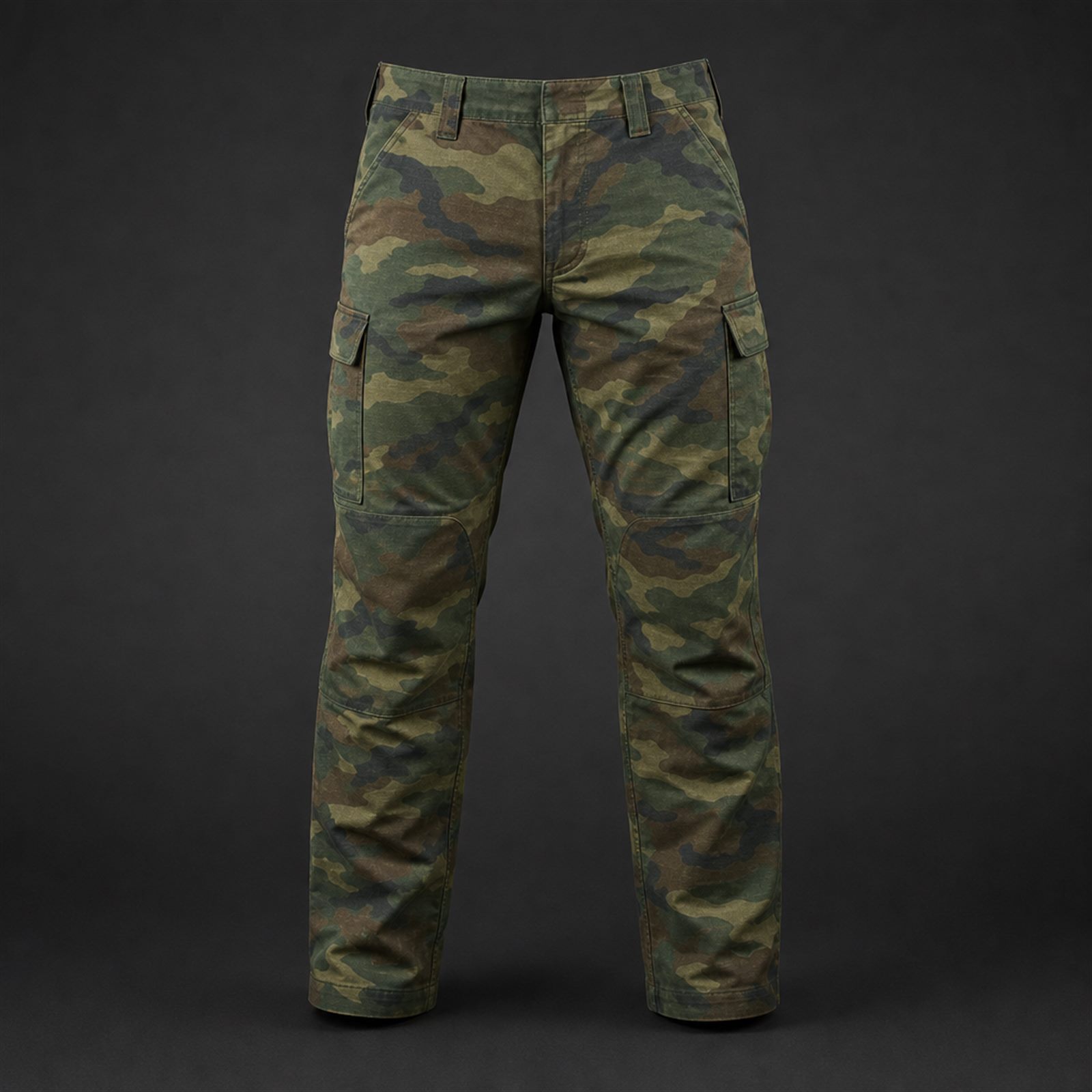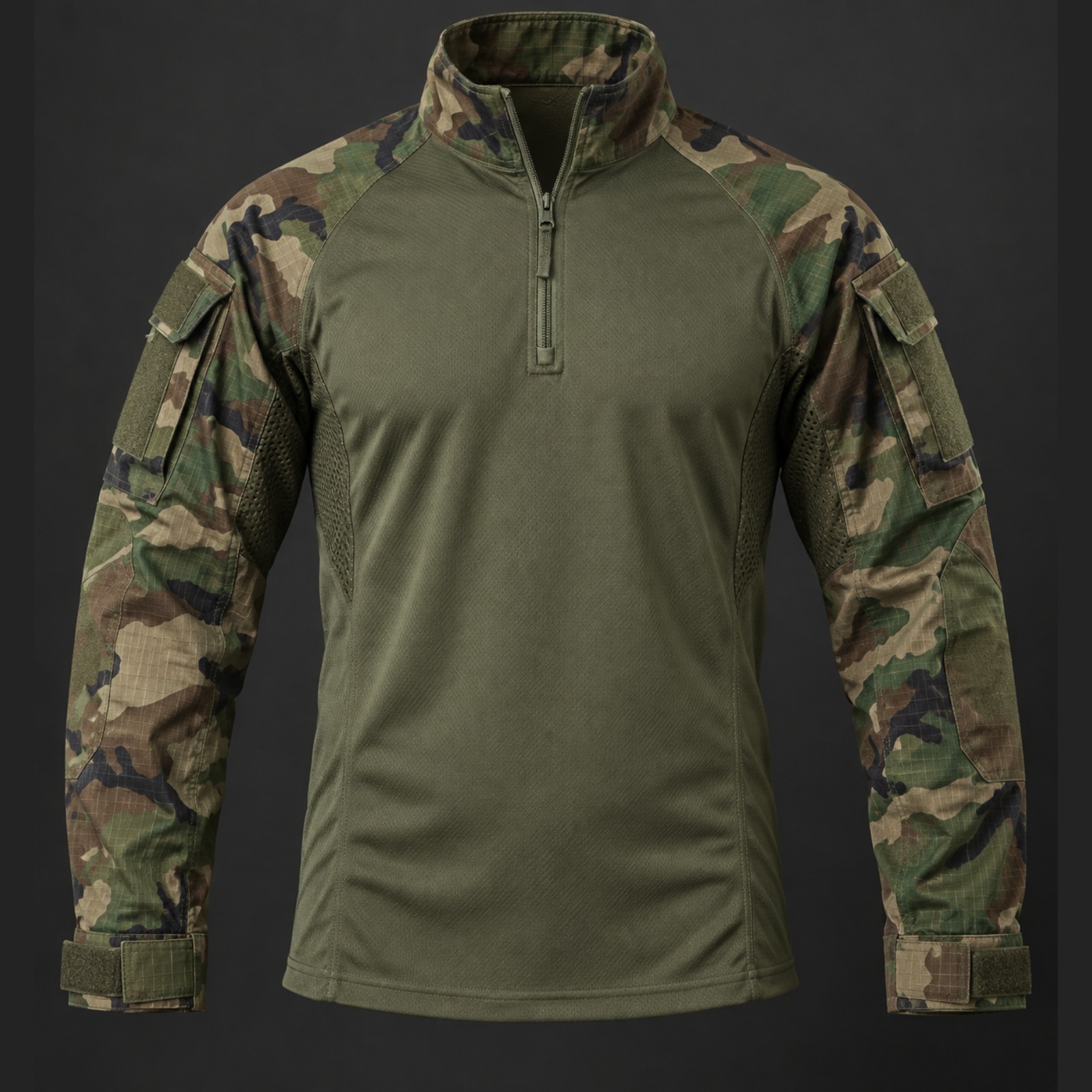
Combat Shirts
Hot Weather Combat Shirt
This garment exists to solve one problem: a combat shirt that can be worn through a full day of heat without becoming saturated and unusable.
HotTropical / HumidDesert
View productApplications
Tropical and humid conditions break a garment in ways that dry heat does not. When relative humidity stays high through the working day, sweat cannot evaporate efficiently, so the fabric stops behaving as protection and becomes the limiting factor instead. A thin garment that does not transport moisture will sit wet against the skin, gain weight, chafe, and still be damp when it is put on again. The same moisture that blocks cooling also feeds mildew and odour, which turns drying behaviour and hygiene into procurement requirements rather than comfort preferences. A specification written for this climate has to state how the fabric behaves when worn wet for a full shift, how quickly it sheds water, and what happens to the garment when it is packed damp between rotations. This section sets out the construction, fabric and finishing decisions that follow from restricted evaporation.

Gallery
Conditions
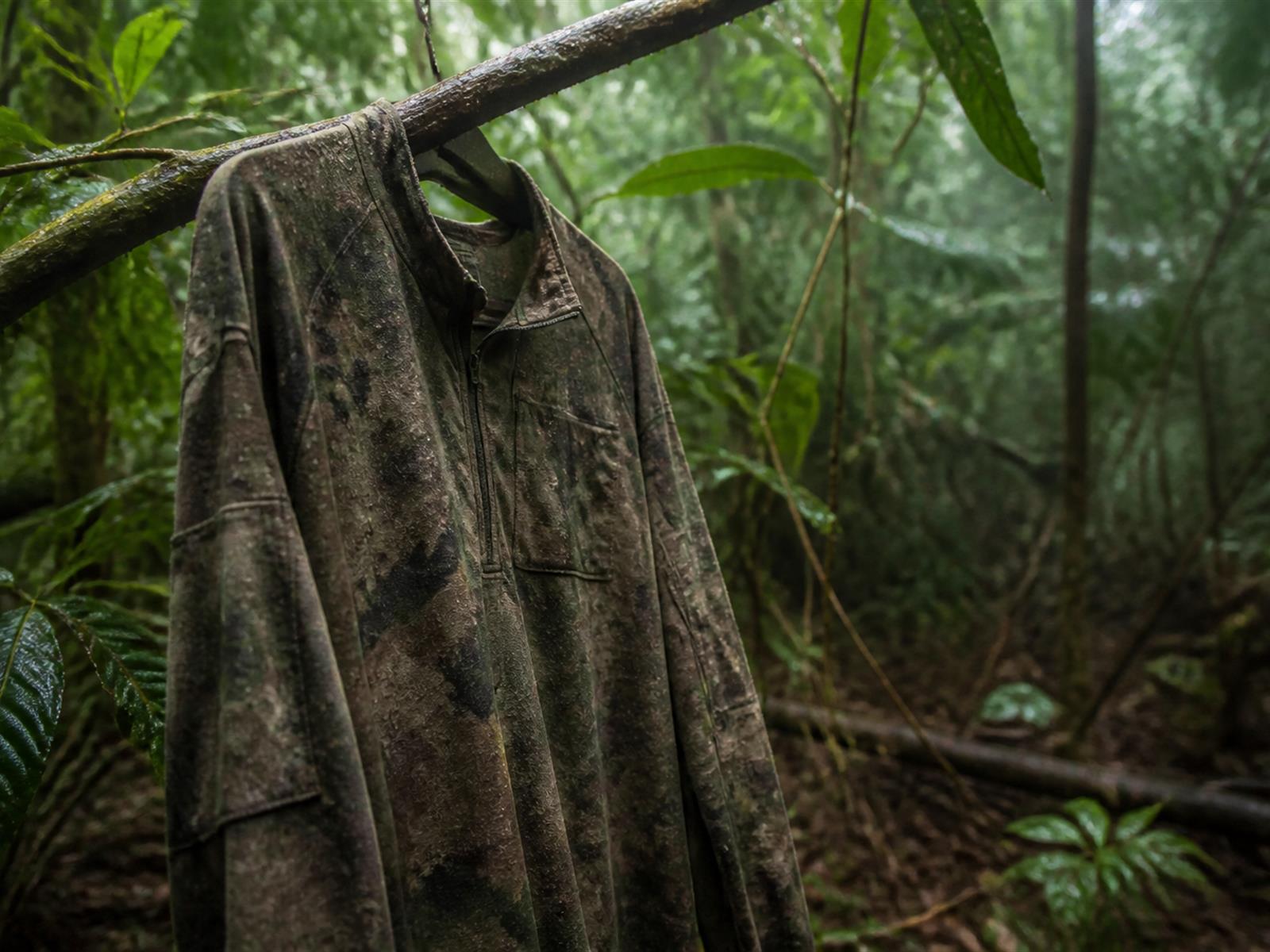
Relative humidity is high for most of the working day, so evaporation is restricted and heat stress cannot be managed by airflow alone. Temperatures are warm to hot with little useful relief in the evening, and rainfall is frequent and heavy when it comes. The environment also promotes biological growth, so fabric that stays damp becomes a mildew and odour problem as well as a comfort problem.
Design priorities
These are the requirements that drive the specification. When they conflict with each other — and they usually do — the trade-off has to be decided by the buyer, not assumed by the manufacturer.
In humid heat the body produces sweat that will not readily evaporate. The garment's job shifts from allowing airflow to actively moving liquid moisture away from the skin and releasing it to the air, which is a fabric and construction problem rather than a weight problem.
A tropical uniform is typically worn again within a day. If the garment is still damp at that point it is cold, heavy and a hygiene risk. Drying behaviour has to be written into the specification as an expectation, not assumed from fabric weight.
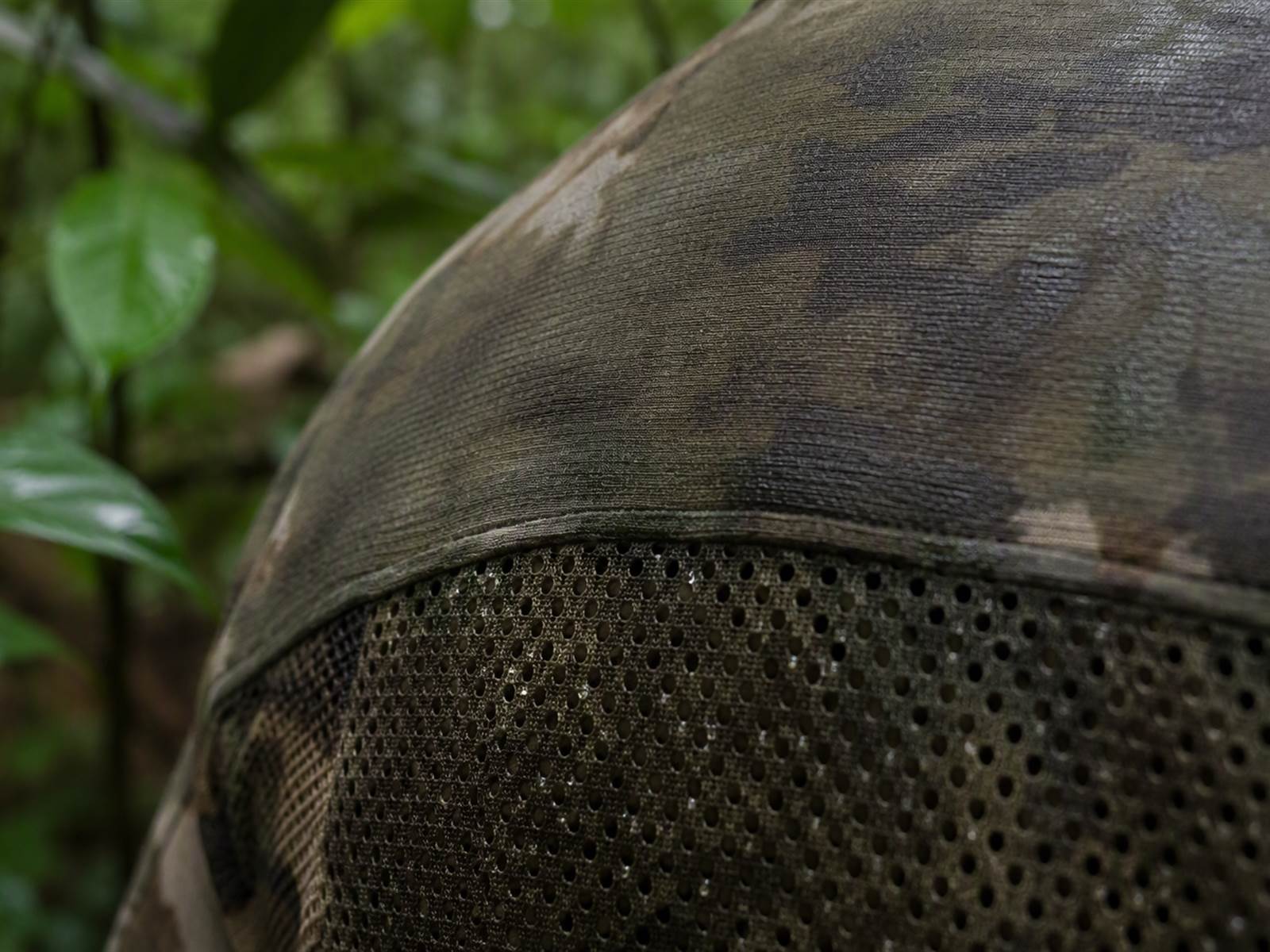
The panel that touches the skin decides whether sweat is drawn away or held against the body. Torso panels are usually selected separately from sleeve and trouser panels for this reason.
Warm, damp fabric stored in a bag or locker will grow odour and mildew. This is managed through drying speed, construction that does not trap water in linings or padding, and finishing options confirmed per programme.
A garment that feels acceptable dry can become heavy and clingy once wet. Water uptake of the fabric, the trims and any foam or padding should be considered together rather than only at the dry weight stage.
Humidity reduces endurance, and a pattern that binds at the shoulder or knee compounds it. Articulation and gussets matter more here because the wearer is already working near their limit.
Buyer problems
These are the complaints that reach us from buyers already selling into these conditions. Every one of them is a specification decision that was made before production, not a manufacturing accident.
Garment strategy
The same category of garment is built differently in each environment. These are the construction decisions that change.
Design for wet wear, not dry wear
Assume the garment will be worn damp for part of every day. That changes which panels are allowed to be heavy, where linings are acceptable, and how pockets are built, because anything that traps water becomes a liability in service.
Keep ventilation open even in rain
Ventilation is not a dry weather feature in the tropics. Openings placed where they are not covered by load carriage keep the moisture path working while the garment is wet, and they have to be sized so they do not become an entry point for rain.
Move reinforcement away from high sweat zones
The elbow, knee and pocket corner still need protection, but overlays placed over the back or centre torso hold water against the body. Reinforcement is positioned by function so durability does not cancel out drying.
Separate the skin facing layer from the abrasion layer
The fabric next to the skin manages moisture, while the outer face takes abrasion from equipment and ground contact. One fabric rarely does both well in humid heat, so the build splits by function instead of using a single cloth throughout.
Specify drying, laundering and odour together
These three interact. A finish that helps control odour can affect drying behaviour and may wash out at a different rate, so the expectation for each has to be stated in the same clause set and confirmed against a wash routine agreed with the buyer.
Fabric strategy
Each material below is recommended for a stated reason, not as a generic option. Open any material to read where it performs and where it fails.
Material
Drying speed is the limiting factor in humid heat, so this is usually the reference cloth for trousers and shoulder season garments that get wet and are worn again.
Material
Selected for the panels that sit against the skin, where the priority is moving sweat away from the body rather than absorbing it.
Material
The usual starting point for torso panels in tropical builds, balanced against the abrasion the panel will actually see.
Material
Used where mobility is limited and a plain woven panel would bind, particularly in builds that must stay light when wet.
Material
Reserved for the knee, seat and shoulder where the panel has to survive abrasion while still moving with the wearer.
Construction
Where the specification should focus for this environment.
Products
Each product page carries the full material, construction and customization detail for this application.
Combat Shirts
This garment exists to solve one problem: a combat shirt that can be worn through a full day of heat without becoming saturated and unusable.
Hot Weather Tactical Clothing
In sustained heat the limiting factor is not durability, it is whether the wearer can keep working.
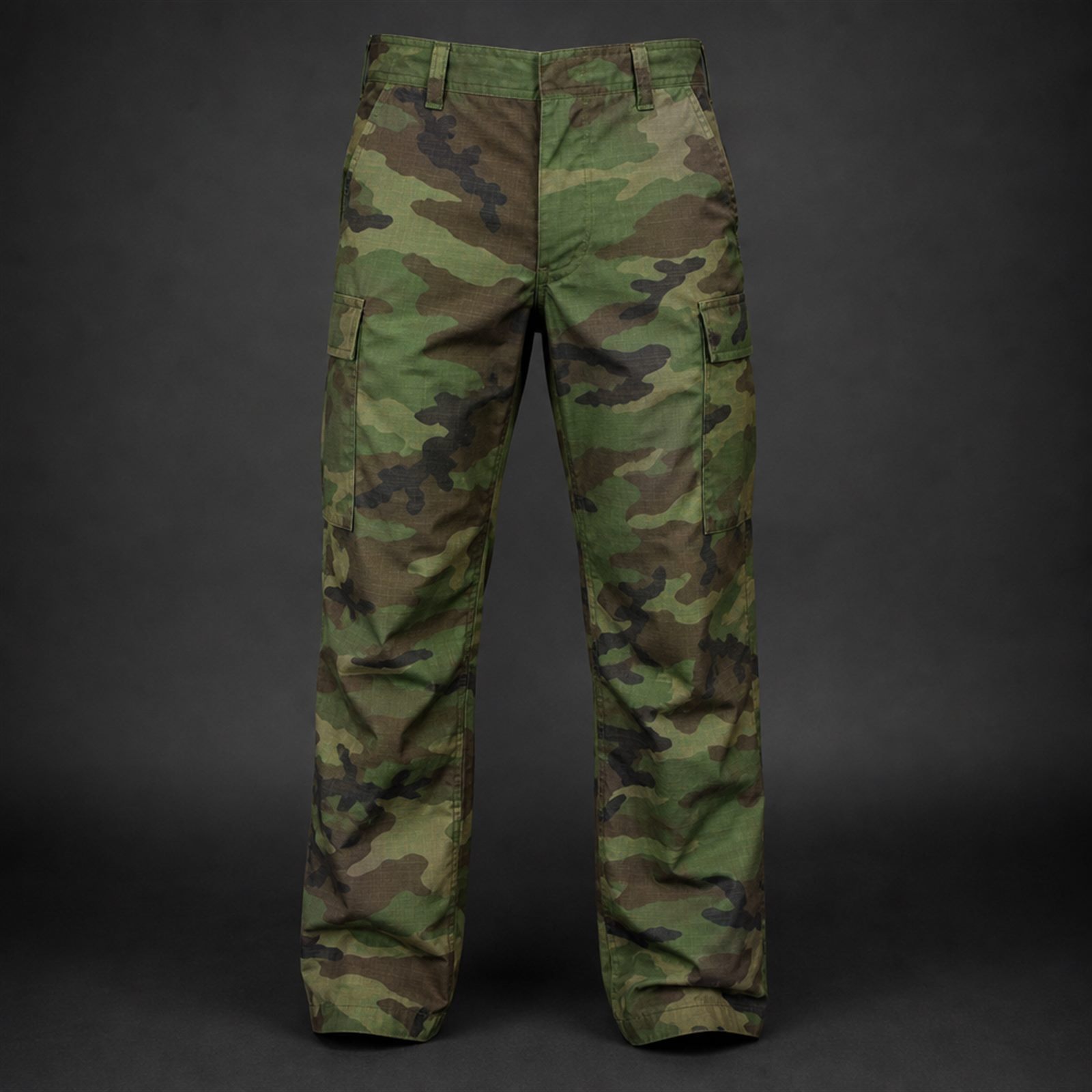
Tactical Pants
In sustained heat the limiting factor is not durability, it is whether the wearer can keep working.
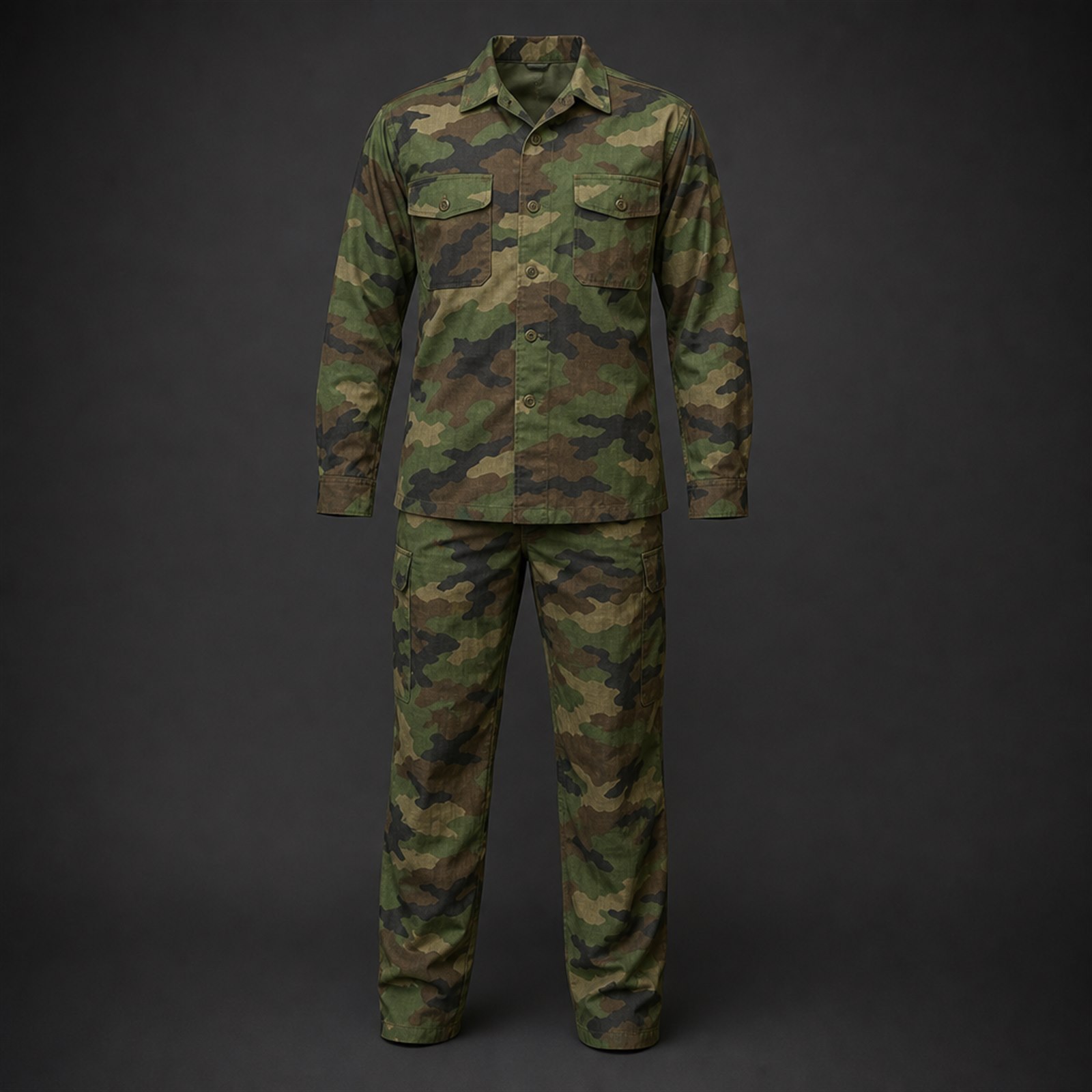
Tactical Uniform Sets
A uniform set is a specification problem that two separate garments do not have: the shirt and the pant have to behave as one system.
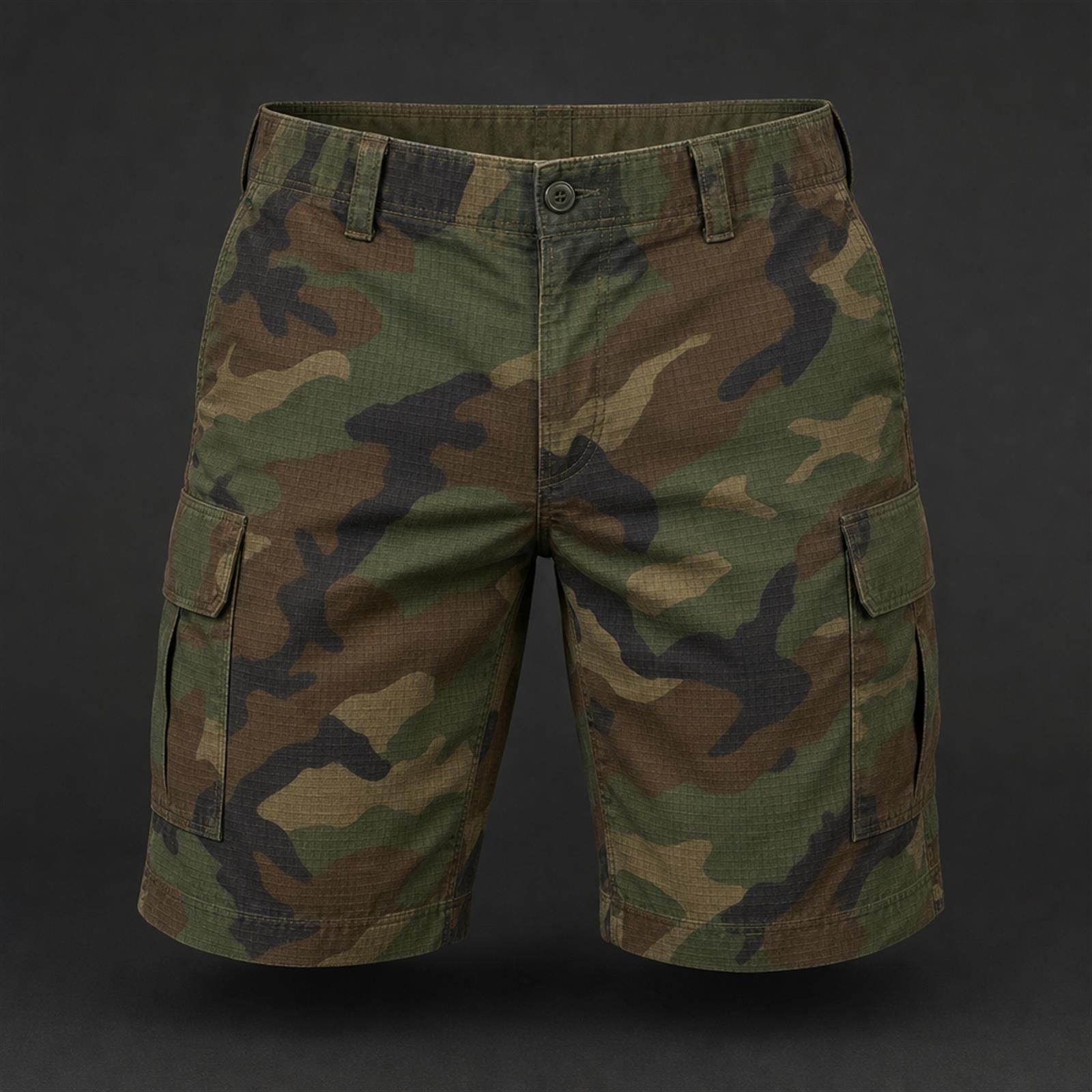
Tactical Shorts
Cargo shorts take more abuse than any other garment in a uniform programme: the most kneeling, the most laundering and the heaviest pockets.
Tactical Pants
Stretch in a tactical pant is a mobility decision with a durability bill attached.
FAQ
Dry heat allows sweat to evaporate, so airflow and light weight solve most of the problem. In humid heat evaporation is restricted, and the garment has to move liquid moisture and release it. A fabric chosen only for low weight has no mechanism for that, so it stays wet, gains weight and dries slowly. The correct specification follows the humidity, not the temperature.
Not necessarily, but the case for cotton has to be made on durability and comfort rather than breathability. Cotton holds water and dries slowly, which is a real penalty when a garment is worn again within a day. Where cotton is retained, it is normally blended and positioned in panels that take abrasion rather than in the panels next to the skin.
Most odour problems come from fabric staying damp rather than from the wearer. The first lever is construction and drying speed, so the garment sheds water and dries between uses. Beyond that, finishing and yarn options are available and are confirmed per programme against the wash routine the garment will receive, because that determines how long any treatment remains effective.
Yes, by splitting the garment by function instead of choosing one cloth. Moisture managing fabric is used where the garment meets the skin, and ripstop or stretch ripstop is used where it meets abrasion and ground contact. Targeted reinforcement is then limited to the points that actually fail, which keeps weight and water uptake under control.
We write it as a requirement with an agreed method: the garment must be wearable again after drying under stated conditions, and the test method and acceptance level are confirmed per programme, either against your existing uniform or against a standard you nominate. Where data is not yet available we say so and mark the clause as open rather than filling it with a figure.
Related Materials
Related Applications
Related Capabilities
Related Categories
Send the destination market, the season and how the garment will be worn. We will propose the specification and state the trade-offs, rather than recommending a single fabric with no context.