Materials
Stretch Ripstop Fabric for Tactical Pants and Combat Shirts
Stretch ripstop combines the tear containment of a ripstop grid with the movement of a stretch construction. It is the fabric most buyers reach for when a garment has to hold a knee or a shoulder through a deep crouch without restricting the wearer. The combination is not free: the grid restrains extension while the stretch yarns want to extend, and the balance between the two determines how much the garment moves, how well it recovers, and how much tear resistance has been given up. Stretch ripstop is a specification to be engineered against the wear pattern, not a generic upgrade.
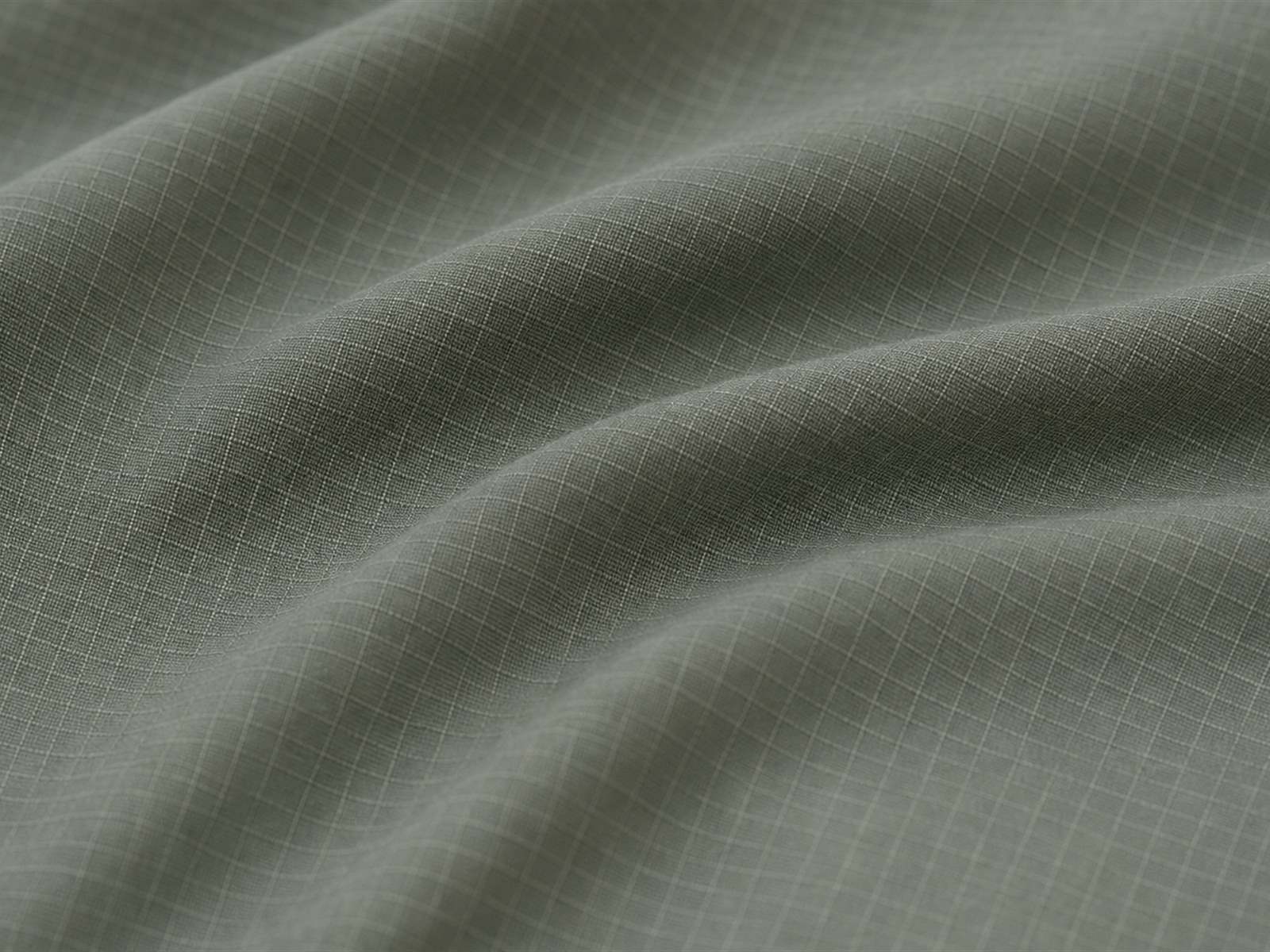
- Composition
- DATA REQUIRED
- Weight range
- DATA REQUIRED
- Best applications
- Heavy Duty / Field · Hot Weather · Desert · Cold Weather
Gallery
Stretch Ripstop in detail
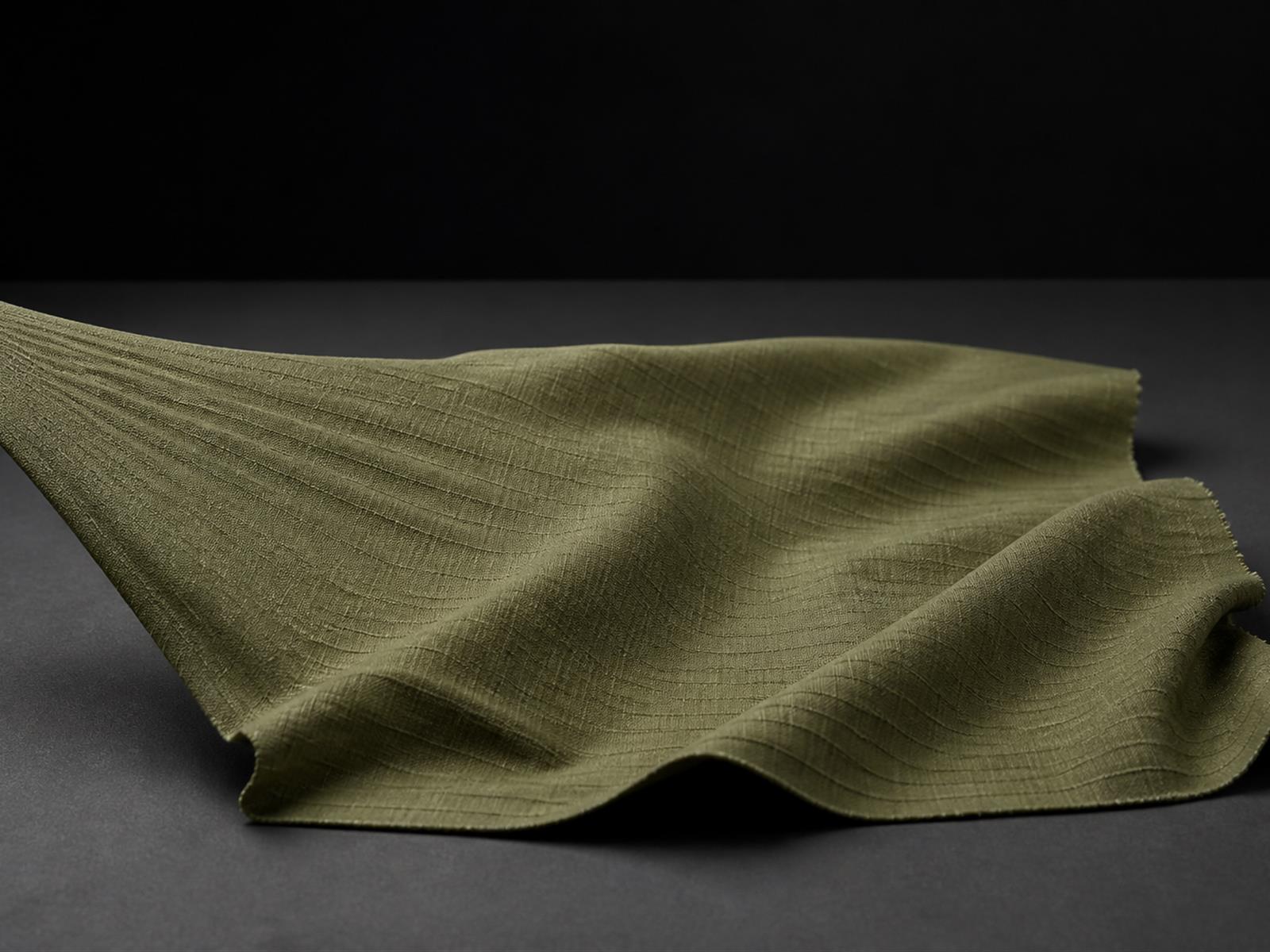
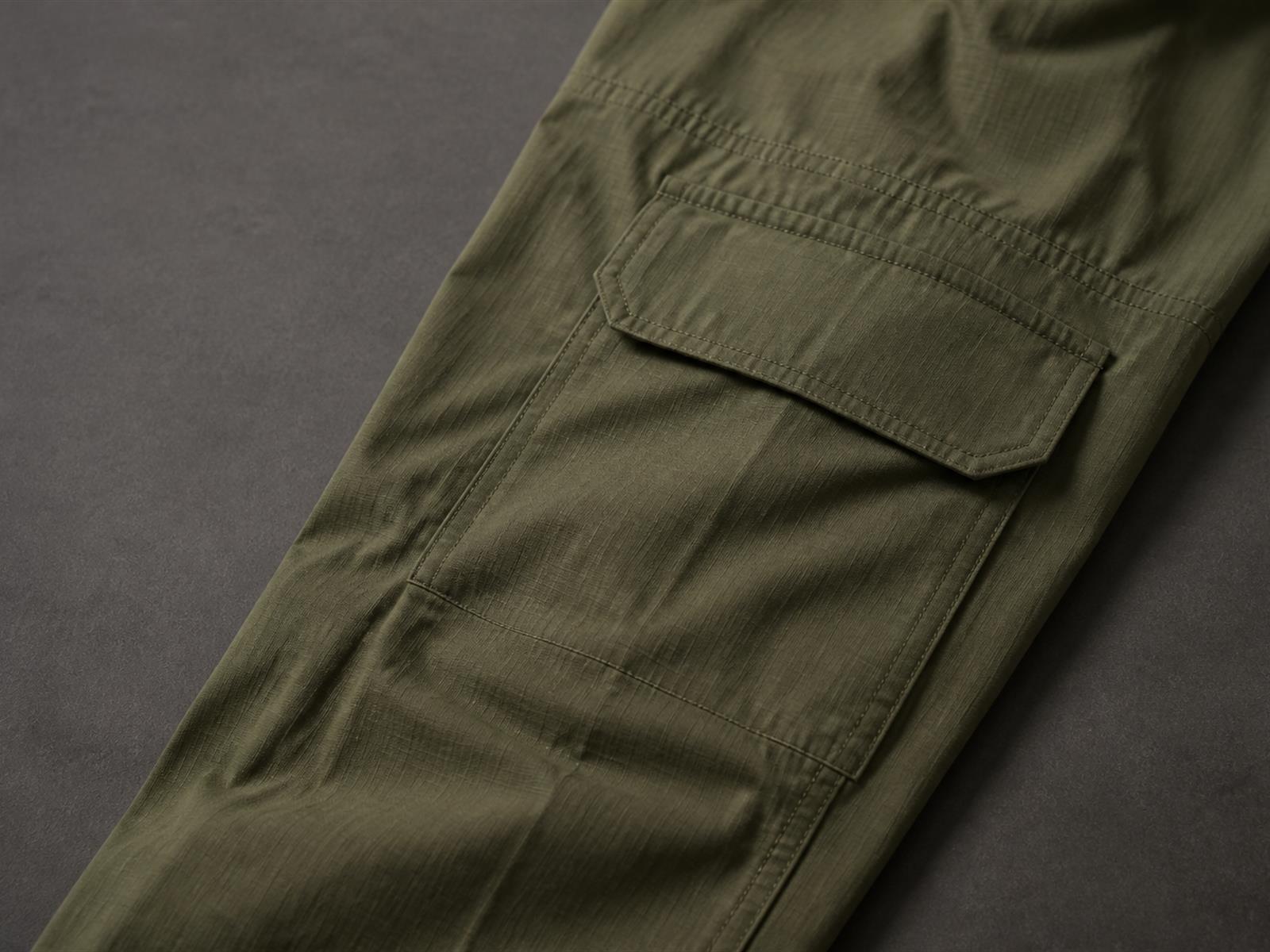
What it is
What is it?
A woven fabric that carries a ripstop grid and is built to extend and recover in at least one direction. Extension comes from elastic yarns in the structure or from a weave geometry that allows controlled yarn deflection. The grid remains the tear containment mechanism; the stretch element decides fit, comfort in movement and recovery after the garment is loaded.
Function
How it works
Two mechanisms act against each other in the same cloth. The ripstop grid interrupts tear paths, which raises tear resistance locally, but it also acts as a restraint on extension, so the grid scale and yarn tension set a ceiling on how much the fabric can stretch in the direction the grid crosses. The stretch itself comes from yarns that can elongate and recover, or from a weave where yarns deflect rather than straighten under load. Recovery is the critical property: a fabric that extends but does not return leaves permanent bagging at knees, seats and elbows, which is a fit failure rather than a comfort win.
Technical data
| Composition | DATA REQUIRED — not published until confirmed |
|---|---|
| Available weight range | DATA REQUIRED — confirmed per programme |
| Best applications | Heavy Duty / FieldHot WeatherDesertCold Weather |
We do not publish composition or weight figures we have not confirmed for a specific programme. Ask for the figures that apply to your product.
Advantages
Advantages
- Allows a garment to hold a crouch, a climb or a wide stance without the tight fit that a rigid woven requires, which reduces seam stress at the crotch and seat
- Grid tear containment is retained, so the fabric is still a ripstop rather than a light stretch woven
- A closer pattern can be used without restricting movement, which reduces excess fabric in high-snag areas such as cargo pockets
- Recovery, when properly engineered, keeps knee and seat panels from bagging during long wear
- Reduces the pull-through forces on seams and stitch lines that cause the classic fail points on rigid tactical trousers
- Compatible with solid dyeing and camouflage printing, so stretch panels can be integrated into an existing range without a separate visual language
Limitations
Limitations
- Wrong choice where maximum tear and abrasion resistance matter most: adding stretch into a woven generally reduces the resistance the grid is there to provide, so heavy-duty field trousers with extreme abrasion exposure are better served by a rigid ripstop
- Recovery is the weak point. Without confirmed recovery behaviour, stretch panels bag at knees and the seat, and the garment then looks worn out long before it is
- Stretch fabrics must be relaxed before cutting. If they are cut under tension, finished garment measurements move and size grading drifts
- Printed camouflage can distort on stretched panels, so pattern and print register have to be agreed rather than assumed
- Seams and hems can pucker or wave because the fabric extends while the thread does not; this has to be solved in construction, not in the fabric alone
- Higher material cost and more process control than a rigid ripstop, which only pays back where movement and fit are real requirements
Performance
Performance profile
The same material can be the right choice in one climate and the wrong choice in another; these are the trade-offs as they affect how Stretch Ripstop behaves in a garment.
Hot weather performance
Not a cooling fabric by itself; airflow and moisture handling depend on the base construction and weight. Its contribution in hot weather is fit: a closer garment moves with the body, rubs less and is less likely to be caught on kit. If airflow is the priority, a lightweight quick-dry or open-structure fabric is the correct specification instead.
Cold weather performance
Used as an outer or mid layer where movement matters, typically for climbing, vehicle work and cold-weather patrol. It adds no insulation of its own and needs an insulation layer beneath. The stretch is an advantage when the wearer is layered up, because a close-fitting outer does not fight the layers under it.
Durability
Abrasion performance depends mainly on the base yarn and construction, not on the stretch. The real durability question is recovery fatigue: repeatedly loaded panels either return to shape or gradually elongate. This has to be verified on the actual fabric, because a measured stretch figure alone says nothing about how the panel looks after a season.
Drying
Drying speed follows the fibre composition. Synthetic stretch constructions dry quickly and are suitable for field washing; blends with a high natural fibre content dry more slowly and hold moisture at the stretch panels. This should be stated in the specification rather than inferred from the word stretch.
Comfort
This is the fabric's purpose. A correctly specified stretch ripstop removes the restriction that makes rigid tactical trousers uncomfortable in a deep crouch and reduces pressure at the waist, seat and thighs. The cost is a slightly more technical hand and a greater need for careful cutting and sewing.
OEM options
OEM options for this material
The 6 points that can be specified when Stretch Ripstop is written into your programme.
- Stretch direction and extent developed around the garment's actual movement needs rather than applied uniformly
- Recovery behaviour confirmed on the fabric before bulk, since it is the property that decides service life at knees and seat
- Relaxation and cutting procedure agreed with production so finished measurements match the approved size chart
- Grid scale and weave confirmed so the grid does not become the constraint that limits the intended stretch
- Camouflage printing with a register standard approved on the stretched state of the fabric, not on a relaxed swatch
- Construction solutions for stretch panels such as seam types, thread selection and hem handling developed during sampling
Care
Care considerations
- Wash according to the buyer's care label; heat is the main risk to recovery and should be controlled
- Avoid uncontrolled high-temperature tumble drying, which can reduce recovery and distort panels
- Print and finished-garment measurements should be checked after the first home wash as part of the approval process, not only on a new sample
- Any topical finish must be matched with care instructions that preserve it, or the stated performance will drop
Recommended garments
Where this material is used
Products in our range where Stretch Ripstop is a realistic specification option, drawn from 4 candidate builds.
Product
Stretch Tactical Pants
Stretch in a tactical pant is a mobility decision with a durability bill attached.
Product
Ripstop Tactical Pants
A tactical pant is judged by three things: whether the crotch survives, whether the knee holds up, and whether the waist still fits the same after a full day of movement.
Product
Ripstop Combat Shirt
Ripstop is not a single fabric, it is a weave construction.
Product
Hot Weather Tactical Pants
In sustained heat the limiting factor is not durability, it is whether the wearer can keep working.
FAQ
Stretch Ripstop FAQ
Does stretch ripstop tear as easily as rigid ripstop?
Generally not, and that is the trade-off. The grid still contains tears, but the stretch element changes how the structure behaves under load. If your failure mode is tearing and abrasion in extreme field use, a rigid ripstop is the safer specification.
Why do stretch tactical pants bag at the knees?
Because the fabric extended and did not recover. Recovery, not stretch percentage, decides whether a knee panel keeps its shape. It has to be confirmed on the actual fabric and after wash cycles, not assumed from a swatch in a showroom.
Should stretch panels be used everywhere in a garment?
No. Stretch is used where movement and seam stress concentrate, such as the crotch, seat, knees and the upper back. Putting it everywhere raises cost and reduces abrasion resistance where it is actually needed.
Will camouflage printing distort on a stretch fabric?
It can, because the panel moves during printing and during wear. The register standard should be approved on the fabric in its stretched state, and the print should be checked on the finished garment rather than on a flat swatch.
Do I need a different size chart for stretch garments?
You need a different tolerance approach. Stretch fabric relaxes and can grow, so production must relax it before cutting and finished measurements must be approved against the size chart with that behaviour taken into account.
Related Products
Related Applications
Related Capabilities
Related Categories
Request this material against your specification
Tell us the garment, the climate and the wear pattern. We will confirm what is available for your programme and state clearly which figures are confirmed and which still need data.