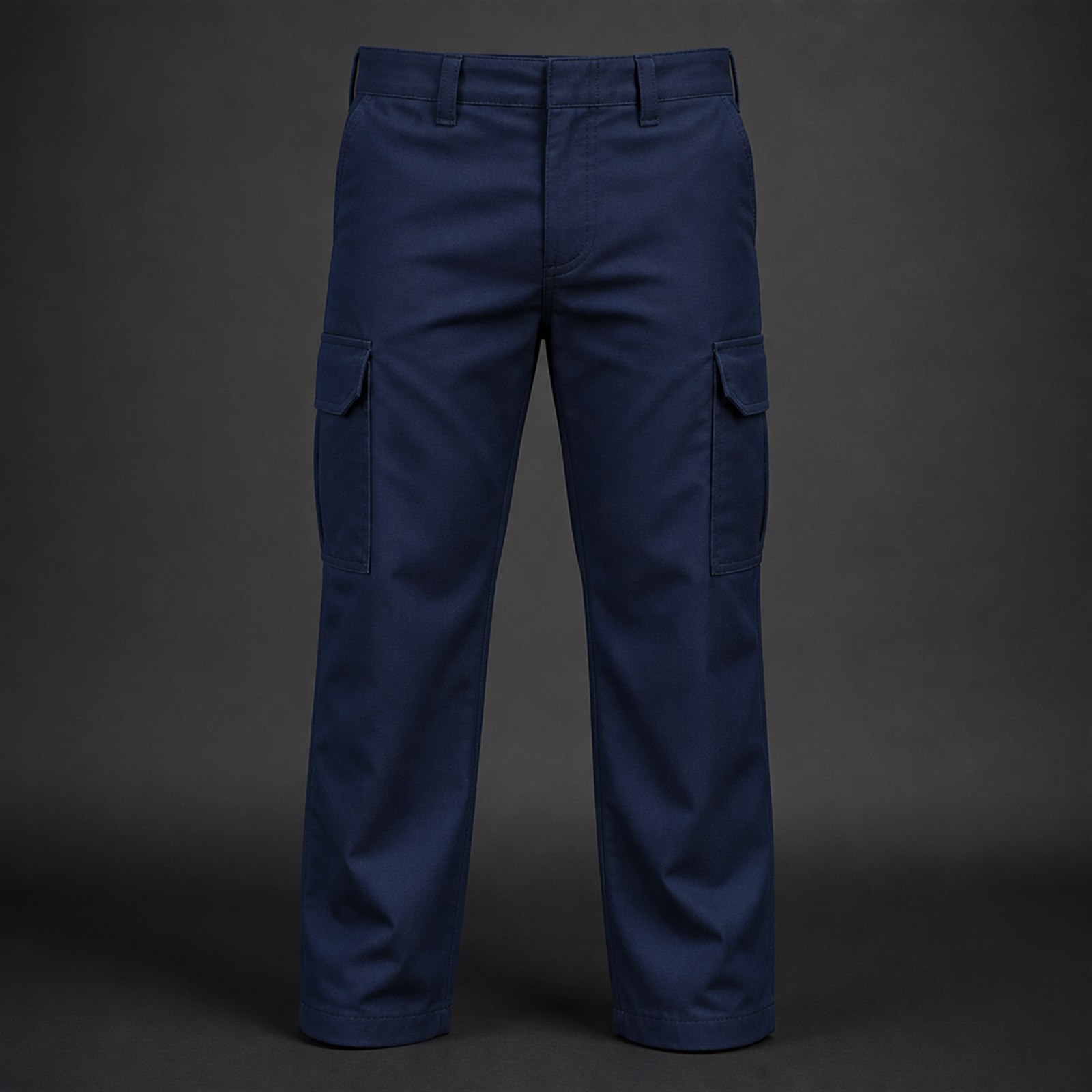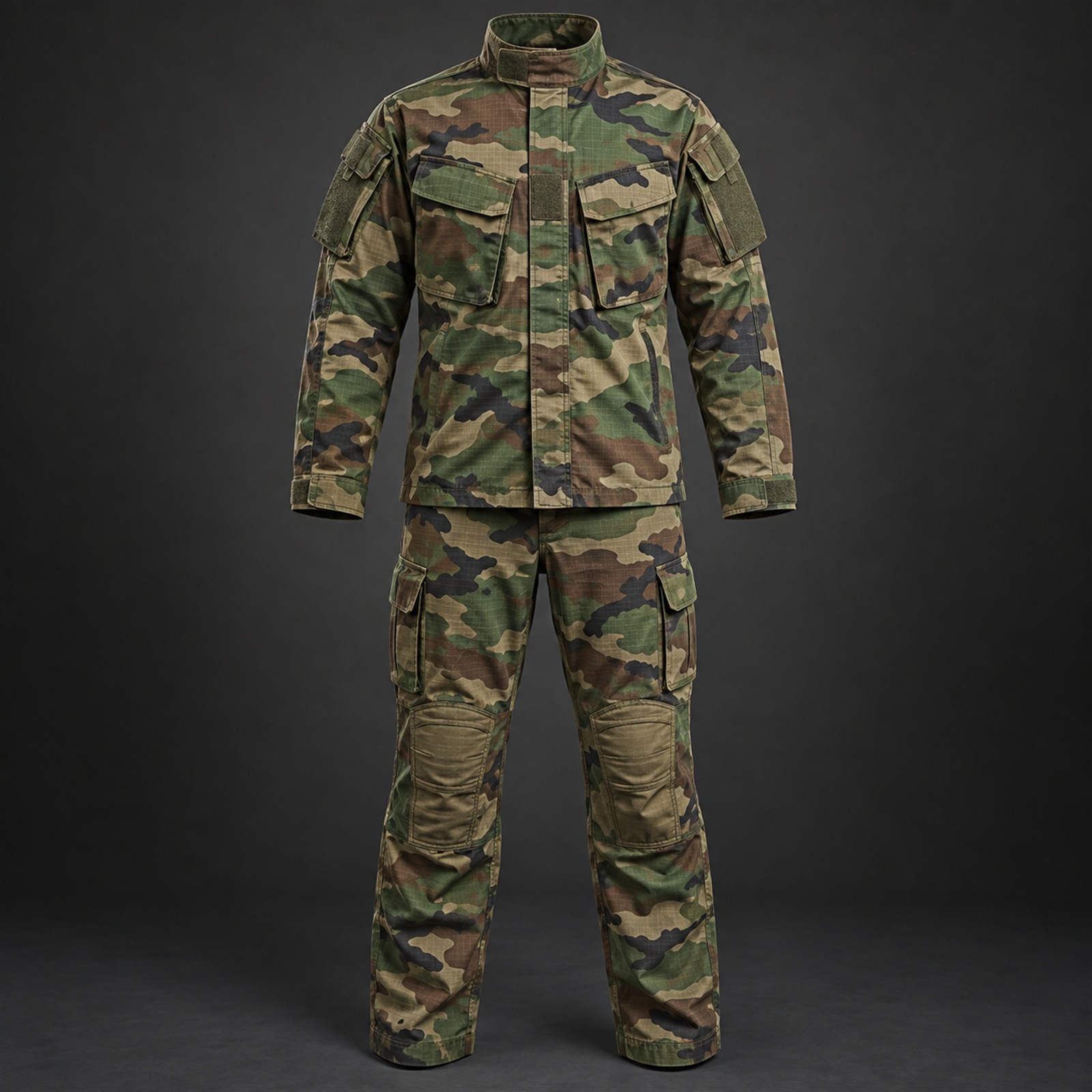
Camouflage Uniforms
Camouflage Uniform Set
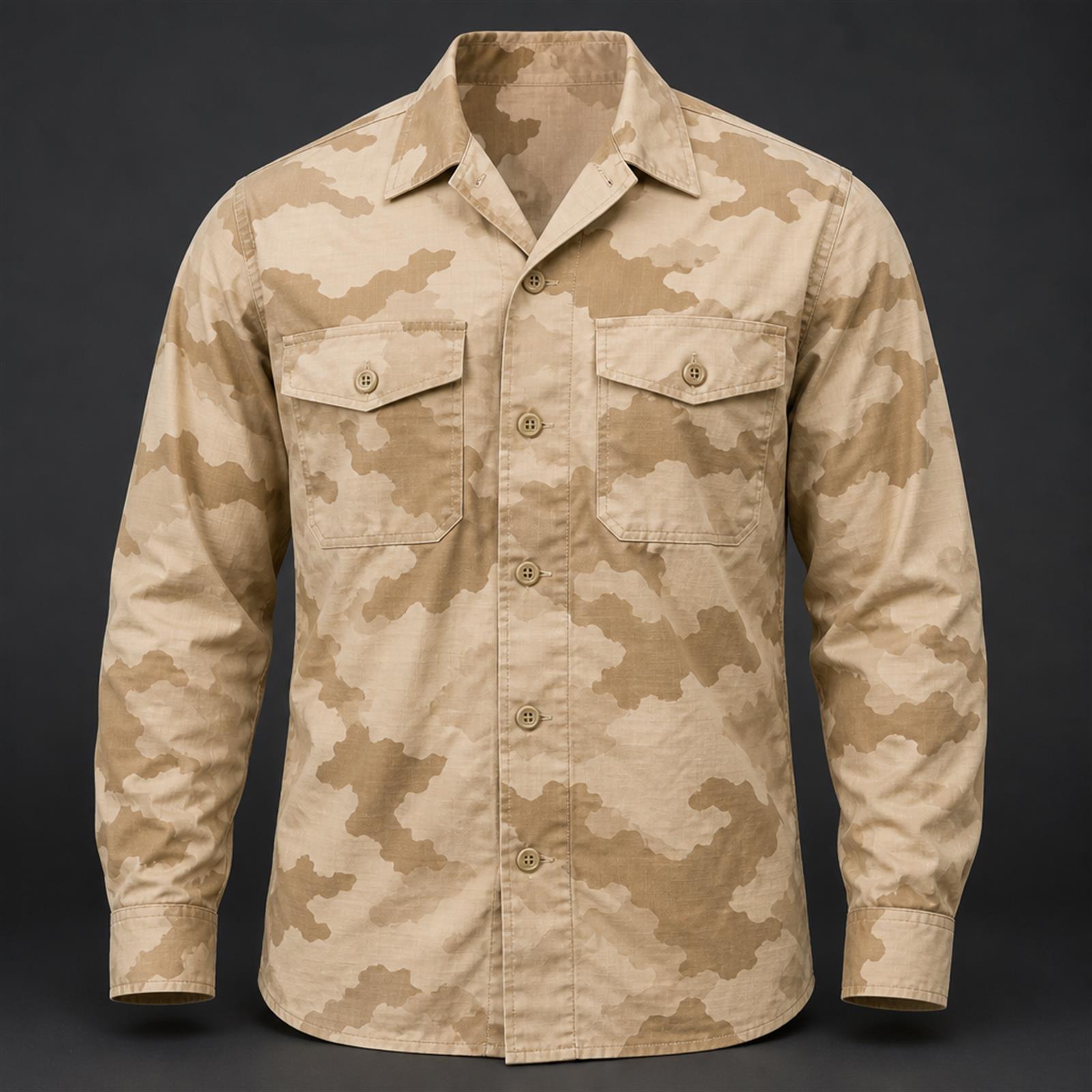
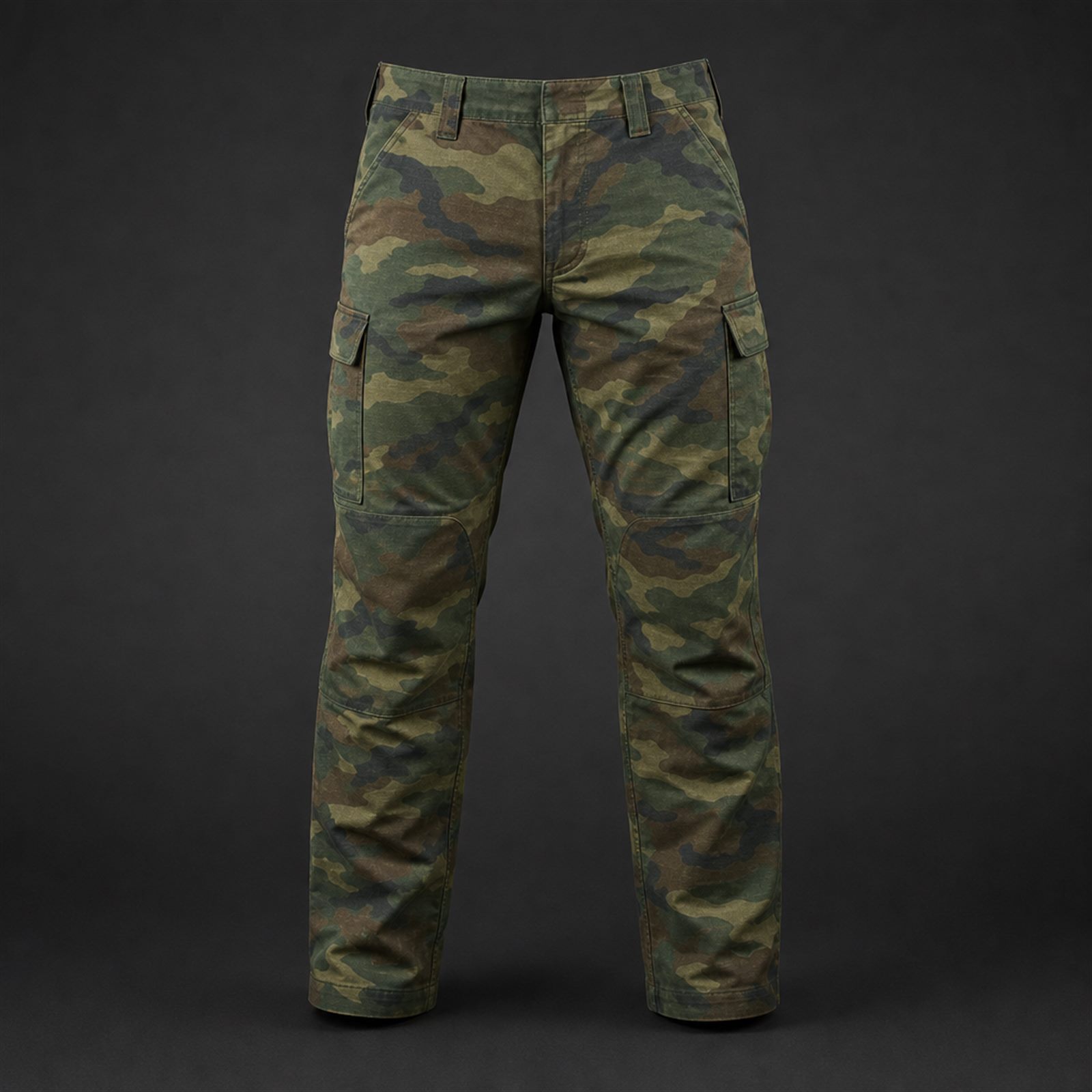
A camouflage uniform set is judged on the print before it is judged on anything else.
TemperateTropical / HumidVariable / layered use
View productApplications
Hot weather is not one condition. Dry desert heat and humid tropical heat place opposite demands on a garment, and a specification that works in one will fail in the other. In dry heat the priority is protection from sun and abrasion with enough airflow to allow sweat to evaporate. In humid heat sweat cannot evaporate efficiently, so the fabric has to move moisture away from the skin and dry quickly rather than simply be thin. This section covers how garment construction, fabric selection and reinforcement decisions change when heat is the dominant constraint, and how those decisions should be written into a specification.
Gallery
Conditions
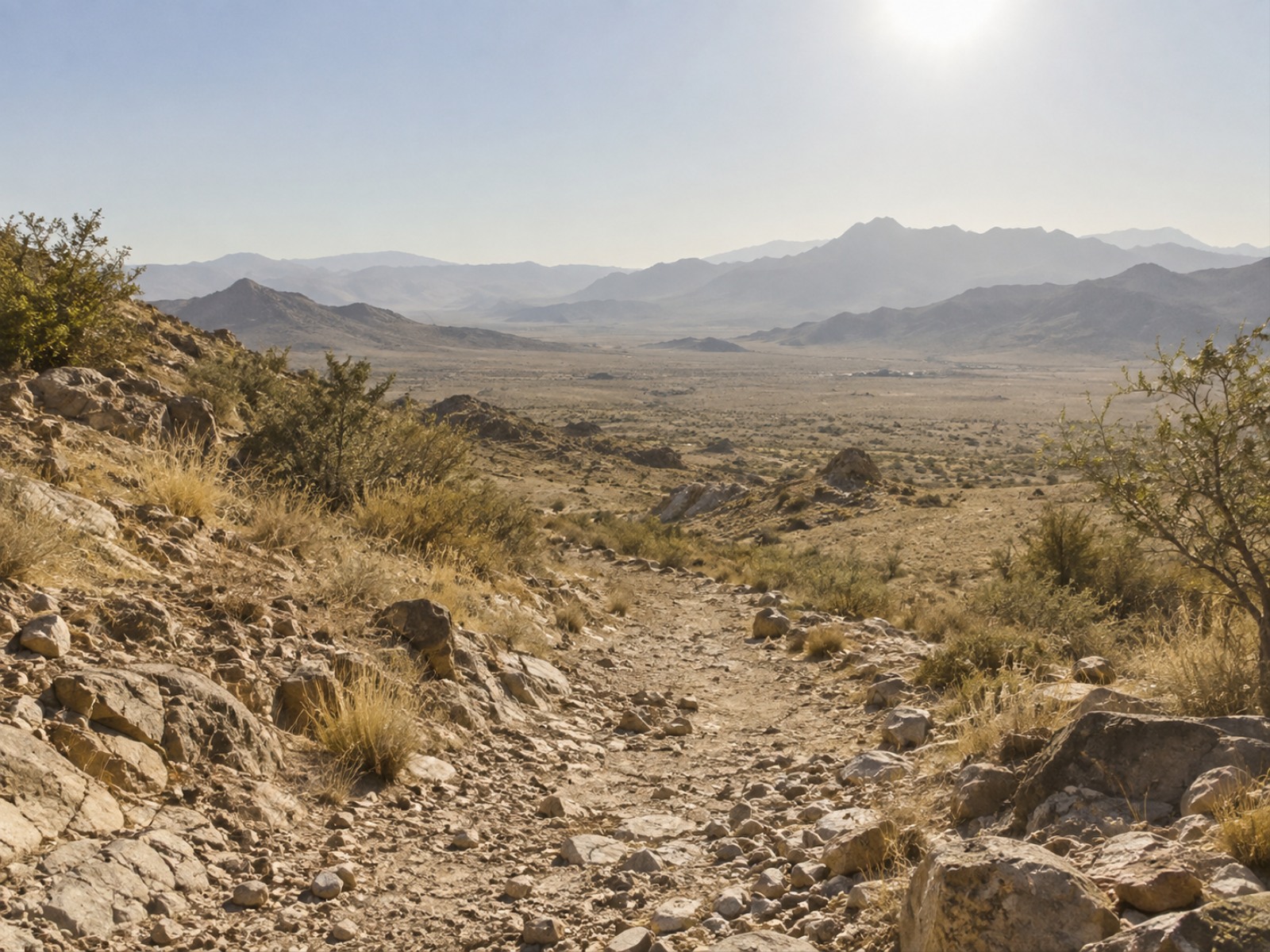
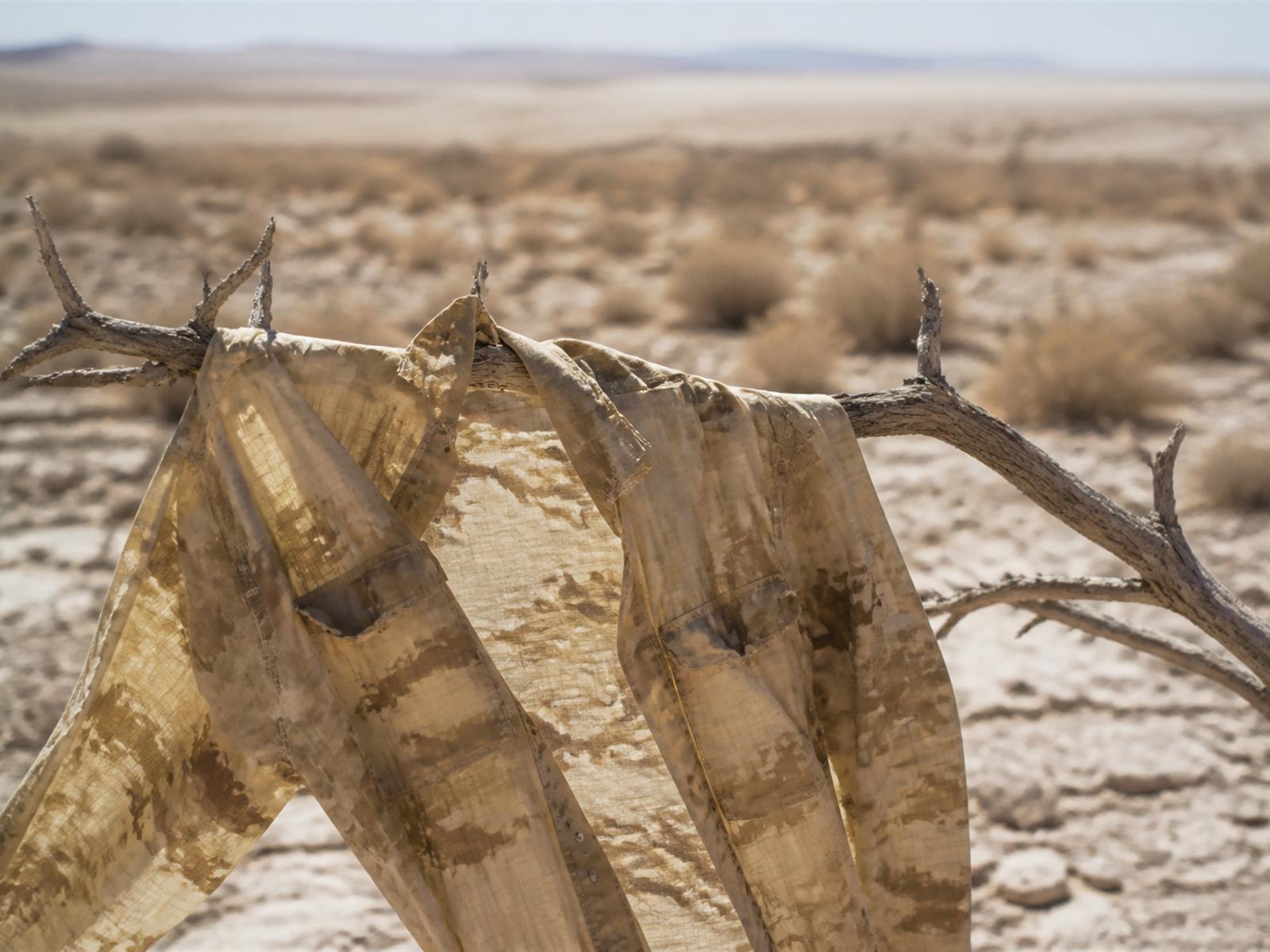
Ambient temperature is high and heat stress is the limiting factor on how long a garment can be worn. In dry heat, low humidity allows evaporative cooling and dust is a real factor. In humid heat, evaporation is restricted and fabric drying behaviour becomes critical. Both environments punish heavy layered construction and poor ventilation.
Design priorities
These are the requirements that drive the specification. When they conflict with each other — and they usually do — the trade-off has to be decided by the buyer, not assumed by the manufacturer.
Every unnecessary panel adds weight and traps heat. Hot weather builds reduce panel count, avoid heavy linings and keep reinforcement limited to the points that genuinely contact the ground or equipment.
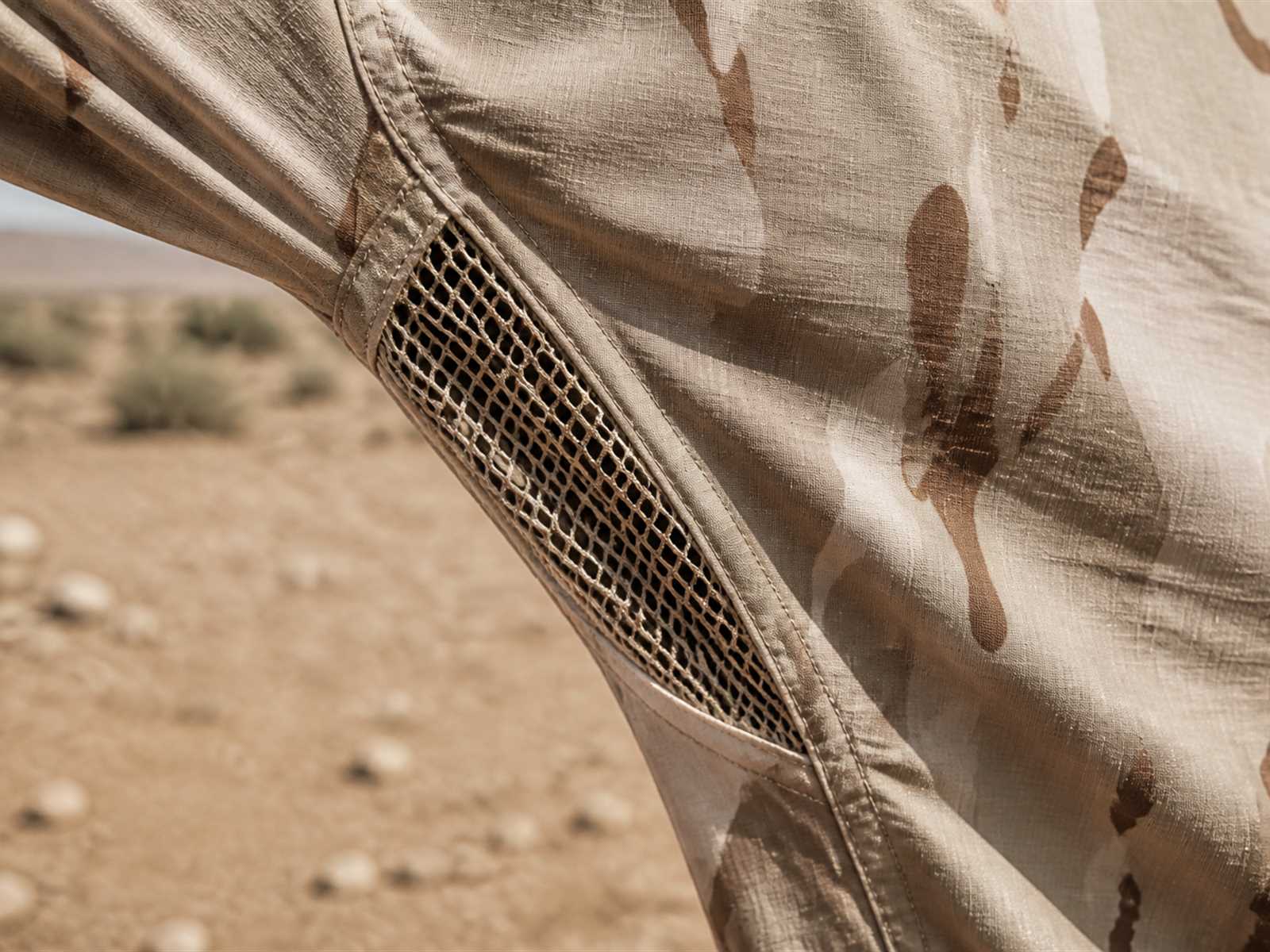
Airflow through the garment is what allows heat to leave the body. This is influenced by fabric structure, panel placement and whether ventilation openings are designed in at the placket, underarm or back.
In humid conditions a garment that stays wet is a garment that stays heavy and uncomfortable. Drying behaviour should be an explicit specification item, not an assumption.
The fabric adjacent to the skin decides whether sweat is moved away or held against the body. This is why torso and base layer fabrics are selected separately from sleeve and trouser fabrics.
Heat limits endurance, and restricted movement makes it worse. Gussets, stretch panels and a pattern that does not bind at the shoulder or knee matter more in heat than in cold.
In desert environments a fabric that is too light loses abrasion resistance and colour stability. The answer is a lighter fabric engineered for the job, not simply the thinnest fabric available.
Buyer problems
These are the complaints that reach us from buyers already selling into these conditions. Every one of them is a specification decision that was made before production, not a manufacturing accident.
Garment strategy
The same category of garment is built differently in each environment. These are the construction decisions that change.
Separate the heat zone from the wear zone
The torso manages heat and moisture; the sleeves, knees and seat take abrasion. A single fabric cannot do both well in hot weather, so the construction splits by function rather than using one material throughout.
Design ventilation in, do not rely on thinness alone
A slightly heavier fabric with designed ventilation can outperform a lighter fabric with no airflow path. Placket height, underarm panels and back ventilation are construction decisions with measurable effect.
Keep reinforcement targeted
Reinforce the elbow, the knee and the pocket corner rather than the whole panel. Targeted reinforcement preserves mobility and weight while protecting the points that actually fail.
Specify drying, not just weight
Two fabrics of the same weight can dry in very different times. Stating the drying expectation in the specification prevents a batch that meets the weight target but fails the usage requirement.
Lock colour performance into the standard
Sun exposure is intense in hot climates. Colour fastness requirements should be agreed in the specification so the buyer is not comparing a faded batch against an unfaded standard later.
Fabric strategy
Each material below is recommended for a stated reason, not as a generic option. Open any material to read where it performs and where it fails.
Material
Drying behaviour is the limiting factor in humid heat, and quick dry fabrics are selected when a garment has to be worn again after washing or rain.
Material
Used where the fabric sits directly against the skin and sweat needs to move away from the body rather than stay against it.
Material
The default starting point for torso panels in hot and tropical builds, balanced against abrasion requirements at contact points.
Material
Retained for sleeves and trousers in dry heat where abrasion resistance and colour stability outweigh the drying penalty.
Material
Used at knees, seat and shoulder where mobility is the constraint and the fabric still has to survive abrasion.
Construction
Where the specification should focus for this environment.
Products
Each product page carries the full material, construction and customization detail for this application.
Camouflage Uniforms
A camouflage uniform set is judged on the print before it is judged on anything else.
Combat Shirts
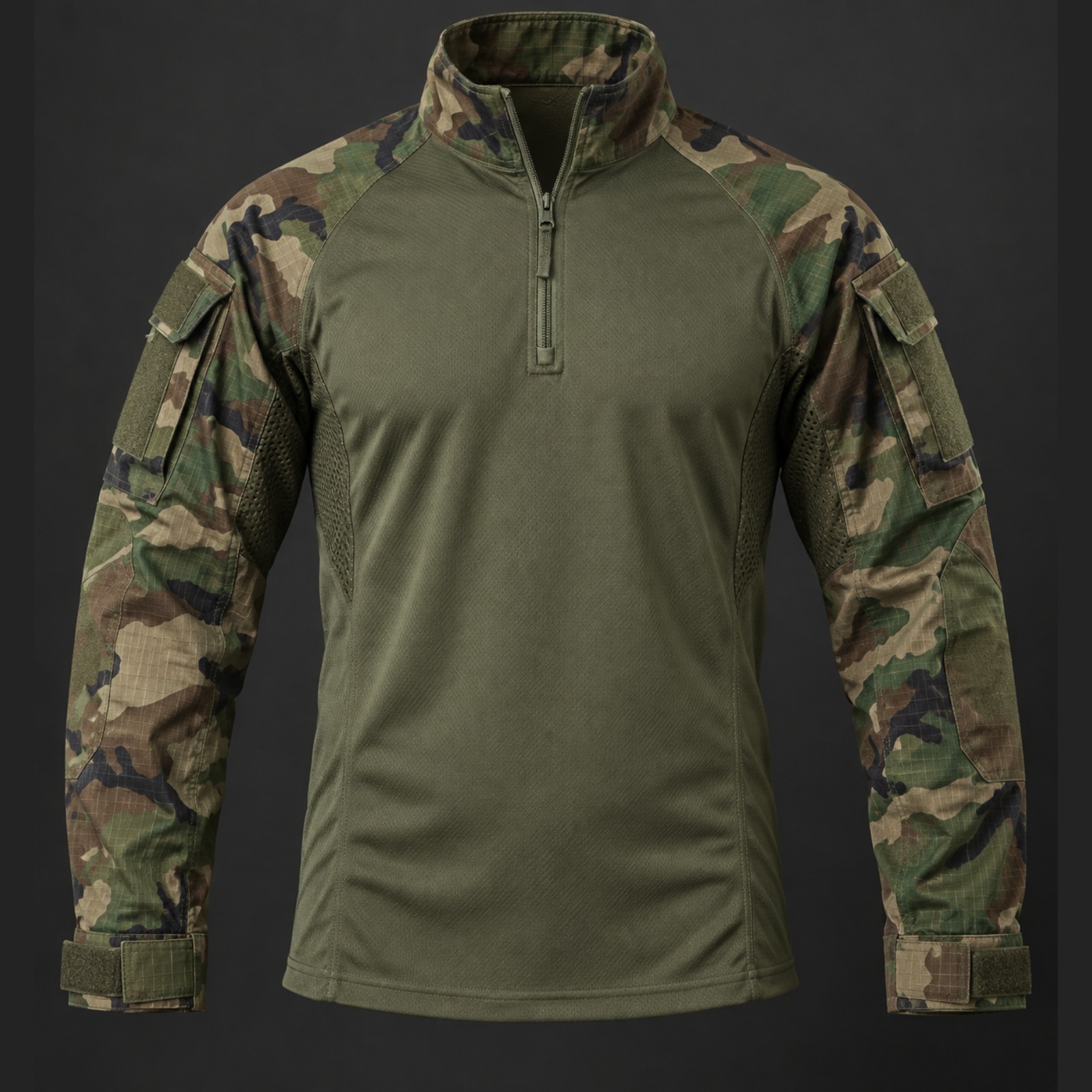
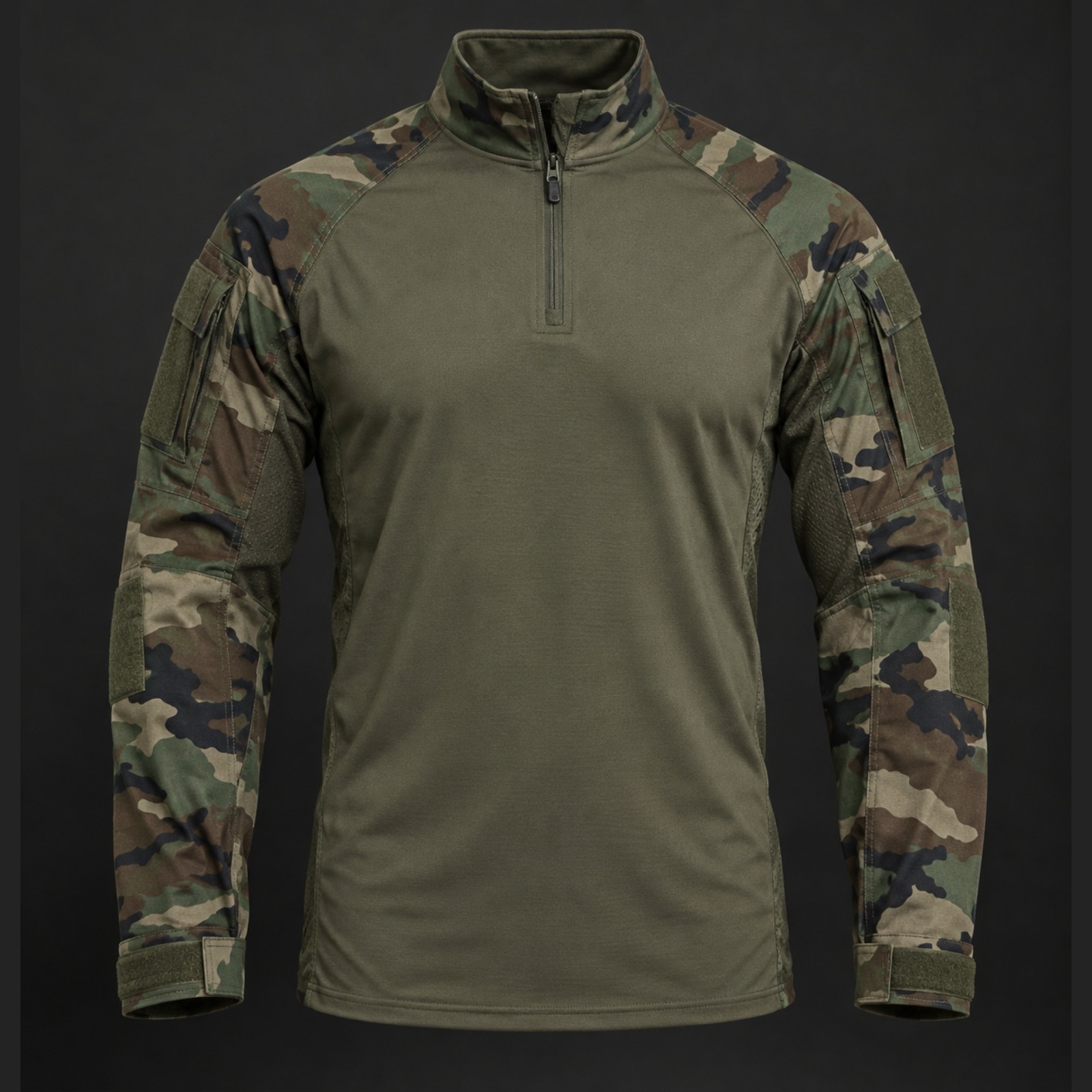
This garment exists to solve one problem: a combat shirt that can be worn through a full day of heat without becoming saturated and unusable.
Hot Weather Tactical Clothing
In sustained heat the limiting factor is not durability, it is whether the wearer can keep working.
Tactical Pants
In sustained heat the limiting factor is not durability, it is whether the wearer can keep working.
Tactical Uniform Sets
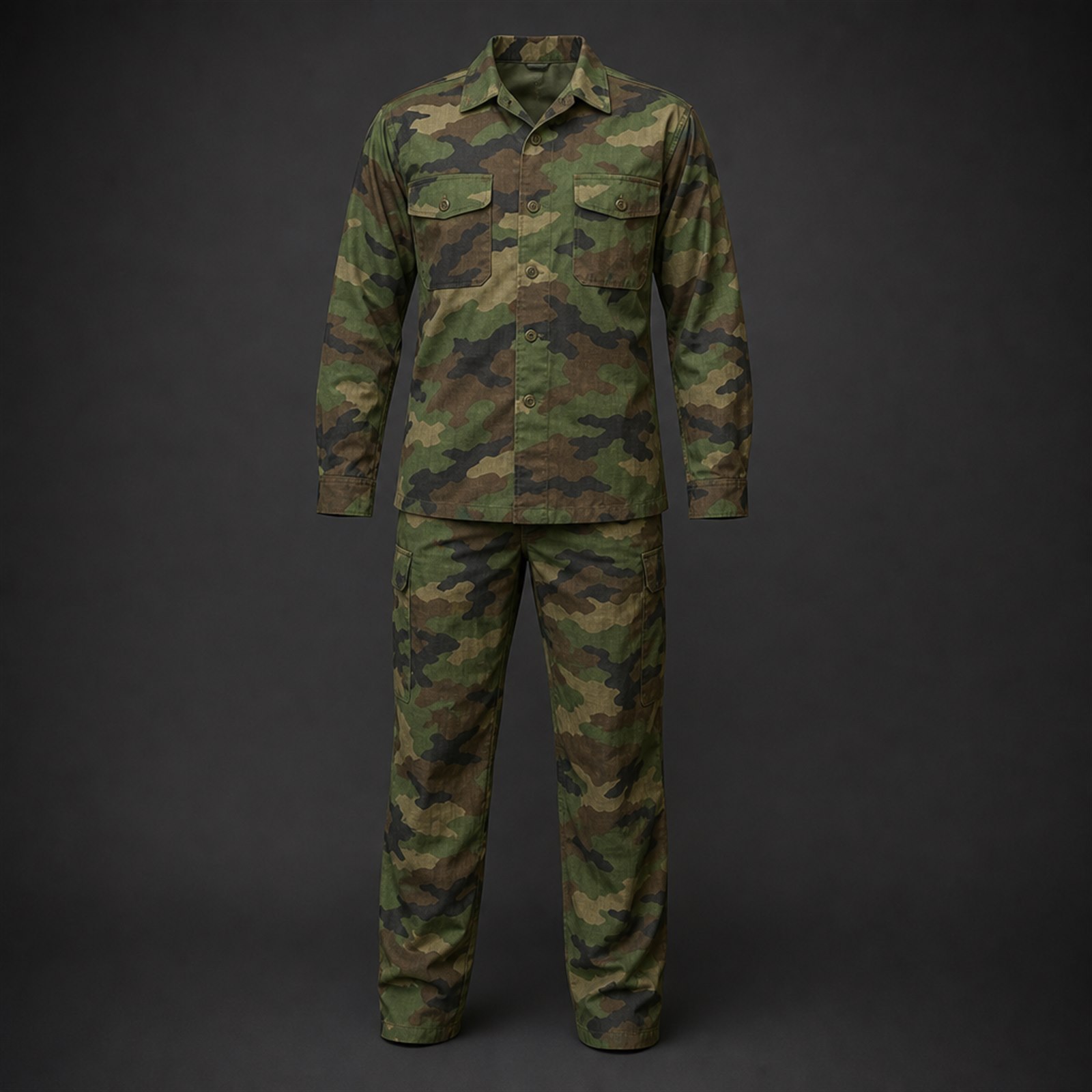
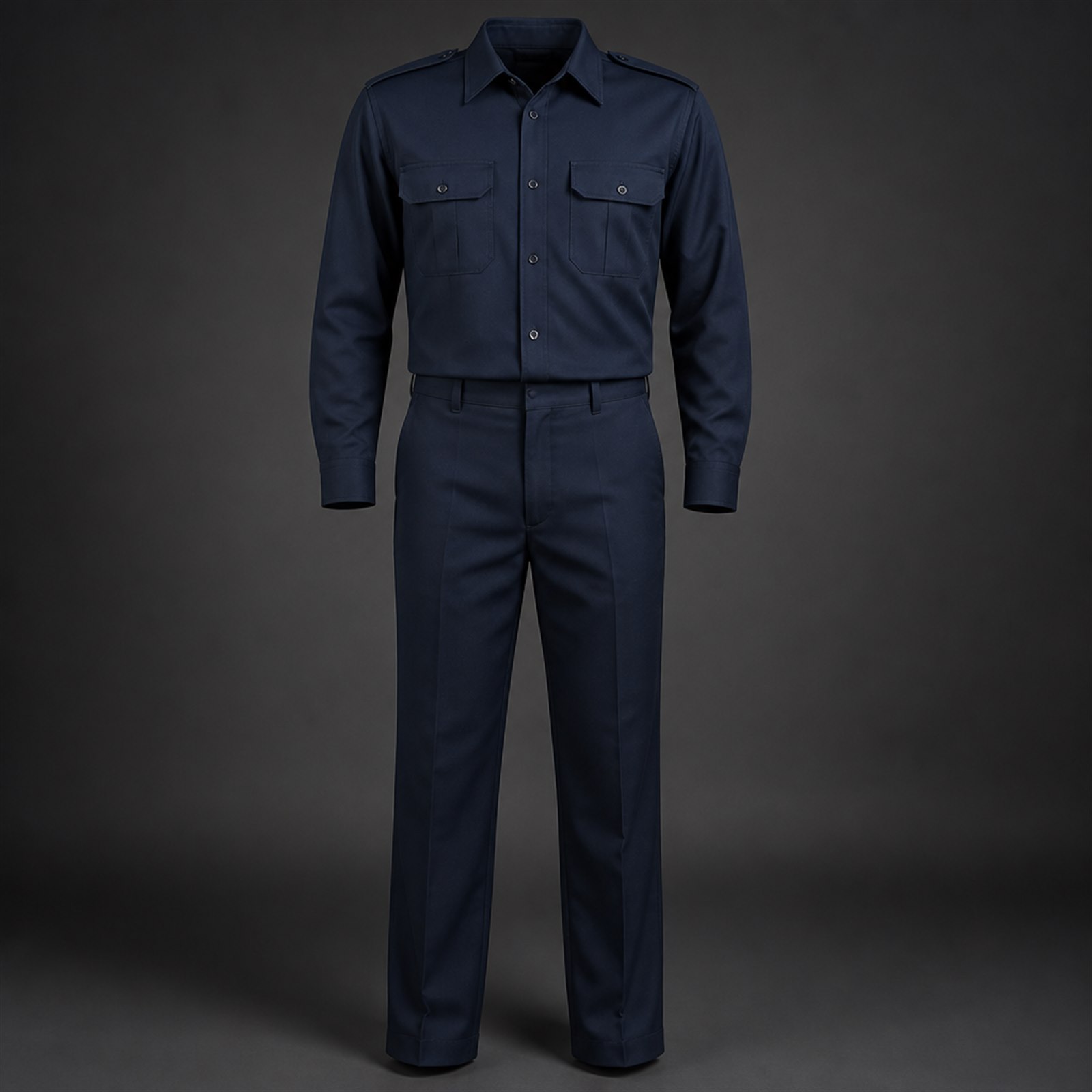
A uniform set is a specification problem that two separate garments do not have: the shirt and the pant have to behave as one system.
Tactical Bags & Packs
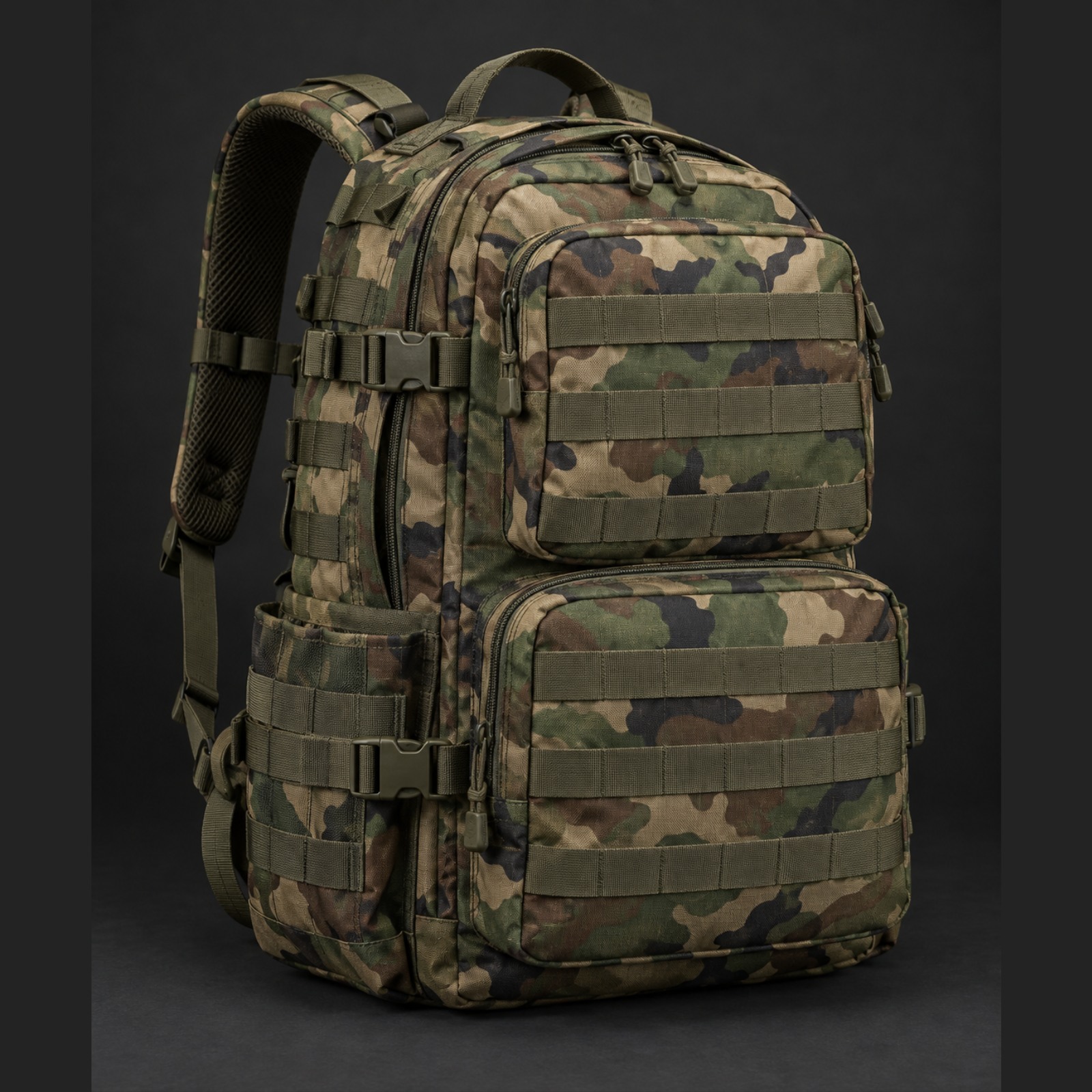
A pack is judged twice: once when the buyer hangs their own pouches on it, and once at the end of a season when the shoulder straps have carried weight every day.
Tactical Shorts
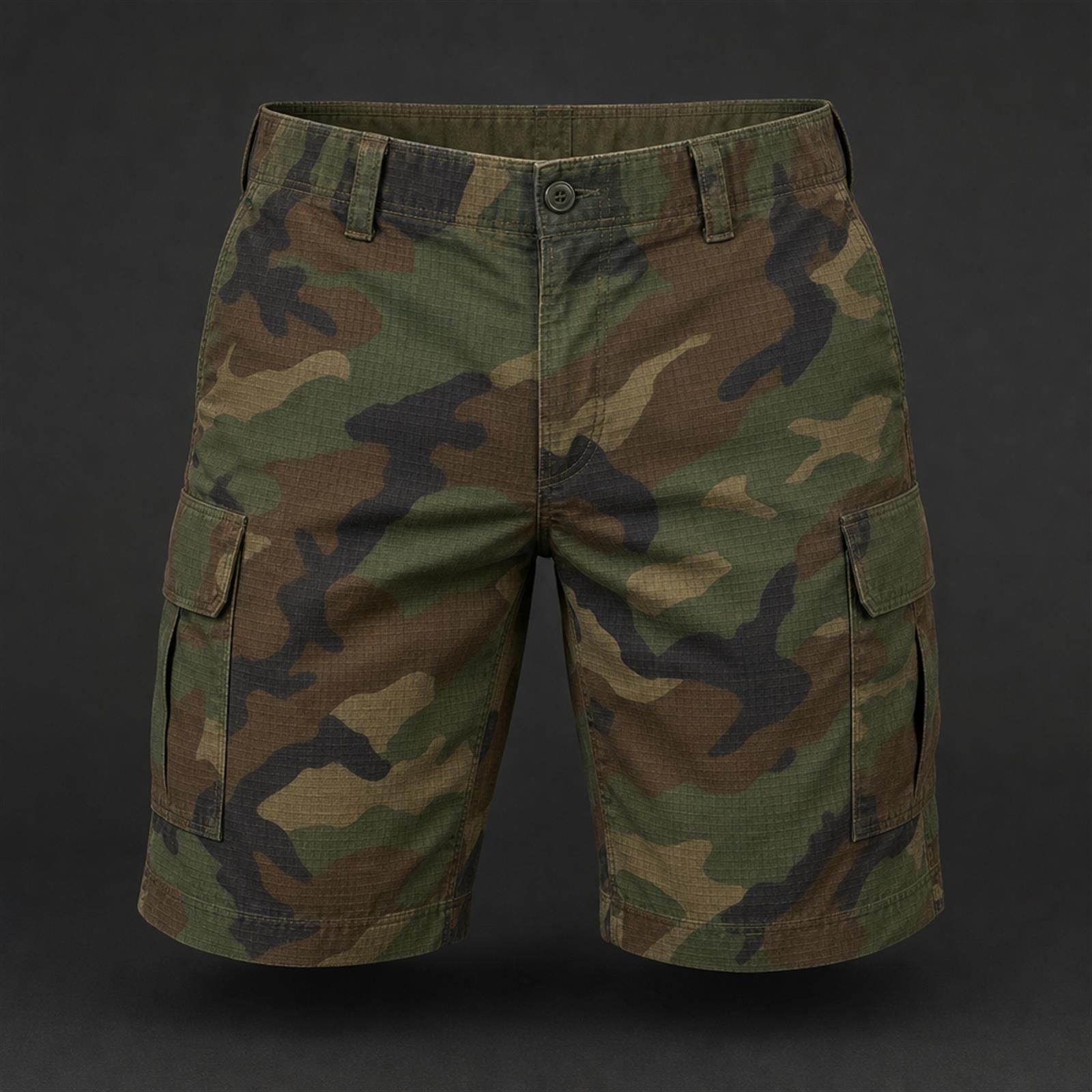
Cargo shorts take more abuse than any other garment in a uniform programme: the most kneeling, the most laundering and the heaviest pockets.
Combat Shirts
Ripstop is not a single fabric, it is a weave construction.
Tactical Pants
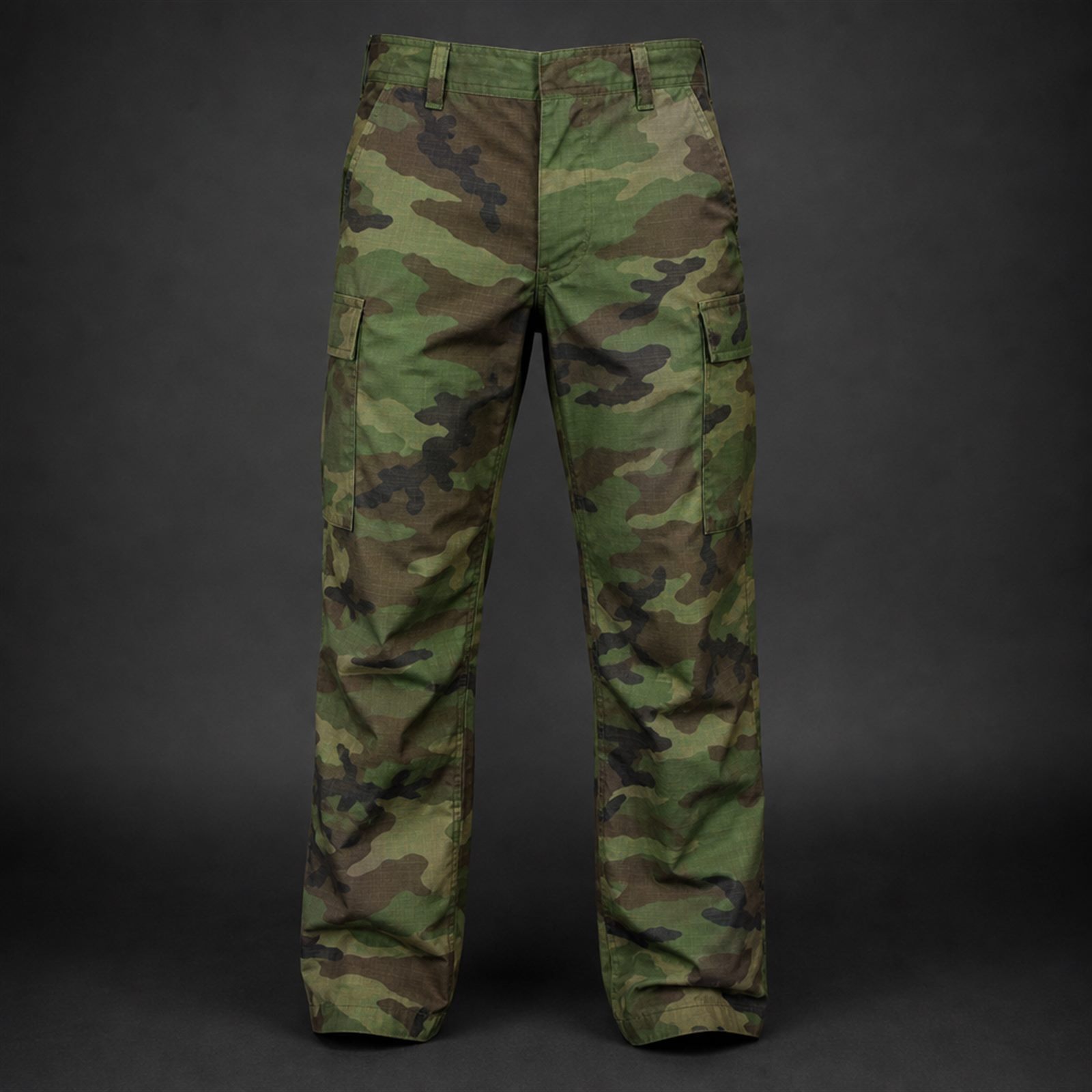
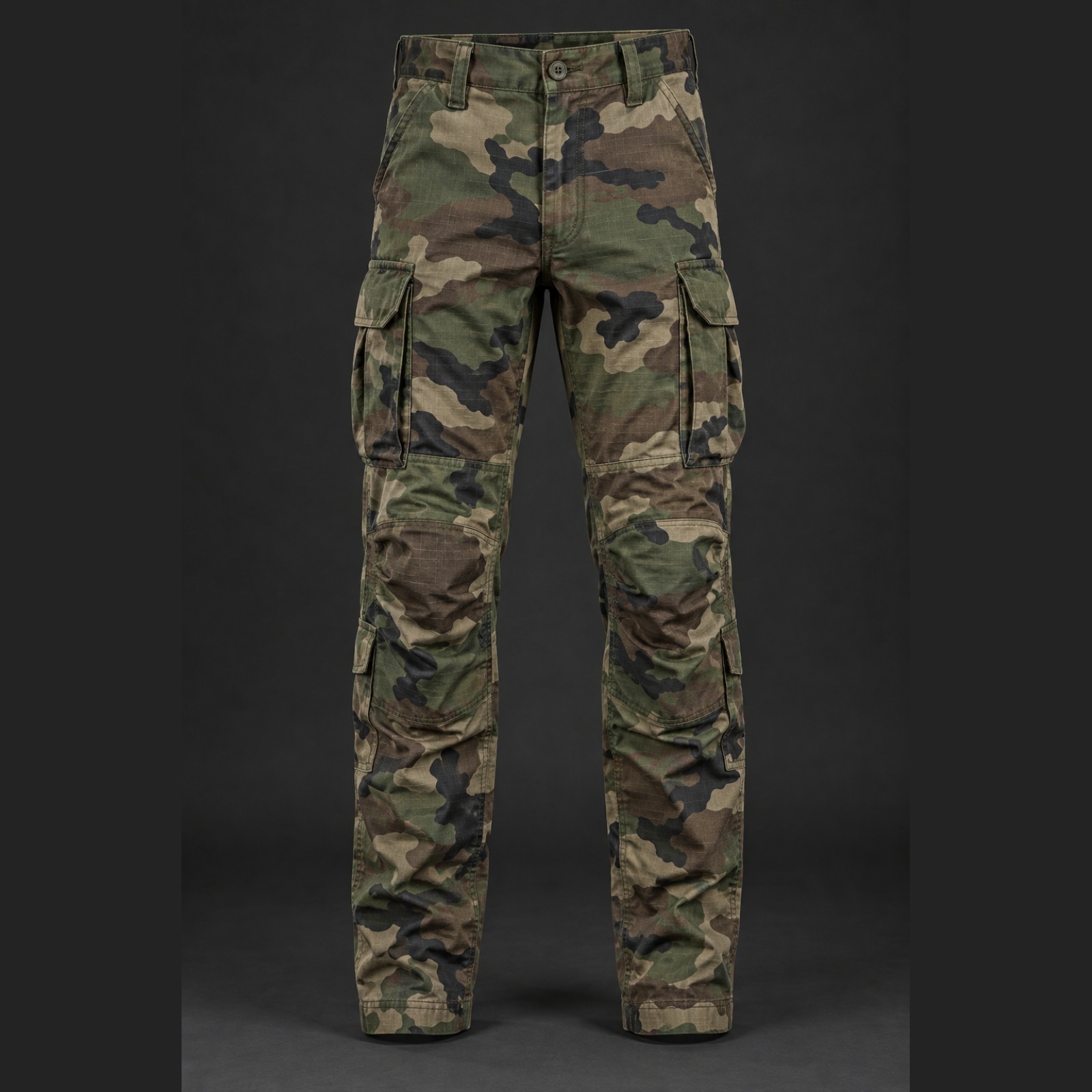
A tactical pant is judged by three things: whether the crotch survives, whether the knee holds up, and whether the waist still fits the same after a full day of movement.
Security / Duty Uniforms
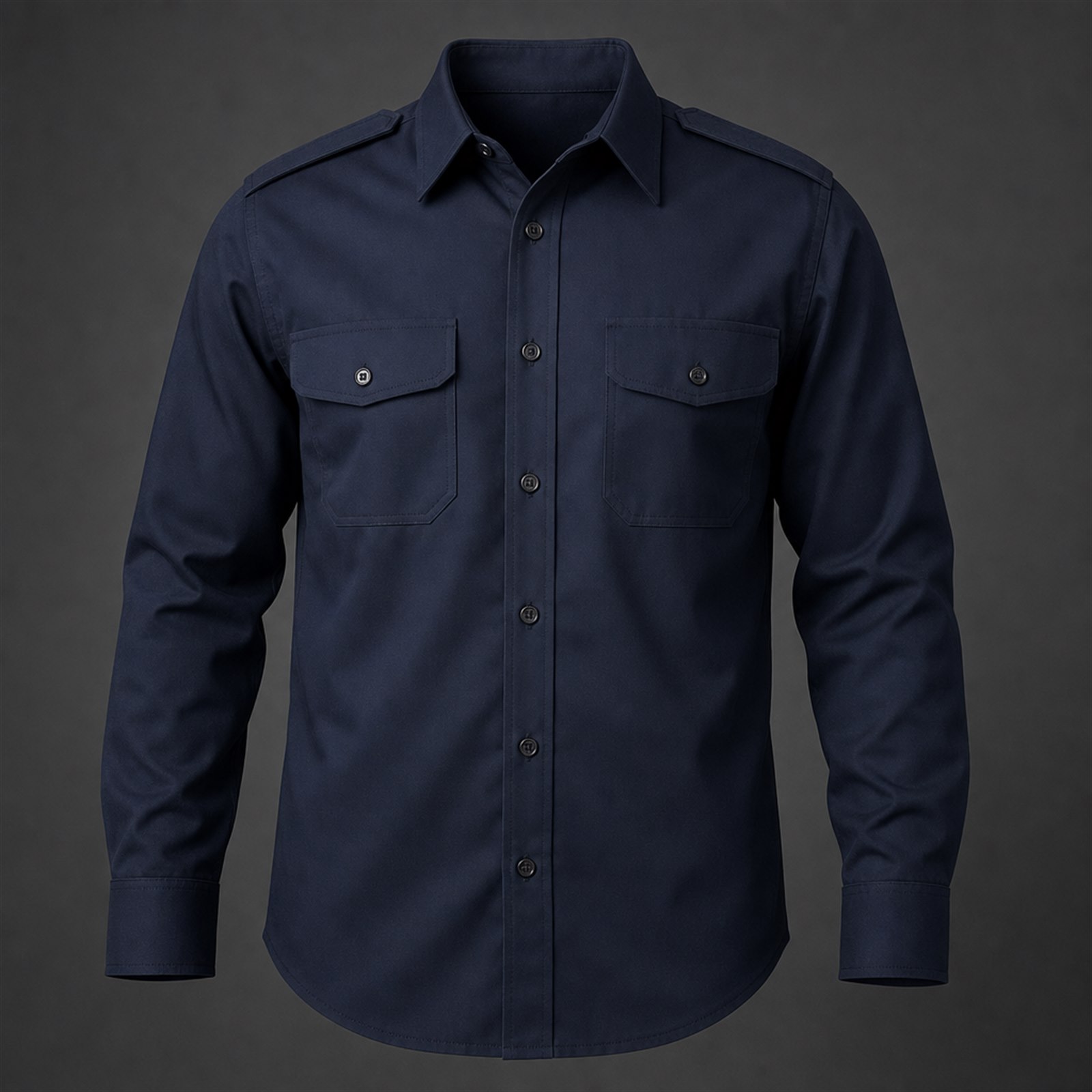
The shirt is the part of a security uniform the public actually reads, and it is also the part washed most often.
Security / Duty Uniforms
A security uniform is worn every working day, in front of the client's customers, and is expected to look formal on the last shift of the month exactly as it did on the first.
Tactical Boots
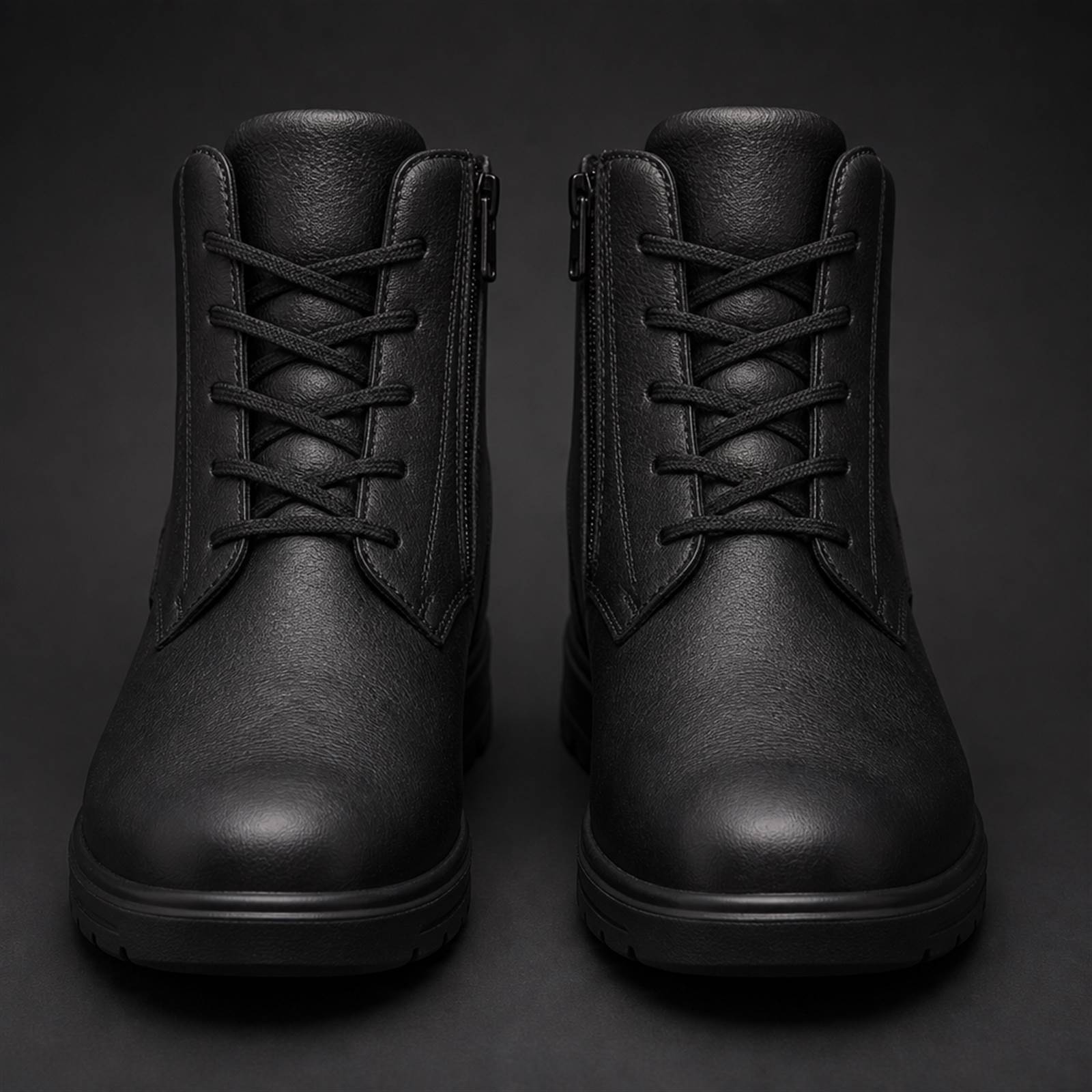
A side-zip boot exists for one reason: a shift worker can lace it once and zip it every time after.
Tactical Pants
Stretch in a tactical pant is a mobility decision with a durability bill attached.
Security / Duty Uniforms
Duty pants are worn longer than any other garment in a uniform, usually with a belt loaded with equipment, and they are judged by whether they still look presentable at the end of a shift as much as by whether they survived it.
FAQ
There is no single best fabric, because dry heat and humid heat pull in different directions. In humid heat, moisture movement and drying speed dominate and lightweight knit or quick dry woven fabrics are usually selected for the torso. In dry heat, abrasion resistance and colour stability matter more, and a ripstop may be the better choice for sleeves and trousers. The correct specification follows the climate and the layering, not a general rule.
No. Airflow through the garment often matters more than the weight of the fabric. A slightly heavier fabric with designed ventilation can be more wearable than a lighter fabric with no ventilation path, and very light fabrics often sacrifice the abrasion resistance a garment needs in the field.
Yes, by splitting the garment by function rather than choosing a single fabric. Lightweight moisture-managing fabrics are used where the garment meets the skin and heat, and ripstop or stretch ripstop is used where the garment meets abrasion. Targeted reinforcement is then added only at the points that fail in service.
The torso fabric is the deciding factor when a garment is worn under load-bearing equipment. A lightweight fabric that moves moisture away from the body and dries quickly will perform better than a heavier, more abrasion-resistant fabric in that position. State the intended layering when the specification is written, because it changes which torso fabric is correct.
Tell us the destination market and the expected conditions and we will develop the specification around that environment, including the tropical and humid case where drying behaviour and ventilation dominate. We state clearly which parts of a specification are confirmed and which still need data from you.
Related Materials
Related Applications
Related Capabilities
Related Articles
Related Categories
Send the destination market, the season and how the garment will be worn. We will propose the specification and state the trade-offs, rather than recommending a single fabric with no context.