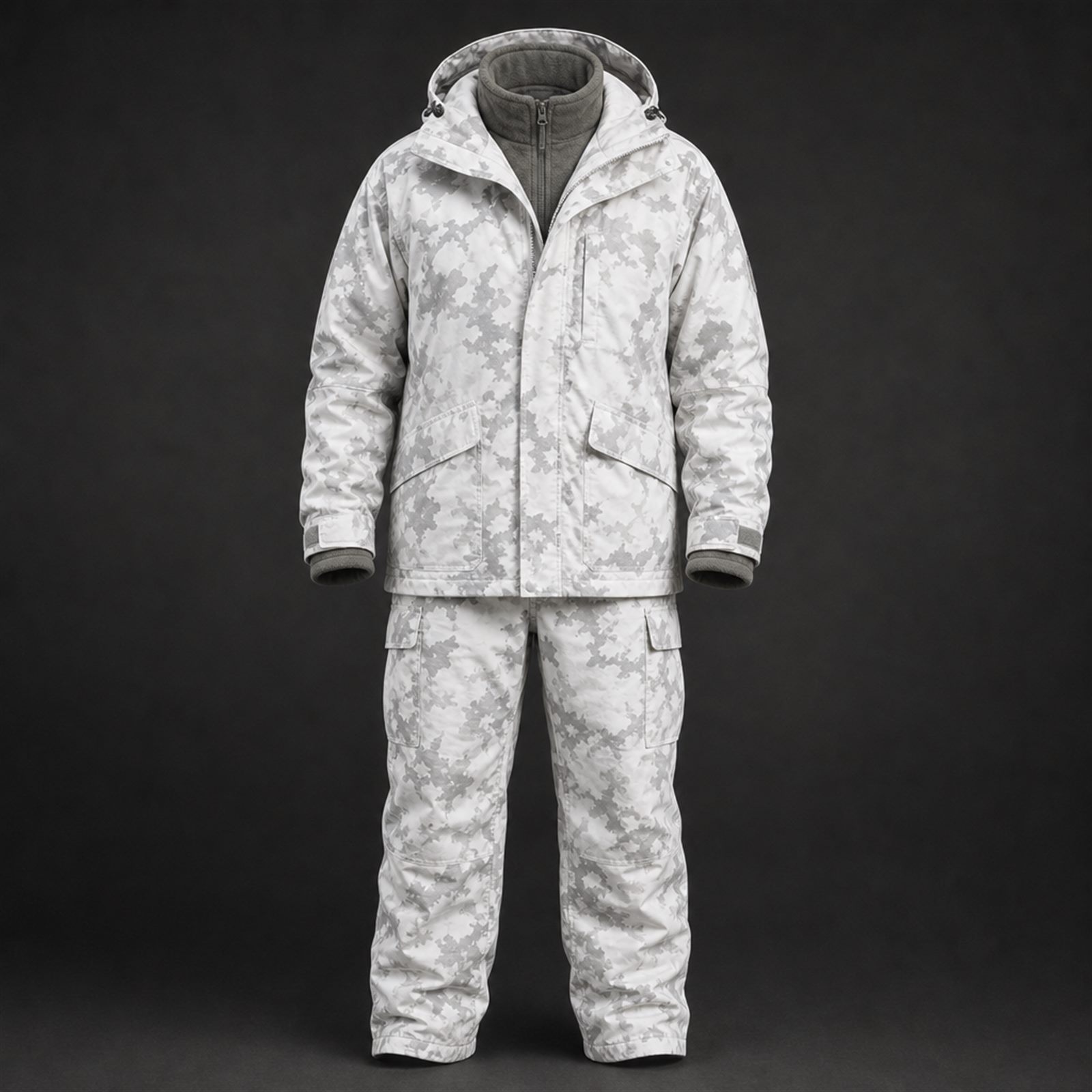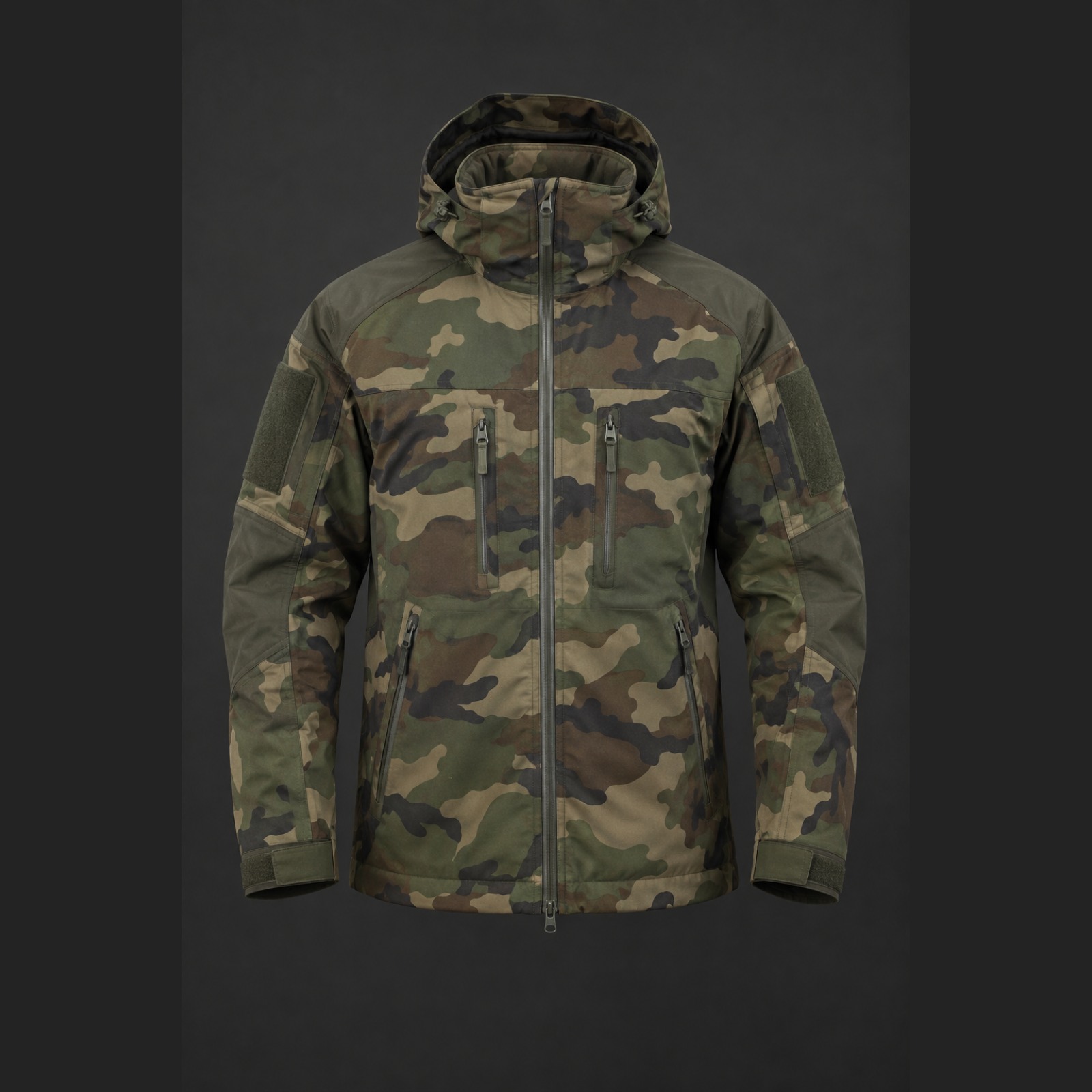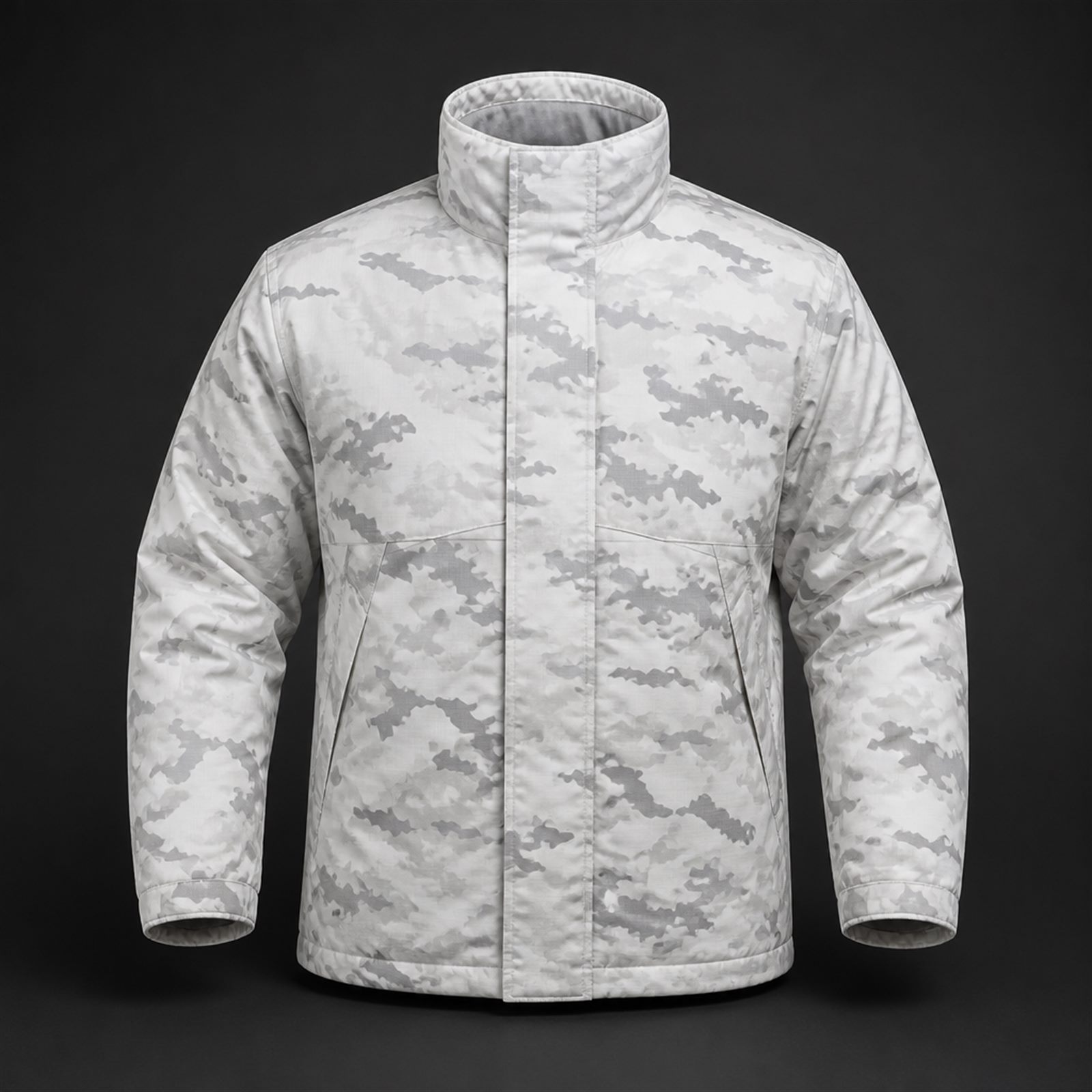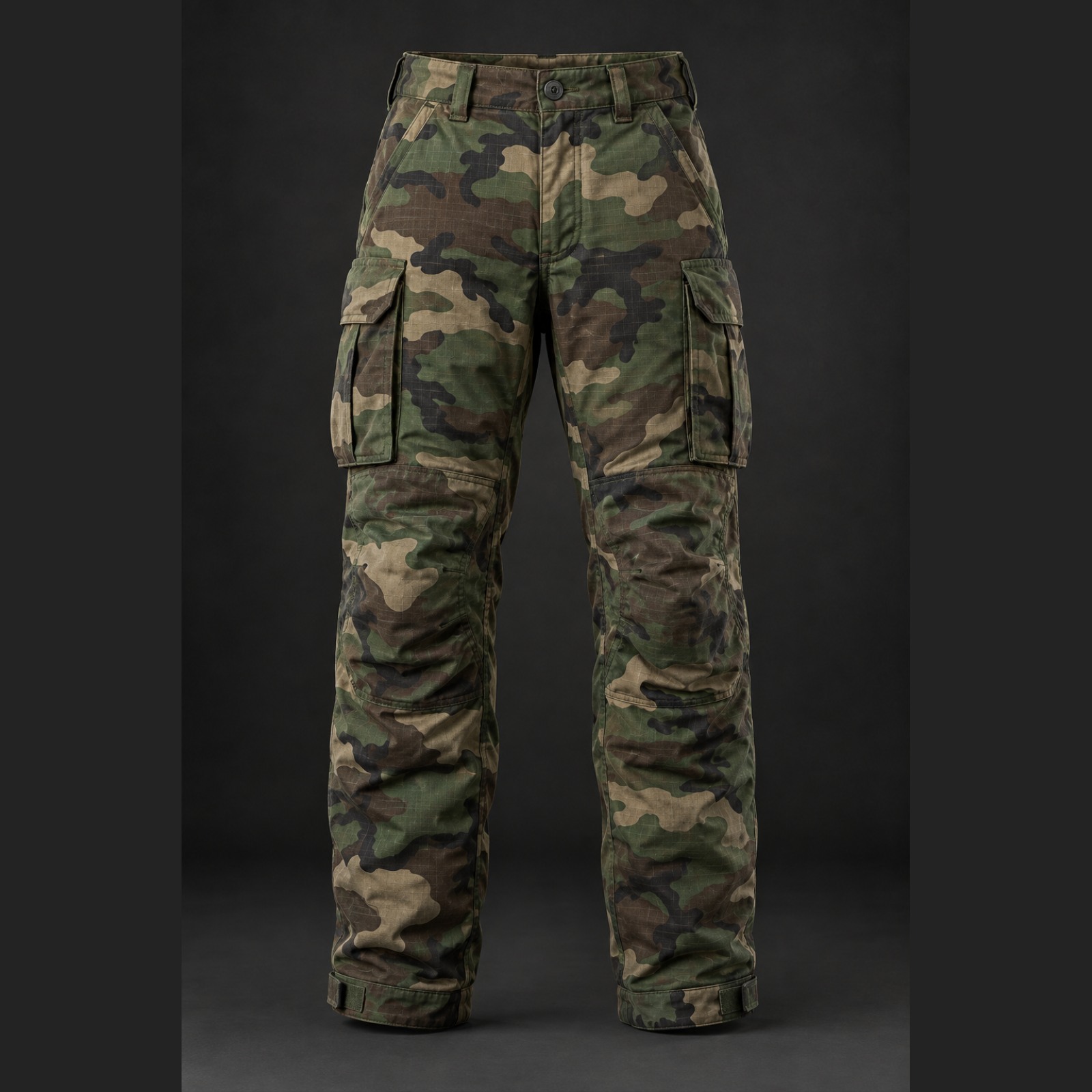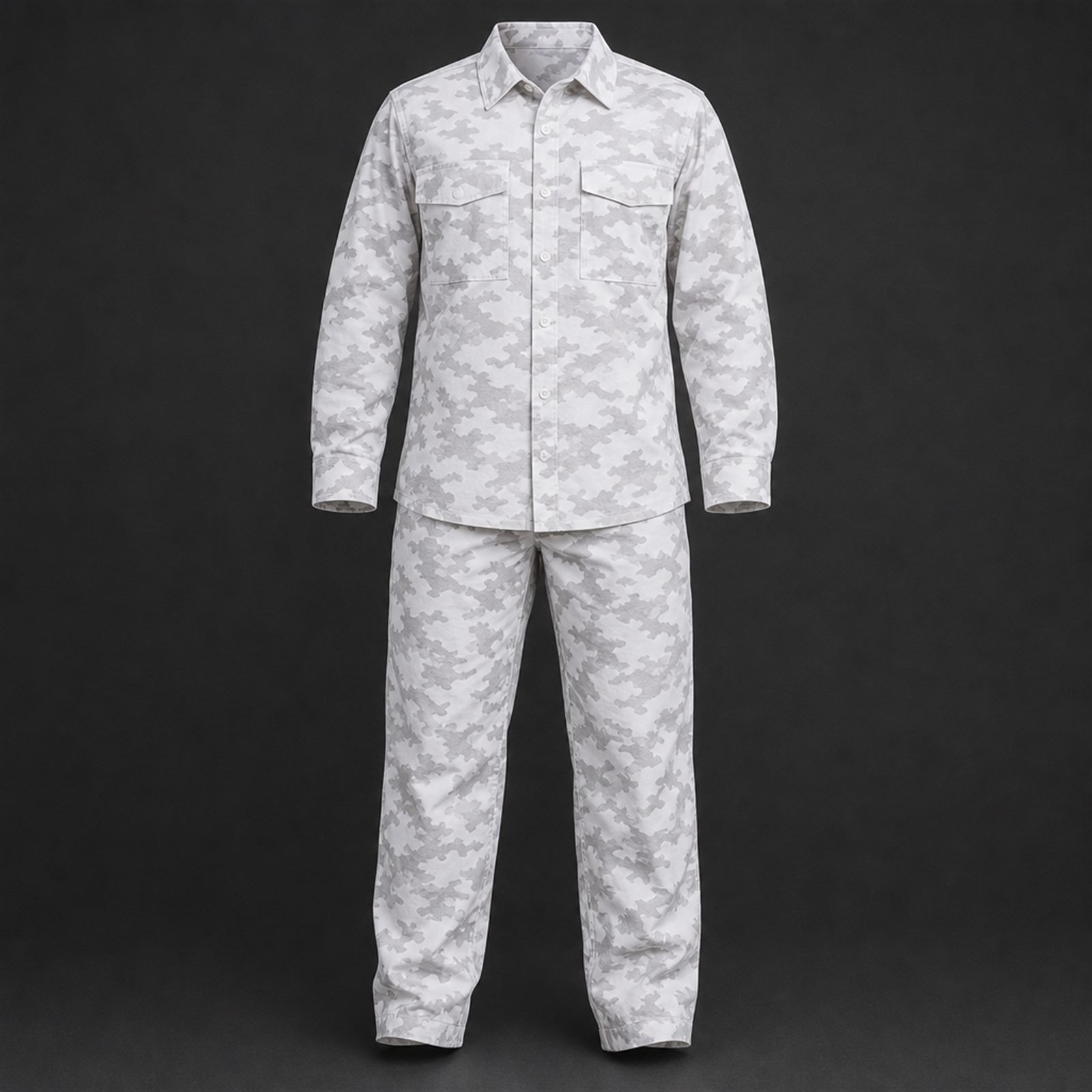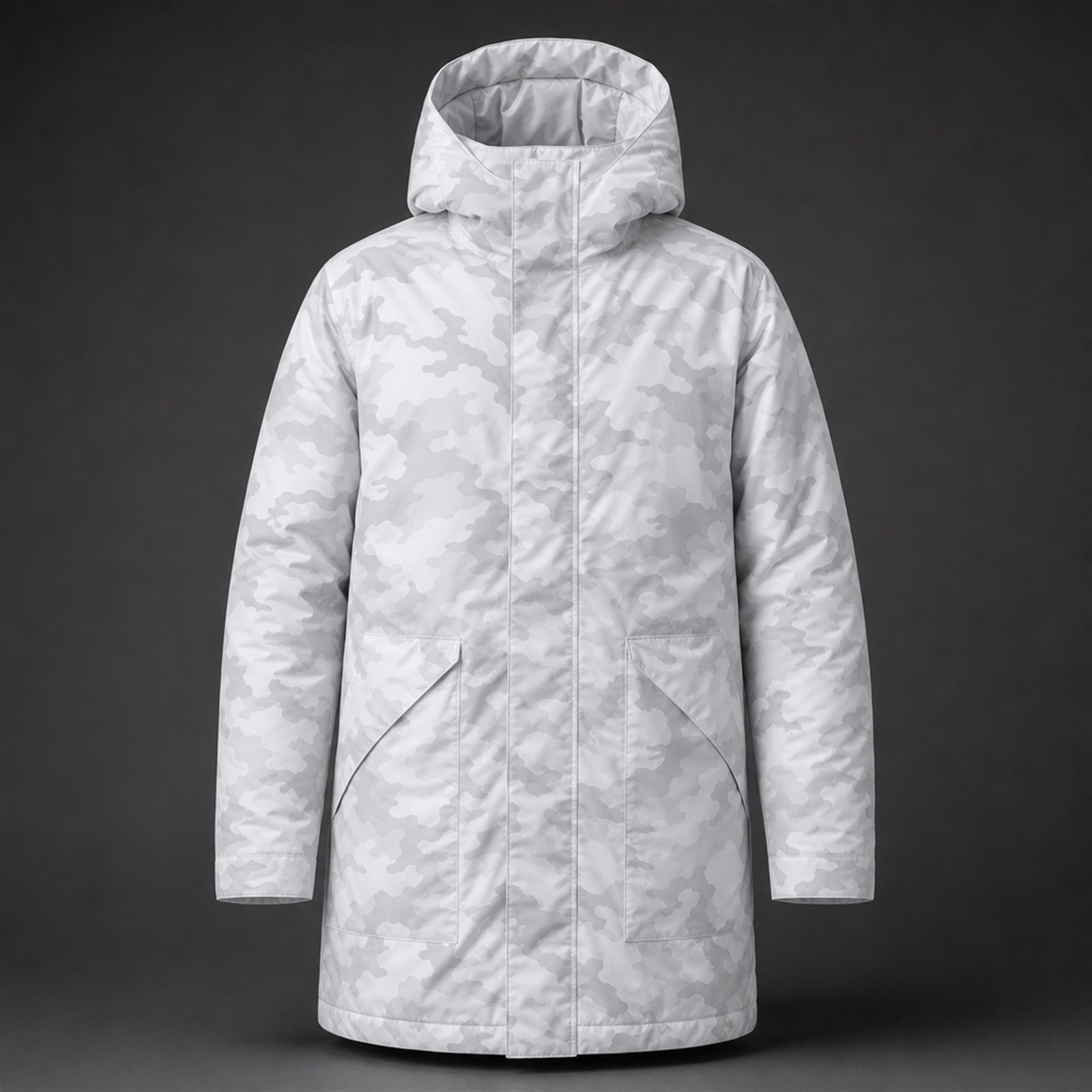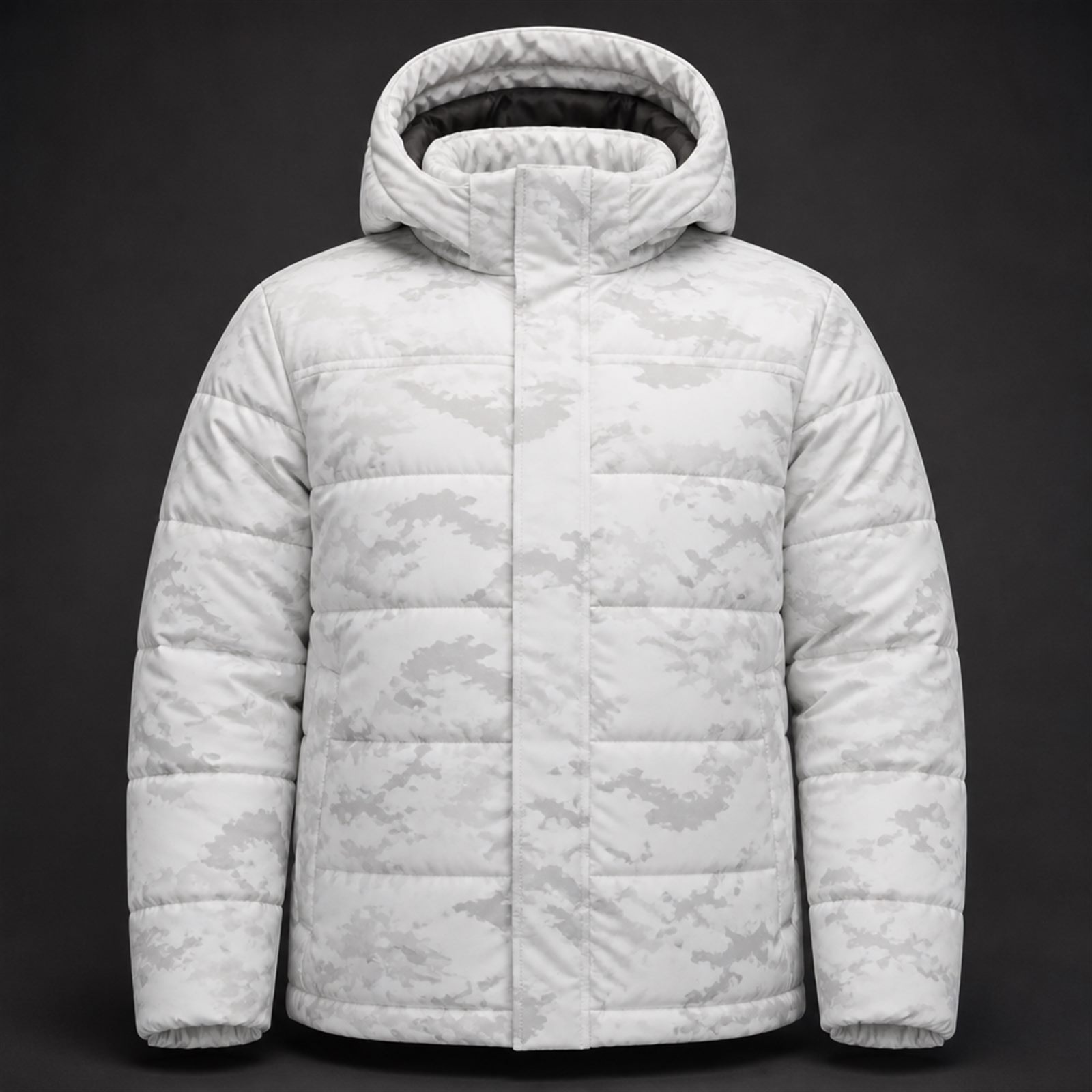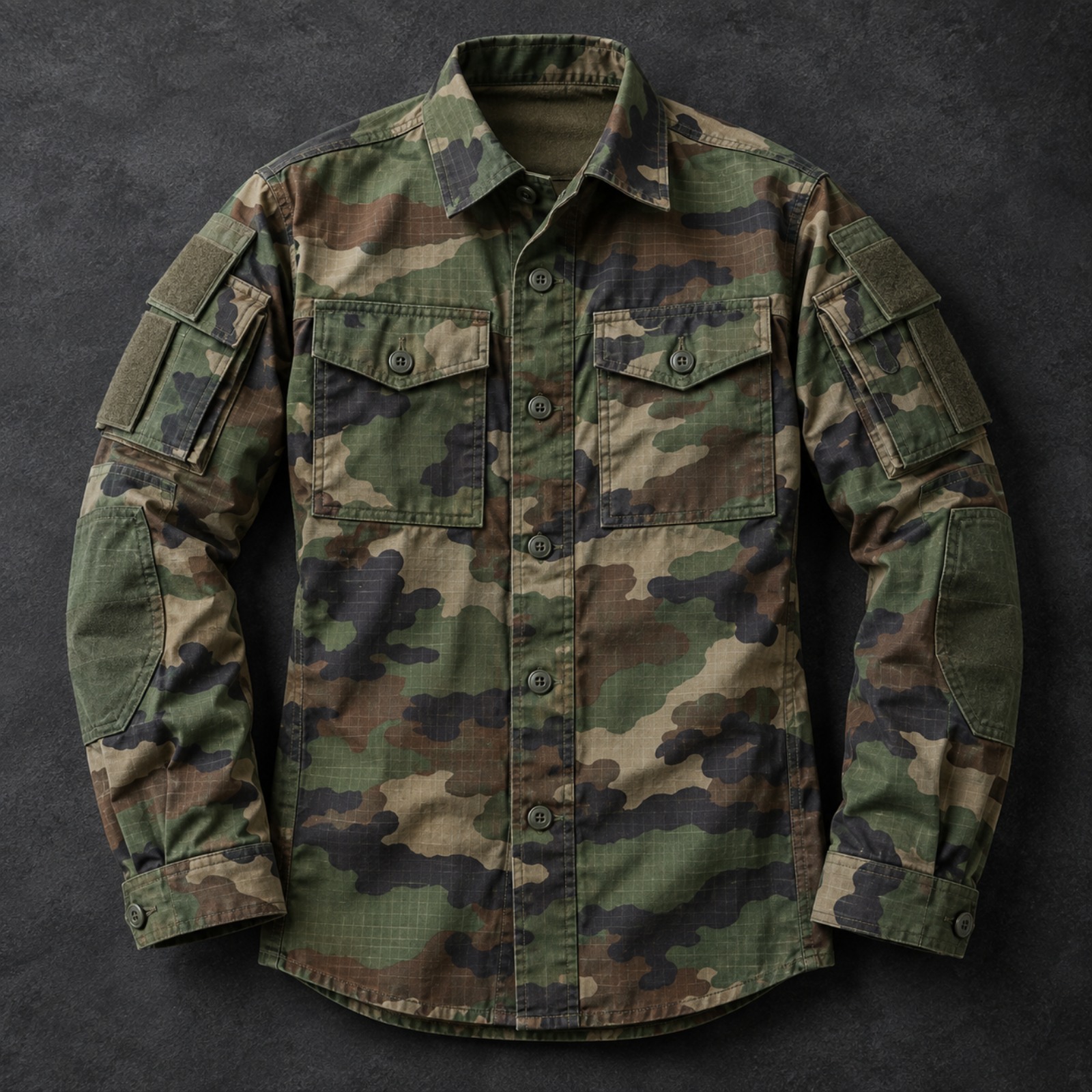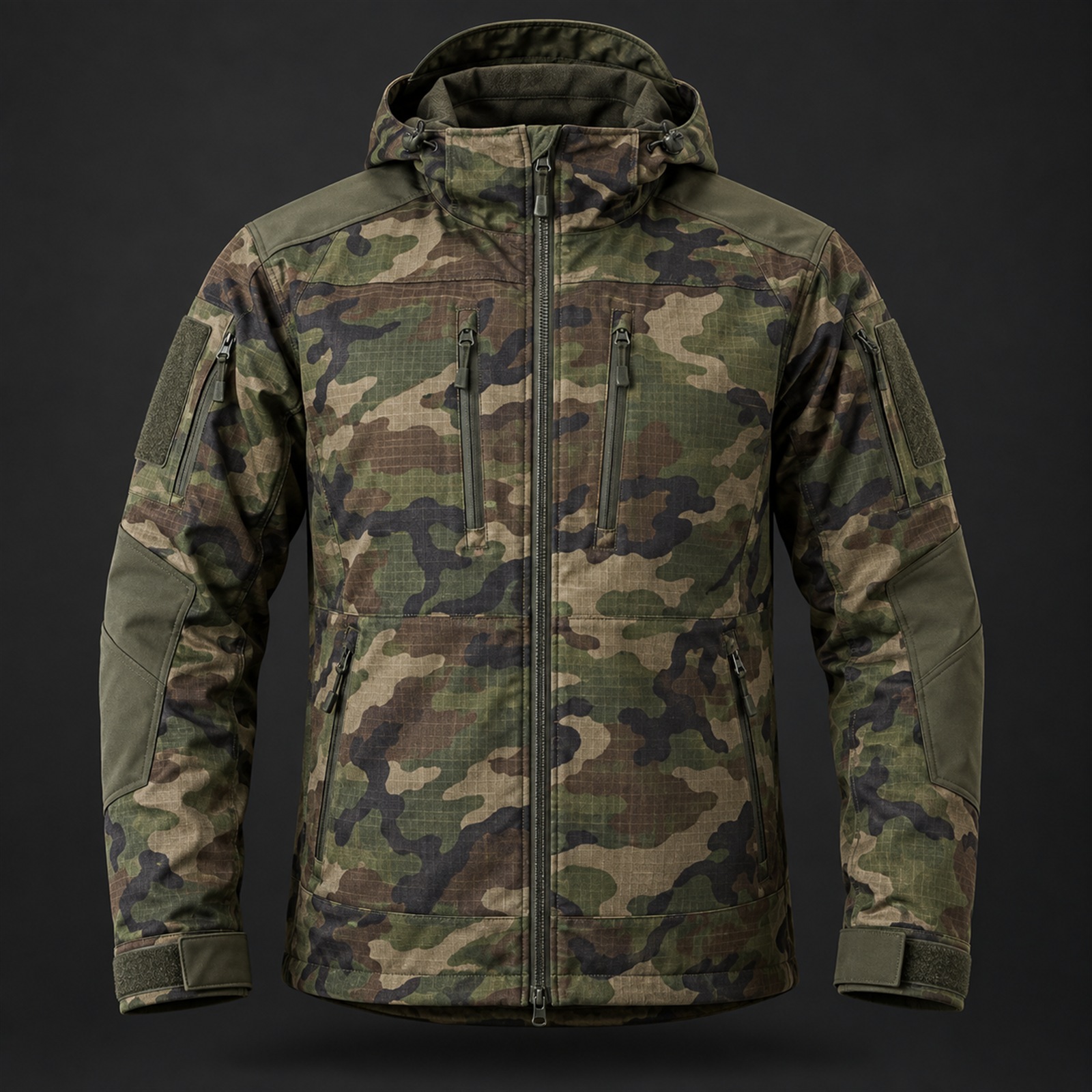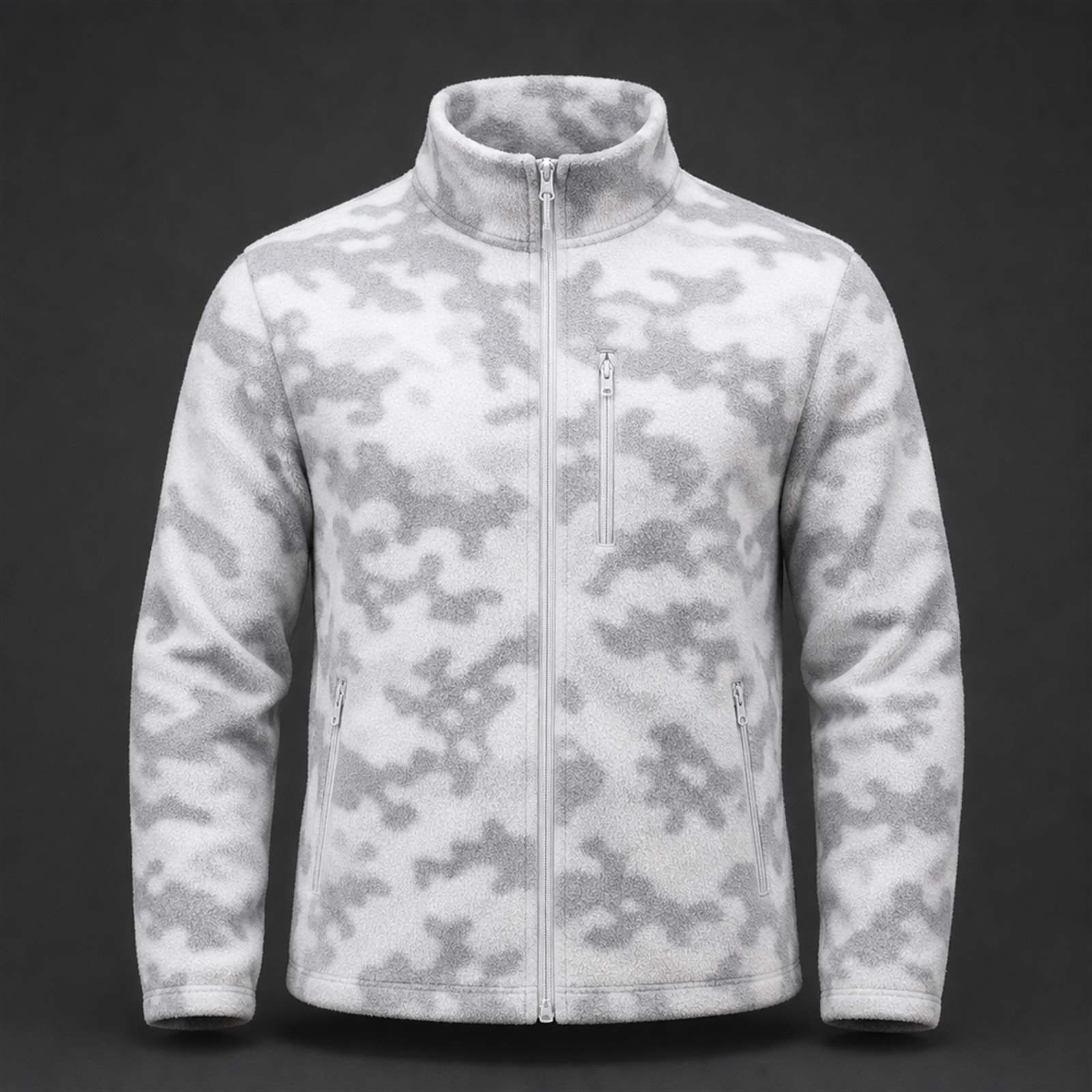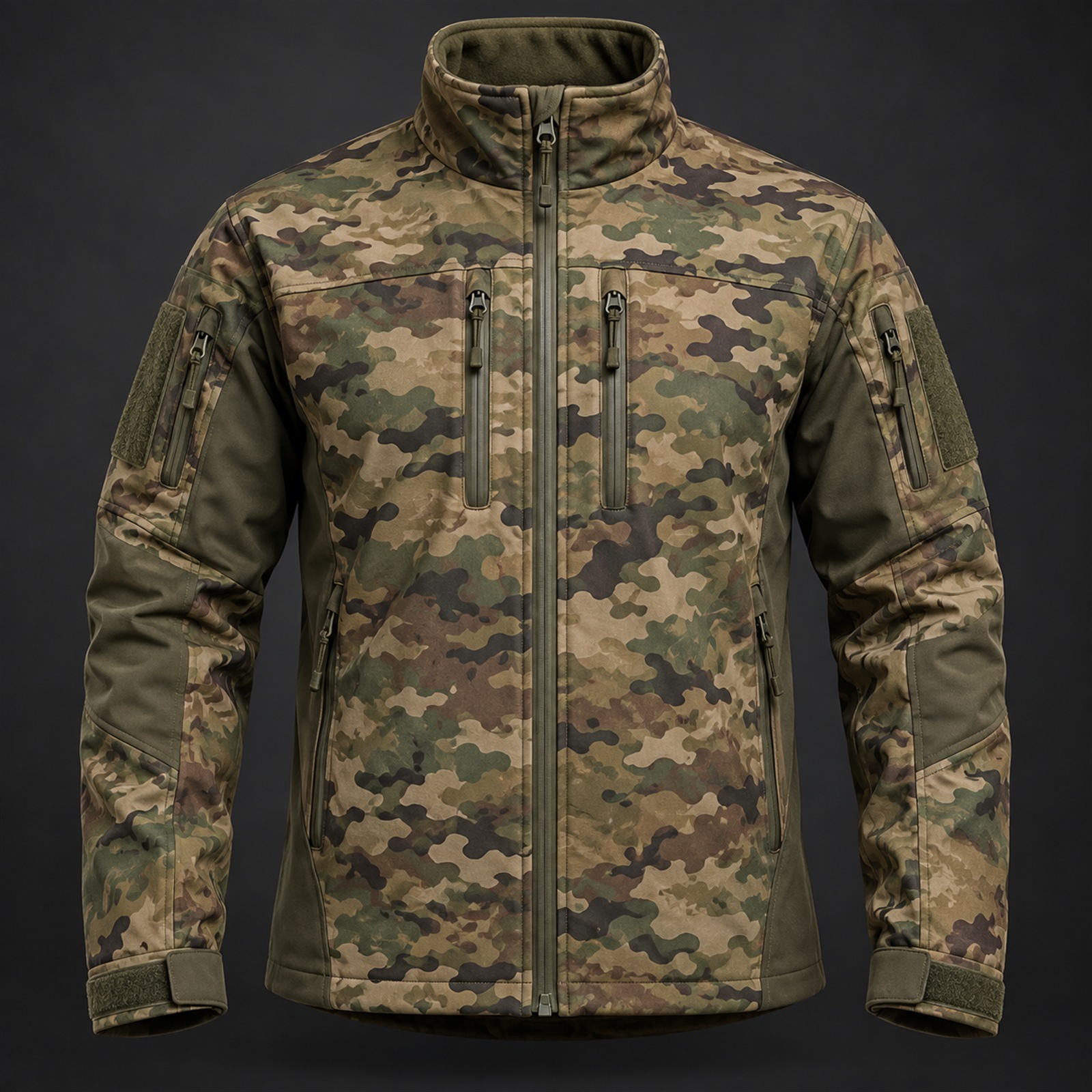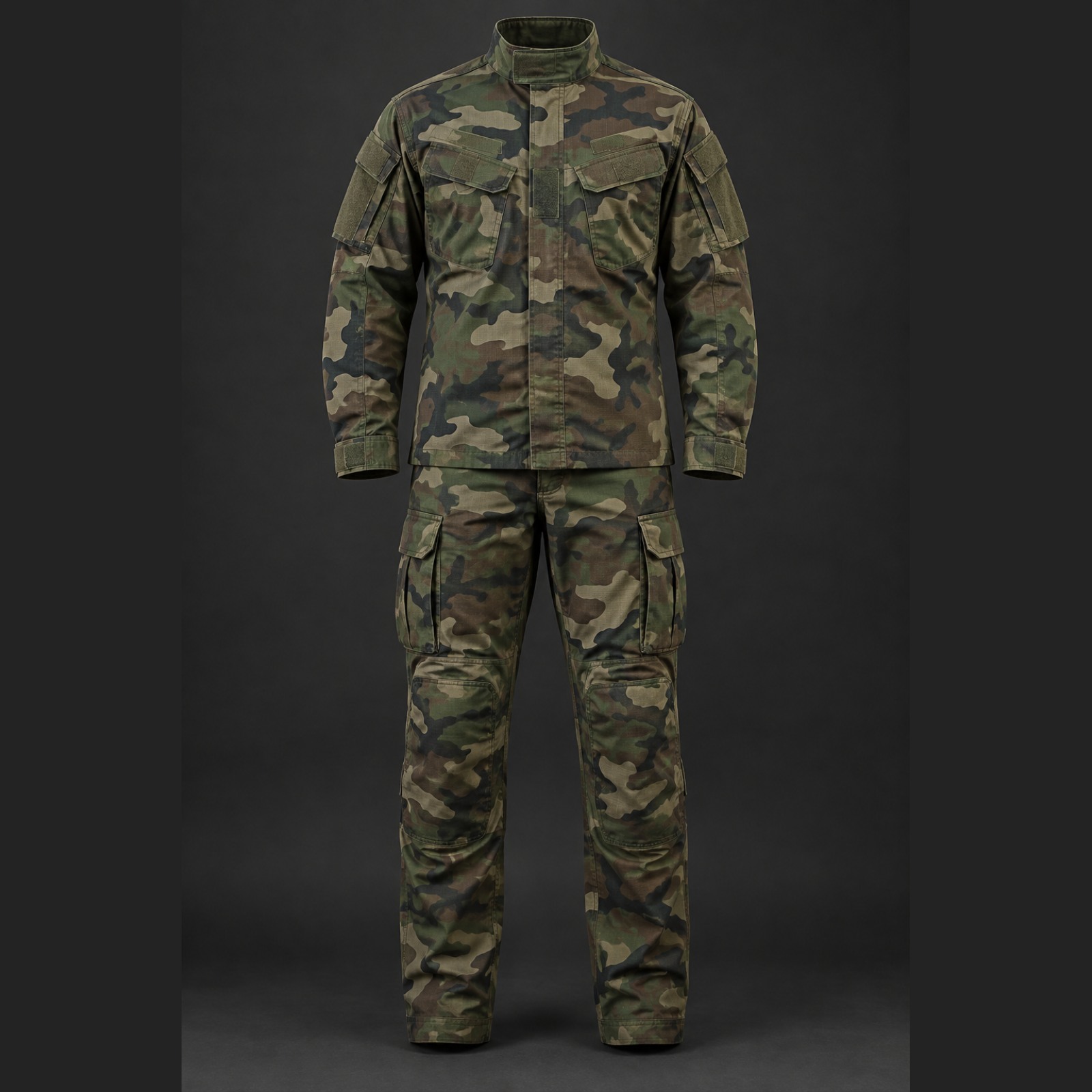
Field / BDU Shirts
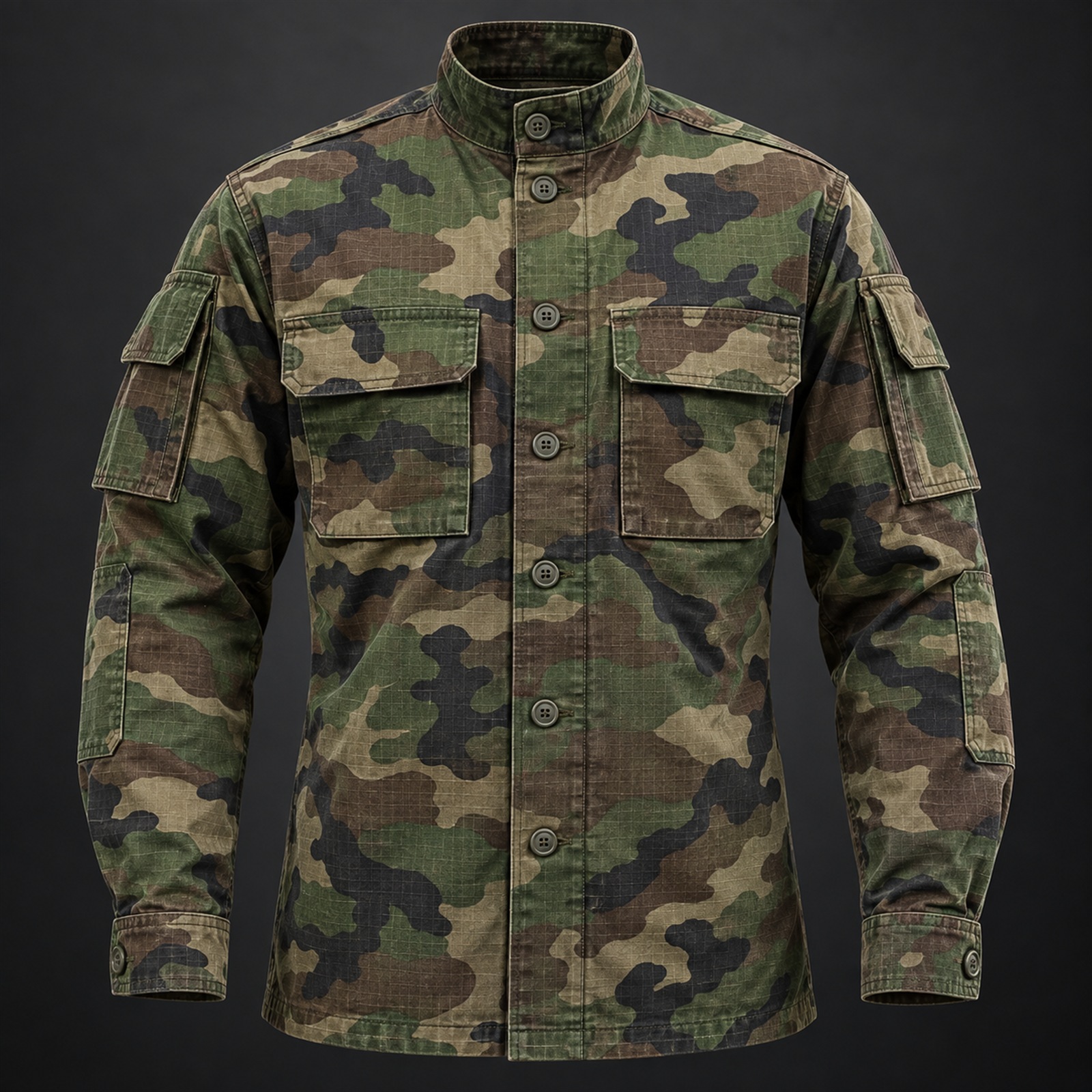
BDU Field Shirt
The BDU field shirt earns its place by being the garment a wearer keeps on when conditions change.
TemperateCool to mildLayered under a jacket
View productApplications
Cold weather is not solved by a single warm garment. It is solved by a layer system in which each layer has one job: a base layer that moves moisture away from the skin, a mid layer that holds still air, and a shell that blocks wind and precipitation. The failure mode is rarely a lack of insulation. It is the sweat produced while moving, which soaks the layers and then chills the wearer as soon as activity stops. Wind makes the same garment behave completely differently at the same temperature, and every gram of insulation added for warmth is paid for in mobility and bulk. This section covers how insulation, wind resistance, breathability and fit are balanced when cold is the dominant constraint, and what has to be decided at specification stage so the layers work as a system rather than as three independent garments.
Gallery
Conditions
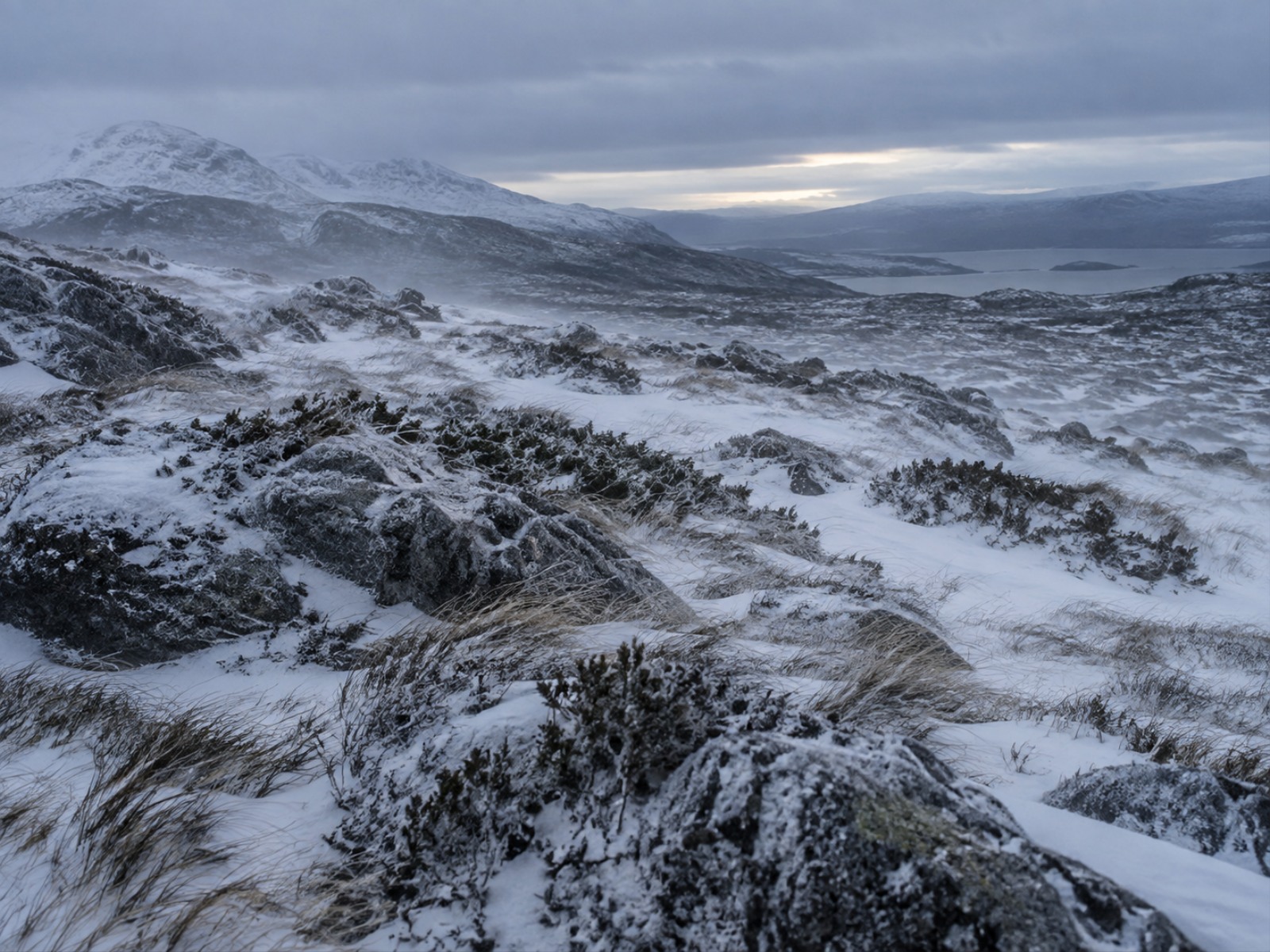
Ambient temperature is low enough that the body loses heat faster than it produces it at rest, and wind increases that loss substantially. Moisture is present as sweat from movement, as rain or snow, or as condensation inside the layers. The environment is usually experienced as intermittent activity, which means the wearer alternates between overheating while moving and cooling rapidly when stopped.
Design priorities
These are the requirements that drive the specification. When they conflict with each other — and they usually do — the trade-off has to be decided by the buyer, not assumed by the manufacturer.
Each layer is designed against the others. The base manages moisture, the mid holds still air, and the shell blocks wind and precipitation. A strong garment that does not fit the system creates gaps at the waist and cuff where cold air enters.
The same insulation performs very differently once wind strips the warm boundary layer from the fabric surface. Wind resistance is therefore specified separately from warmth, and it is often the cheaper and lighter way to gain real performance.
Insulation is added at the core and at the surfaces that lose heat most quickly, and reduced where it would only add bulk. Mapping insulation by body zone keeps warmth while limiting the mobility penalty.
The most common field failure is a wearer who sweats through their layers and then cools rapidly when they stop. Moving moisture outward and allowing it to escape matters more in cold than in heat, because here it becomes a safety issue rather than a comfort one.
Insulation, reinforcements and pocket volume all cost movement. The trade off is stated explicitly in the specification so the buyer decides how much warmth is worth how much restriction.
A shell sized over a base layer alone will bind over a mid layer. Fit and grading are developed against the layer stack the buyer actually uses, which has to be agreed before pattern development rather than after sampling.
Buyer problems
These are the complaints that reach us from buyers already selling into these conditions. Every one of them is a specification decision that was made before production, not a manufacturing accident.
Garment strategy
The same category of garment is built differently in each environment. These are the construction decisions that change.
Design the system, then the garments
Layer interfaces are set first: cuff opening, hem length, collar height and shoulder width across the stack. This prevents the common failure where each garment is correct on its own but the combination leaves an exposed gap.
Add wind resistance before adding insulation
A wind resistant layer or panel raises the effective warmth of the existing insulation, adds less weight, and preserves mobility. Insulation is added only after the wind path has been closed, because otherwise the added warmth partly disappears in the first gust.
Ventilation built into insulated garments
Vents, adjustable openings and a two way closure let the wearer dump heat during exertion without removing the layer. Without that, the wearer either sweats through the system or stops to strip clothing, and both cost time and warmth.
Map insulation and reinforcement together
Reinforcement at the knee, elbow and shoulder sits next to insulation. The two are placed on the same drawing so the reinforced zone does not become a cold bridge and the insulated zone does not lose abrasion protection.
Keep repair and re-treatment in mind
Cold weather garments have to survive repeated washing and re-proofing. Construction choices such as fixed or removable insulation and how baffles or quilting are stitched are made with the service life of the garment in view, not only with the first fit.
Fabric strategy
Each material below is recommended for a stated reason, not as a generic option. Open any material to read where it performs and where it fails.
Material
Used as the mid layer because it holds still air, keeps working when damp, and provides warmth without a wind blocking requirement of its own.
Material
Selected for the insulated core panels, with the type and warmth level confirmed per programme against the intended activity and temperature band.
Material
The default outer for dry cold, since it combines wind resistance, abrasion performance and enough stretch to keep mobility in a single layer.
Material
Used where the wind path matters more than precipitation, either as a shell fabric or as panels over exposed zones such as the shoulder and chest.
Material
Specified for the base layer, where the single function is moving sweat away from the skin so the insulation above it does not become wet.
Material
Applied to the outermost shell when precipitation has to be excluded, with the trade off in breathability acknowledged rather than ignored.
Construction
Where the specification should focus for this environment.
Products
Each product page carries the full material, construction and customization detail for this application.
Field / BDU Shirts
The BDU field shirt earns its place by being the garment a wearer keeps on when conditions change.
Cold Weather Layering Systems
This is not a garment category in the usual sense.
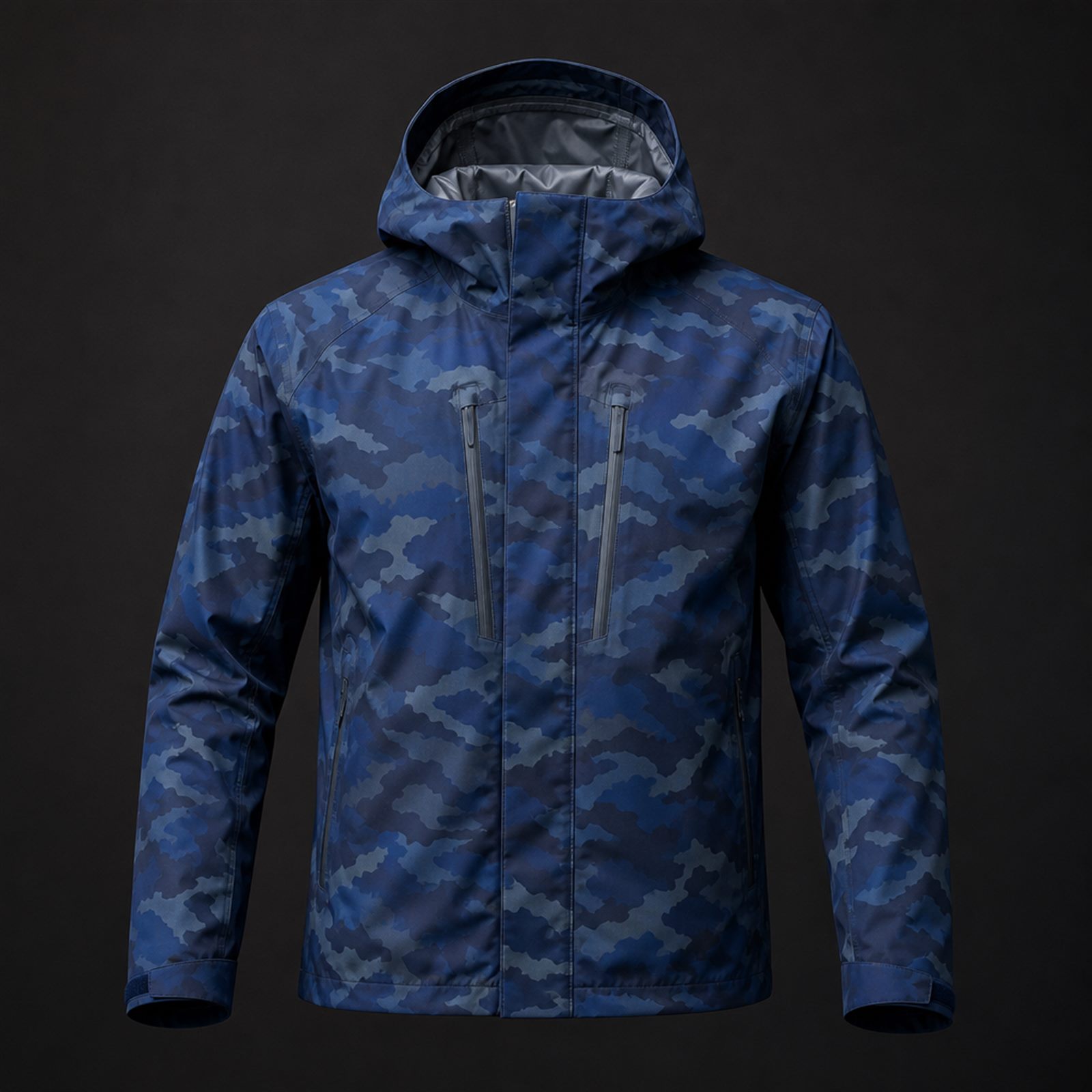
Cold Weather Shell Jackets
The shell carries no warmth of its own, and that is the point of it.
Cold Weather Tactical Clothing
A cold weather jacket has to hold warmth, allow movement and get rid of moisture, and those three requirements pull against each other.
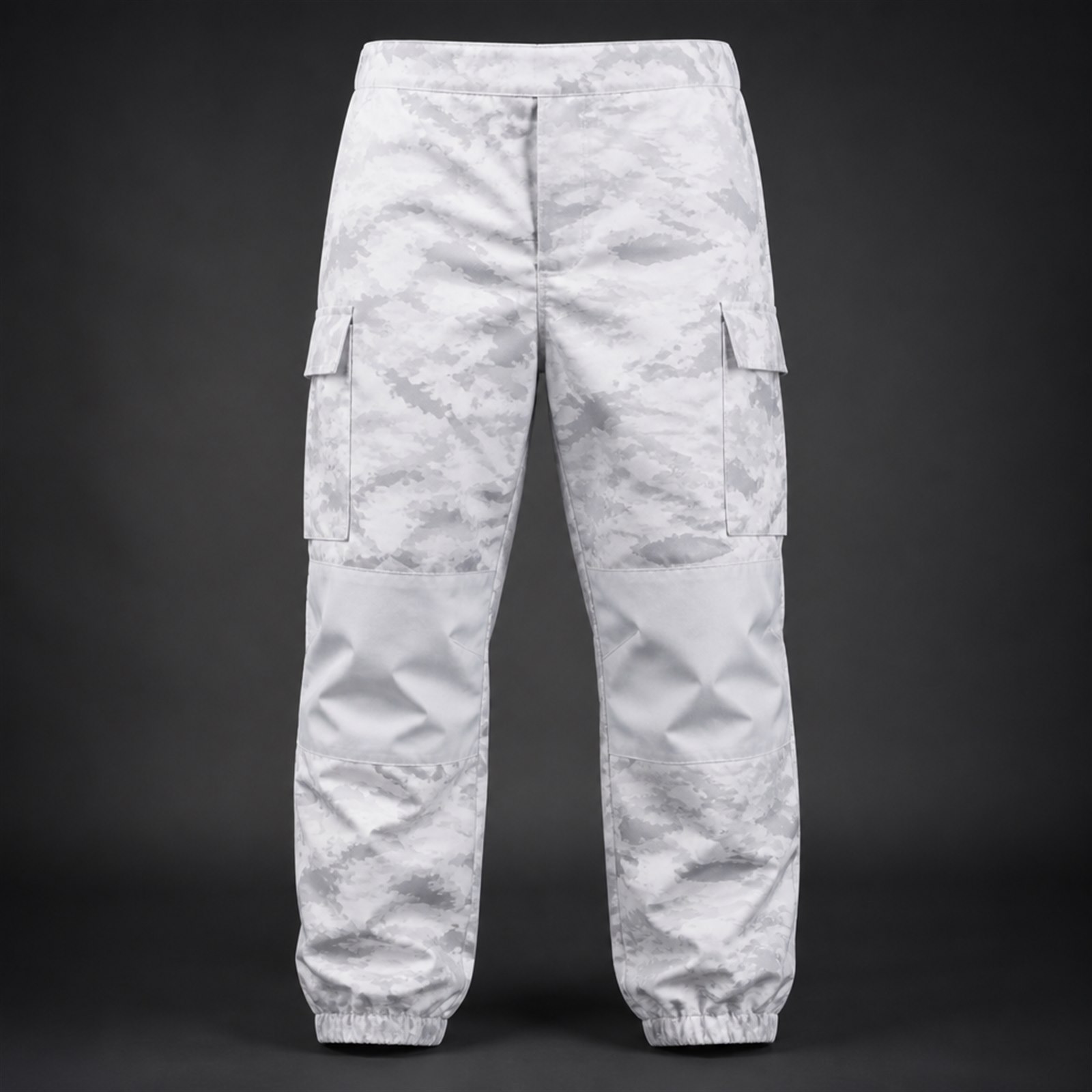
Tactical Pants
Cold weather changes what a tactical pant has to do.
Cold Weather Uniform Sets
A cold weather uniform set is bought as one line on a tender and issued as one outfit, but it is produced as several garments that have to agree with each other.
Extreme Cold Weather Parkas
A parka for extreme cold is a system, not a garment with more filling.
Extreme Cold Weather Jackets
An extreme cold weather jacket is specified for the coldest condition a programme expects, and it is defined less by what it is filled with than by where it sits in a layering system.
Combat Shirts
This shirt is specified for programmes where the dominant cost is not the garment, it is the replacement cycle.
Hunting & Outdoor Camouflage Clothing
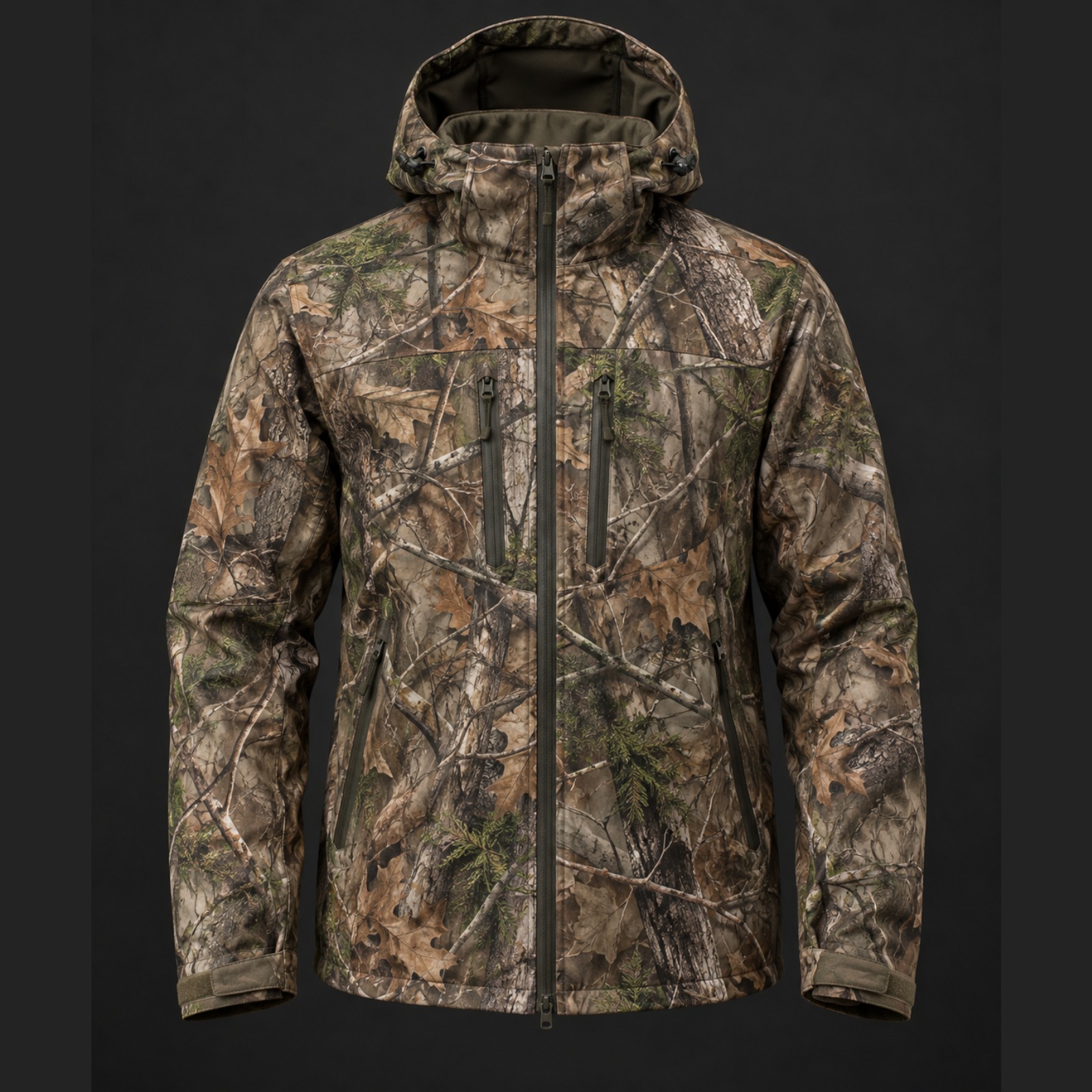
A hunting jacket is judged by two properties that pull against each other: how quietly it moves through brush, and how well it survives that brush.
Hunting & Outdoor Camouflage Clothing
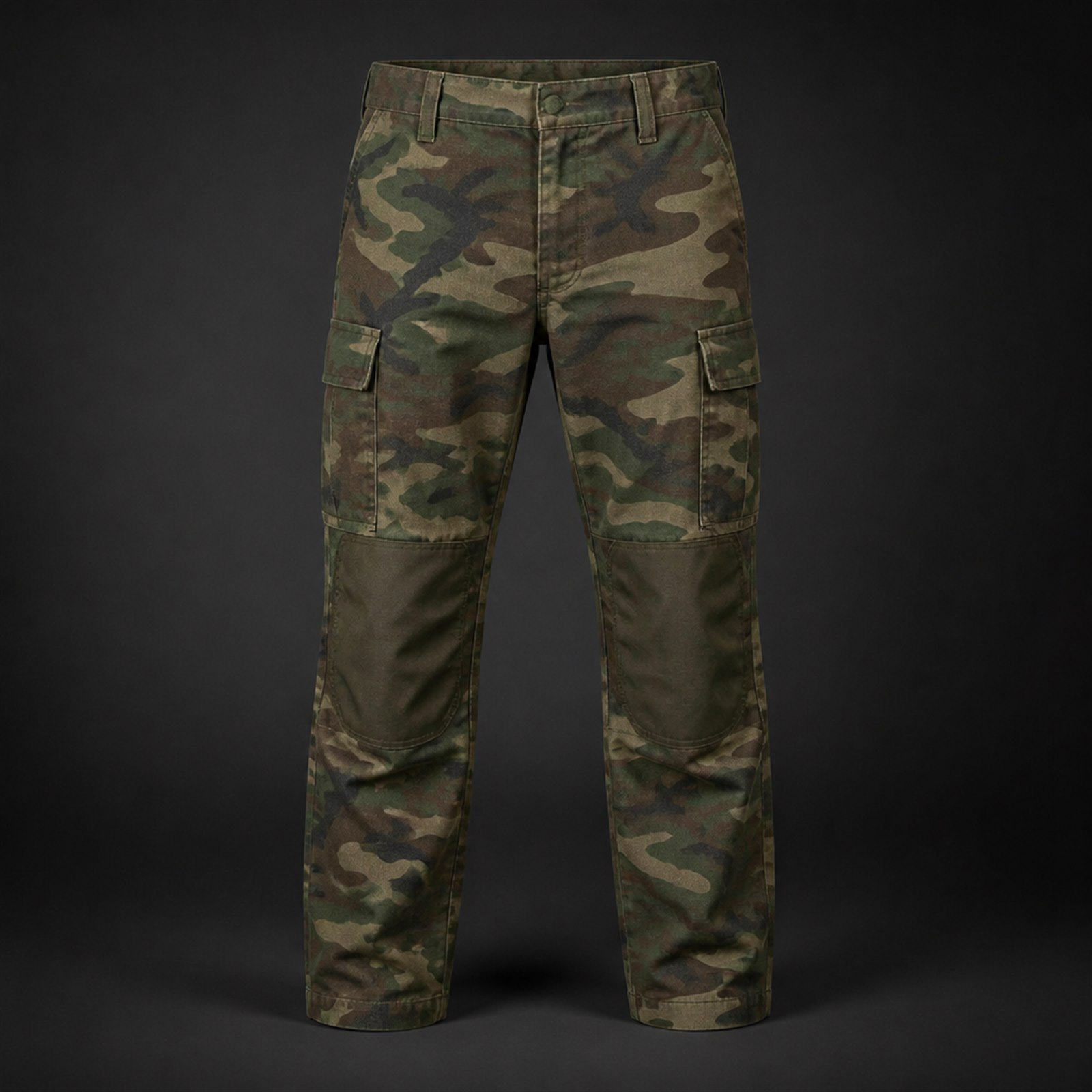
Hunting pants fail in predictable places, and they fail for predictable reasons.
Cold Weather Tactical Pants
A cold weather pant is not a jacket for the legs.
Insulated Tactical Jackets
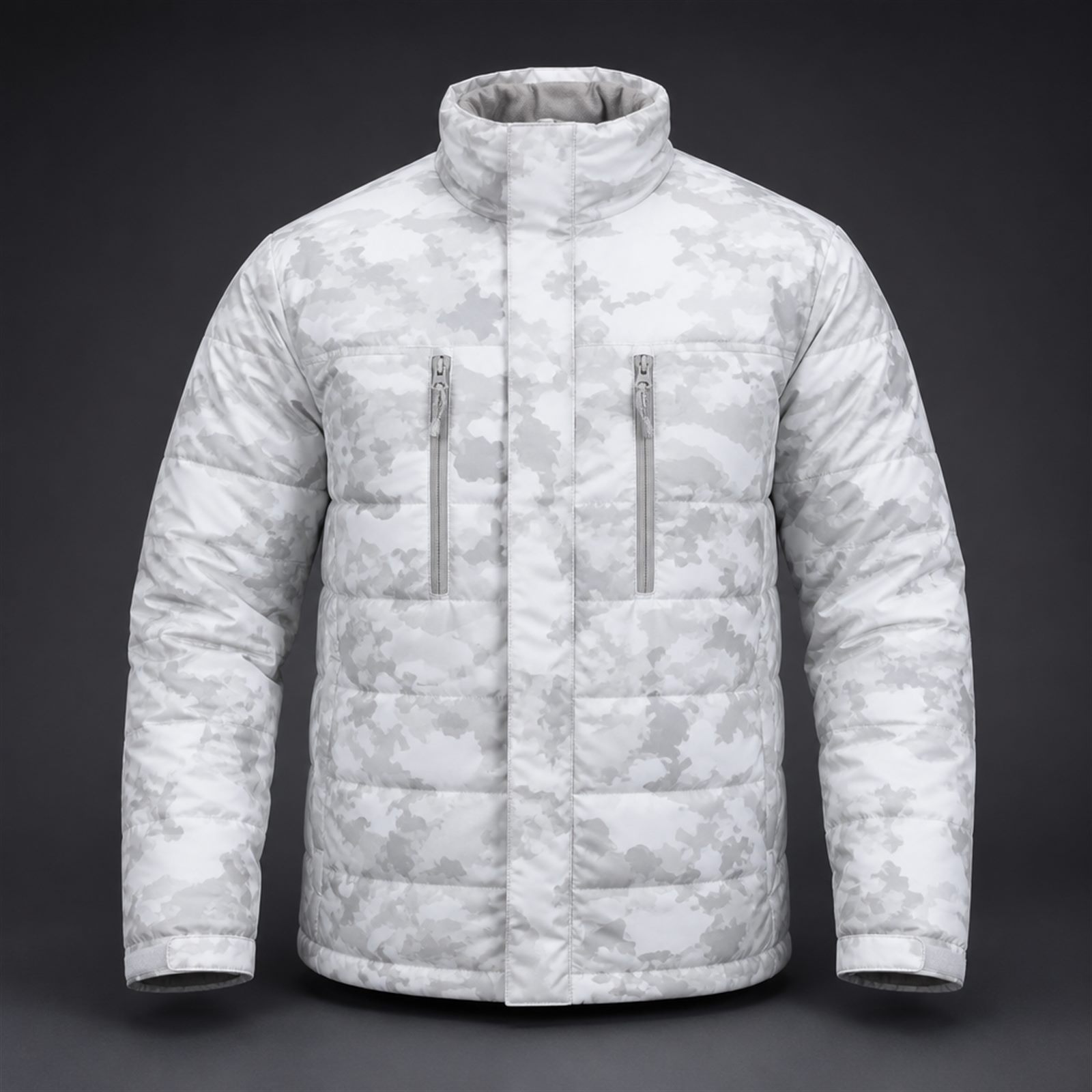
An insulated tactical jacket is defined by its fill: a layer of lofted material carried inside the garment to hold the warmth the wearer generates.
Tactical Jackets
A field jacket is bought for a specific job: it carries what the wearer needs to reach without opening a pack, stays out of the way when the wearer kneels, climbs or drives, and can be worn over a shirt or a fleece without becoming a straightjacket.
Tactical Fleece & Mid Layers
A fleece or mid layer is not simply a warmer shirt.
Tactical Softshell Jackets
A softshell is a compromise, and buyers who know which compromise they are buying get a better jacket.
Tactical Uniform Sets
A uniform set only performs as a set if the shirt and the trousers behave as one garment.
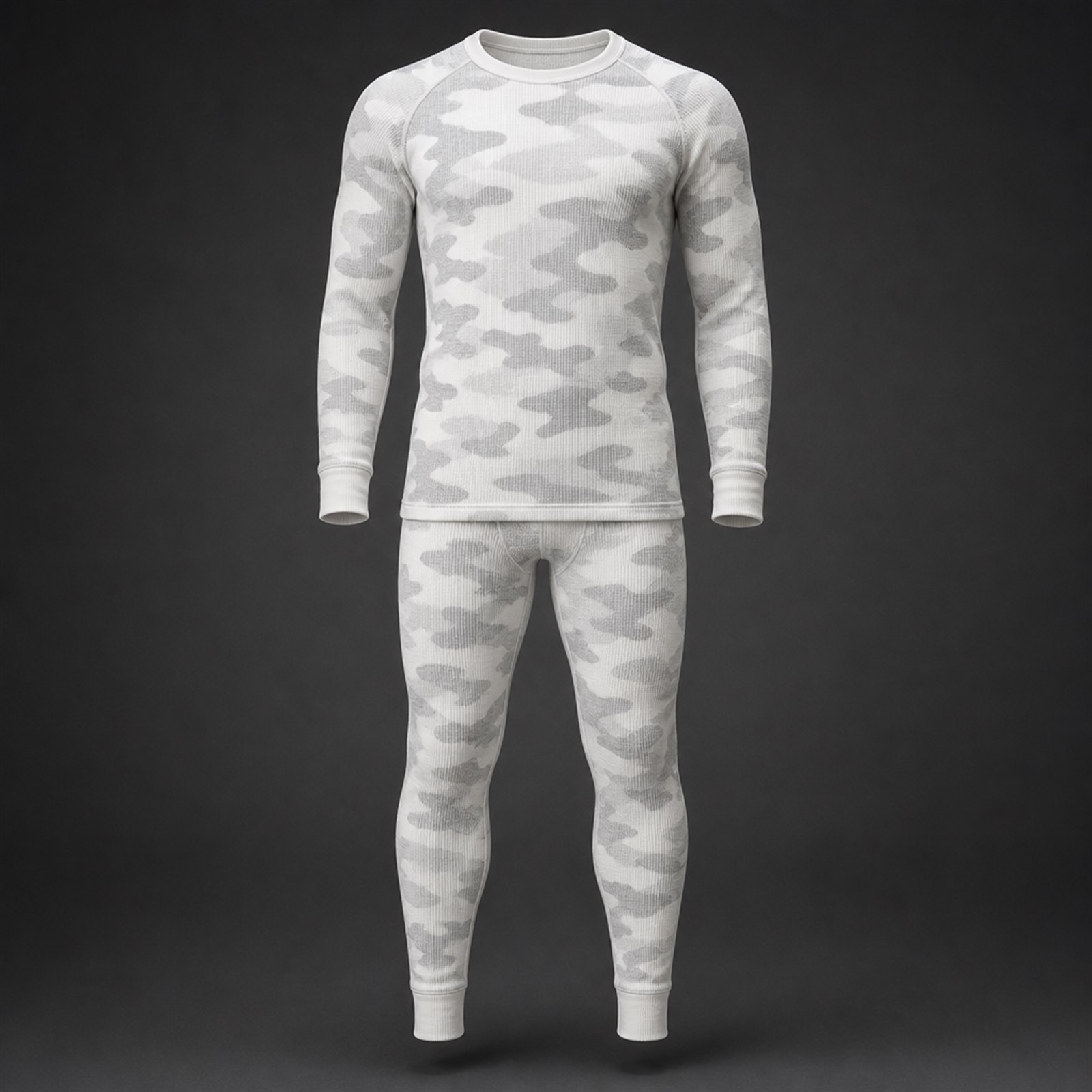
Thermal Base Layers
A base layer is the cheapest garment in a layering system and the one that decides whether the rest of it works.
Wet Weather Tactical Clothing
A waterproof tactical shell is a set of compromises, and a buyer should know exactly which compromises are being made.
Waterproof Winter Tactical Pants
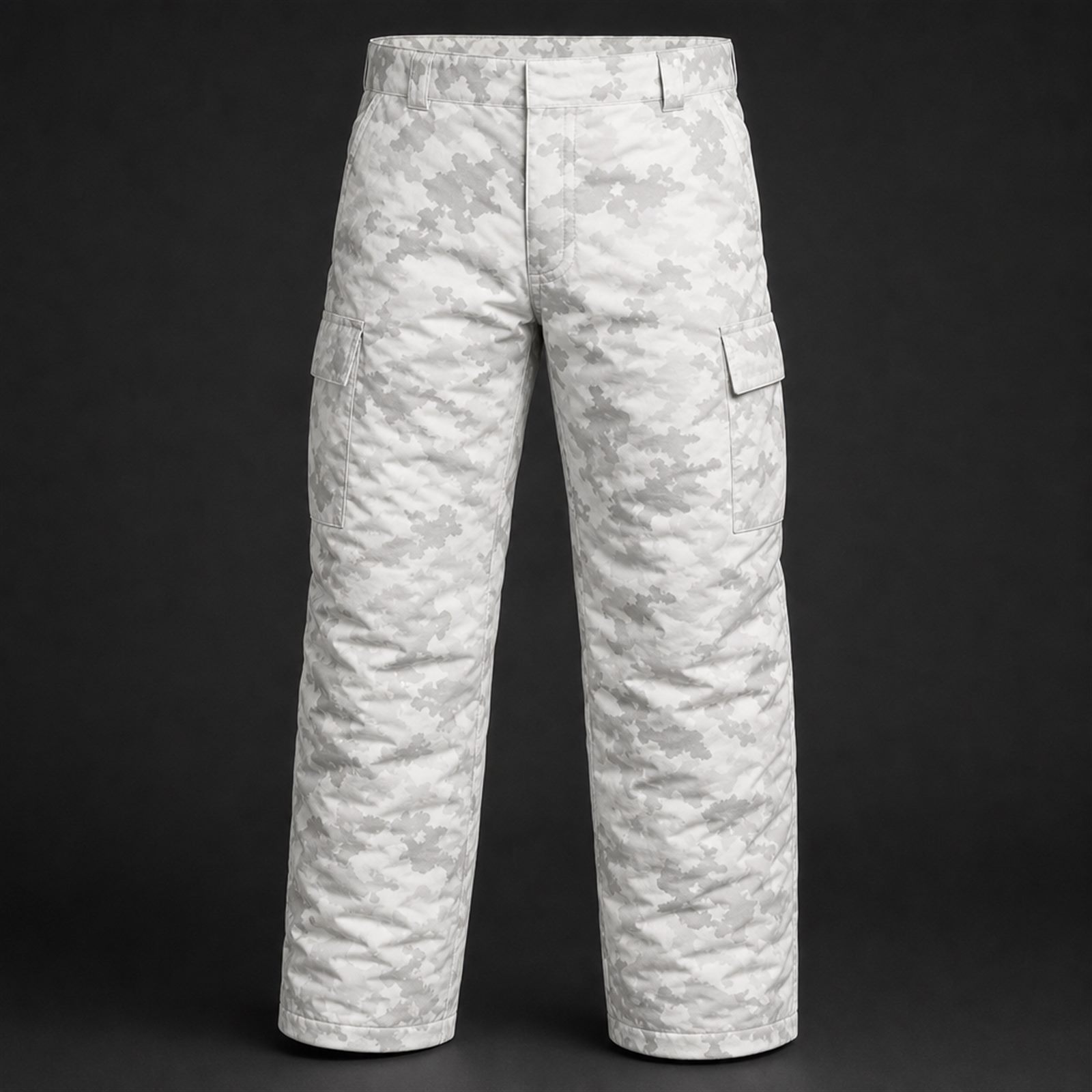
Winter pants do not fail because the fabric on the order sheet was wrong.
FAQ
Each layer has one job and the interfaces between them are designed together. The base layer moves moisture, the mid layer holds still air and the shell blocks wind and precipitation. Problems usually appear at the interfaces, such as a gap at the waist or cuffs that ride up, not in the layers themselves, which is why the layer stack is agreed before pattern development.
Two things matter. The base layer must move moisture outward rather than hold it, and the outer layers must be able to dump heat during exertion through vents or adjustable openings. Without ventilation the wearer has to remove a layer to cool down, and the moisture already in the system is what chills them when activity stops.
Not always. A waterproof shell is effective at excluding rain and snow, but it restricts moisture escape compared with a wind resistant softshell, so sweat accumulates inside the system. Where precipitation is limited, a softshell or wind resistant outer often performs better over a full day of intermittent activity.
That is set by the environment, the activity level and the layers around it, so it should not be a fixed figure. We agree the intended temperature band and activity with you, propose a layer architecture, and confirm the insulation selection per programme. Where the required performance has not been defined we mark it open rather than assume a value.
They can, because reinforcement placed over an insulated panel compresses the insulation and creates a colder, stiffer zone. The two are planned together on the same drawing: reinforcement is sized to the contact area only, and insulation is adjusted around it so the wearer does not get a cold bridge at the exact point that flexes most.
Related Products
Related Applications
Related Capabilities
Related Categories
Send the destination market, the season and how the garment will be worn. We will propose the specification and state the trade-offs, rather than recommending a single fabric with no context.