Field Lab
Cold Weather Abrasion Test
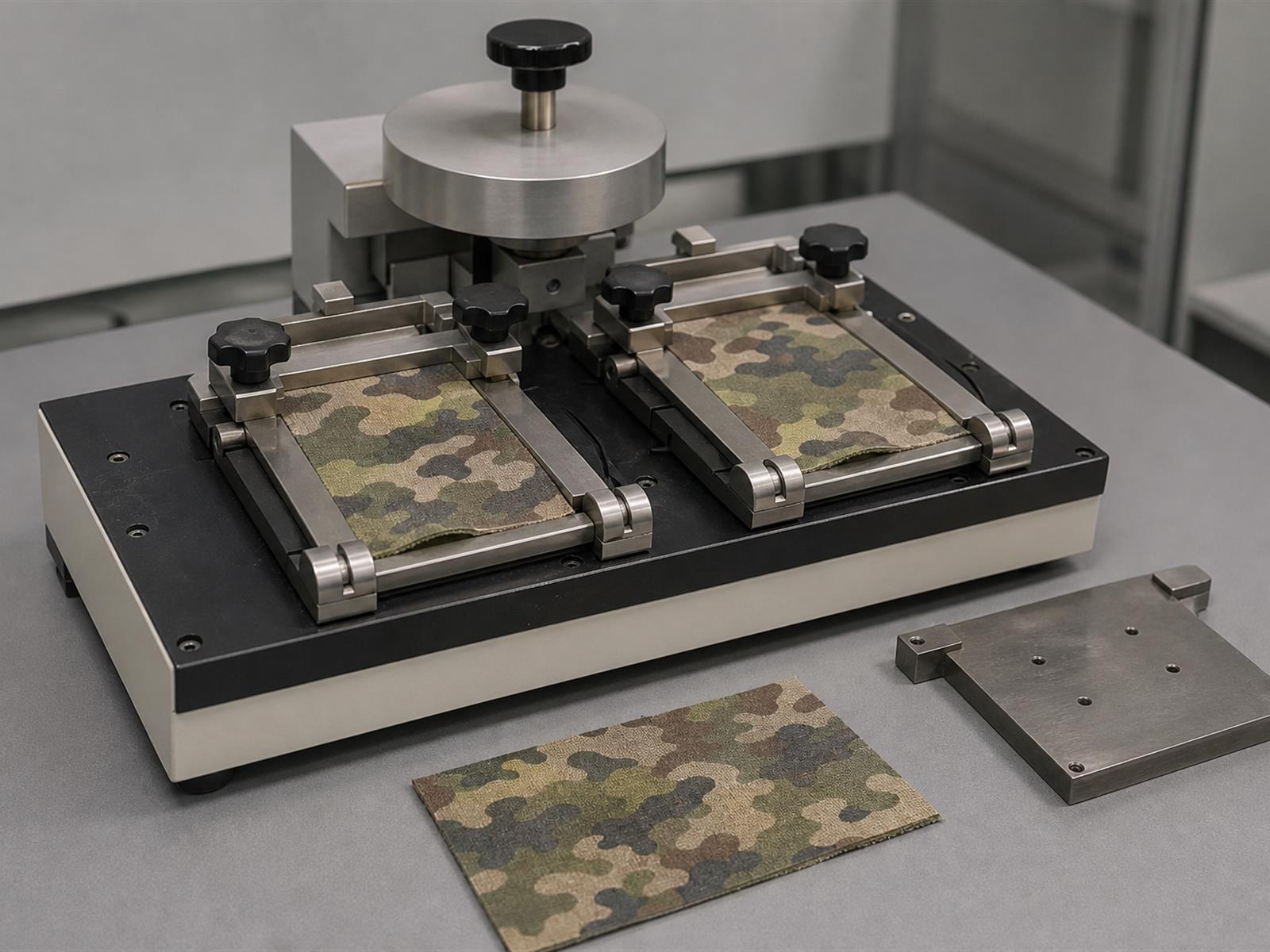
This Field Lab page is the test position for abrasion in cold weather garments. The question is how the outer fabrics and reinforcement materials we quote resist abrasion, and whether the ranking changes when the material is cold rather than at room condition. Cold weather clothing has a predictable wear pattern: elbows, knees, seat, cuffs and hems fail first, and insulated fabrics stiffen in the cold, which changes how they behave when they are rubbed against ground, equipment and vehicle interiors. No test has been completed, so method, observations and result are awaiting test data, and the test method has to be confirmed with the laboratory, including whether abrasion is run at a low material condition and how that condition is held. Thermal imaging cannot be treated as formal certification of insulation performance, and it cannot measure abrasion either; the two questions are unrelated.
- Status
- Awaiting test data
- Materials compared
- 4
Gallery
Test bench
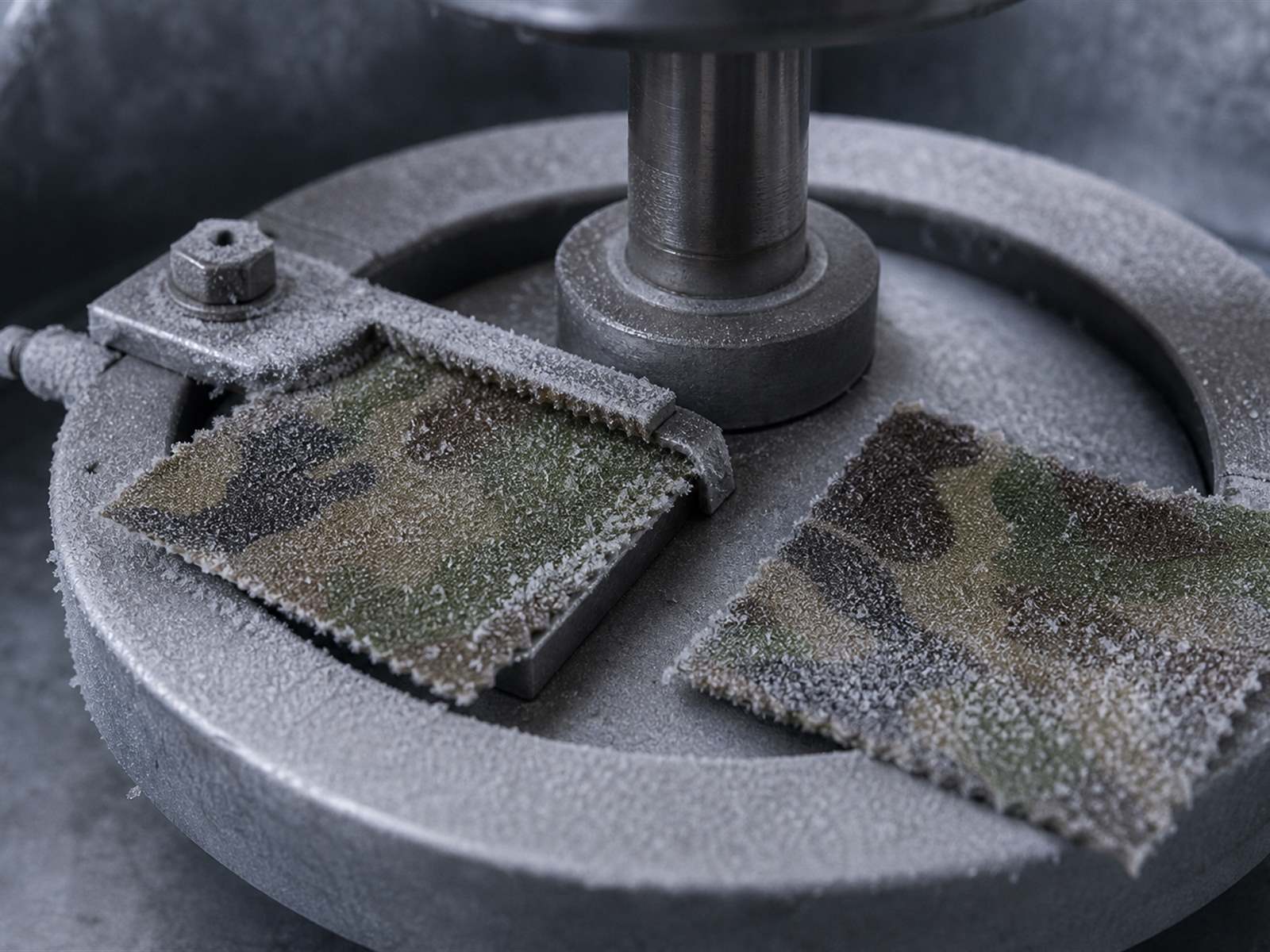
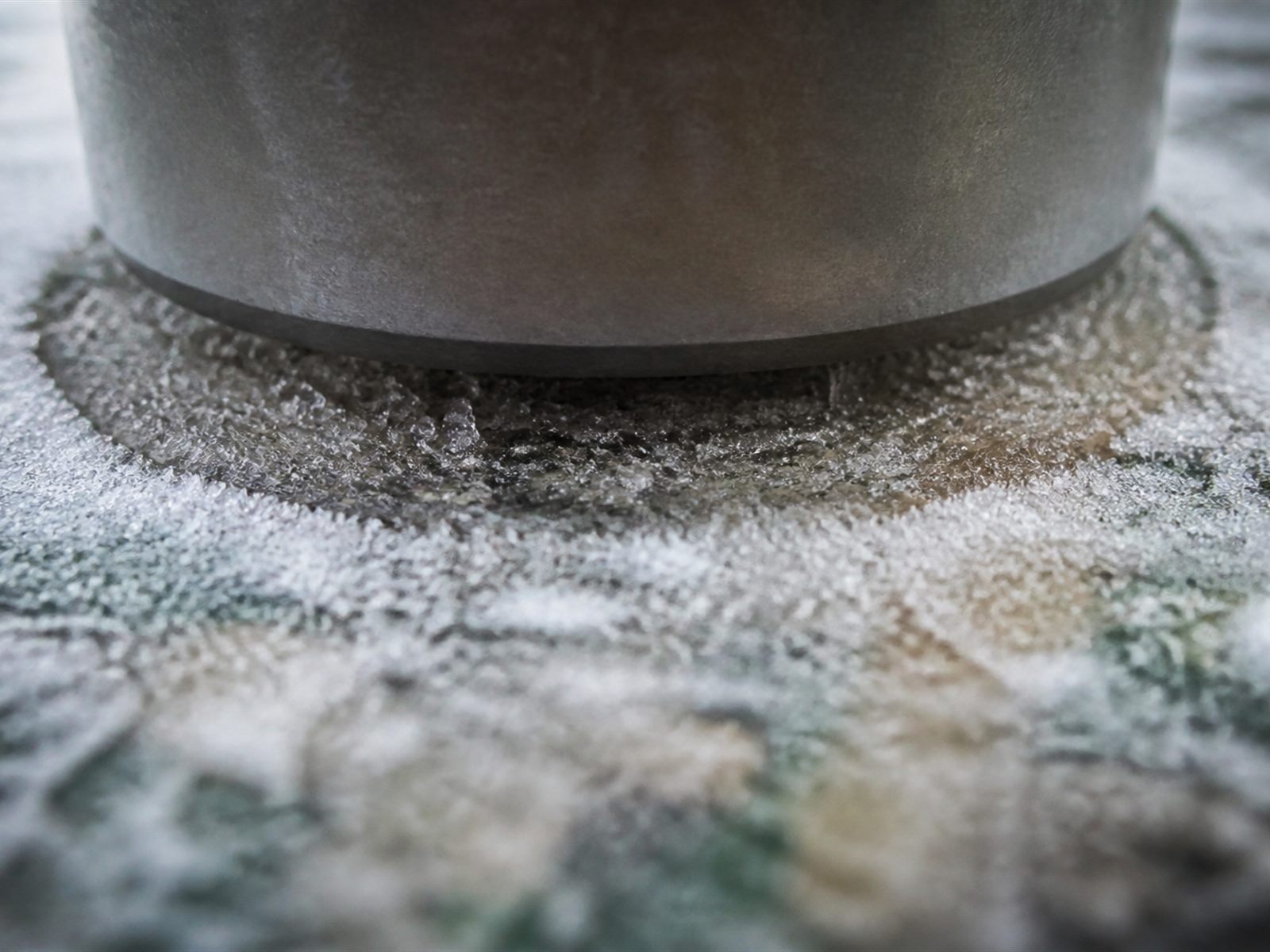
Status: AWAITING TEST DATA — Cold Weather Abrasion Test has not yet been run on real material. Method, observations and result will be published once the test has been completed and the output recorded.
Question
What are we testing?
Whether the outer fabrics and reinforcement materials we quote differ in abrasion resistance, and whether cold changes that ranking rather than simply making every specimen fail sooner. Test method: to be confirmed with the laboratory, applied identically to every specimen, with specimen conditioning defined before the test starts. Conditions required for a comparison to mean anything: the fabric or reinforcement specification and weight; the number of specimens and how they are oriented relative to the weave; whether the specimen is conditioned cold before testing and how that condition is established and held during the test; the abradant and how often it is renewed, because a loaded abradant changes after a few cycles; the load applied to the specimen; the endpoint, whether that is a number of cycles, a visible failure or a measured change in appearance; the ambient or low temperature condition of the test; and the instrument and calibration status. Two abrasion results obtained to different endpoints cannot be compared, even if the endpoint is only described differently.
Relevance
Why does it matter?
Abrasion is where a cold weather garment stops being a cold weather garment. Insulation does not fail first; the shell or reinforcement over the knee, seat and cuff wears through, and while the garment is still structurally intact it no longer keeps wind and water out of the layers beneath. Reinforcement placement and material choice are specification decisions with a cost attached, and buyers are frequently asked to pay for heavier face fabrics or additional reinforcement without any evidence of what the heavier option delivers. A comparison under one method gives the buyer a basis for choosing between a plain panel, a doubled panel and an applied reinforcement, and a way to argue that decision against a cheaper quotation.
Materials
Materials in this test
Material
Poly Cotton Ripstop
Poly cotton ripstop is a woven fabric built from a blend of polyester and cotton, reinforced with a grid of thicker yarns woven at intervals.
Material
NYCO Ripstop
NYCO ripstop is a woven fabric that blends nylon with cotton and reinforces the structure with a grid of heavier yarns woven at regular intervals.
Material
Stretch Ripstop
Stretch ripstop combines the tear containment of a ripstop grid with the movement of a stretch construction.
Material
Softshell Fabric
Softshell is a fabric system rather than a single cloth.
Method & result
Method, observations and result
Cold Weather Abrasion Test is published only when the underlying work has been carried out, so an empty field means the test has not yet produced that value.
Testing method
Awaiting test data — to be published when the test is complete.
Observations
Awaiting test data — to be published when the test is complete.
Result
Awaiting test data — to be published when the test is complete.
Limitations
What this test cannot tell you
Limitations: an abrasion instrument cannot reproduce the ground. Real wear combines abrasion with soil and grit trapped in the fabric, repeated flexing, load, and contact with metal and vehicle interiors, and the grit in particular accelerates damage in a way a controlled abradant does not. A result also describes the fabric in the condition it was tested in, and the panels that fail first in service are usually the ones under the most flex and stretch, which changes the material's behaviour. Abrasion results therefore compare materials under a method; they do not predict the service life of a garment, and they cannot be converted into a number of seasons. This test does not produce or support any statement about warmth, and any comfort conclusion for a buyer's programme has to come from the buyer's own field trials. Third-party laboratory position: whether this test is run in our own facility or by an independent laboratory has not yet been decided; an independent result requires an accredited laboratory and a report naming the method, the abradant, the endpoint and the specimen.
Related
Related content
Related Materials
Related Applications
Related Capabilities
Request a sample to evaluate yourself
Send the product type and the application. We will propose the material options for that application and state the trade-offs, so the comparison you run is against the right candidates.