Field Lab
Insulation Comparison
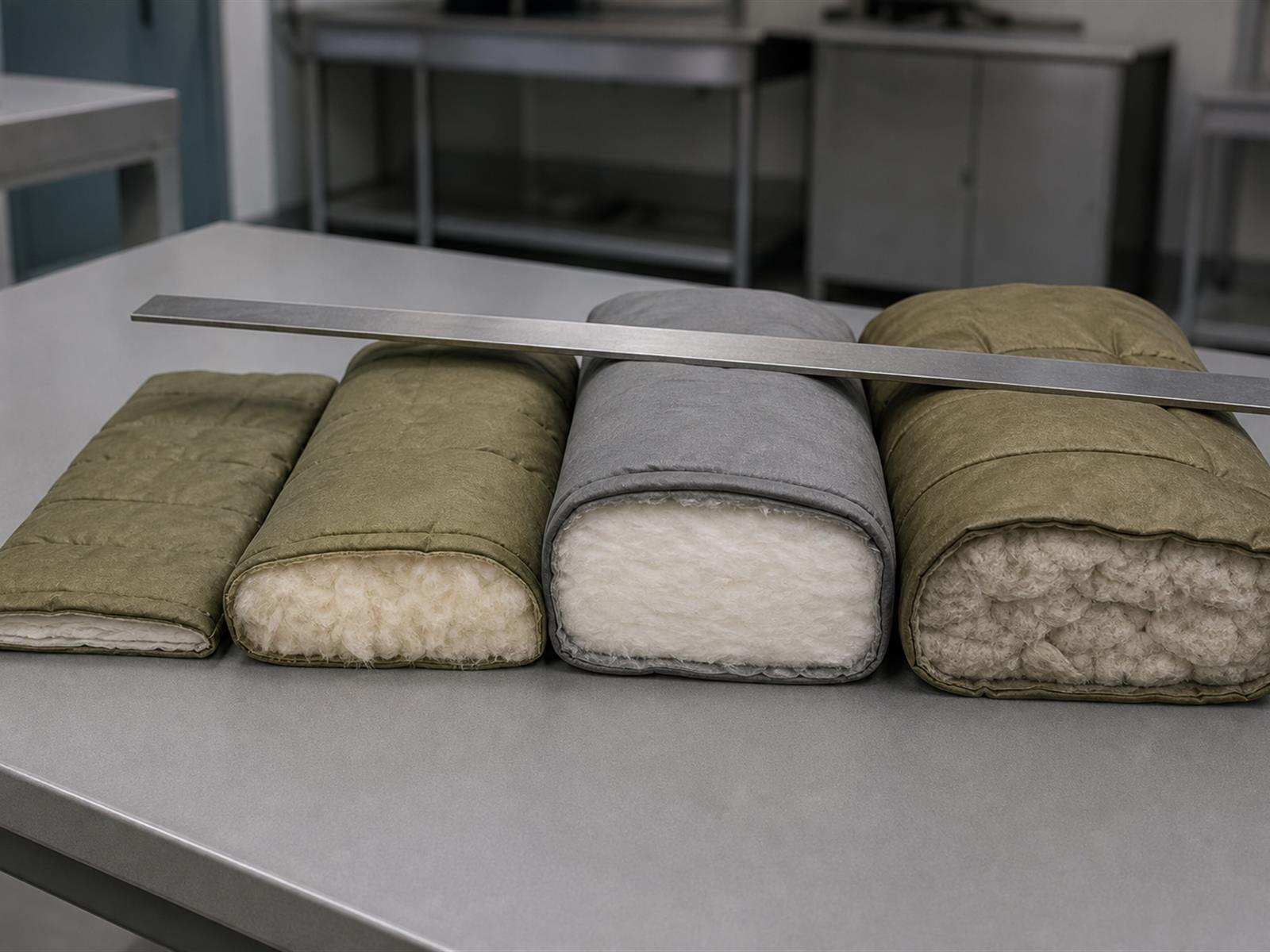
This Field Lab page is the test position for insulation comparison in cold weather garments. The question is whether the insulation types and constructions we quote behave differently from one another in retained warmth, in recovery after compression, and in how they behave once moisture is present, and whether any difference is large enough to change a specification decision. Nothing has been run yet, which is why method, observations and result are shown as awaiting test data. The test method is not fixed and will have to be confirmed with the laboratory before the test is run, including how many specimens are taken and how each specimen is conditioned first. Two points are stated up front because they decide how this page may be used: thermal imaging cannot be treated as formal certification of insulation performance, and any comfort conclusion about a finished garment has to come from the buyer's own field trials in their own conditions rather than from a comparison of samples.
- Status
- Awaiting test data
- Materials compared
- 4
Gallery
Test bench
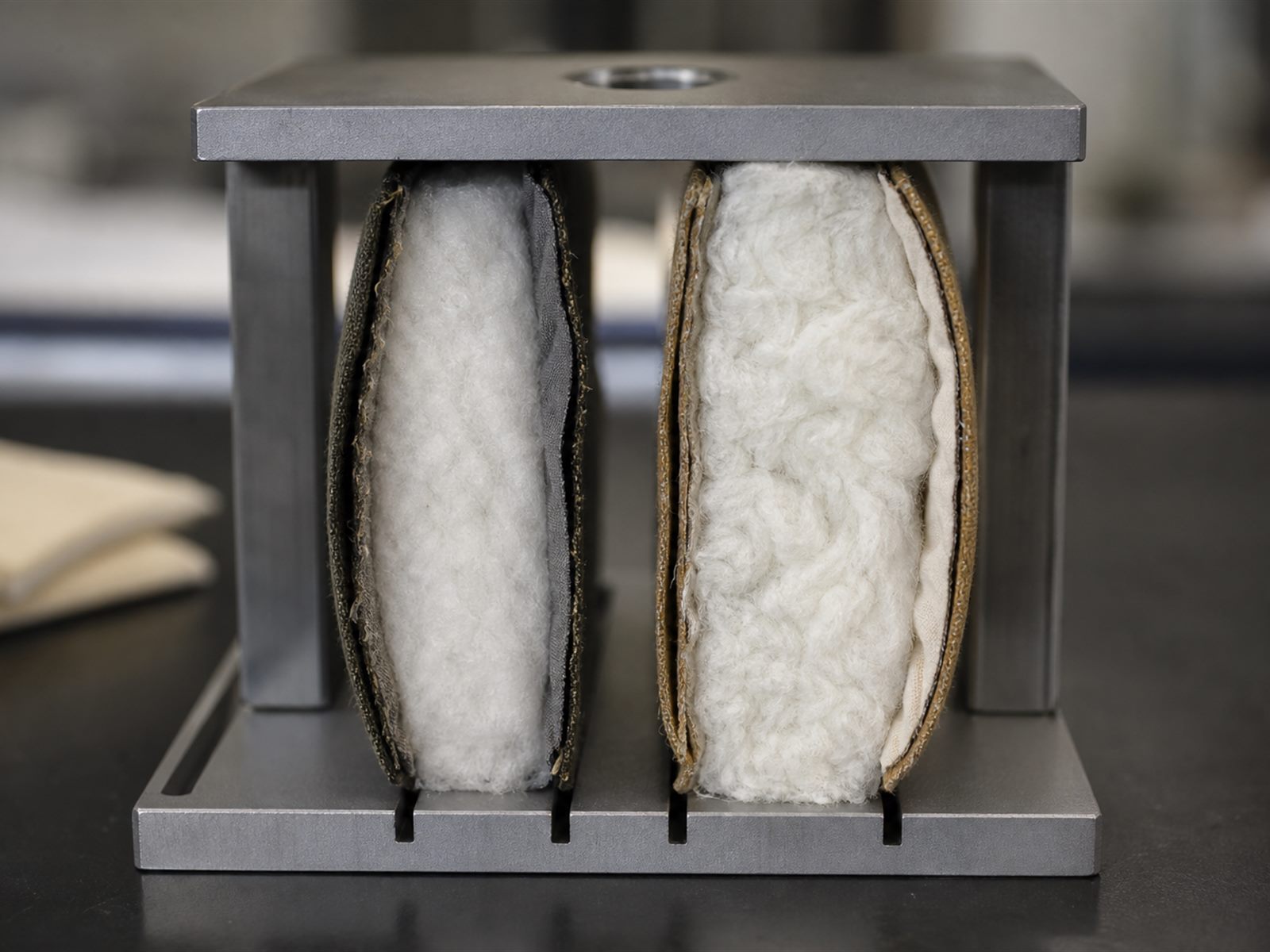
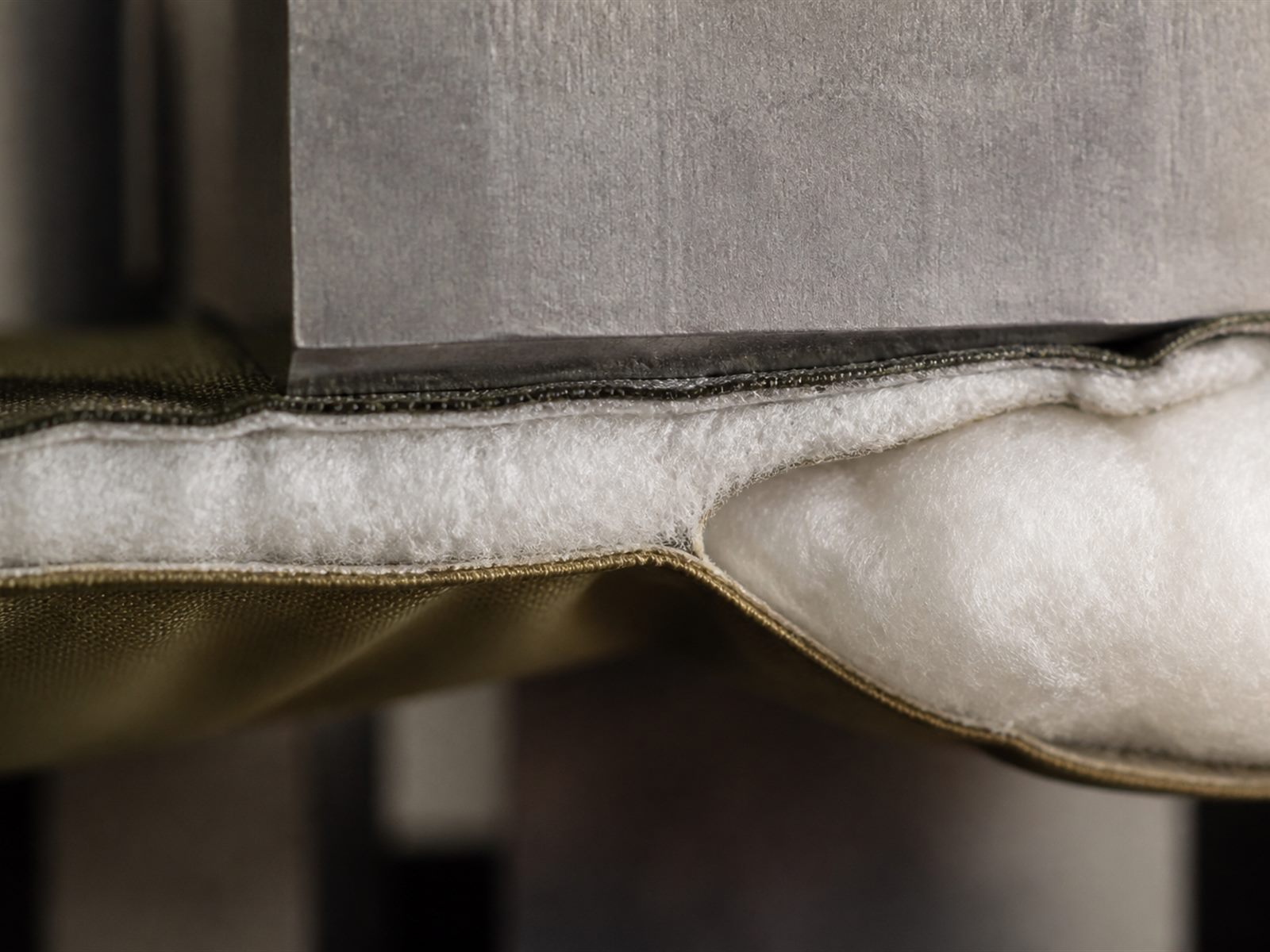
Status: AWAITING TEST DATA — Insulation Comparison has not yet been run on real material. Method, observations and result will be published once the test has been completed and the output recorded.
Question
What are we testing?
Whether insulation types and constructions differ under one set of measurements, and how much of the difference between two garments is caused by the insulation rather than by the shell, the lining or the pattern above it. Test method: to be confirmed with the laboratory, and the same method has to be applied to every specimen. Conditions required for a comparison to mean anything: the insulation type and its weight or loft per unit area; the face fabric and lining used either side of it; the baffle or quilt construction and stitch spacing; the panel size and the body position sampled; the loft of the specimen measured before the test; whether the specimen is preconditioned and how; the ambient conditions and humidity in the laboratory; the equipment used and its calibration status; and the number of specimens taken from each insulation. Where any of these differ between the two specimens, the result describes the difference in the specimen set rather than the difference in the insulation.
Relevance
Why does it matter?
Insulation is one of the largest single cost lines in a cold weather garment, and buyers are asked to pay more for it on the assumption that it performs. Because we do not publish warmth figures, the only defensible way to justify a change of insulation is a comparison made under one method on the constructions actually being quoted. A buyer who changes insulation between two orders should be able to see what that change does on a measurement, and a buyer offered a cheaper garment should be able to ask what the cheaper insulation does differently. Without that, the decision is made from a material datasheet supplied by the insulation maker rather than from evidence about the finished construction, and the buyer carries the risk of a claim that cannot be checked.
Materials
Materials in this test
Material
Cold Weather Insulation Material
Cold weather insulation material keeps a wearer warm by holding still air in a structure, not by generating heat.
Material
Fleece
Fleece is a pile knit or woven fabric with a raised surface that traps air.
Material
Wind Resistant Fabric
Wind resistant fabric reduces the air movement that strips warmth away from the body.
Material
Softshell Fabric
Softshell is a fabric system rather than a single cloth.
Method & result
Method, observations and result
Insulation Comparison is published only when the underlying work has been carried out, so an empty field means the test has not yet produced that value.
Testing method
Awaiting test data — to be published when the test is complete.
Observations
Awaiting test data — to be published when the test is complete.
Result
Awaiting test data — to be published when the test is complete.
Limitations
What this test cannot tell you
Limitations: this test will not tell a buyer how warm a garment feels. Warmth depends on the wearer's activity level, wind, humidity, exposure time, the layers worn underneath, how the garment fits and how much of the body it covers, and none of those are properties of the insulation. A bench comparison also does not reproduce the way insulation is compressed by equipment straps, by sitting, and by being packed and carried, and it does not reproduce the moisture a wearer puts into the system from the inside, so compression recovery and behaviour when damp have to be tested as separate questions rather than assumed from one result. Third-party laboratory position: it has not yet been decided whether this test will be run in our own facility or commissioned from an independent laboratory. Where a buyer needs a result that a third party will accept, the test has to be commissioned from an accredited independent laboratory, and the report has to name the method, the conditioning, the specimen and the laboratory that issued it. We would rather state that limitation now than publish a figure whose origin is unclear.
Related
Related content
Related Applications
Related Capabilities
Request a sample to evaluate yourself
Send the product type and the application. We will propose the material options for that application and state the trade-offs, so the comparison you run is against the right candidates.