Tactical Softshell Jackets
Tactical Softshell Jacket
A softshell is a compromise, and buyers who know which compromise they are buying get a better jacket.
Cool to coldWindyVariable / active use
View productProducts / Wet Weather Tactical Clothing
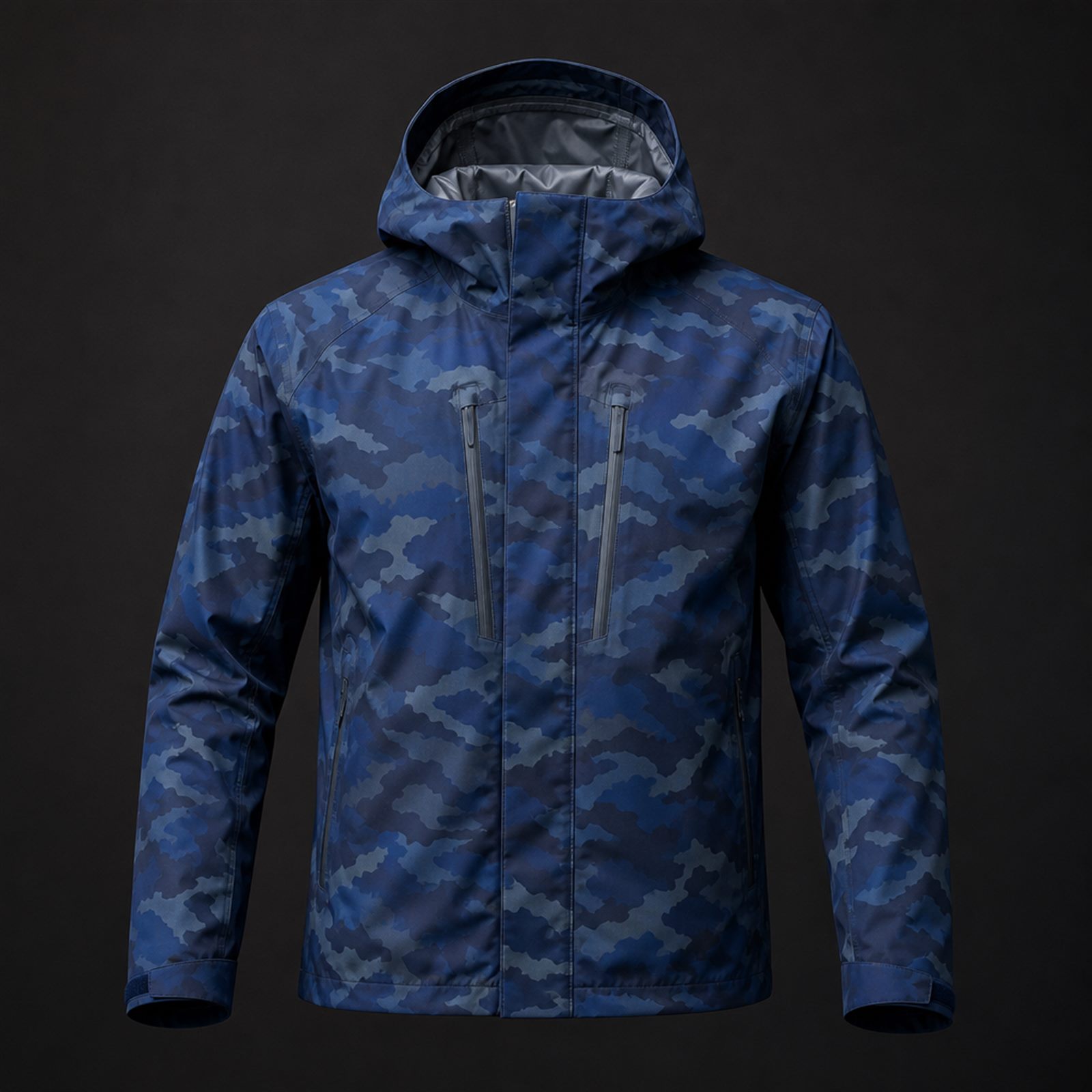
A waterproof tactical shell is a set of compromises, and a buyer should know exactly which compromises are being made. Keeping water out and letting vapour escape pull in opposite directions: every membrane, coating and seam sealing decision that raises water resistance tends to reduce breathability, and the reverse is equally true. This shell is developed around the conditions the garment will actually meet — rain duration, activity level, and whether it is worn over insulation or directly over a base layer. Water repellent finish is treated as a consumable rather than a permanent property, so the construction is designed to keep performing as that finish wears. Seam sealing, closure protection and hood geometry are specified to the buyer's requirement instead of assumed.
Gallery
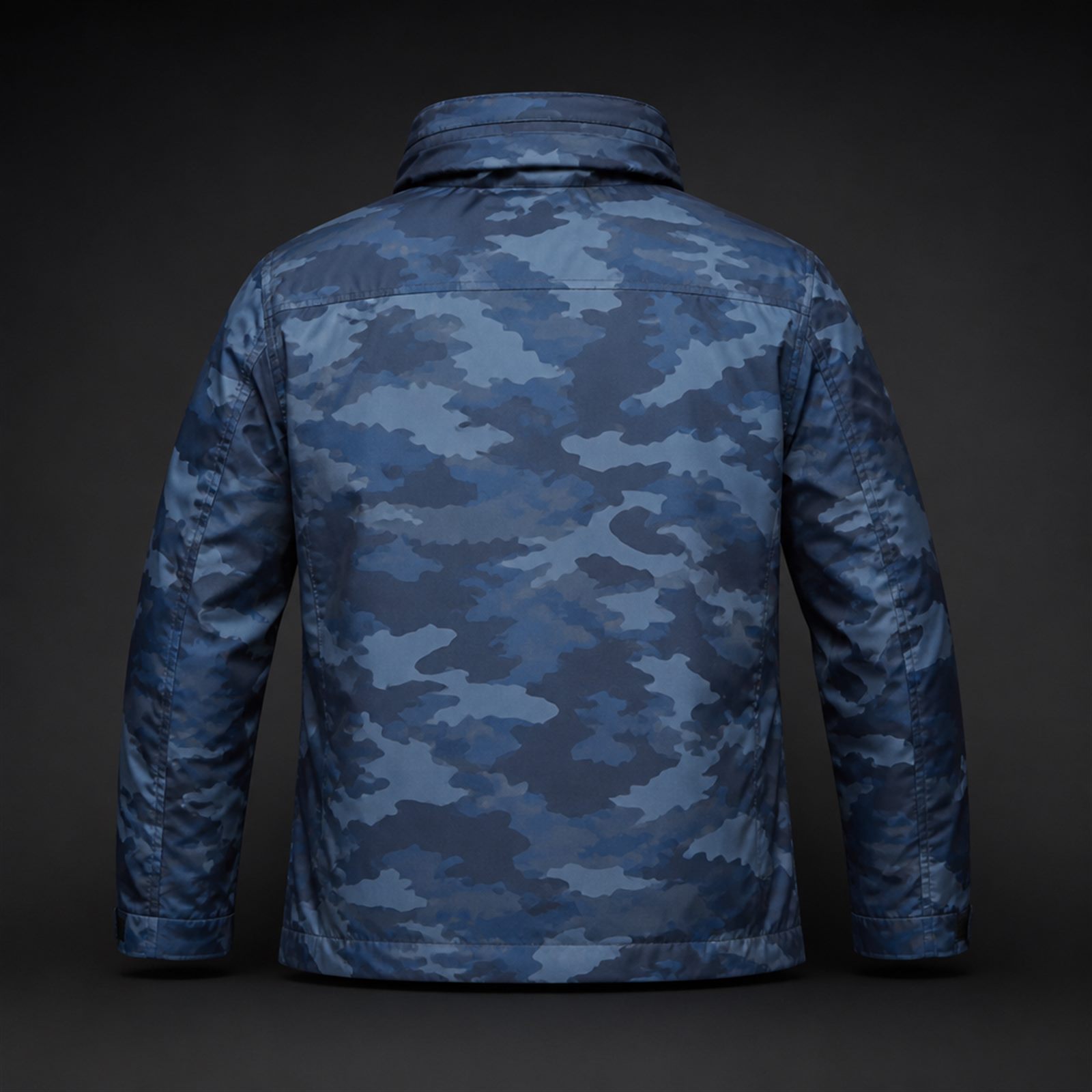
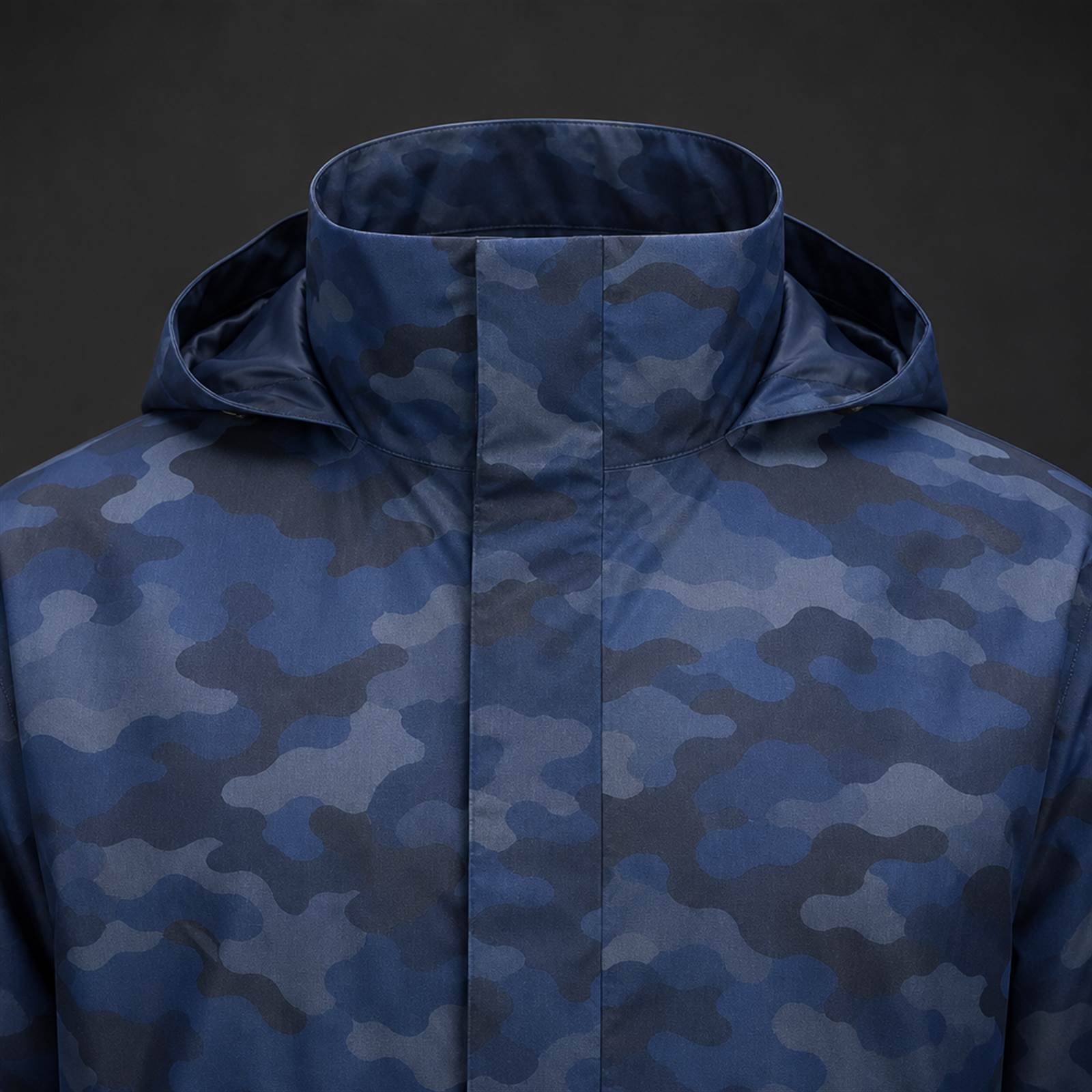
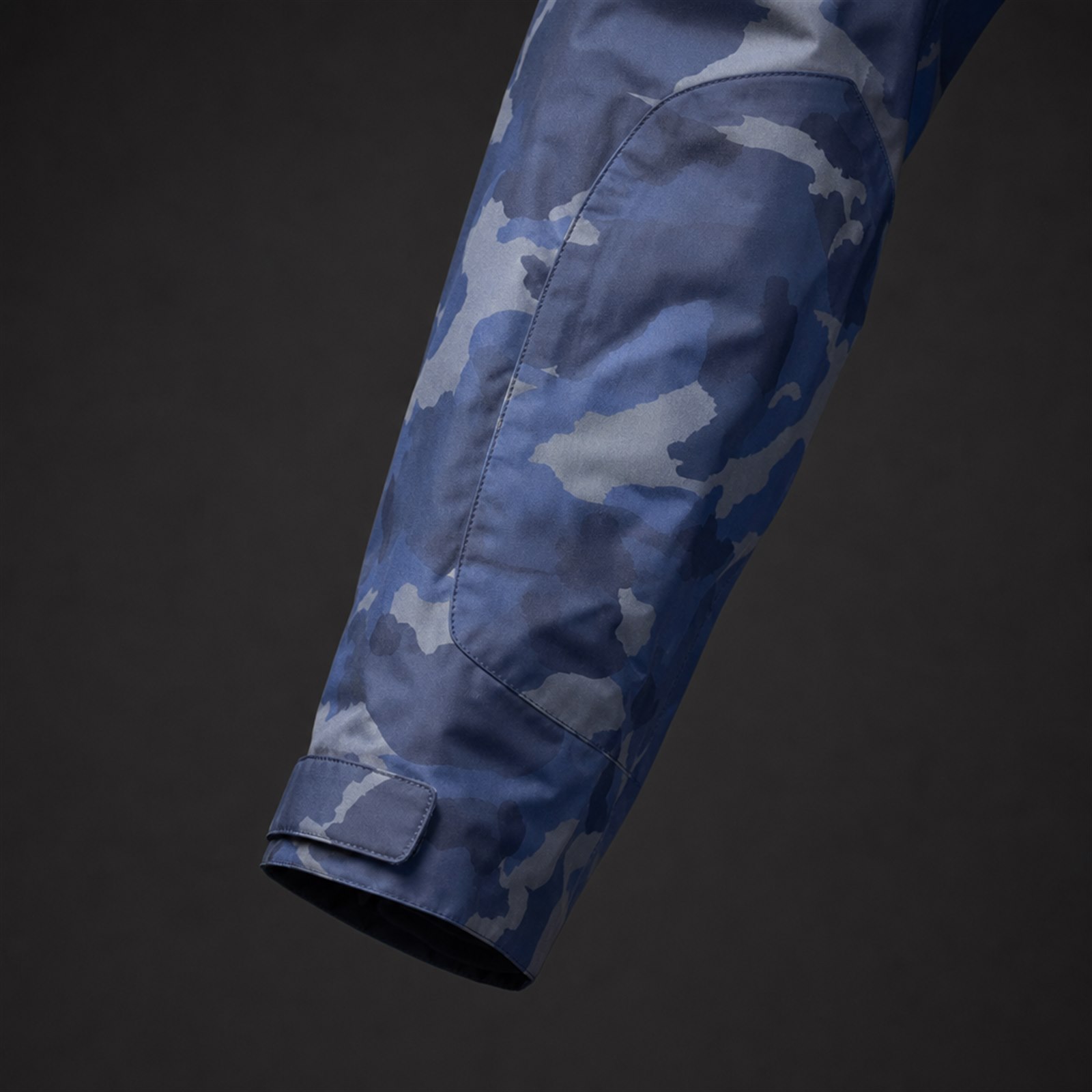
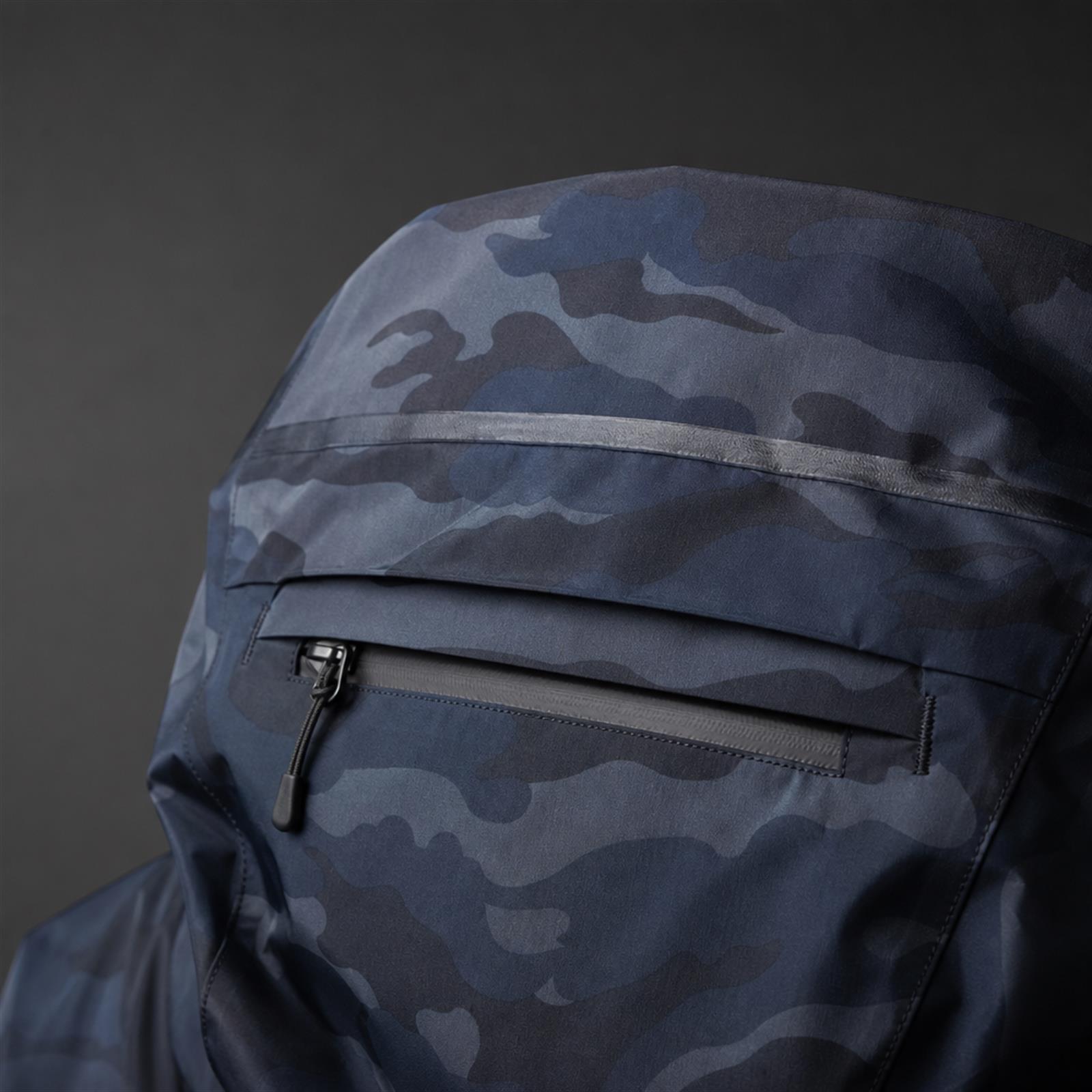
Design purpose
Keep rain out while managing the moisture the wearer produces, and stay serviceable as the water repellent finish wears. Every construction decision is judged against whether it keeps water out, lets vapour move, or protects a weakness — and the trade-off between those three is stated to the buyer rather than hidden.
Applications
Interactive map
Waterproof Tactical Shell: select a marker to see what can be specified at that part of the garment — all 10 mapped areas are also listed in full below the map, so nothing is hidden behind an interaction.
Customization by garment part
Select a marker to see the customization options available at that part of the garment. Every option below is a manufacturing decision you control.
Materials
4 material options for Waterproof Tactical Shell, specified per garment area — a single fabric cannot serve heat management and abrasion resistance at the same time.
Shell face fabric
Selected against expected rain duration and activity level. A laminate holds up to sustained rain better; a lighter coated shell breathes more but is aimed at intermittent rain. The trade-off is stated before the fabric is locked.
Membrane or coating
The mechanism matters more than the name: microporous films move vapour fastest when clean, while hydrophilic films are less sensitive to contamination and body oils. The correct choice depends on how the garment is worn and cleaned.
Lining
Lining protects the membrane and controls how the shell feels against skin, but it adds weight and can trap moisture. Lining-free shells are lighter and dry faster, and demand a base layer that manages moisture correctly.
Seam sealing
Every needle hole in a waterproof fabric is a leak path, which is why seam treatment is a specification decision and not a finishing detail.
Construction
How each of the 8 parts of Waterproof Tactical Shell is assembled, and why that choice was made.
Hood
Three-panel or two-panel hood built to be worn over a helmet or over a bare head, with a wired or structured peak and rear volume adjustment. Volume must be agreed before pattern development because a hood sized for a helmet is unusable without one.
Front closure
Storm flap over a water-resistant or waterproof zip, or a flap-and-hook-and-loop closure where zip leakage risk is unacceptable. The flap is a real leak barrier, not decoration, so its overlap and stiffness are specified.
Seams
Fully or critically taped depending on the buyer's requirement, with taping at shoulder and hood seams prioritised because those are the first to leak under sustained rain.
Sleeve
Set or raglan sleeve construction chosen for shoulder sealing. Raglan moves the shoulder seam away from the highest load point, at the cost of a more difficult tape line.
Cuff
Adjustable cuff with hook and loop, elasticated inner cuff or storm cuff with over-glove opening. Cuff design is a water entry decision — water runs down the arm and enters any loose cuff.
Pockets
Zippered pockets with storm flaps, with water-resistant zips at exposed positions. Pocket placement is checked against harnesses and load-bearing equipment so access is not blocked.
Hem
Hem length and adjustment specified against the layer the shell is worn over. A hem that rides up over a belt exposes the wearer; a hem that is too long catches on the knees.
Reinforcement
Abrasion reinforcement at shoulders, elbows and hem edge, where pack straps and contact with ground and structure wear the fabric and the finish first.
Features
The 6 functional features of Waterproof Tactical Shell each exist to solve a specific problem in use, and where a feature is a trade-off rather than a pure gain that is stated.
Waterproofness and vapour escape work against each other. The shell is specified against the buyer's real use — rain duration and activity level — instead of claiming both extremes.
Durable water repellent finish degrades with abrasion, dirt and washing. Construction decisions assume the finish will need renewal, so the shell does not depend on it alone for performance.
Stitched seams are the primary leak path in any waterproof garment. Taping coverage is defined as part of the specification, not left as a finishing default.
Storm flaps, water-resistant zips and closure overlap protect the points where water actually enters a shell in use.
Helmet-compatible and bare-head hoods are different products. The hood volume, peak and adjusters are agreed against the buyer's intended wear.
Shoulder, chest and hem dimensions are developed against the layers the shell must cover, so it does not restrict movement when worn over insulation.
Customization
14 customization lines for Waterproof Tactical Shell: branding, colour, camouflage and packaging are all part of the specification, and every item is confirmed on the pre-production sample.
Face Fabric
Membrane
Lining
Seam Sealing
Hood
Front Closure
Cuff
Ventilation
Color
Logo
Insignia
Label
Packaging
Colour
Camouflage
Sizing
Sizes are developed from the buyer's target size range and existing size chart or uniform sizing standard. Because this garment is worn as an outer layer, the size set is confirmed over the actual layers the end user will wear underneath, not over a bare measurement. A size set sample is produced so critical measurements — chest, shoulder, sleeve length, back length, hood volume and hem opening — are confirmed across the range. Measurement tolerances are agreed in writing before bulk so inline and final inspection measure against the same numbers.
Branding
Main label, size label, care label and country of origin label are produced to the buyer's artwork and content. Branding can be applied as woven label, printed label, rubber patch, embroidery or heat transfer. Care labelling is written to match the actual membrane and finish technology, because incorrect care instructions are one of the most common reasons a waterproof shell loses performance in service. All labelling and packaging is confirmed on the pre-production sample.
Logistics
Sample development
Development of Waterproof Tactical Shell runs in 7 stages, each risk removed before the next step commits cost.
Requirement review
Rain exposure, activity level, layering and climate reviewed, and specification gaps returned in writing before any material is cut.
Material and membrane proposal
Face fabric, membrane or coating and lining proposed against the intended use, with the waterproof and breathability trade-off stated for each option.
Pattern development
Pattern developed to the approved measurements and layering requirement, including hood volume and hem length.
Prototype
First sample produced for fit over layers, hood function, closure and seam assessment.
Revision
Consolidated buyer comments applied in a single revision round.
Size set
Full size range produced for measurement confirmation across the approved size chart.
Pre-production sample
Final approved construction, materials and seam treatment locked as the bulk standard.
Bulk production
7 stages of bulk production for Waterproof Tactical Shell — where the approved specification is either held or lost.
Fabric and trim approval
Bulk face fabric, membrane, lining, zips, seam tape, hook and loop, thread and labels approved against the pre-production standard.
Cutting
Cutting performed against the approved pattern with markers controlled for shade and print alignment.
Seam sealing setup
Taping machine settings confirmed on the bulk fabric before the run begins, because tape adhesion is sensitive to fabric, heat and speed.
Assembly
Line assembly to the approved construction sequence with defined reinforcement at stress points.
Inline inspection
In-process inspection so faults, including sealing faults, are corrected on the line rather than at final.
Finishing
Thread trimming, hardware function check and pressing carried out without damaging the finish or tape.
Final inspection and packing
Measurement, construction and packing inspection against the agreed standard, documented.
Quality control
The 7 checks applied to Waterproof Tactical Shell, each measured against an agreed standard rather than against opinion.
Incoming fabric inspection
Shade, weight, width and print alignment checked before the fabric enters production.
Membrane and coating check
Incoming membrane or coated fabric verified against the approved reference for hand, appearance and backing adhesion.
Pre-production approval
Buyer-approved pre-production sample becomes the reference standard.
Inline inspection
Work in progress inspected at defined points during assembly, with closure and seam preparation checked before sealing.
Seam sealing inspection
Tape coverage, placement and adhesion checked against the approved standard, with critical seams prioritised.
Measurement and construction inspection
Critical measurements checked against the approved size set with agreed tolerances, and stitching, reinforcement, hardware and symmetry checked against the approved sample.
Final inspection and packing inspection
Finished goods inspected before packing, then labels, folding, poly bagging and carton marking checked against the packing instruction.
Specifications
20 specification rows for Waterproof Tactical Shell: only confirmed items are listed, so a row that depends on your programme is omitted rather than filled with an estimate.
| Product type | Waterproof tactical shell jacket |
|---|---|
| Face fabric | Waterproof laminate or coating — confirmed at specification stage |
| Membrane or coating | Specified per buyer rain exposure and activity level |
| Lining | Mesh, taffeta, partially lined or lining-free |
| Seam sealing | Fully or critically taped to buyer requirement |
| Hood | Fixed, roll-away or detachable, helmet compatible or bare-head volume |
| Front closure | Water-resistant or waterproof zip, storm flap, or flap with hook and loop |
| Cuff | Hook and loop, elasticated inner cuff or storm cuff |
| Size range | Developed to buyer size chart or uniform sizing standard over the intended layers |
| Labelling | Private label to buyer artwork |
| Packaging | To buyer packing instruction |
FAQ
It comes down to how long the wearer is actually in the rain and how hard they are working. A laminate generally holds up better to sustained rain and repeated flexing, while a coated fabric can be lighter and less expensive but is usually aimed at intermittent rain and lower activity. We propose options for your specific use and state the trade-off in writing before the material is locked.
No, and it should not be presented as permanent. The finish is a surface treatment that degrades with abrasion, contamination, body oils and washing, and it can be renewed with the correct aftercare product. That is why construction, seam treatment and closure protection are specified so the shell keeps working even as the finish wears.
Seams can be fully taped or critically taped, depending on your requirement. Taping coverage is treated as part of the specification because stitched seams are the main leak path in a waterproof garment. Shoulder and hood seams are prioritised under either option because they are the first to leak in sustained rain.
Yes, but helmet-compatible and bare-head hoods are different products and cannot share one pattern. The intended wear must be confirmed before pattern development, because a hood sized to clear a helmet is unusable without one and behaves poorly in wind.
Yes. The shell can be produced in printed camouflage to your artwork with a print standard approved before bulk, and panel alignment is controlled at cutting so the pattern lines up across sealed seams. Solid colourways are also available with lab dip approval.
MOQ and lead time depend on the fabric, the membrane, the seam treatment and the number of colourways, and we do not publish figures we have not confirmed for your specification. Tell us the product and quantity you have in mind and we will state what applies to your programme.
Related Applications
Related Capabilities
Related Articles
Related Categories
More products
Tactical Softshell Jackets
A softshell is a compromise, and buyers who know which compromise they are buying get a better jacket.
Cold Weather Tactical Clothing
A cold weather jacket has to hold warmth, allow movement and get rid of moisture, and those three requirements pull against each other.
Tactical Jackets
A field jacket is bought for a specific job: it carries what the wearer needs to reach without opening a pack, stays out of the way when the wearer kneels, climbs or drives, and can be worn over a shirt or a fleece without becoming a straightjacket.
Send us your tech pack, reference sample or product idea. We review your requirement, recommend materials and construction, and come back with a development plan you can act on.