Field Lab
Seam Strength Test
This Field Lab page states test intent before any result exists. The question is where a garment seam fails first when it is pulled: whether the thread breaks, the fabric tears at the stitch line, or the yarns slip and open the seam, and how the fabrics and seam types we use compare when the same method is applied to each. The test structure, the fabric and construction set, the loading conditions and the limits of the method are published here now. Observations and results will be added only when the test has actually been run on real fabric and every reading has been recorded. Until then this page describes what we intend to measure, not what any seam does.
- Status
- Awaiting test data
- Materials compared
- 4
Gallery
Test bench
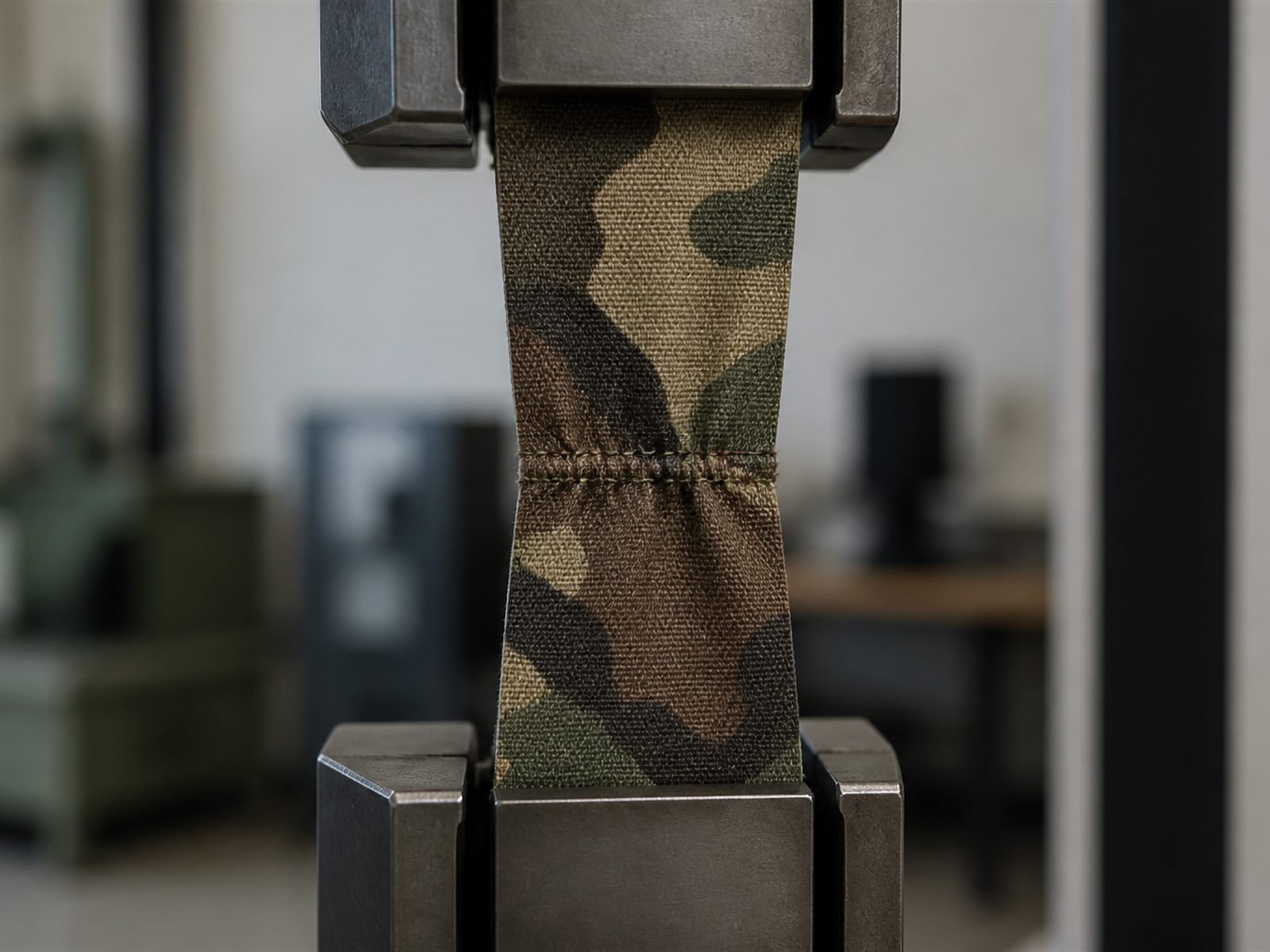
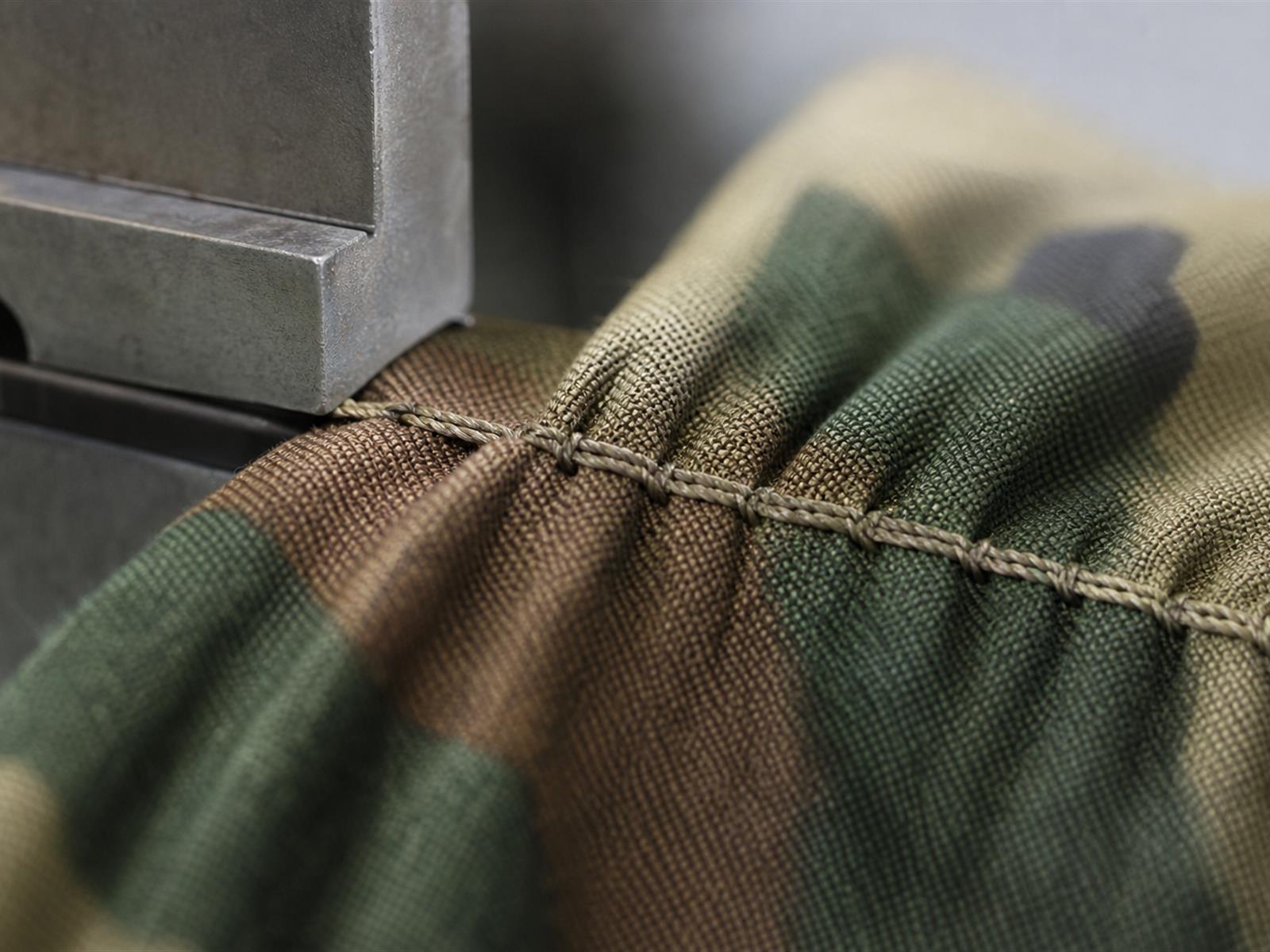
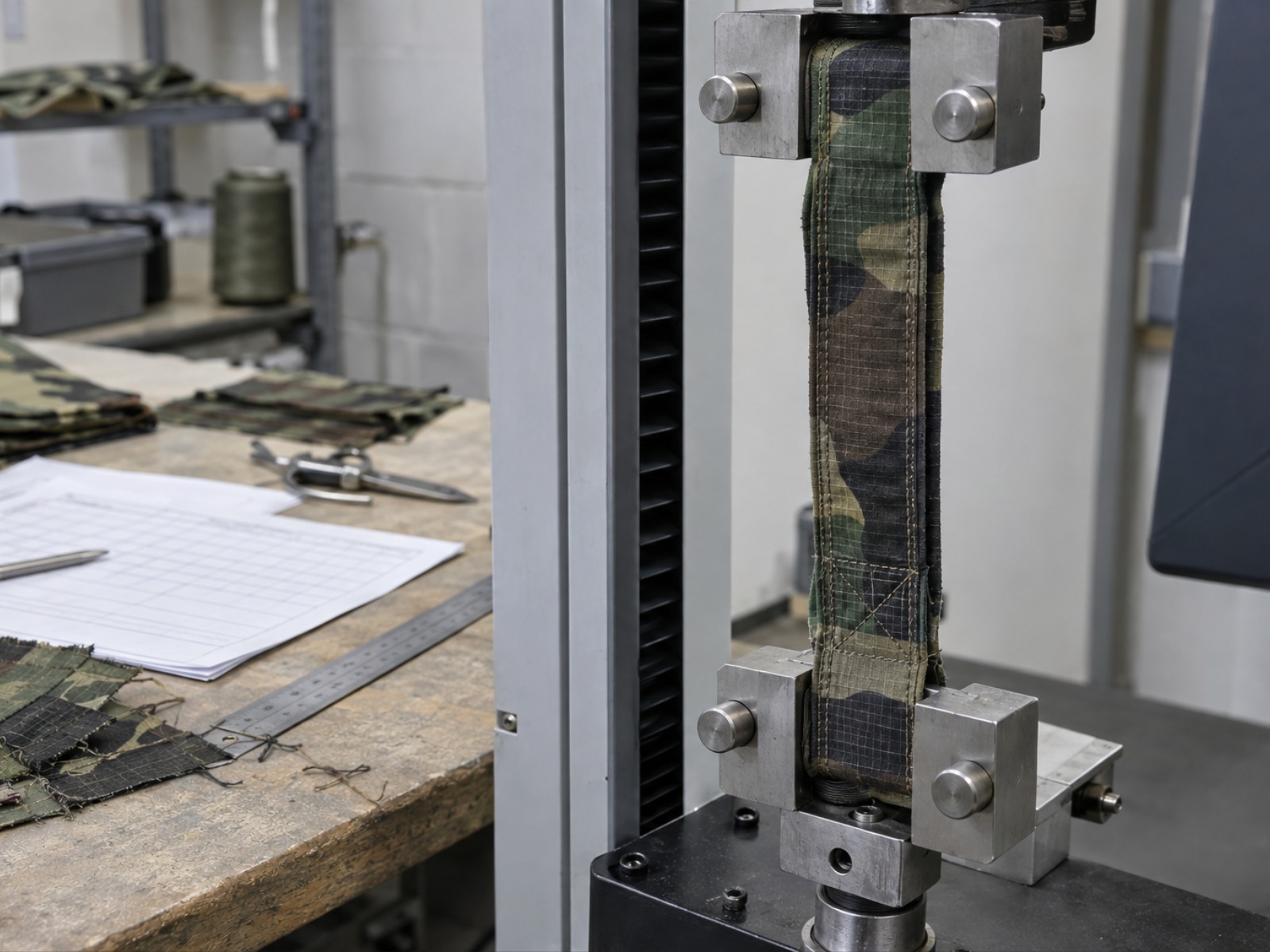
Status: AWAITING TEST DATA — Seam Strength Test has not yet been run on real material. Method, observations and result will be published once the test has been completed and the output recorded.
Question
What are we testing?
Whether seams built with our standard constructions behave differently across the ripstop and lightweight fabrics we supply, and which part of the seam assembly gives way first under load. The comparison is between our own fabric and seam combinations, tested against each other under one method; it is not a certification of any fabric or construction against an external standard. It is intended to show whether additional seam reinforcement or a thread change is justified for a given garment and cloth.
Relevance
Why does it matter?
A seam is the part of a garment that fails suddenly and visibly, and it generally fails at the point of highest load rather than where inspection looks. When a shoulder, seat or trouser crotch seam opens, the garment is out of service immediately, the unit loses confidence in the whole delivery, and the buyer is the one who has to answer for it. The commercial risk is compounded because seam failure is a construction decision, not a fabric accident: the same cloth can be sewn in ways that fail at very different loads, and a supplier who has not tested the combination is choosing the thread, stitch type and seam allowance on convention rather than evidence. A measured test under one method tells a buyer what the construction being quoted is actually worth.
Materials
Materials in this test
Material
Poly Cotton Ripstop
Poly cotton ripstop is a woven fabric built from a blend of polyester and cotton, reinforced with a grid of thicker yarns woven at intervals.
Material
NYCO Ripstop
NYCO ripstop is a woven fabric that blends nylon with cotton and reinforces the structure with a grid of heavier yarns woven at regular intervals.
Material
Stretch Ripstop
Stretch ripstop combines the tear containment of a ripstop grid with the movement of a stretch construction.
Material
Lightweight Hot Weather Fabric
Lightweight hot weather fabric is built on a simple physical argument: less fabric mass means less stored heat, and a more open structure means more air exchange and faster evaporation of sweat.
Method & result
Method, observations and result
Seam Strength Test is published only when the underlying work has been carried out, so an empty field means the test has not yet produced that value.
Testing method
Awaiting test data — to be published when the test is complete.
Observations
Awaiting test data — to be published when the test is complete.
Result
Awaiting test data — to be published when the test is complete.
Limitations
What this test cannot tell you
A result published here will apply only to the specific fabric, thread and construction combinations tested, under the conditions recorded at the time. Seam behaviour depends on fabric weight and weave, thread type and size, stitch type and density, seam allowance and the finishing of the seam, so a result for one construction does not transfer to a garment sewn differently from the same cloth. A bench specimen pulled in one direction also does not reproduce how a garment loads its seams, where stress arrives at an angle, from several directions at once, and after wear and laundering have already worked on the material. This test is not a certification against any external standard, and it does not set a pass mark for a buyer's own specification, which must be verified on the production lot.
Related
Related content
Related Products
Related Applications
Related Capabilities
Related Categories
Request a sample to evaluate yourself
Send the product type and the application. We will propose the material options for that application and state the trade-offs, so the comparison you run is against the right candidates.