Field Lab
Stretch Test
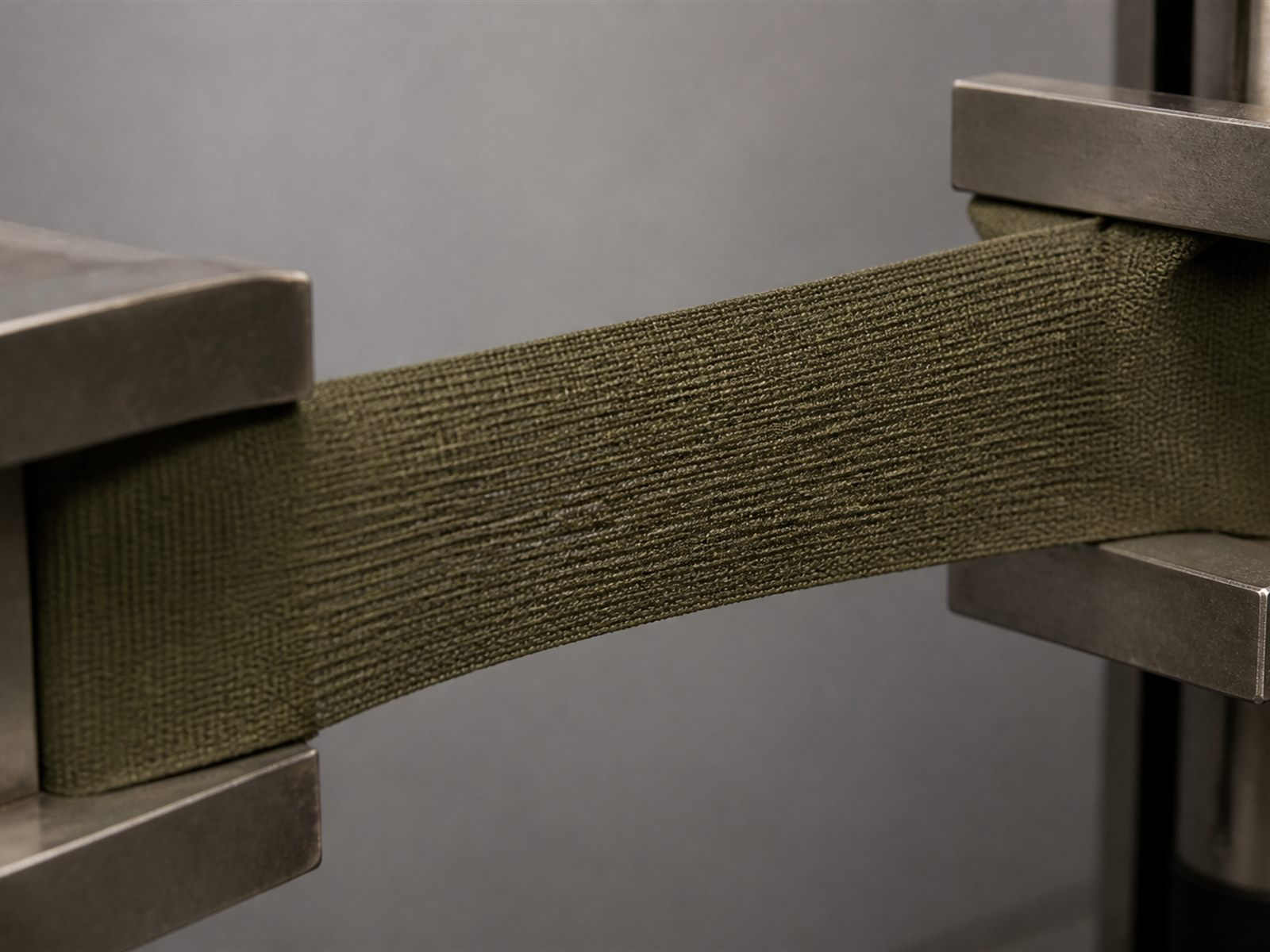
This Field Lab page states test intent before any result exists. The question is how much a fabric actually extends in use, whether it returns to its original dimension afterwards, and how the mechanical stretch fabrics we offer compare with the rigid wovens used for the same garment. The test structure, the fabric set, the extension and recovery conditions and the limits of the method are published here now. Observations and results will be added only when the test has actually been run on real fabric and every reading has been recorded. Until then this page states what we intend to measure, not how any fabric behaves.
- Status
- Awaiting test data
- Materials compared
- 4
Gallery
Test bench
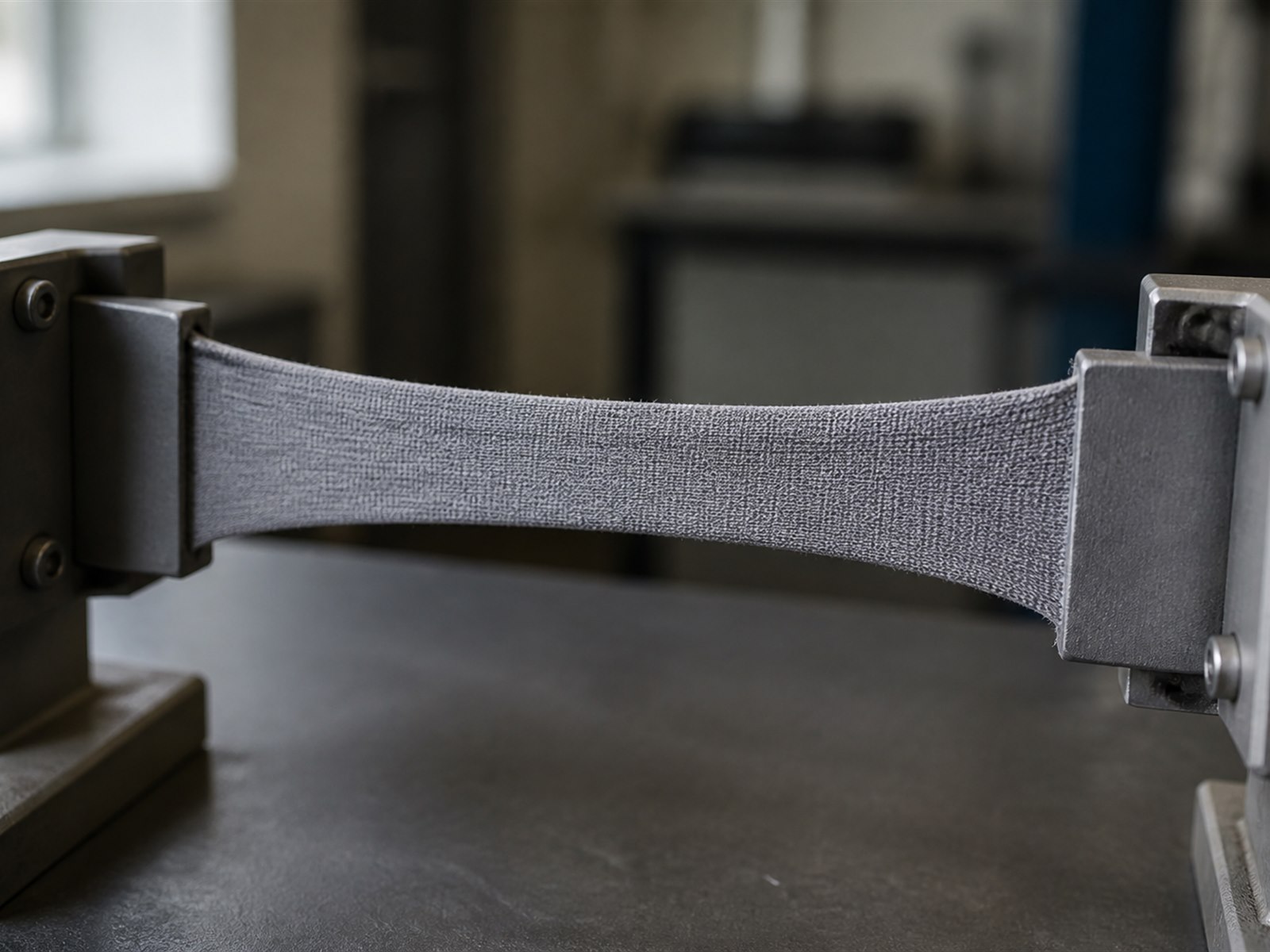
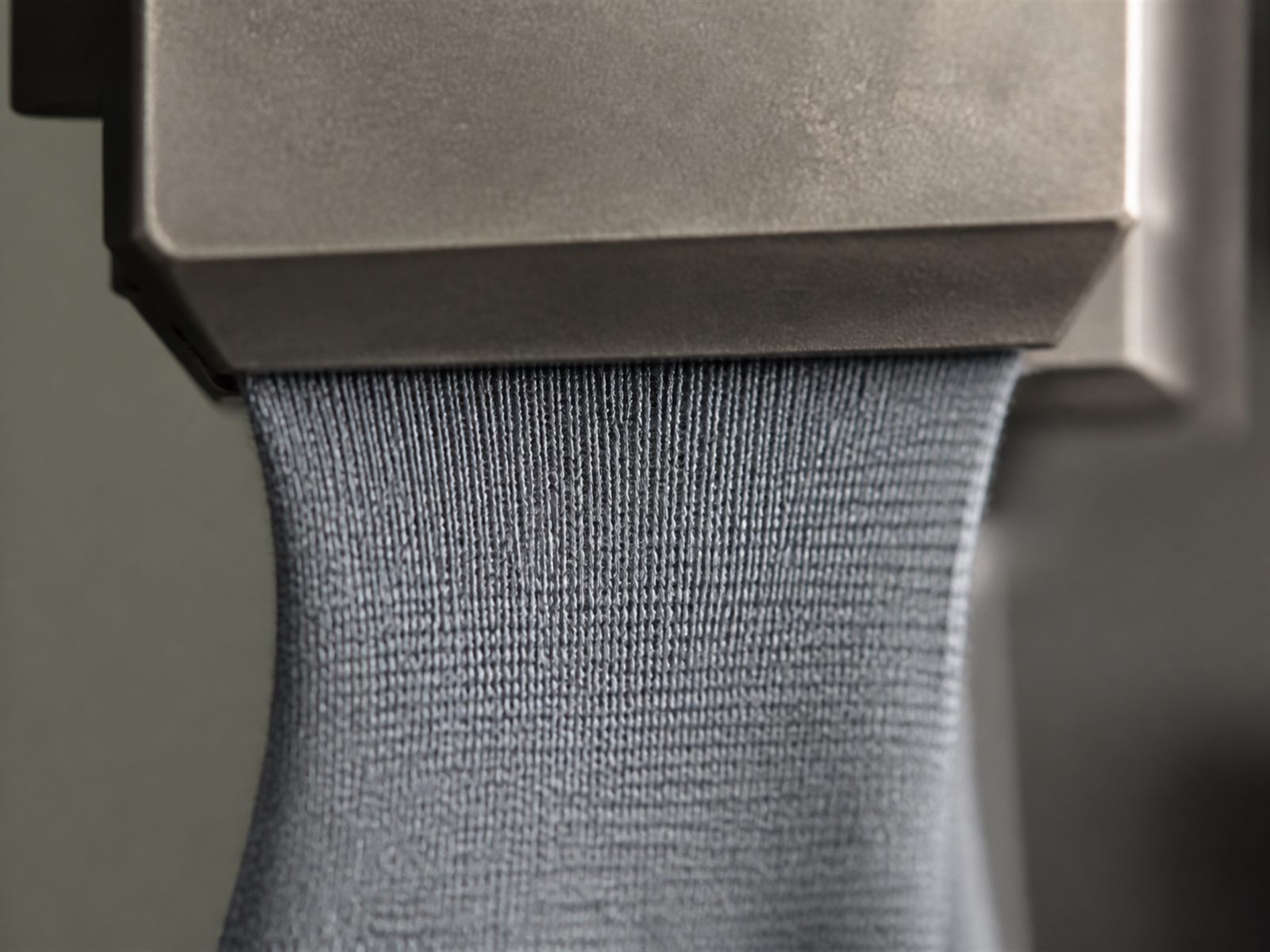
Status: AWAITING TEST DATA — Stretch Test has not yet been run on real material. Method, observations and result will be published once the test has been completed and the output recorded.
Question
What are we testing?
Whether the mechanical stretch and stretch-ripstop fabrics we supply deliver useful extension and recovery compared with the rigid wovens normally specified for the same garment, and whether the difference is enough to justify the added cost and the slightly different care behaviour. The comparison is between fabrics we use, tested against each other under one method; it is not a certification of any fabric against an external standard. It is intended to give a buyer a factual basis for deciding where stretch is worth paying for and where it is not.
Relevance
Why does it matter?
Stretch is sold as comfort, but for a buyer it is a sizing and risk decision. A garment that genuinely gives in the hip, thigh or shoulder reduces the number of sizes a programme has to carry and lowers the failure rate at the seams that would otherwise take the whole movement, while a fabric whose stretch fades after a few washes turns a comfortable fit into a loose one and generates replacement complaints late in the contract. That difference is invisible in a sample inspection: both fabrics feel stretchy in the hand when new. Where a buyer accepts stretch on the strength of a supplier's description, the commercial exposure is repeated across every garment in the order. A measured comparison under one method shows what the fabric does over a working range and over repeated extension, which is what the order is actually buying.
Materials
Materials in this test
Material
Mechanical Stretch Fabric
Mechanical stretch fabric obtains its extension from yarn and weave geometry rather than from elastic fibre.
Material
Stretch Ripstop
Stretch ripstop combines the tear containment of a ripstop grid with the movement of a stretch construction.
Material
Softshell Fabric
Softshell is a fabric system rather than a single cloth.
Material
NYCO Ripstop
NYCO ripstop is a woven fabric that blends nylon with cotton and reinforces the structure with a grid of heavier yarns woven at regular intervals.
Method & result
Method, observations and result
Stretch Test is published only when the underlying work has been carried out, so an empty field means the test has not yet produced that value.
Testing method
Awaiting test data — to be published when the test is complete.
Observations
Awaiting test data — to be published when the test is complete.
Result
Awaiting test data — to be published when the test is complete.
Limitations
What this test cannot tell you
A result published here will apply only to the specific fabric lots tested, at the specific weight, construction and finish of those lots. Extension and recovery depend on the fibre blend, the yarn and weave used to build the stretch, and on the finishing route, and they change with laundering and with heat exposure during drying. A bench extension test applied to a flat specimen also does not reproduce how a garment moves: the result is not transferred directly once the fabric is cut, seamed and layered, because seam type, panel direction and garment fit all govern how much extension a wearer can actually use. This test is not a certification against any external standard, and it does not confirm that a finished garment will meet a buyer's own fit or comfort requirement.
Related
Related content
Related Materials
Related Applications
Related Capabilities
Related Categories
Request a sample to evaluate yourself
Send the product type and the application. We will propose the material options for that application and state the trade-offs, so the comparison you run is against the right candidates.