Field Lab
Wash Test
This Field Lab page states test intent before any result exists. The question is what repeated laundering does to the fabrics and garments we supply: whether the material changes dimension or surface appearance, whether seams, trims and fastenings survive the cycle, and how the fabrics we offer compare when laundered side by side under the same conditions. The test structure, the fabric and garment set, the wash conditions and the limits of the method are published here now. Observations and results will be added only when the test has actually been run on real fabric and every measurement has been recorded. Until then this page describes what we intend to measure, not what any fabric does.
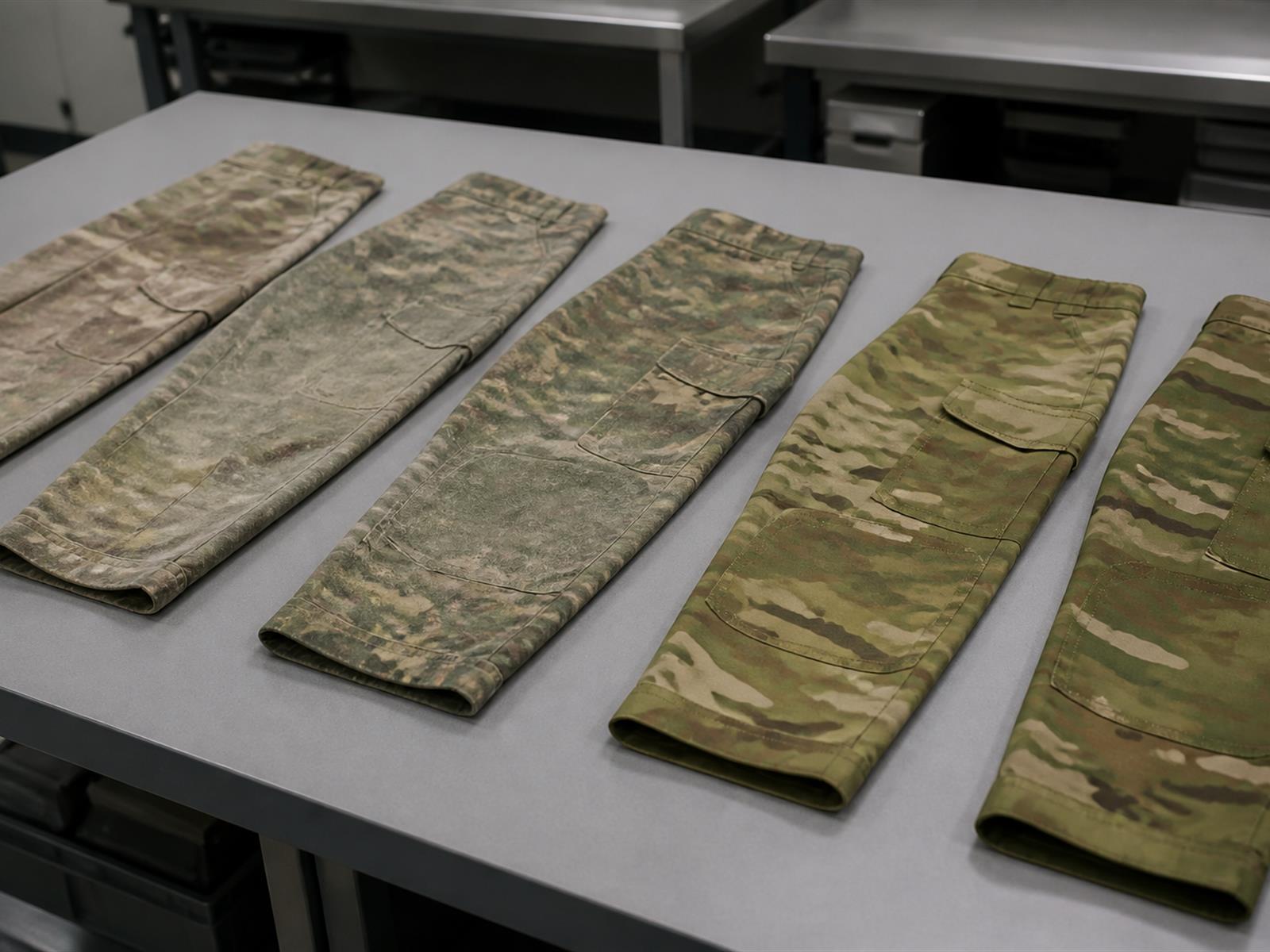
- Status
- Awaiting test data
- Materials compared
- 4
Gallery
Test bench
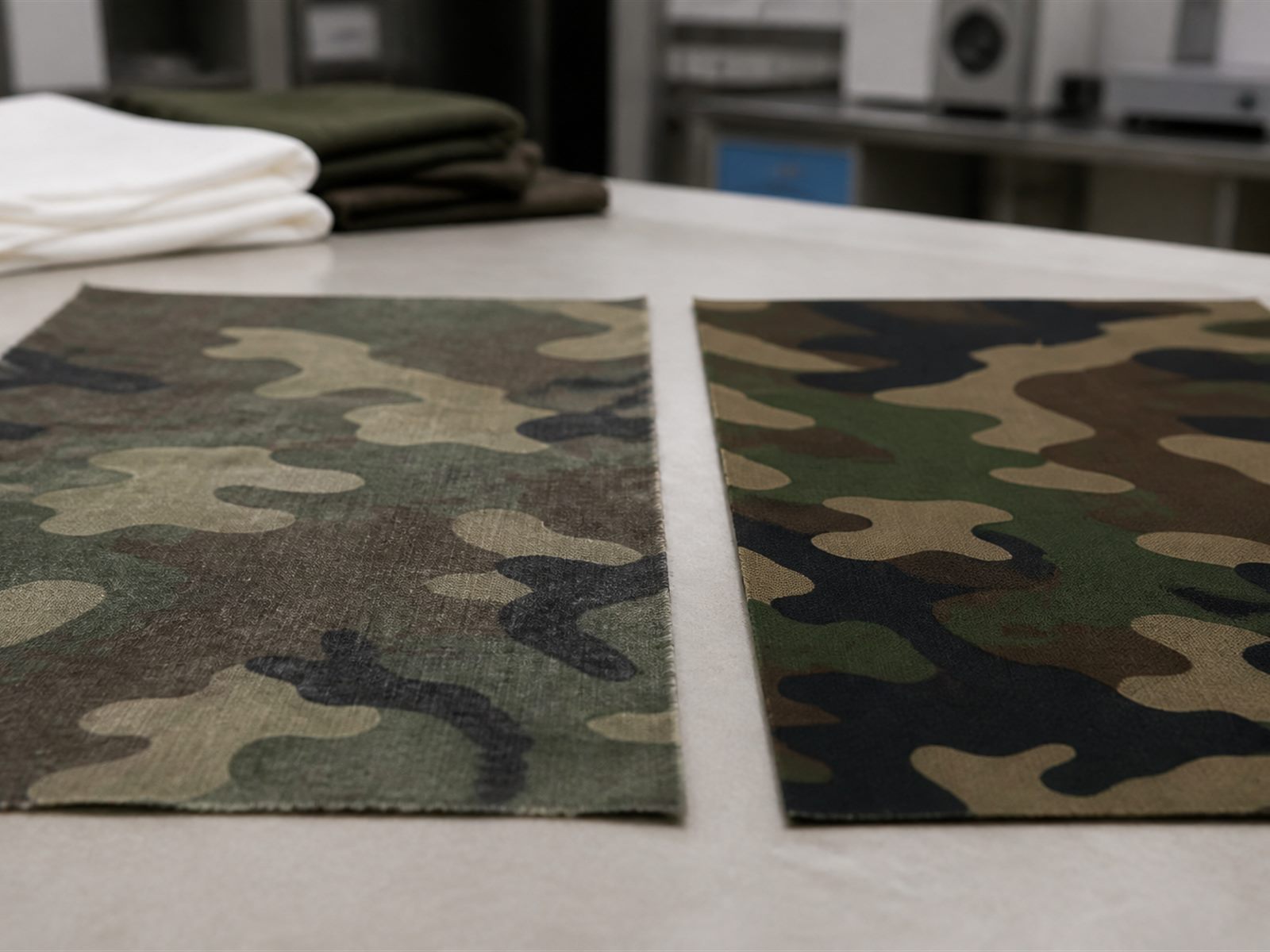
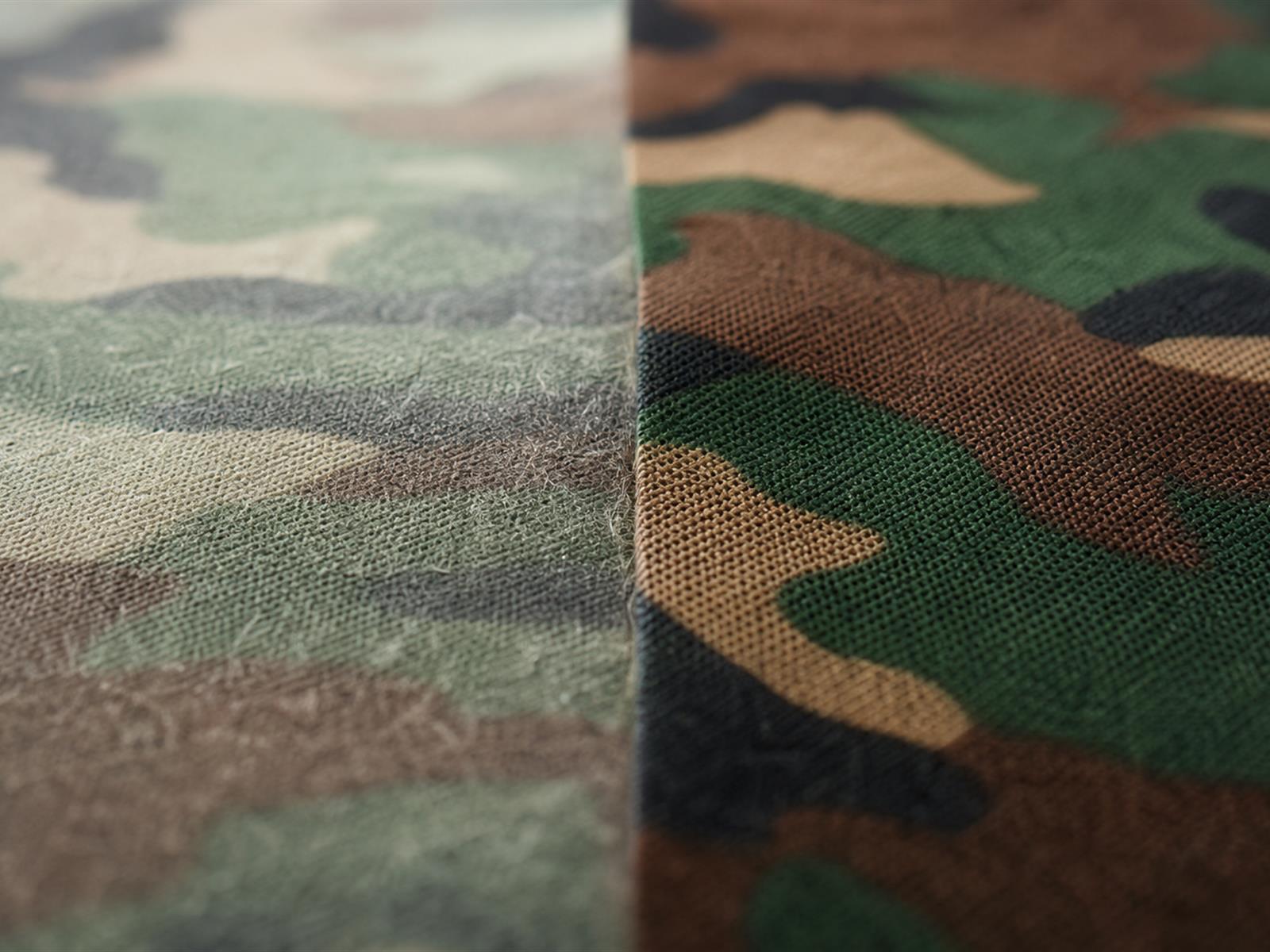
Status: AWAITING TEST DATA — Wash Test has not yet been run on real material. Method, observations and result will be published once the test has been completed and the output recorded.
Question
What are we testing?
Whether the ripstop wovens and quick-dry fabrics we use for field and temperate garments behave differently when laundered repeatedly under identical conditions, and whether any difference is large enough to change the care instructions we recommend or the specification a buyer should write. The comparison is between fabrics we supply, tested against each other under one method; it is not a certification of any fabric against an external standard. It is intended to give a buyer a defensible basis for wash-stability wording.
Relevance
Why does it matter?
Laundering is where a delivered order stops matching the sample, and it is usually the buyer who absorbs the consequence. A programme that issues garments sized to an approved sample but shrinks or distorts in service produces sizing complaints, exchange pressure and unit-level dissatisfaction that the buyer cannot fix by argument. Institutional and field laundering is harsher and less controlled than domestic washing, so the fabric that survives a gentle cycle may still fail the routine the garment will actually meet. Where a buyer specifies a wash-stable or pre-shrunk material on the strength of a supplier's claim, the gap between claim and delivered lot only appears after the first bulk delivery, at which point the cost of correction is already committed.
Materials
Materials in this test
Material
Poly Cotton Ripstop
Poly cotton ripstop is a woven fabric built from a blend of polyester and cotton, reinforced with a grid of thicker yarns woven at intervals.
Material
NYCO Ripstop
NYCO ripstop is a woven fabric that blends nylon with cotton and reinforces the structure with a grid of heavier yarns woven at regular intervals.
Material
Cotton Ripstop
Cotton ripstop is a woven fabric made entirely from cotton, reinforced with a grid of heavier yarns woven at regular intervals.
Material
Quick Dry Fabric
Quick dry fabric is engineered so that moisture leaves the garment rather than soaking into it.
Method & result
Method, observations and result
Wash Test is published only when the underlying work has been carried out, so an empty field means the test has not yet produced that value.
Testing method
Awaiting test data — to be published when the test is complete.
Observations
Awaiting test data — to be published when the test is complete.
Result
Awaiting test data — to be published when the test is complete.
Limitations
What this test cannot tell you
A result published here will apply only to the specific fabric and garment lots tested, under the specific wash conditions recorded at the time of testing. Behaviour changes with fibre blend, yarn and weave, dyeing and finishing route, and with garment construction such as seam type, interlining, elastic and trim materials, so a fabric result does not automatically transfer to a finished garment made from it. Wash equipment, load, chemistry and drying method all influence the outcome, and a laboratory cycle is not the same as an institutional or field laundry routine. This test is not a certification against any external standard, and it does not confirm that a production lot will meet a buyer's own stated laundering requirement.
Related
Related content
Related Materials
Related Applications
Related Capabilities
Related Categories
Request a sample to evaluate yourself
Send the product type and the application. We will propose the material options for that application and state the trade-offs, so the comparison you run is against the right candidates.