Skip to content
TACTICALOEM / ODM TACTICAL APPAREL
ENEnglish

Products / Wet Weather Tactical Clothing

Wet Weather Tactical Clothing Manufacturer

Wet weather tactical clothing is a protection against breathability problem, and it cannot be solved by choosing a better fabric alone. The more completely a garment keeps rain out, the more completely it keeps the wearer's own moisture in, which is why a fully waterproof shell worn during hard physical work can leave the user wetter than a water-repellent softshell. Seam sealing, storm flaps, hood geometry, cuff and hem adjustment and drainage all decide whether the promised protection survives contact with wind-driven rain. Drizzle, sustained rain and wet cold each require a different balance. This page covers how we approach wet weather tactical clothing as an OEM/ODM programme: shell and lining selection by garment area, seam and closure construction, the ventilation that keeps a sealed garment usable, and the cost each protection step carries. Water resistance performance is confirmed per programme and to buyer specification.

wet weather tactical clothing OEMcustom waterproof tactical clothingwholesale waterproof tactical jacketrainproof tactical uniform supplier
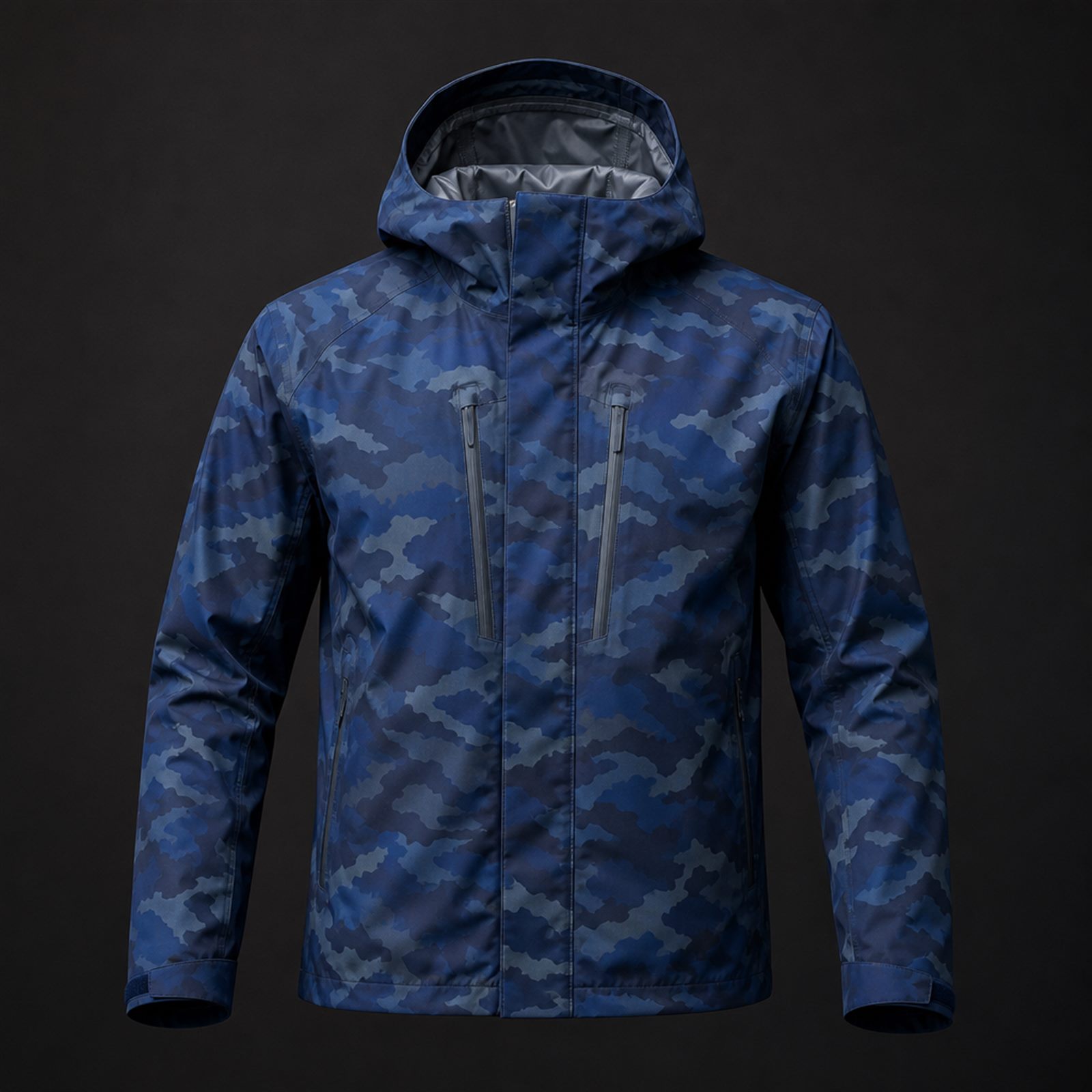
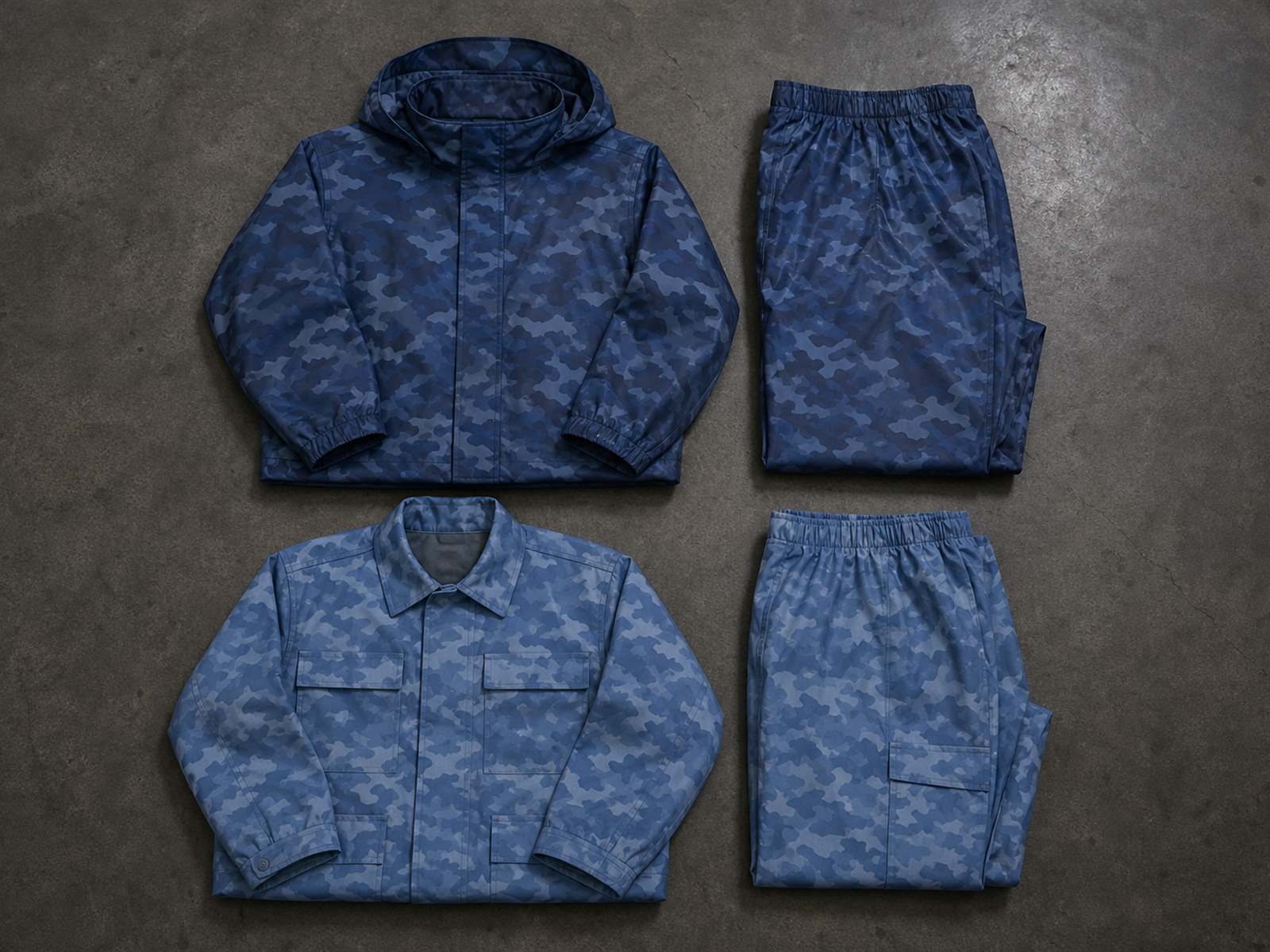
Wet weather tactical clothing with waterproof shell, sealed seams and storm flap made for OEM buyers
Primary keyword
wet weather tactical clothing manufacturer
Climate focus
Drizzle / Light Rain / Wind-Driven Spray · Sustained Rain / Heavy Rain · Cold / Wet / Wind-Driven
Development input
Tech pack · Reference sample · Sketch · Photo
Wet Weather Tactical ClothingWet Weather Tactical ClothingWet Weather Tactical ClothingWet Weather Tactical Clothing

Buyers

Who buys wet weather tactical clothing?

Wet Weather Tactical Clothing is specified by organisations rather than bought as a single garment, so a quotation has to satisfy all 6 buyer profiles listed below.

Tactical Brands

A partner who can reproduce an approved shell construction and seam-sealing method consistently across repeat orders without the fit or the protection drifting.

Outdoor & Hunting Brands

Quiet, low-noise water-repellent and waterproof constructions in camouflage and earth colourways, with their own labels and packaging.

Uniform Distributors & Wholesalers

Rainwear and shell garments in volume that pack down and layer over existing uniforms, with documented specifications for reorders.

Government Contractors & Procurement Companies

Documented construction and seam-sealing decisions, sample approval, and inspection records covering the points where wet weather garments actually leak.

Security Companies

Duty rainwear that stays smart enough for a visible post while remaining usable on foot patrol, with insignia at agreed positions.

Private Label Brands & Importers

A wet weather range built to their own fit, protection level and price architecture, with artwork, labels and packaging on agreed specifications.

Types

Wet Weather Tactical Clothing types

The same category name covers very different garments depending on climate and wear pattern. 3 types of Wet Weather Tactical Clothing are covered here, and the type is chosen before the fabric.

Drizzle / Light Rain / Wind-Driven Spray

Water-Repellent Field Clothing

For short exposure, light rain and wind-driven spray, a water-repellent shell on a softshell or lightweight woven base is usually the better engineering choice. It resists rain, stays breathable and moves quietly. The cost is limited protection in sustained rain, where the face fabric eventually wets out and the garment stops shedding water.

  • Water-repellent softshell or lightweight woven shell
  • Breathable construction for active wear
  • Low-noise face fabric for field use
  • Adjustable cuffs and hem to limit spray entry
  • Covered or protected main zip

Sustained Rain / Heavy Rain

Waterproof Shell Clothing

When rain is prolonged, only a fully waterproof construction with sealed seams holds up. Every opening becomes a design problem: hood, collar, zip, cuffs, hem and pocket flaps all have to be closed without sealing the wearer inside. Ventilation is added so the garment remains usable during exertion, which is the main cause of returns in this category.

  • Waterproof shell with sealed seams
  • Storm flap over the main zip with zip garage
  • Adjustable hood with rear and side control
  • Inner cuff seal with external adjustment
  • Ventilation at underarm or back
  • Drainage-capable pocket construction

Cold / Wet / Wind-Driven

Wet Cold Clothing

Wet cold is the condition where protection matters most, because water destroys the insulation value of almost any fill. The outer layer has to keep the insulation dry rather than add warmth itself, openings are sealed more aggressively, and liners are built so they can be removed and dried. The cost is weight, stiffness, noise and a longer drying time for the garment itself.

  • Waterproof outer shell over removable or fixed insulation
  • Sealed and covered openings
  • Damp-tolerant insulation selection
  • Liner that can be dried or replaced separately
  • Reinforced lower leg and hem for wet ground contact

Engineering

Construction, part by part

8 construction decisions define Wet Weather Tactical Clothing, and each row below is one decision you control at specification stage.

Shell and Face Layer

  • Water-repellent softshell
  • Waterproof coated shell
  • Waterproof laminated shell
  • Lightweight packable shell
  • Reinforced shell at shoulder and sleeve

The face fabric decides how rain behaves on contact and how long the garment takes to wet out. A more protective shell is heavier, noisier and less breathable, so the level is set against the amount of rain the buyer's end user actually works in.

Seam Sealing and Panel Layout

  • Taped seams at all exposed seams
  • Taped seams at critical seams only
  • Lapped and sealed seam construction
  • Minimised seam count in exposed areas

Every seam in a waterproof garment is a potential leak, and every seal adds stiffness and cost. Reducing the number of seams in exposed zones is often a better answer than sealing more of them, so panel layout deserves as much attention as the tape.

Main Closure

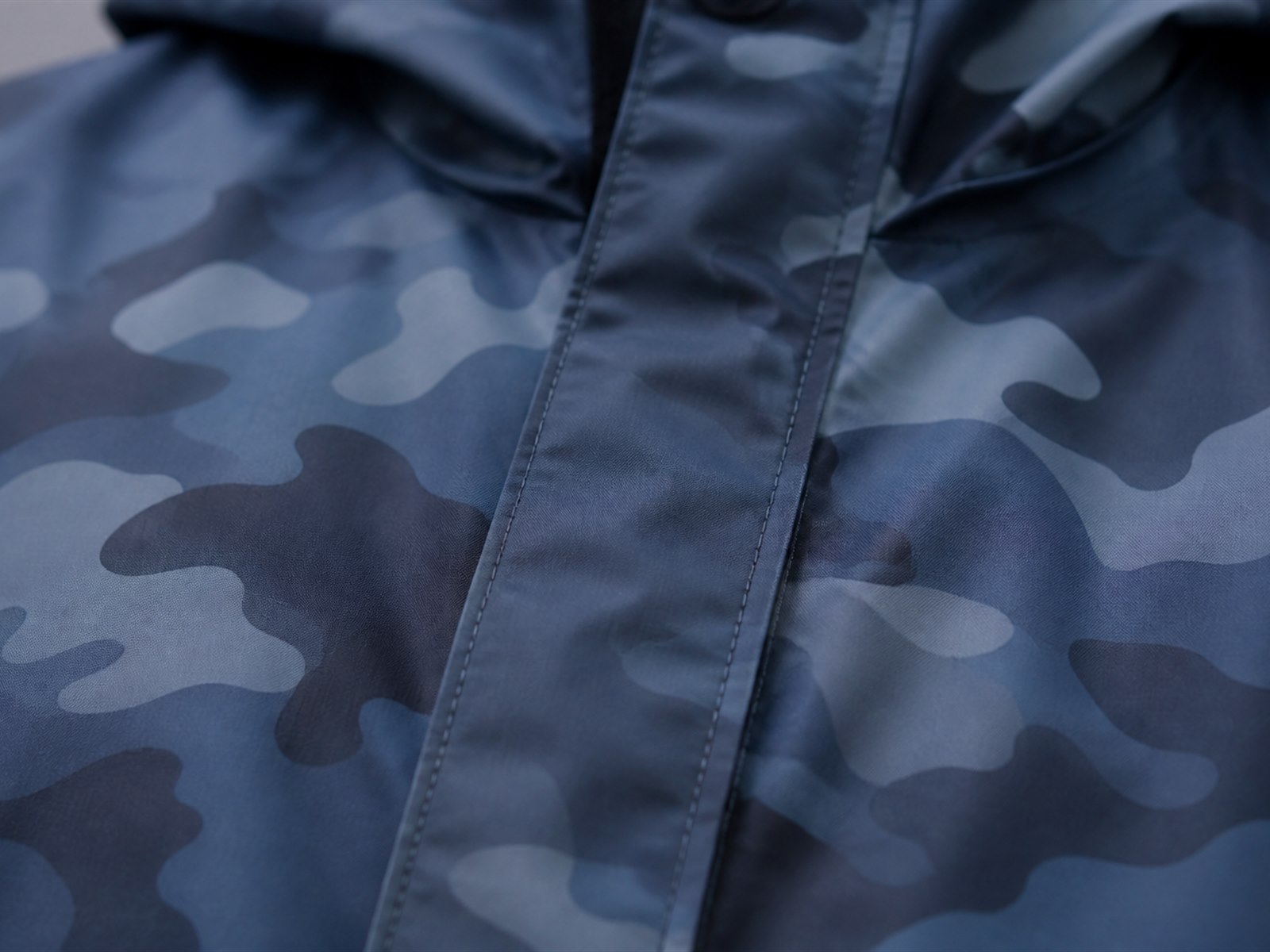
  • Full-length zip with external storm flap
  • Two-way front zip
  • Zip garage at collar and hem
  • Press stud or hook and loop flap retention

The front closure is the most common leak path on a wet weather garment. Flap width, the way the flap stands off the zip, and how the flap is held closed should be checked on a physical sample, because it cannot be judged from a drawing.

Hood

  • Fixed hood with rear adjustment
  • Removable hood
  • Hood with wired or stiffened brim
  • Helmet-compatible hood
  • Roll-away hood with retention strap

Hood geometry decides whether rain runs down the face or into the collar. Field of view, hearing and compatibility with headgear all constrain the design, so headgear dimensions should be confirmed before pattern development.

Collar and Neck

  • High stand collar with chin guard
  • Collar with internal wicking face
  • Fleece-lined collar edge
  • Drawcord-adjusted collar

A collar that touches the face has to manage both rain and the wearer's own moisture. The inner face and the chin guard construction should be specified together, since the same collar can feel comfortable or clammy depending on that choice.

Cuffs and Hem

  • Adjustable hook and loop cuff
  • Elasticated inner cuff with outer adjustment
  • Extended sleeve with thumb loop
  • Drawcord hem with internal adjusters
  • Drop-back hem for coverage

Cuffs and hems are where water runs down into the garment and where heat escapes. Adjustment systems must be operable with cold or gloved hands, which changes the type of toggle, tab and pull that can be used.

Ventilation

  • Underarm vents with storm flaps
  • Back yoke vent with mesh
  • Mesh-lined vent with water-deflecting construction
  • Two-way zip for adjustable closure

Ventilation is what makes a sealed garment wearable during exertion, but an unprotected vent becomes a leak. Vents should be built so that rain is deflected while air still moves, and their function should be demonstrated on the pre-production sample.

Pockets and Drainage

  • Flap-covered external pockets with drainage
  • Sealed or water-resistant zipped pockets
  • Mesh or perforated pocket bags
  • Internal chest pocket
  • Hand-warmer pockets behind a flap

Any pocket on a wet weather garment will collect water if it is built to hold it. Pocket bags should drain, and the buyer should confirm what the end user actually needs to keep dry before the pocket set is fixed.

Available fabrics

Material options by garment area

Outer Shell

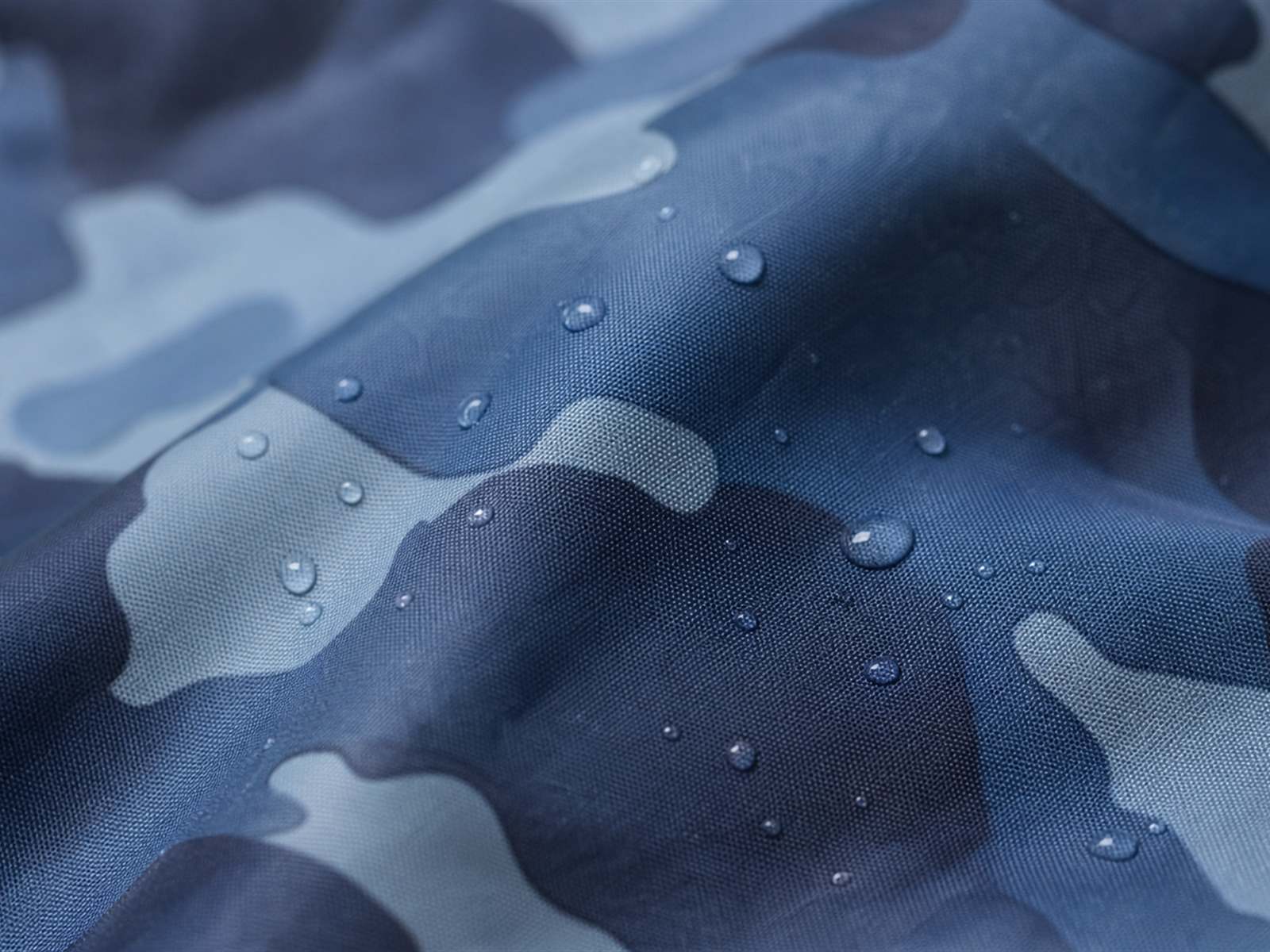
Water resistant fabricWaterproof fabricSoftshellWind resistant fabric for spray protection

Shell selection is the primary trade in this category: protection against breathability, weight and noise. Buyers should state the rain intensity and duration the end user works in, because a shell chosen for drizzle and a shell chosen for sustained rain are different products.

Membrane, Coating and Lining

Laminated constructionCoated constructionMesh lining at body panelsTaffeta lining for layering

The lining changes how a sealed garment feels and how quickly it dries internally. Mesh at the body and a smooth lining at the sleeves is a common compromise between breathability and ease of layering; the choice is confirmed against the buyer's layering requirement.

Water-Repellent Finishes and Trims

Water-repellent finish on face fabricWater-resistant zipsNon-wicking thread and tapeLow-absorption elastic and bindings

Water travels along thread and trim, so a well-sealed garment can still wick water to an inner surface through its own components. Trims are specified as part of the protection system, not as accessories.

Trousers, Seat and Lower Leg

Waterproof trouser shellReinforced lower leg for wet ground contactStretch panels at knee and seatFull-length side zip for donning over boots

Wet weather trousers are judged on donning, on water running off the boot and on seat and knee contact. A side-opening construction makes the garment usable in the field but adds a long closure that must be protected.

Customization

What can be customized

13 specification lines are available for Wet Weather Tactical Clothing, and where an option changes cost, weight or durability the consequence is stated next to it.

Fabric

Water resistant fabric familyWaterproof fabric familySoftshell familyBuyer-specified composition and weight

Protection Level

Water repellentWaterproof with taped seamsWaterproof with critical seam tapingBuyer-defined protection specification

Color

Solid colorwaysBuyer Pantone targetsBuyer lab dip approvalTonal or contrast panel colorways

Camouflage Pattern

Buyer artworkWoodland styleDigital styleWinter and snow styleCustom seasonal pattern

Hood

Fixed with rear adjustmentRemovableStiffened brimHelmet compatibleRoll-away

Collar

High stand with chin guardWicking inner faceFleece-lined edgeDrawcord adjusted

Closure

Full-length zip with storm flapTwo-way zipZip garagePress stud or hook and loop flap retention

Pocket

Flap covered with drainageSealed or water-resistant zipMesh bagInternalHand warmer behind flap

Ventilation

Underarm vents with flapBack yoke ventMesh-lined ventVent placement to buyer drawing

Cuff and Hem

Hook and loop adjustableElasticated inner cuffThumb loopDrawcord hemDrop-back hem

Reinforcement

Shoulder and sleeve overlaysSeat and knee panelsHem protectionStress point bartacks

Logo

Woven labelPrinted labelRubber patchEmbroideryHeat transfer

Label and Packaging

Main, size, care and origin labelsPrinted poly bagHangtag and header cardCustom boxPackable carry pouch

Sizing

Size development

Wet weather garments are usually worn over other clothing, so sizing is layering sizing with one extra constraint: the garment has to be large enough to go over what is underneath but still allow movement with a pack, belt or vest in place. Size development begins by agreeing what will be worn beneath the shell, whether the garment is issued as a standalone outer layer or as part of a layer system, and whether it must be donned quickly over boots. We need the buyer's target size range, either garment measurements from a reference sample or body measurements, and any sizing system already in use. A full size set is produced so chest, across-shoulder, sleeve length, back length and hem opening can be checked across the range, including at the extremes where layering fit usually fails. Measurement tolerances and the flat measuring method are agreed in writing before bulk.

How size development works

Branding

Private label

Private label covers branding, labelling and the packing that a wet weather garment is often stored in. Main label, size label, care label and country of origin label are produced to the buyer's artwork and content requirements, and care content is important here because laundering affects water-repellent finishes and seam seal integrity. Branding can be applied as woven label, printed label, rubber patch, embroidery or heat transfer, with insignia panels at agreed positions on the chest, sleeve or shoulder. Packaging ranges from a plain poly bag to a printed poly bag with hangtag, header card, custom box or a packable carry pouch for the end user. All artwork, label content and packaging are confirmed on the pre-production sample so bulk production has one approved reference.

Customization capability

Development

Sampling process

Sampling for Wet Weather Tactical Clothing runs in 8 stages, each one removing a specific risk before the next stage commits cost.

01

Requirement review

We review the buyer's tech pack, reference garment, photo or sketch and list every open specification, including how much rain and how much exertion the garment is designed for, before any material is cut.

02

Protection and activity brief

The expected rain intensity and duration, the wearer's exertion level, the layering underneath and any headgear requirement are written down first, because they decide shell level, seam treatment and ventilation.

03

Material and sealing proposal

Shell, membrane or coating, lining, tape and trim options are proposed against that brief, with alternatives where the protection level is not yet fixed by the buyer.

04

Pattern development

The pattern is developed or adapted to the buyer's reference, including panel layout to reduce exposed seams, hood geometry, closure construction and pocket drainage.

05

Prototype

A first sample is produced in the proposed materials so the buyer can assess protection, breathability feel, noise, movement and fit on a physical garment.

06

Sealing and closure review

Seam treatment, storm flap behaviour, zip garage, cuff and hem adjustment and ventilation function are reviewed on the sample, since these are the points where wet weather garments fail.

07

Revision and size set

Buyer comments are consolidated into a single revision round, and the full size range is produced so measurements are confirmed across the range rather than in the sample size only.

08

Pre-production sample

Final materials, sealing method, construction, trims and labelling are locked in a pre-production sample that becomes the bulk reference standard.

Production

Bulk manufacturing

Bulk production of Wet Weather Tactical Clothing runs in 7 stages, which is where an approved specification is either held or lost.

01

Fabric, tape and trim approval

Shell fabric, membrane or coating, seam tape, zips, storm flap hardware, thread and labels are approved against the pre-production standard before cutting.

02

Bulk cutting

Cutting runs against the approved pattern with markers controlled for shade, for coated or laminated fabric handling, and for direction-sensitive camouflage prints.

03

Seam and panel preparation

Panels are prepared and matched so that sealing is applied to the correct seams in the correct order, rather than being added after assembly where it cannot be inspected.

04

Assembly

Line assembly follows the approved sequence, with storm flaps, zip garages, cuff seals, ventilation construction and reinforcement built in the order the sample was approved.

05

Inline quality control

Work in progress is inspected during assembly so sealing, closure and hardware faults are corrected on the line instead of being found after packing.

06

Finishing and pressing

Thread trimming, hardware function checks, drawcord and adjuster checks and controlled low-temperature pressing are completed before inspection.

07

Final inspection and packing

Measurement, construction, closure and packing inspection are completed against the agreed inspection standard and documented before shipment.

Quality Control

Quality control for this category

Inspection of Wet Weather Tactical Clothing is measured against an agreed standard, and the 7 checks below are listed with what each one is measured against.

01

Incoming fabric inspection

Shell fabric is checked on receipt for shade, width, weight, coating or lamination integrity and surface defects before entering production.

02

Seam tape and trim inspection

Seam tape, water-resistant zips, elastic, thread and hardware are checked against the approved standard, since a mismatch here defeats a correctly built shell.

03

Pre-production approval

The pre-production sample is approved by the buyer and becomes the reference standard for bulk, including the sealing method and closure construction.

04

Inline inspection

Work in progress is inspected at defined points, with particular attention to seam integrity, tape application and storm flap assembly.

05

Measurement inspection

Critical measurements are checked against the approved size set using the tolerances and the flat measuring method agreed in writing.

06

Construction and function inspection

Zips, storm flaps, hood adjustment, ventilation function, cuff and hem adjusters, pocket drainage and symmetry are checked against the approved sample.

07

Final and packing inspection

Finished goods are inspected before packing, and labels, folding, poly bagging and carton marking are checked against the packing instruction.

Choosing a Wet Weather Tactical Clothing manufacturer

How to choose a wet weather tactical clothing manufacturer

The 6 questions buyers ask about Wet Weather Tactical Clothing before committing to a first order.

Decide the protection level from real conditions

A fully waterproof shell is the right answer for prolonged rain and the wrong answer for intermittent drizzle during hard physical work, where it traps moisture and leaves the wearer wet from the inside. Ask a supplier to explain which construction suits the buyer's actual conditions and what each level of protection costs in breathability, weight and noise.

Treat seams and closures as the product

Shell fabric is rarely the reason a wet weather garment fails; seams, the front closure, cuffs and the hood are. Ask to see the sealing method, the storm flap construction and the hood adjustments on a physical sample, and confirm how those points are inspected in bulk rather than trusting the fabric name.

Insist that ventilation is protected

A sealed garment without ventilation is unusable during exertion, and a vent without protection is a leak. Confirm how vents deflect rain while still moving air, and check the function on the pre-production sample with the garment closed and adjusted as it would be worn.

Confirm that the garment can be donned and adjusted in the field

Wet weather clothing is put on quickly, often over boots, gloves and equipment. Review donning, cuff adjustment, hood adjustment and pocket access on the sample in the conditions the end user will face, because these practical details cause more returns than fabric performance.

Ask how water-repellent finishes are handled in care and reorder

Water-repellent finishes decline with laundering and use, and care instructions affect how long the garment performs. Confirm that care labelling reflects how the garment should actually be washed, and that a reorder will use the same finish specification as the approved sample.

Agree inspection criteria for the failure points before bulk

Seam sealing, closure function, ventilation and adjusters should be named explicitly in the inspection standard, with tolerances, before production starts. A generic inspection clause does not cover the points where wet weather garments actually leak.

Products

Wet Weather Tactical Clothing products

Each product in Wet Weather Tactical Clothing is a developed specification with its own material options, construction detail and customization map.

Wet Weather Tactical Clothing

Waterproof Tactical Shell

A waterproof tactical shell is a set of compromises, and a buyer should know exactly which compromises are being made.

Wet / RainyTemperateCold
View product

FAQ

Wet Weather Tactical Clothing FAQ

What is the difference between water-repellent and waterproof tactical clothing?

Water-repellent fabric resists rain at the surface but is not sealed, so it performs in drizzle, spray and short exposure and remains breathable. Waterproof construction uses a waterproof shell with treated seams to keep water out under sustained rain, and as a result breathes less. The right choice depends on how long and how hard it rains where the garment will be used, and on how much the wearer will be exerting themselves.

Why do buyers receive complaints that a waterproof jacket is wet inside?

Usually because the moisture came from the wearer, not through the fabric. A sealed garment with limited ventilation traps perspiration, and the inner surface feels wet even though no rain penetrated. The fix is ventilation and closure design rather than adding more protection, which is why the activity level of the end user has to be part of the original brief.

Can you supply water resistance figures or a waterproof rating?

No assumed figure will appear in our documentation. Water resistance performance and any test method are confirmed per programme and to buyer specification, and verified against the requirement the buyer sets. Where a value has not been agreed with you, it is stated as buyer specification rather than quoted as a number we cannot verify.

Which parts of a wet weather garment leak first?

The front closure, the hood and collar join, cuff and hem openings, and any seam running across a high-contact area such as the shoulder. These points should be named in the approved construction and in the inspection standard, and reviewed on the pre-production sample before bulk starts.

Can the same shell be offered as a jacket and a trouser in one programme?

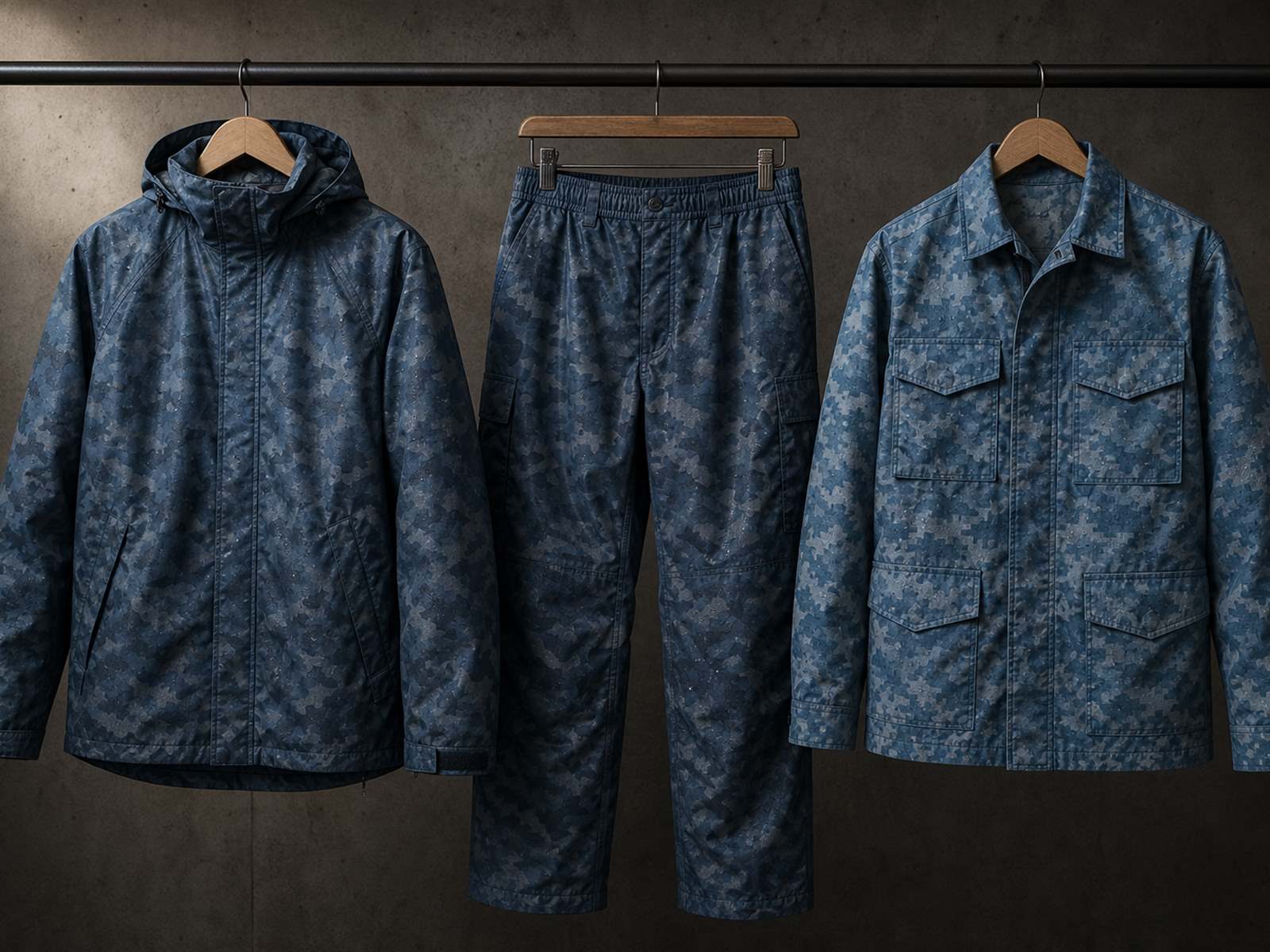
Yes, and it is usually more efficient because shell material, colour and sealing method can be aligned. Trousers add donning and lower-leg considerations, and often need a longer closure that has to be protected, so the construction plan differs even when the fabric is shared.

How does cold weather change the specification for wet weather clothing?

In wet cold, water destroys the insulation value of most fills, so the shell has to keep the insulation dry rather than add warmth itself. Openings are sealed more aggressively, insulation is selected for how it behaves when damp, and liners are built so they can be removed and dried. The cost is weight, stiffness, noise and longer drying time.

What information do you need for a quotation?

Product type, target quantity, the rain conditions and exertion level the garment is designed for, the layering underneath, shell and protection preference or direction, required features such as hood type, vents and pocket set, colour or camouflage direction, size range, labelling and packaging requirements, and the target market. Where a figure such as MOQ or lead time has not been confirmed with you, we state that explicitly rather than quoting a number we cannot hold.

Request a Manufacturing Assessment

Send us your tech pack, reference sample or product idea. We review your requirement, recommend materials and construction, and come back with a development plan you can act on.