Skip to content
TACTICALOEM / ODM TACTICAL APPAREL
ENEnglish

Products / Tactical Shorts

Tactical Shorts for Hot Climates and Duty Wear — OEM & ODM Manufacturing

Shorts look like the easy half of a uniform programme and behave like the difficult one: they take the most abrasion, the most laundering and the most squatting, and they are the garment a buyer re-orders in the largest quantities for hot markets. This page is the buying side of that problem — why a pair that looks right in a sample can lose its shape after twenty washes, which specification points must be locked before sampling, and what to demand on the fifth order. We build cargo and duty shorts as OEM and ODM on your pattern and your label, in the same fabric programme as the trousers they are sold beside.

cargo shorts OEMtactical shorts wholesale supplierduty shorts factoryripstop cargo shorts private label
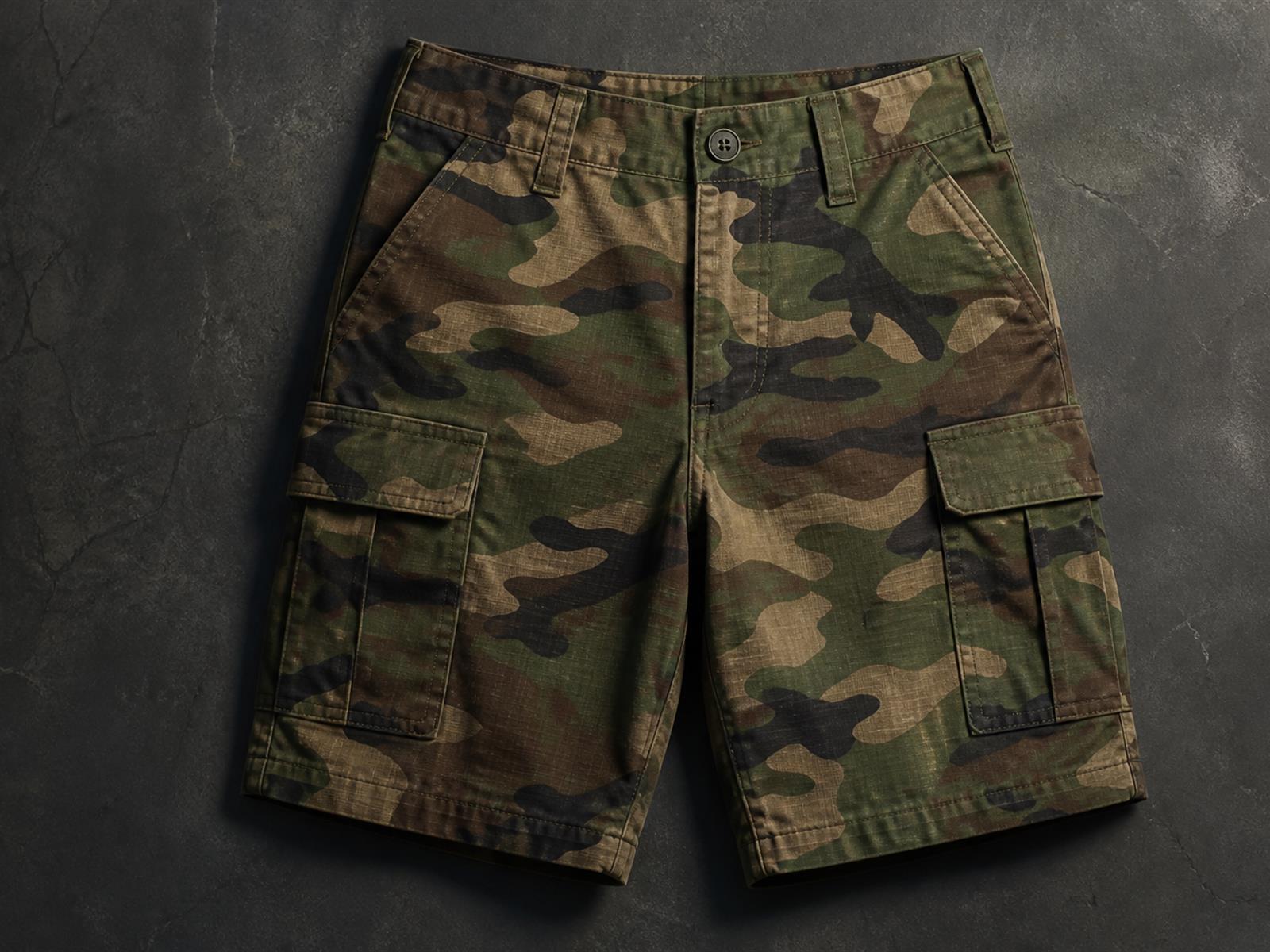
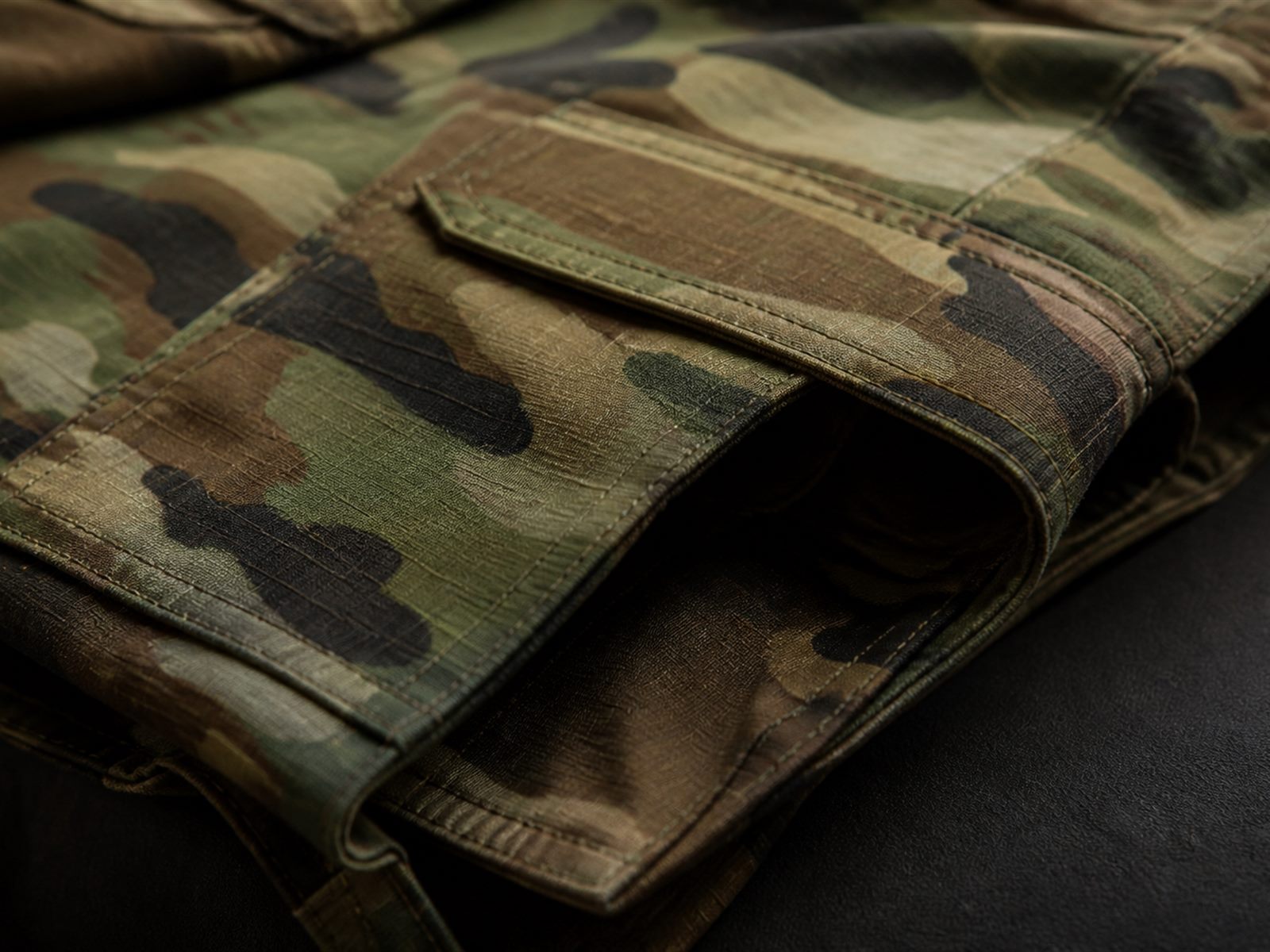
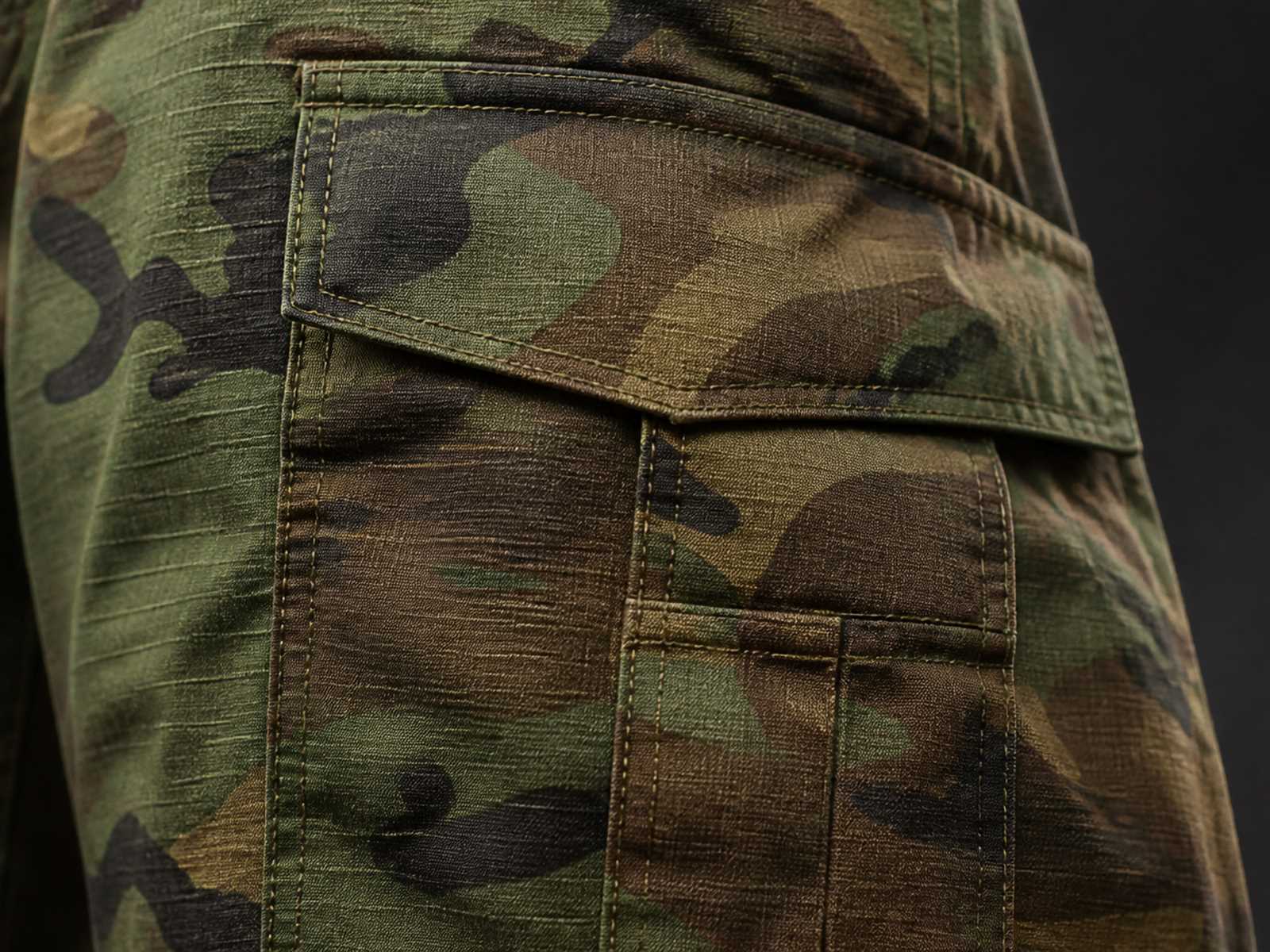
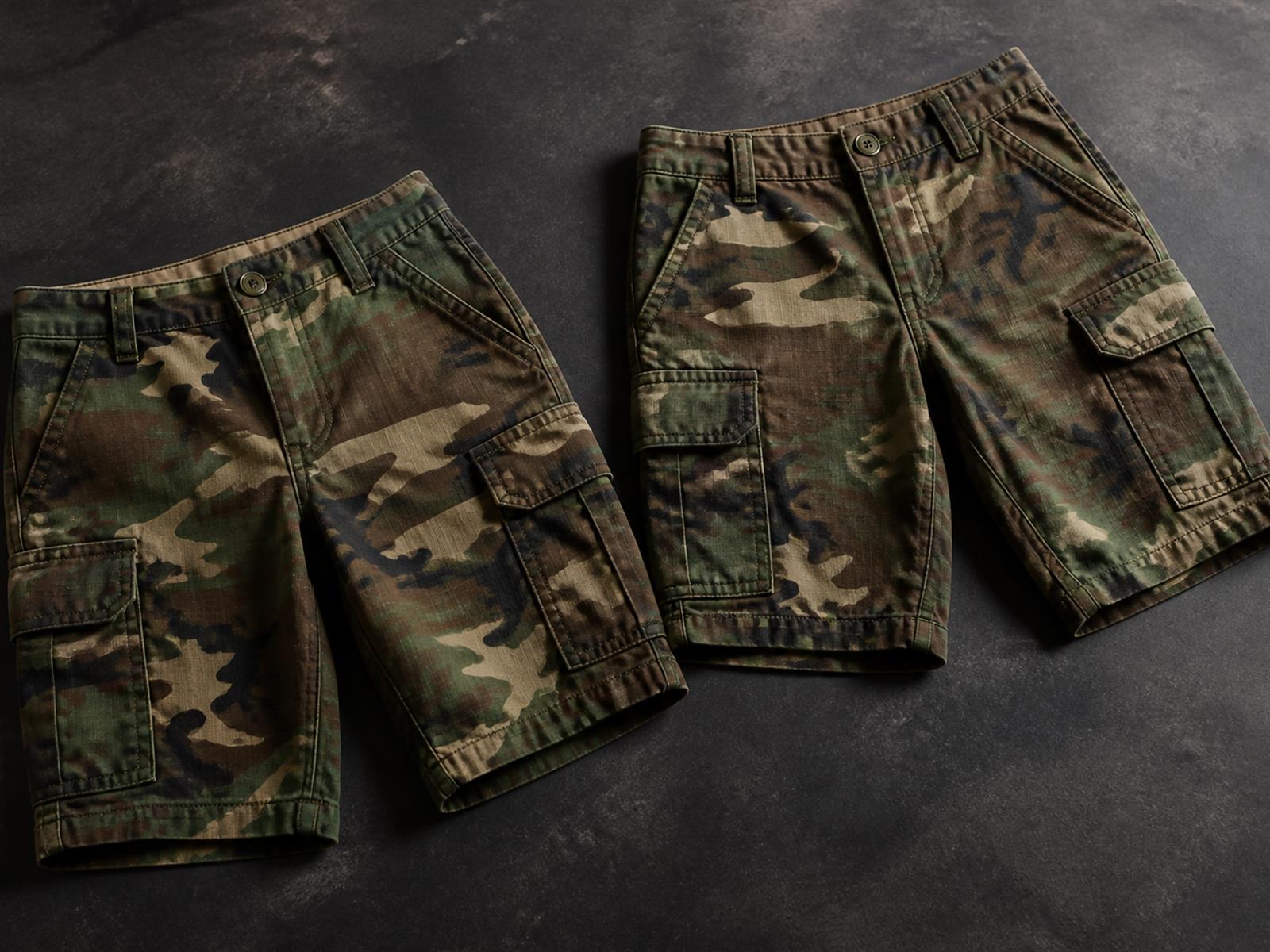
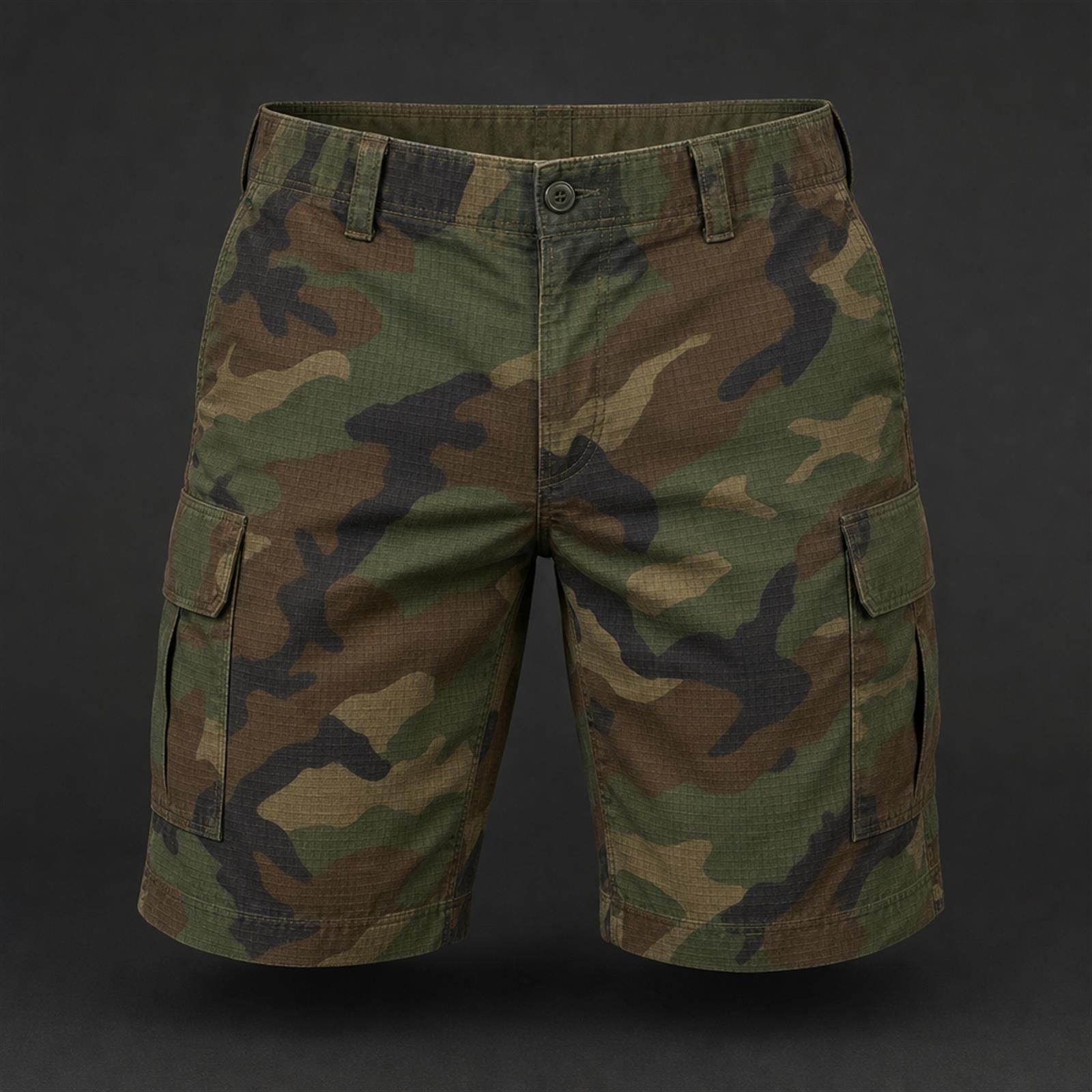
Custom ripstop tactical cargo shorts with reinforced pockets manufactured for OEM uniform buyers
Primary keyword
tactical shorts manufacturer
Climate focus
Hot / Dry / Tropical · Temperate / Urban Duty · Hot / Humid
Development input
Tech pack · Reference sample · Sketch · Photo
Tactical ShortsTactical ShortsTactical ShortsTactical Shorts

Buyers

Who buys tactical shorts?

Tactical Shorts is specified by organisations rather than bought as a single garment, so a quotation has to satisfy all 6 buyer profiles listed below.

Uniform distributors

Shorts that sit in the same order as trousers and shirts, in matching colourways, without the fit or the fabric changing between runs.

Duty and security suppliers

A duty cut that still looks uniform-correct: pressed enough for a front desk, tough enough for a patrol shift, with pockets that hold equipment without sagging.

Outdoor, hunting and fishing brands

Fast-drying, quiet shorts in earth tones and camouflage, cut for movement rather than for a fashion silhouette.

Institutional and agency procurement

Repeatable specification with documented shrinkage and colour testing, so a re-order in a second season matches the first.

Workwear and trades suppliers

Utility shorts that survive kneeling, abrasive surfaces and repeated industrial washing without blowing out at the crotch.

E-commerce and marketplace sellers

A summer range short enough to photograph, deep enough in sizes to avoid broken size runs, light enough to ship economically.

Types

Tactical Shorts types

The same category name covers very different garments depending on climate and wear pattern. 3 types of Tactical Shorts are covered here, and the type is chosen before the fabric.

Hot / Dry / Tropical

Cargo Short

The volume seller for hot markets. The design problem is not the pocket count but what happens under load: full cargo pockets make the waistband rotate and the side seam pull, so the reinforcement and the waistband construction decide whether the shorts still hang straight after a season. Get the pocket anchoring and the crotch gusset right and this is the most re-ordered garment in the range.

  • Cargo pockets anchored into the side seam, not hung on it
  • Reinforced pocket corners with bar-tacks
  • Gusseted crotch for squatting and climbing
  • Waistband with button closure and belt loops
  • Ripstop or poly-cotton body that holds shape after washing
Temperate / Urban Duty

Stretch Duty Short

Built for the wearer who is on their feet and getting in and out of vehicles: the mechanical stretch has to be in the weave, not sprayed on as a finish, or it disappears after the first twenty washes. The cut is deliberately closer than a cargo short so it reads as uniform rather than as leisure wear — which is usually the real requirement on a duty contract.

  • Mechanical stretch ripstop for movement without bagging
  • Slimmer uniform cut with clean front
  • Low-profile utility pockets instead of bulky cargo flaps
  • Structured waistband that keeps a shirt tucked in
  • Soil-release finish for repeated laundering

Hot / Humid

Lightweight Training Short

A lighter construction for training, physical instruction and off-duty wear: quick-drying woven fabric, elastic or hybrid waistband, and a cut that moves with the wearer. It is the natural add-on line to a duty programme because it uses the same fabric family, and it is the easiest piece to get wrong on weight — too heavy and it is not bought in summer, too light and it wears through at the seat.

  • Quick-drying lightweight woven fabric
  • Elastic or hybrid waistband with drawcord option
  • Split hem or side vent for stride
  • Minimal pocketing to save weight
  • Antibacterial or mesh brief option

Engineering

Construction, part by part

8 construction decisions define Tactical Shorts, and each row below is one decision you control at specification stage.

Pattern and Rise

  • Mid rise for uniform wear
  • Lower rise for technical and outdoor cuts
  • Regular and extended sizes
  • Adjustable rise per market
  • Buyer pattern matched from a reference pair

Rise and seat depth decide whether the shorts stay put when the wearer squats. Send a physical pair that fits your market and we match it — this removes the most common first-order fit rejection.

Crotch Construction

  • Gusseted crotch
  • Flat-felled inseam
  • Reinforced crotch bar-tack
  • Stretch panel insert
  • Standard four-panel construction

The crotch is where work shorts fail first. A gusset costs very little at production and removes the single most common return reason in utility shorts.

Waistband

  • Structured waistband with button closure
  • Elastic side inserts
  • Drawcord option
  • Elasticated full waist
  • Inner waistband grip tape

A structured waistband is what keeps a duty short looking correct with a tucked-in shirt. Grip tape is the small addition that stops the shirt from riding up.

Pockets and Reinforcement

  • Cargo pockets with flaps
  • Low-profile rear pockets
  • Hidden pocket for documents
  • Knife or tool pocket
  • Bar-tacked and double-stitched pocket mouths

Every pocket that carries weight must be anchored into a seam or a reinforcement, not sewn onto the surface. This one decision prevents most seam failures.

Belt Loops and Equipment

  • Standard belt loops
  • Wide duty belt loops
  • Additional loop for radio or pouch
  • Reinforced loop attachment
  • No belt loops for elastic waist models

If the buyer hangs equipment on the waist, the loops and the waistband have to be specified together. Upgrading loops onto a light waistband simply moves the failure.

Closure and Fly

  • Metal button and YKK zipper
  • Snap button
  • Hook and loop fly
  • Covered button for uniform appearance
  • Elastic waist without fly

Specify the closure brand and finish. A bright metal button on a duty short is a small detail that buyers notice immediately on a contract sample.

Hem and Side Seam

  • Straight hem with double stitching
  • Split hem at the outseam
  • Stretch side panels
  • Cargo side seam with reinforced stitching
  • Custom inseam lengths

Inseam length is a market variable, not a fixed number: confirm it against what your market sells, in centimetres, before grading.

Fabric and Finish

  • Poly-cotton ripstop
  • Cotton ripstop
  • Mechanical stretch ripstop
  • Nylon-cotton blend
  • Quick-dry synthetic woven

Confirm the wash shrinkage your market accepts and test against your own laundering protocol before bulk. A short that fits at sampling and rises after washing is a full-run problem.

Available fabrics

Material options by garment area

Body Fabrics

Poly-cotton ripstopCotton ripstopNylon-cotton blendMechanical stretch ripstopLightweight quick-dry woven

Ripstop holds shape and resists tearing; cotton breathes better in dry heat; mechanical stretch is what makes a duty cut usable. Pick against the climate the shorts are sold into, then confirm shrinkage.

Trims and Interlining

Polyester sewing thread matched to fabric toneFusible waistband interliningMetal or snap buttonsYKK or equivalent zippersColour-matched binding tape

Thread tone and interlining weight decide whether the waistband still looks new after thirty washes. They are the cheapest parts of the short and the first ones buyers inspect.

Customization

What can be customized

12 specification lines are available for Tactical Shorts, and where an option changes cost, weight or durability the consequence is stated next to it.

Inseam length

Short lengthAbove-kneeKnee lengthLong utility lengthPer buyer measurement

Cut

CargoDuty and uniformTechnical and outdoorTraining and physicalLoose utility

Waistband

Structured with belt loopsElastic side insertsFull elasticDrawcordHybrid elastic and fly

Colourways

Khaki and tanOlive and green tonesGrey and charcoalBlackWoodland and desert camouflage

Pocketing

Standard cargo with flapsLow-profile utilityHidden document pocketTool or knife pocketRear pocket with flap

Fabric

Poly-cotton ripstopCotton ripstopMechanical stretchQuick-dry syntheticCamouflage-printed fabric

Finish

Soil-release finishWater-repellent finishEnzyme or soft washColour-fast dyeing to buyer standardNo additional finish

Lining and brief

UnlinedMesh briefHalf liningAntibacterial lining

Hardware

Metal buttonSnap buttonCovered buttonYKK zipperElastic without hardware

Size runs

EU sizingUS sizingUK sizingExtended sizesWide and narrow fits

Branding

Woven labelPrinted inner waistbandHeat-transfer logoEmbroideryFully unbranded

Packing

PolybagIndividual retail bagMaster carton with size markingHanger packing for retail display

Sizing

Size development

Shorts are graded from the confirmed pattern and checked physically at the smallest and largest size, with the waist open measurement, seat, thigh and inseam measured flat before the full run is cut. Extended sizes are a commercial decision as much as a technical one: adding them later re-opens the grading table, so confirm the size curve your market buys before tooling the markers. Shrinkage is measured after your own laundering protocol, since a short that fits at sampling and not after washing is the failure buyers complain about most.

How size development works

Branding

Private label

Your pattern, your fabric specification, your hardware and your packaging. We can also stay invisible: no label, no printed waistband, no marking on the carton, so the range ships entirely under your name.

Customization capability

Development

Sampling process

Sampling for Tactical Shorts runs in 7 stages, each one removing a specific risk before the next stage commits cost.

01

Specification review

We agree the cut, fabric, inseam, pocketing, waistband and finish in writing before any fabric is cut.

02

Pattern and fit reference

Your reference pair or measurements define the rise, seat and leg opening that the sample will be judged against.

03

Fabric and finish confirmation

Fabric construction, weight and finish are confirmed against physical swatches and your shrinkage requirement.

04

First sample

One pair built to the agreed specification for fit, pocket behaviour and construction review.

05

Fit and wash trial

The sample is worn and then washed to your protocol so shrinkage and shape retention can be judged before approval.

06

Revision

Rise, leg opening, pocket placement or reinforcement are corrected and rebuilt where needed.

07

Sealed golden sample

The approved pair is sealed and kept as the reference for every later production run and inspection.

Production

Bulk manufacturing

Bulk production of Tactical Shorts runs in 7 stages, which is where an approved specification is either held or lost.

01

Material receipt and inspection

Fabric lot, shrinkage behaviour, thread and hardware are checked against the sealed sample before cutting.

02

Cutting

Legs, waistband, pocket parts and linings are cut to the confirmed markers with grain and stretch direction controlled.

03

Pocket and reinforcement assembly

Cargo pockets, flaps and reinforcements are attached and bar-tacked before the legs are joined.

04

Leg and seat construction

Inseams, outseams and the crotch are assembled with the agreed seam type and stitch density.

05

Waistband and closure

Waistband, belt loops, fly and closure are attached and the waist measured flat against the specification.

06

Finishing

Thread ends, marking and pressing are completed; colour and finish are matched to the sealed sample.

07

Packing and size-run control

Shorts are packed by size with the run counted against the order, so a shipment never arrives with broken size runs.

Quality Control

Quality control for this category

Inspection of Tactical Shorts is measured against an agreed standard, and the 7 checks below are listed with what each one is measured against.

01

Incoming material check

Fabric construction, weight, colour and shrinkage test results are recorded against the specification.

02

In-line inspection

Stitch density, pocket alignment and reinforcement are checked during assembly, not only at final inspection.

03

Measurement check

Waist, seat, thigh and inseam are measured flat on sampled pieces against the graded specification.

04

Pocket and closure strength

Pocket mouths, belt loops and the fly are pulled on sampled pieces to confirm the reinforcement holds.

05

Wash and shrinkage test

Sampled shorts are washed to the agreed protocol and re-measured so shrinkage stays inside the tolerance.

06

Final inspection

Visual inspection against the sealed golden sample, with defects recorded per lot.

07

Record keeping

Inspection results are filed per batch so a later claim can be traced to fabric lot, operator and date.

Choosing a Tactical Shorts manufacturer

How to choose a tactical shorts manufacturer

The 6 questions buyers ask about Tactical Shorts before committing to a first order.

Decide the climate, then the fabric

Cotton ripstop breathes better in dry heat, poly-cotton holds colour and shape better through repeated laundering, mechanical stretch is what makes a duty cut wearable. Choosing the fabric before the climate is how buyers end up with a short that sells for one season.

Fix the crotch construction before anything else

Work shorts fail at the crotch before anywhere else. A gusset and proper bar-tacking cost little at production and remove the most common return reason in utility shorts — ask for it explicitly, because it is invisible in a photo.

Anchor every load-bearing pocket

A cargo pocket with weight in it pulls the side seam unless it is anchored into a seam or reinforcement. Ask how the pocket is attached, not how many pockets there are.

Confirm shrinkage against your own wash protocol

Shorts that fit at sampling and rise after the first industrial wash are a full-run problem. Ask for a washed measurement report in your own protocol, not a generic one.

Match inseam and rise to the market you sell

Inseam and rise are commercial variables: the same short sells differently in different regions. Send a pair that sells in your market and let the factory match it, rather than adjusting it after the first shipment.

Ask how batch five will be controlled

Ask which sample is sealed, what is measured each run and what records come with the shipment. For a garment this seasonal, repeatability is the difference between a summer line and a one-off order.

Products

Tactical Shorts products

Each product in Tactical Shorts is a developed specification with its own material options, construction detail and customization map.

Tactical Shorts

Ripstop Cargo Short

Cargo shorts take more abuse than any other garment in a uniform programme: the most kneeling, the most laundering and the heaviest pockets.

Hot and dry markets where cotton-rich ripstop breathes betterTropical and humid markets where quick drying and colour retention matterTemperate duty wear where a pressed uniform look is required
View product

FAQ

Tactical Shorts FAQ

Can you match a pair of shorts we already sell?

Yes. Send a physical pair that fits your market and we match the rise, seat, leg opening, pocket placement and inseam. Matching an existing pair is the normal way we start a shorts programme, and it removes most fit risk from the first order.

What is your minimum order quantity for tactical shorts?

MOQ is quoted per fabric and per colourway, because fabric buying and cutting drive the cost more than assembly. Mixed sizes within one colourway are normal; tell us the size curve you sell and we quote against it.

Which fabric should I choose for a hot, dry market?

Usually cotton or poly-cotton ripstop rather than a synthetic quick-dry fabric: it breathes better in dry heat and feels cooler against the skin. We will always ask which climate the shorts are sold into before recommending.

Can you add a gusseted crotch and reinforced pockets?

Yes, and for work shorts we usually recommend it. The gusset, the pocket anchoring and the bar-tacks are the three construction details that decide whether the shorts survive a season of kneeling and squatting.

How do you control shrinkage between production runs?

The approved pair is sealed as the golden sample and stays with us. Fabric lots are checked for shrinkage behaviour before cutting and washed measurement reports are filed per batch, so a re-order in a second season measures like the first.

Can the shorts ship completely unbranded?

Yes. Labels, printed waistbands and carton markings can all be left blank so the range ships entirely under your name.

Request a Manufacturing Assessment

Send us your tech pack, reference sample or product idea. We review your requirement, recommend materials and construction, and come back with a development plan you can act on.