Field Lab
Layer System Field Trial
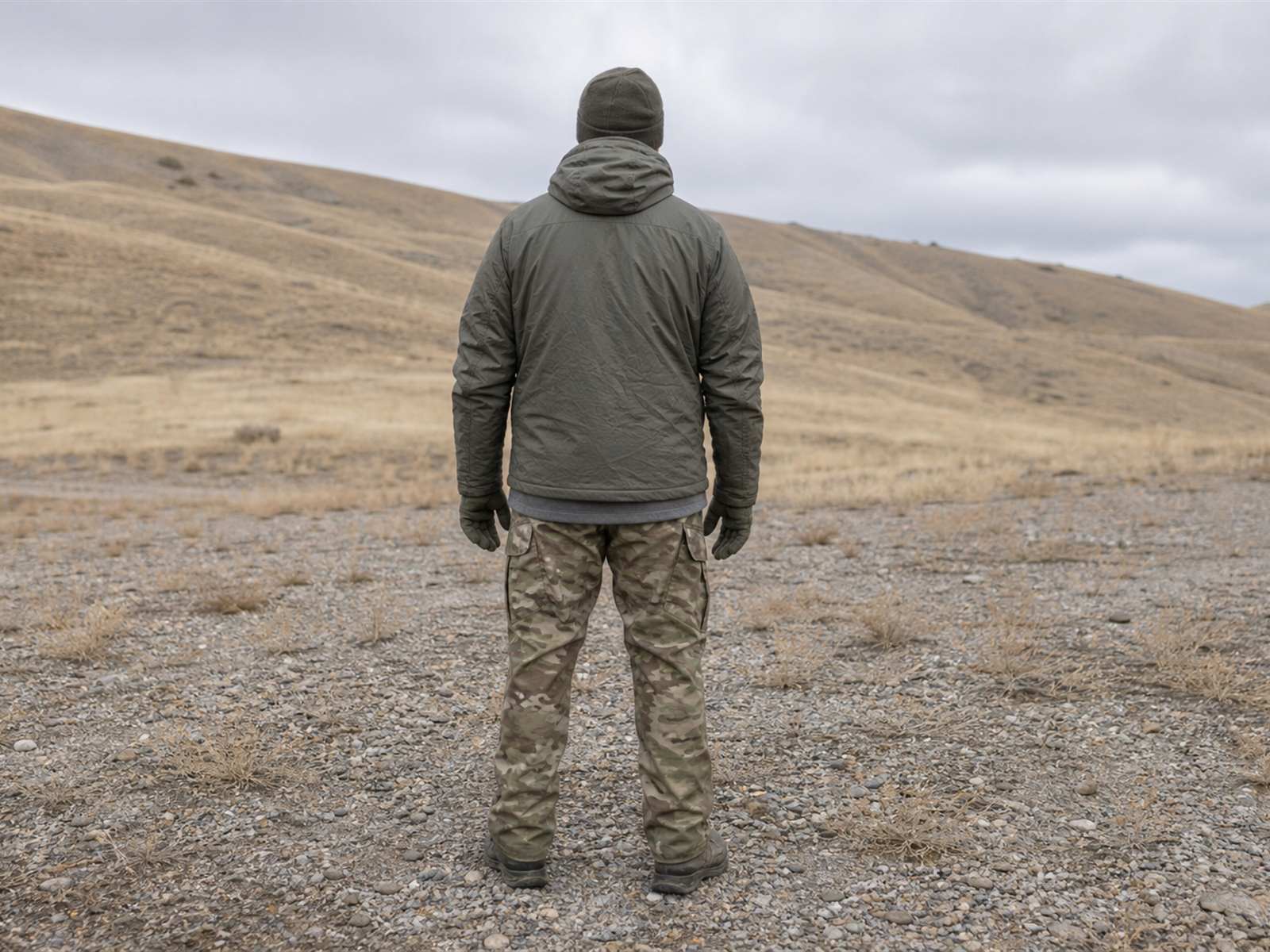
This Field Lab page is the test position for the layer system field trial, which is the only test on this site that takes a full composition out of the laboratory and into real conditions. The question is how the system behaves in use: whether the layers can be added and removed quickly enough as activity changes, whether the openings and closures work with the equipment the wearer carries, whether moisture leaves the system, and where the composition is uncomfortable or restrictive rather than simply cold. No trial has been completed, so method, observations and result are awaiting test data, and the trial protocol still has to be confirmed with the laboratory and the wearers taking part. Thermal imaging cannot be treated as formal certification of insulation performance. A trial is not a certification of anything, and it is precisely for that reason that the buyer's own field trials remain the evidence that counts.
- Status
- Awaiting test data
- Materials compared
- 4
Gallery
Test bench
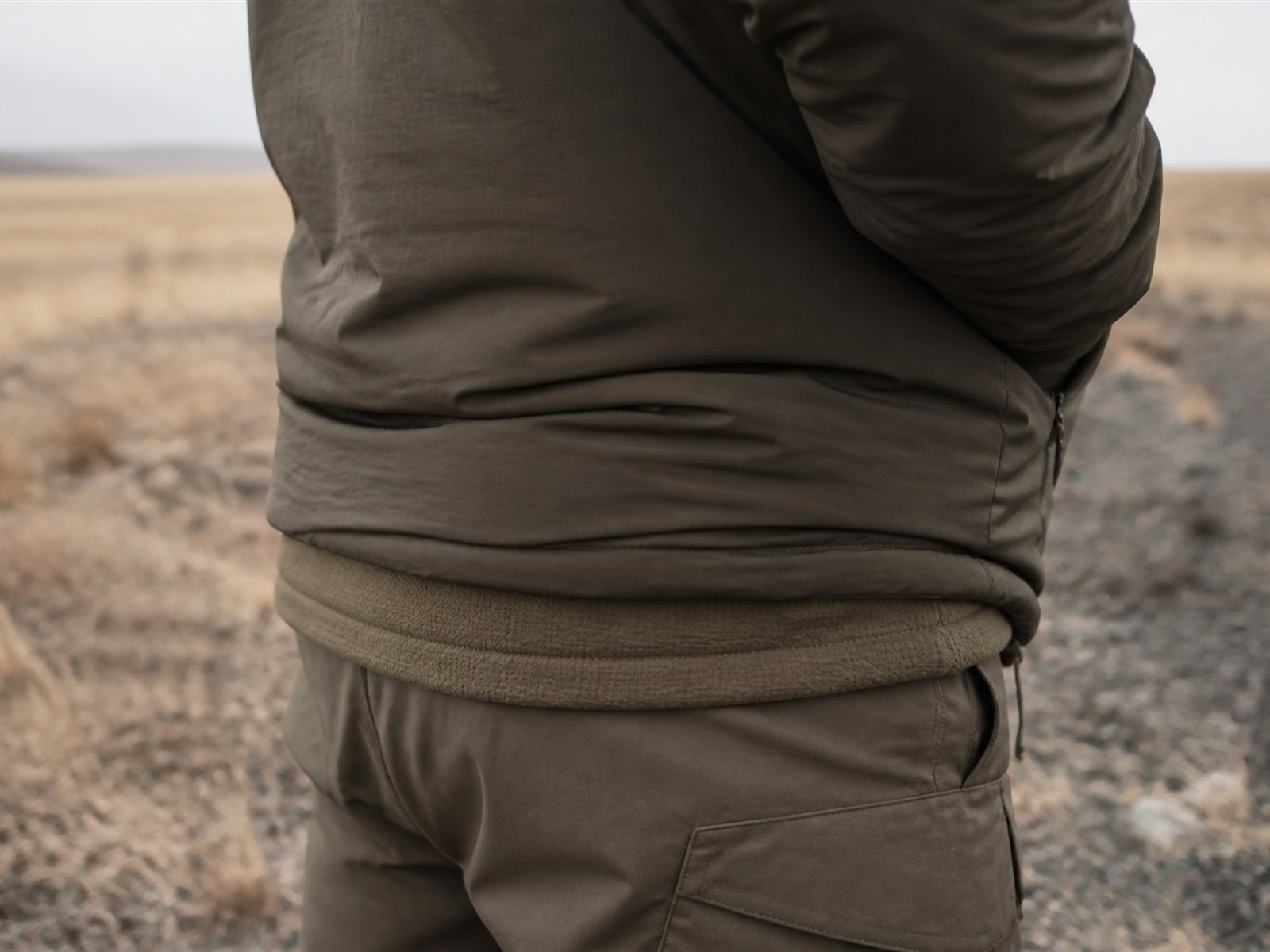
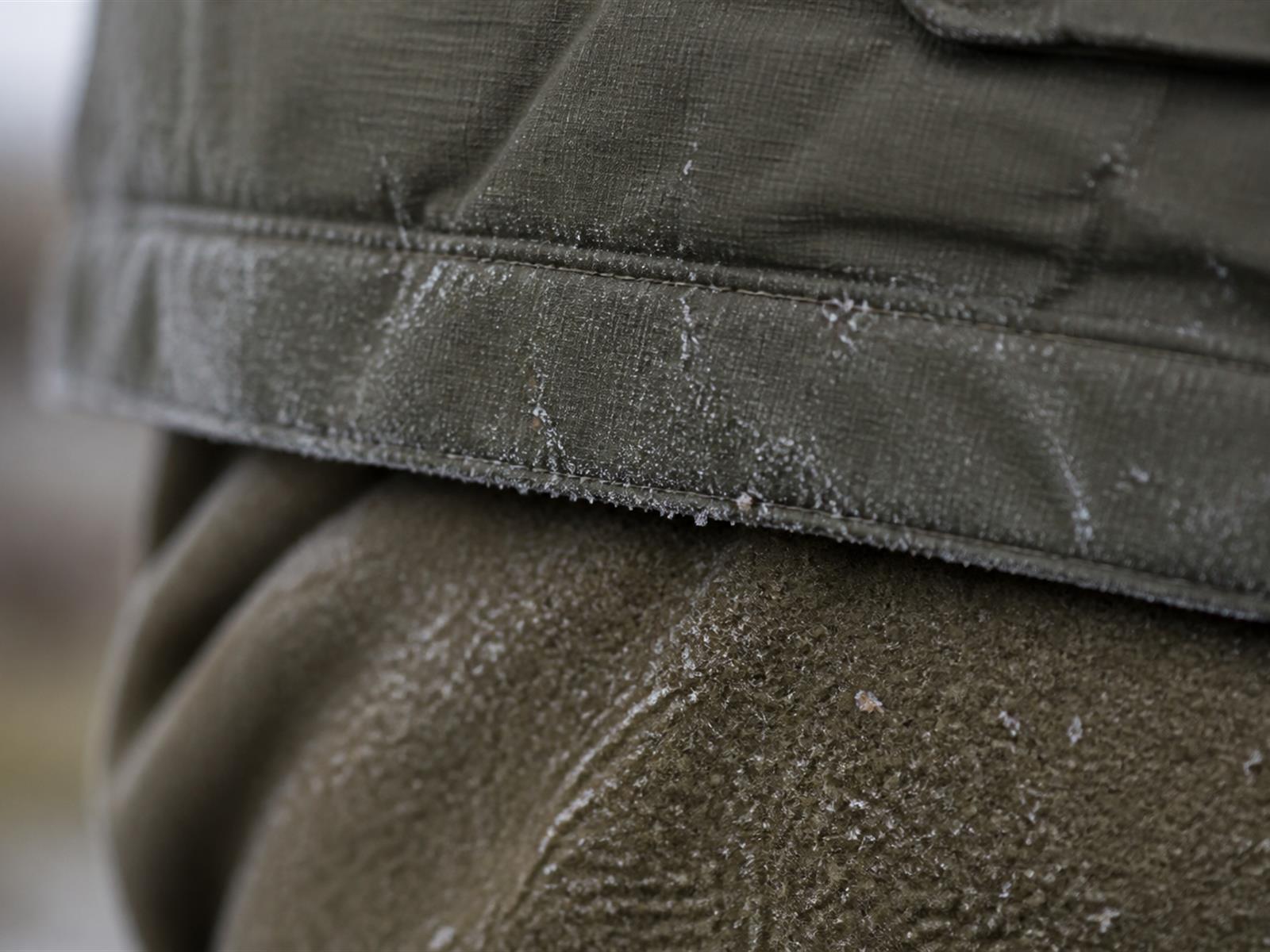
Status: AWAITING TEST DATA — Layer System Field Trial has not yet been run on real material. Method, observations and result will be published once the test has been completed and the output recorded.
Question
What are we testing?
Whether a composition works as a system in real conditions: whether the layers can be managed as the wearer's activity changes, whether moisture leaves the system, whether the openings, hood and cuffs work with the equipment in use, and where wearers report restriction, chafing or cold. Test method: to be confirmed, and a trial protocol has to define what is recorded and by whom before wearers go out. Conditions required for a comparison to mean anything: the complete composition and the order of the layers, documented garment by garment; the garment sizes issued against the wearers' body dimensions; the conditions during each trial period, recorded rather than described in general terms, including wind and precipitation; the activity pattern, exposure duration and the number of wearers; the equipment worn over and under the system; the observation method, whether wearers report at defined intervals, keep a written record, or are observed by a second person; and the instructions given to wearers, because a trial in which some wearers were told to add a layer early and others were not does not compare like with like.
Relevance
Why does it matter?
A field trial is the only test position that can catch the interactions a laboratory cannot create: a shell that works standing still but not while climbing, a hood that fights headwear, a cuff that will not close over the issued glove, a base layer that is comfortable for the first hour and wet for the rest of the day. These are the findings that change a specification, and they are almost always cheap to fix at the sampling stage and expensive to discover after bulk delivery. A documented trial also gives the buyer something more valuable than any single result: a repeatable method, so the same composition can be assessed again the next time it is issued, and a change to the specification can be judged against a recorded baseline rather than a memory.
Materials
Materials in this test
Material
Cold Weather Insulation Material
Cold weather insulation material keeps a wearer warm by holding still air in a structure, not by generating heat.
Material
Fleece
Fleece is a pile knit or woven fabric with a raised surface that traps air.
Material
Moisture Wicking Fabric
Moisture wicking fabric moves liquid sweat away from the skin and spreads it across the outer surface of the cloth, where it can evaporate.
Material
Waterproof Fabric
Waterproof fabric prevents liquid water from passing through under pressure, and it only works as a system: the fabric carries a membrane or coating, and every seam and closure has to be sealed as well.
Method & result
Method, observations and result
Layer System Field Trial is published only when the underlying work has been carried out, so an empty field means the test has not yet produced that value.
Testing method
Awaiting test data — to be published when the test is complete.
Observations
Awaiting test data — to be published when the test is complete.
Result
Awaiting test data — to be published when the test is complete.
Limitations
What this test cannot tell you
Limitations: a trial describes the composition, the conditions and the wearers involved, and those cannot be generalised. Weather changes between periods, wearers differ in how much heat and moisture they produce, and a small number of wearers over a short period is not a population. Trials also cannot be blinded in any meaningful way, so what wearers report is influenced by expectation and by the garment being new, and the most common finding in any trial is that a garment which felt excellent in the first week is judged differently after a season. A trial cannot produce a warmth figure and cannot be presented as certification of performance, and it does not replace the buyer's own field trials in their own conditions with their own people, which remain the evidence that counts. Third-party laboratory position: a field trial is not a laboratory test and an accredited laboratory does not certify one; if a buyer requires independently verified performance, that has to come from a laboratory test on the actual construction rather than from a trial.
Related
Related content
Related Applications
Related Capabilities
Request a sample to evaluate yourself
Send the product type and the application. We will propose the material options for that application and state the trade-offs, so the comparison you run is against the right candidates.