Field Lab
Quick Dry Test
This Field Lab page states test intent before any result exists. The question is narrow: once a hot-weather garment is wet through with sweat or rain, how quickly does the fabric release that water when the wearer stops moving and the garment is worn or hung in open air? The test structure, the fabric set, the conditions it will be run under, and the limits of the method are published here now. Observations and results will be added only when the test has actually been run on real fabric and every reading has been recorded. Until that point this page is a statement of what we intend to measure, not a claim about performance.
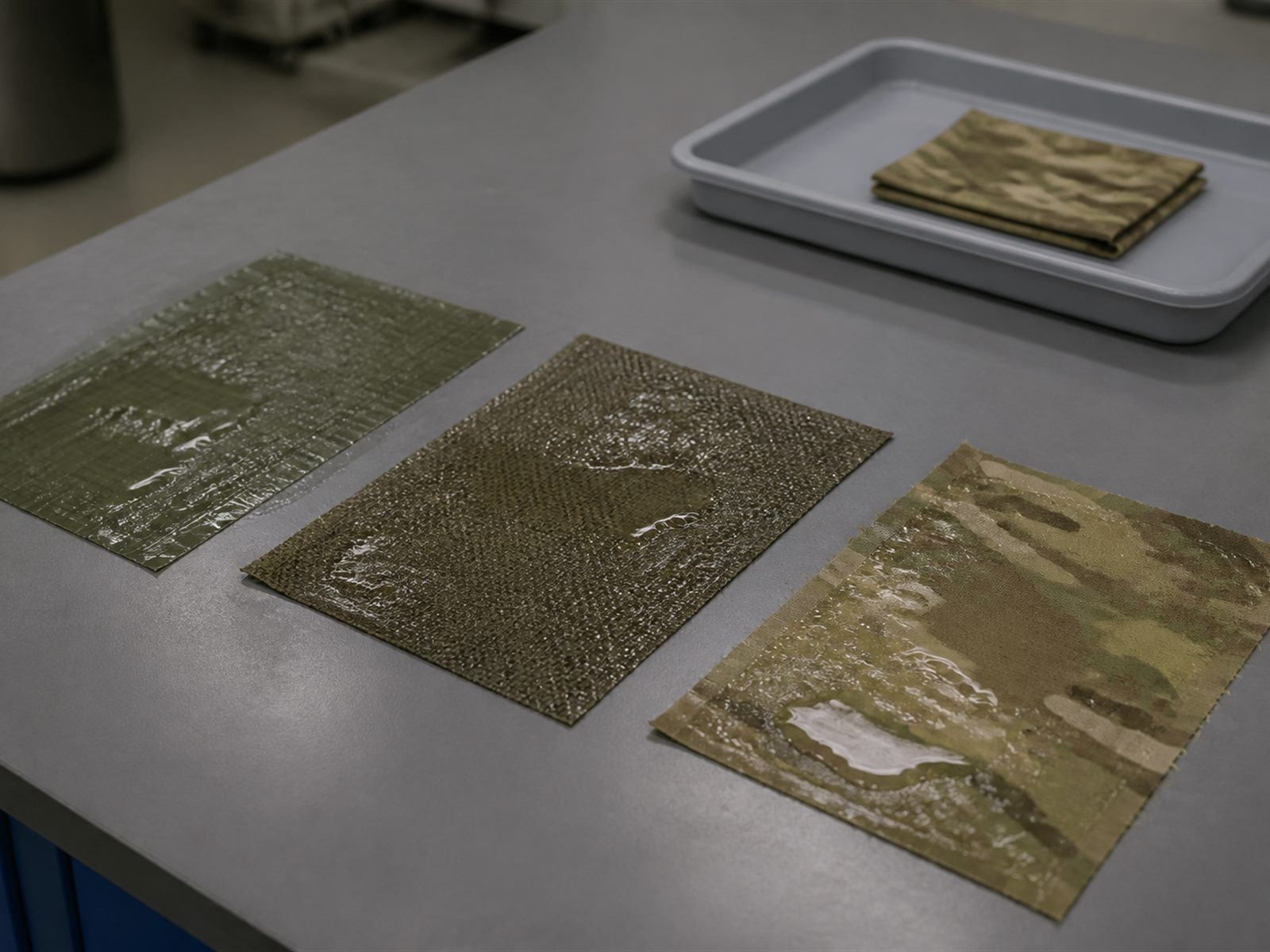
- Status
- Awaiting test data
- Materials compared
- 4
Gallery
Test bench
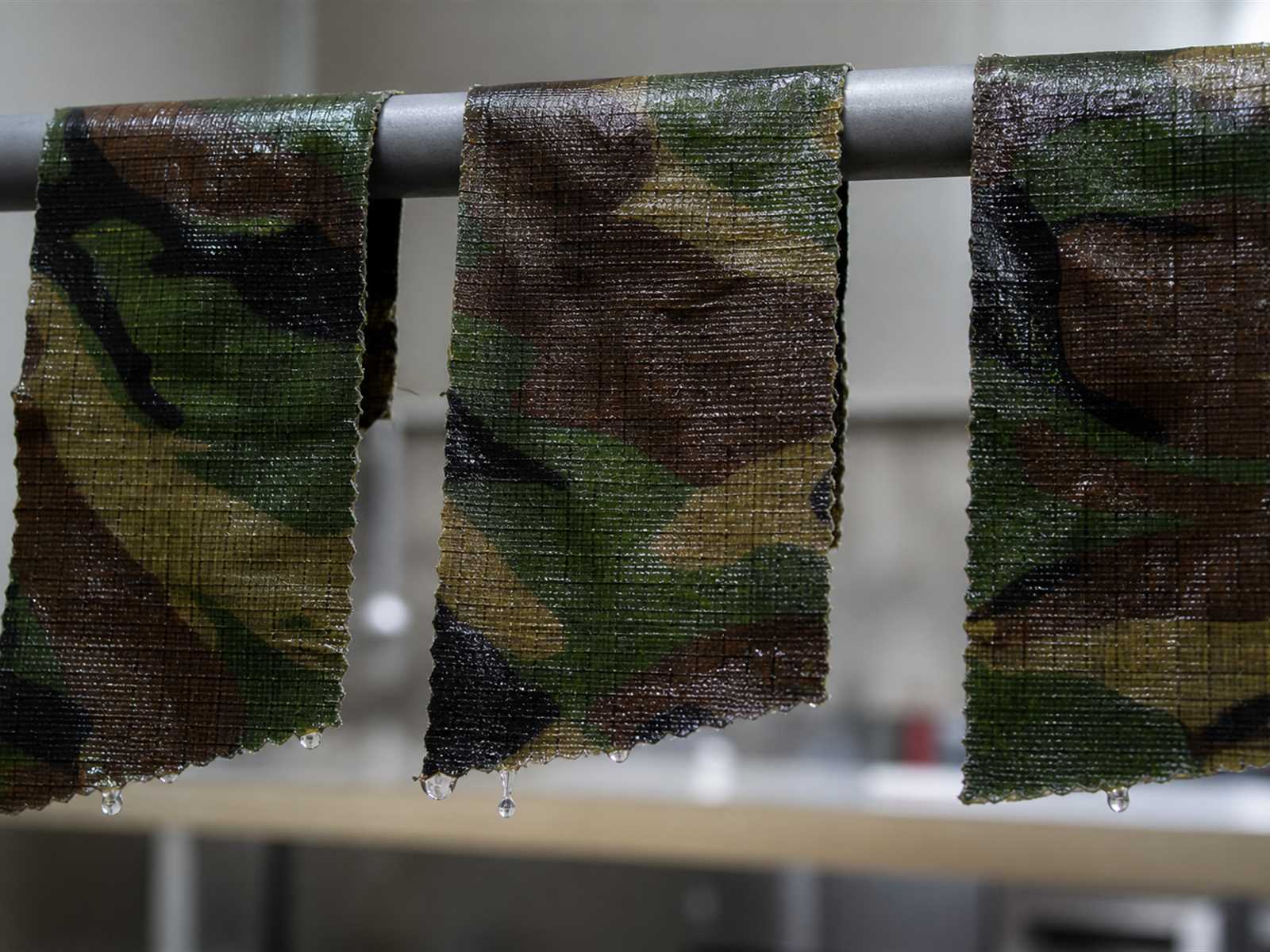
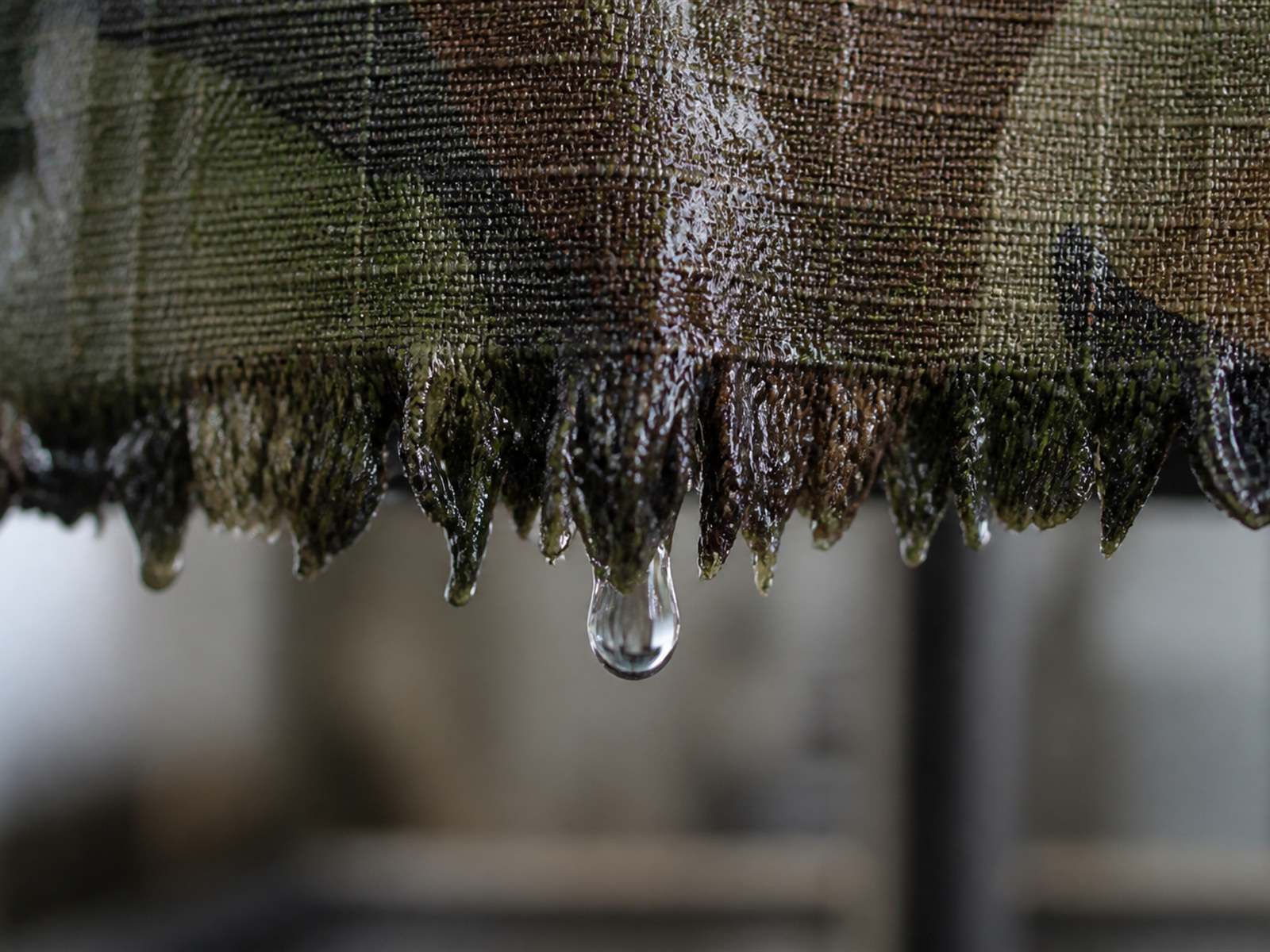
Status: AWAITING TEST DATA — Quick Dry Test has not yet been run on real material. Method, observations and result will be published once the test has been completed and the output recorded.
Question
What are we testing?
Whether the engineered quick-dry and wicking fabrics we offer for hot-weather garments release water faster than a comparable lightweight woven when evaluated side by side under the same conditions, and whether any difference is large enough to justify a change in specification. The comparison is between fabrics we use, tested against each other; it is not a certification of any fabric against an external standard. Where a buyer has a drying requirement, this test is meant to inform the conversation, not to replace it.
Relevance
Why does it matter?
A garment that dries slowly is a commercial problem before it is a comfort problem. In hot and humid conditions a shirt or trouser that stays wet against the skin is uncomfortable within hours, becomes heavy, and creates chafing and skin irritation that a unit will report back to whoever placed the order. Buyers running field or patrol programmes care about the second half of the day, and about whether a garment washed in the evening is wearable the next morning. When drying behaviour is claimed in a specification but never measured, the claim is carried by the fabric supplier's marketing rather than by evidence, and the buyer has no basis for comparing quotations that use different fabrics at different prices. A side-by-side test gives that comparison a factual floor.
Materials
Materials in this test
Material
Quick Dry Fabric
Quick dry fabric is engineered so that moisture leaves the garment rather than soaking into it.
Material
Moisture Wicking Fabric
Moisture wicking fabric moves liquid sweat away from the skin and spreads it across the outer surface of the cloth, where it can evaporate.
Material
Lightweight Hot Weather Fabric
Lightweight hot weather fabric is built on a simple physical argument: less fabric mass means less stored heat, and a more open structure means more air exchange and faster evaporation of sweat.
Material
Poly Cotton Ripstop
Poly cotton ripstop is a woven fabric built from a blend of polyester and cotton, reinforced with a grid of thicker yarns woven at intervals.
Method & result
Method, observations and result
Quick Dry Test is published only when the underlying work has been carried out, so an empty field means the test has not yet produced that value.
Testing method
Awaiting test data — to be published when the test is complete.
Observations
Awaiting test data — to be published when the test is complete.
Result
Awaiting test data — to be published when the test is complete.
Limitations
What this test cannot tell you
A result published here will apply only to the specific fabric lots tested, at the specific weight, construction and finish of those lots. Drying behaviour depends on fibre type, yarn structure, knit or weave density and the finishing chemistry applied, and it changes with laundering and with garment construction such as panel layering and seam coverage. A laboratory drying comparison is also not field drying: wind, carried load, layering and wearer activity all move the outcome. This test is not a certification against any external standard, and it does not tell a buyer that a finished garment will meet their own stated drying requirement. That requirement, where it exists, must be written into the specification and verified on the production lot.
Related
Related content
Related Materials
Related Applications
Related Capabilities
Related Categories
Request a sample to evaluate yourself
Send the product type and the application. We will propose the material options for that application and state the trade-offs, so the comparison you run is against the right candidates.