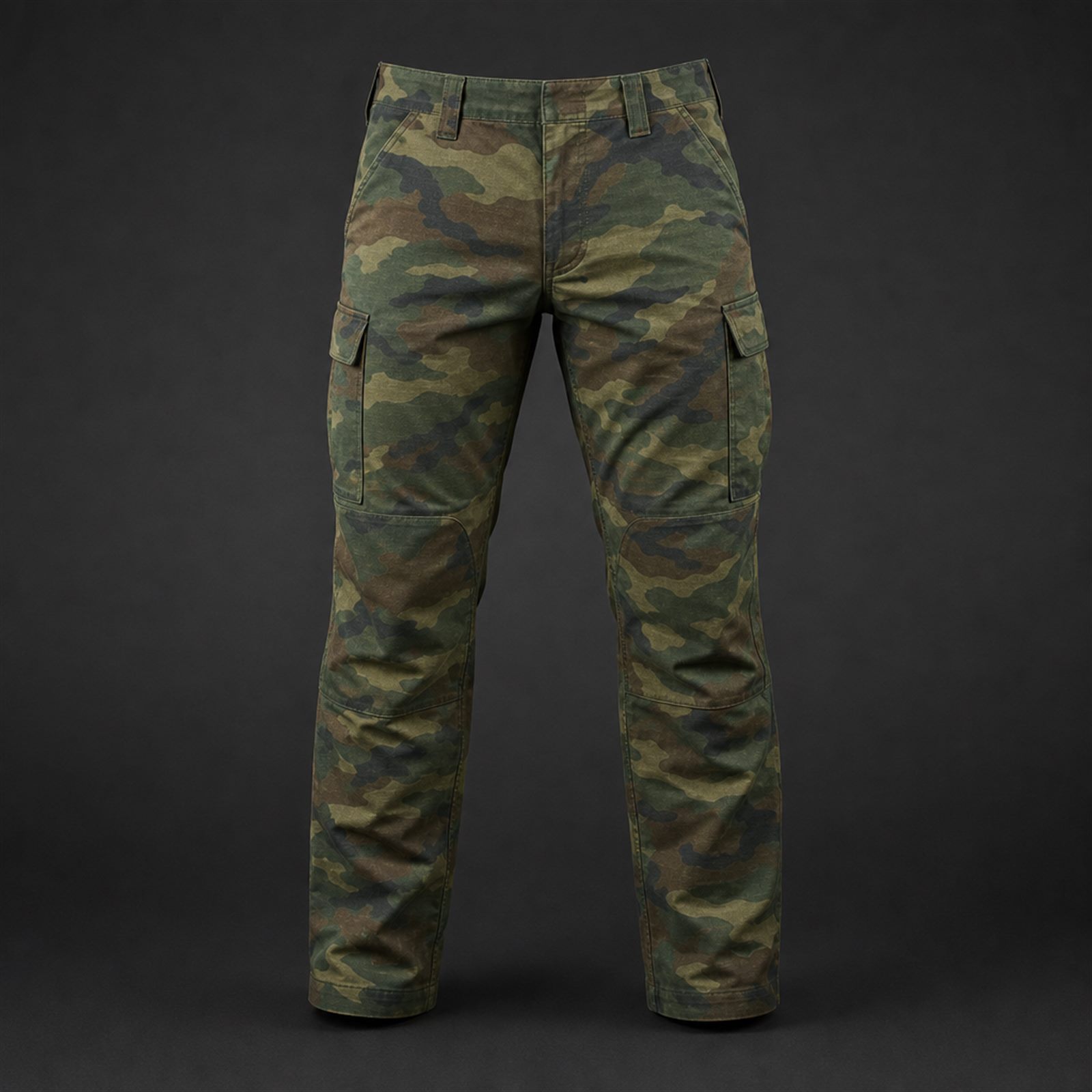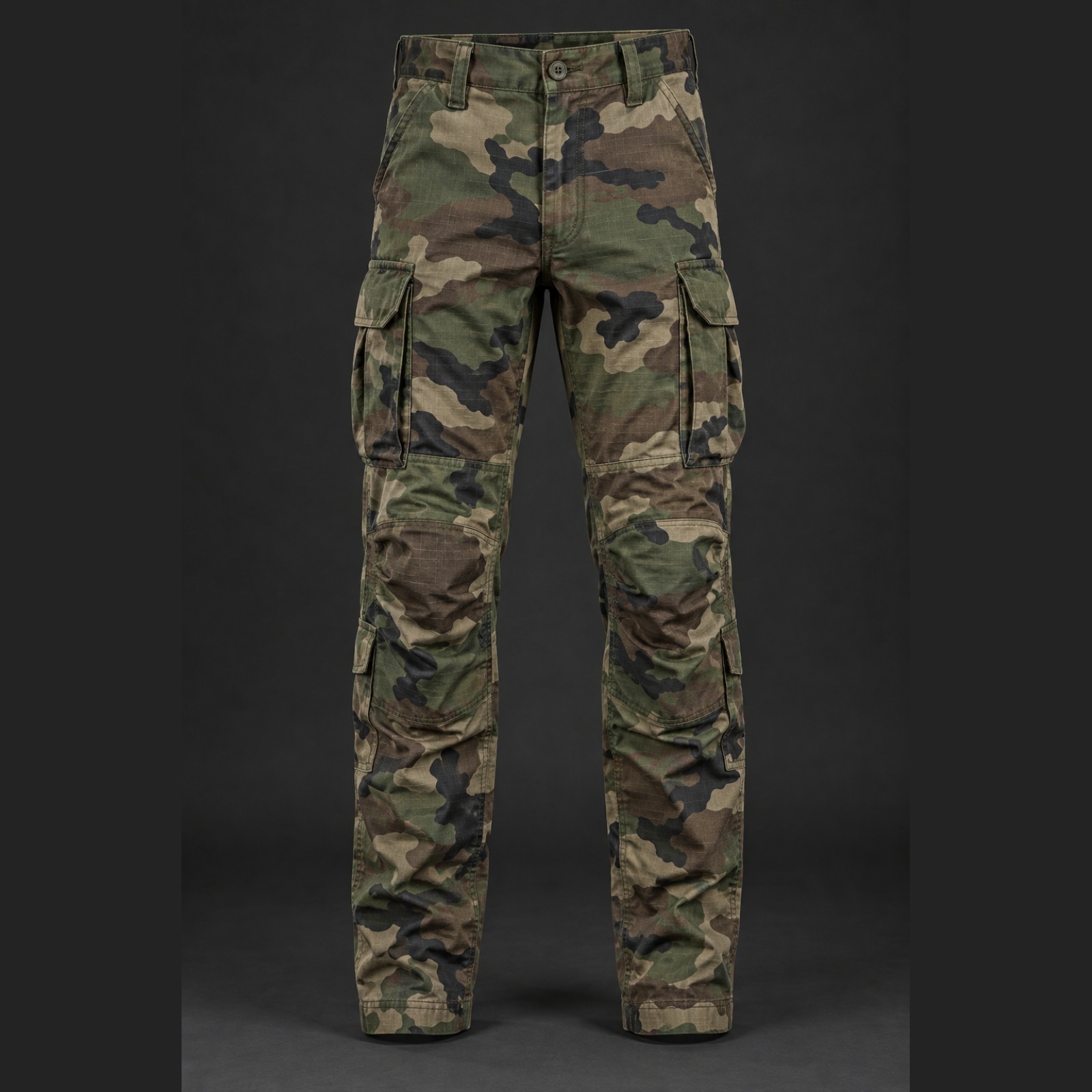
Tactical Pants
Ripstop Tactical Pants
A tactical pant is judged by three things: whether the crotch survives, whether the knee holds up, and whether the waist still fits the same after a full day of movement.
TemperateHotArid / Desert
View productProducts / Tactical Pants
In sustained heat the limiting factor is not durability, it is whether the wearer can keep working. A pant that holds water, blocks airflow around the thigh and does not dry overnight becomes a liability on the second day. This pant is therefore built around drying speed, airflow and weight, and the abrasion resistance that a heavier ripstop would have provided is bought back selectively at the knee and seat, where the pant actually contacts ground and structure. That trade is deliberate and it is documented: the lighter the shell, the more the reinforcement package has to carry, and a buyer who needs the pant to survive months of daily ground contact should expect either reinforcement or a shorter replacement cycle. Ventilation is designed into the pattern rather than left to fabric weight alone.
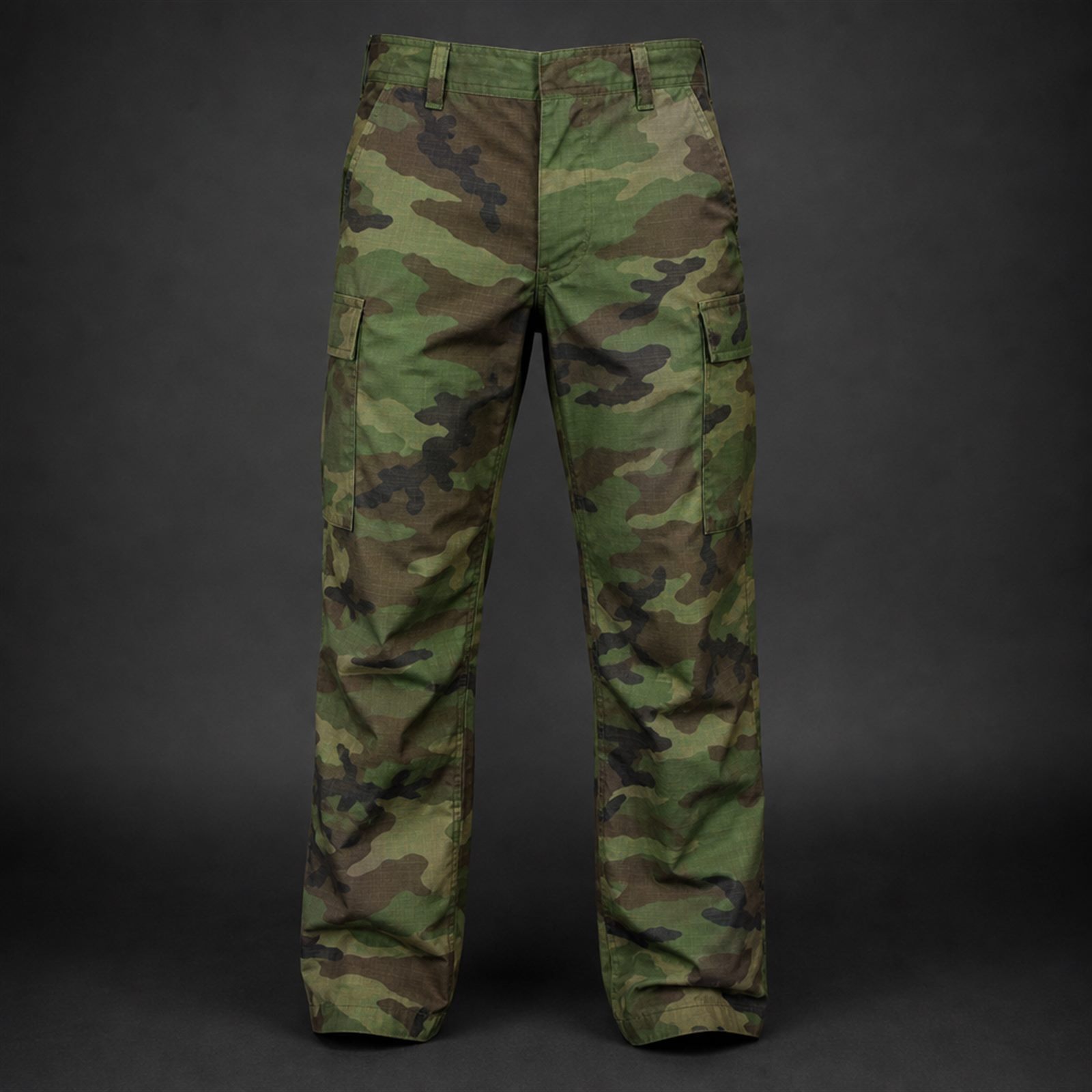
Gallery
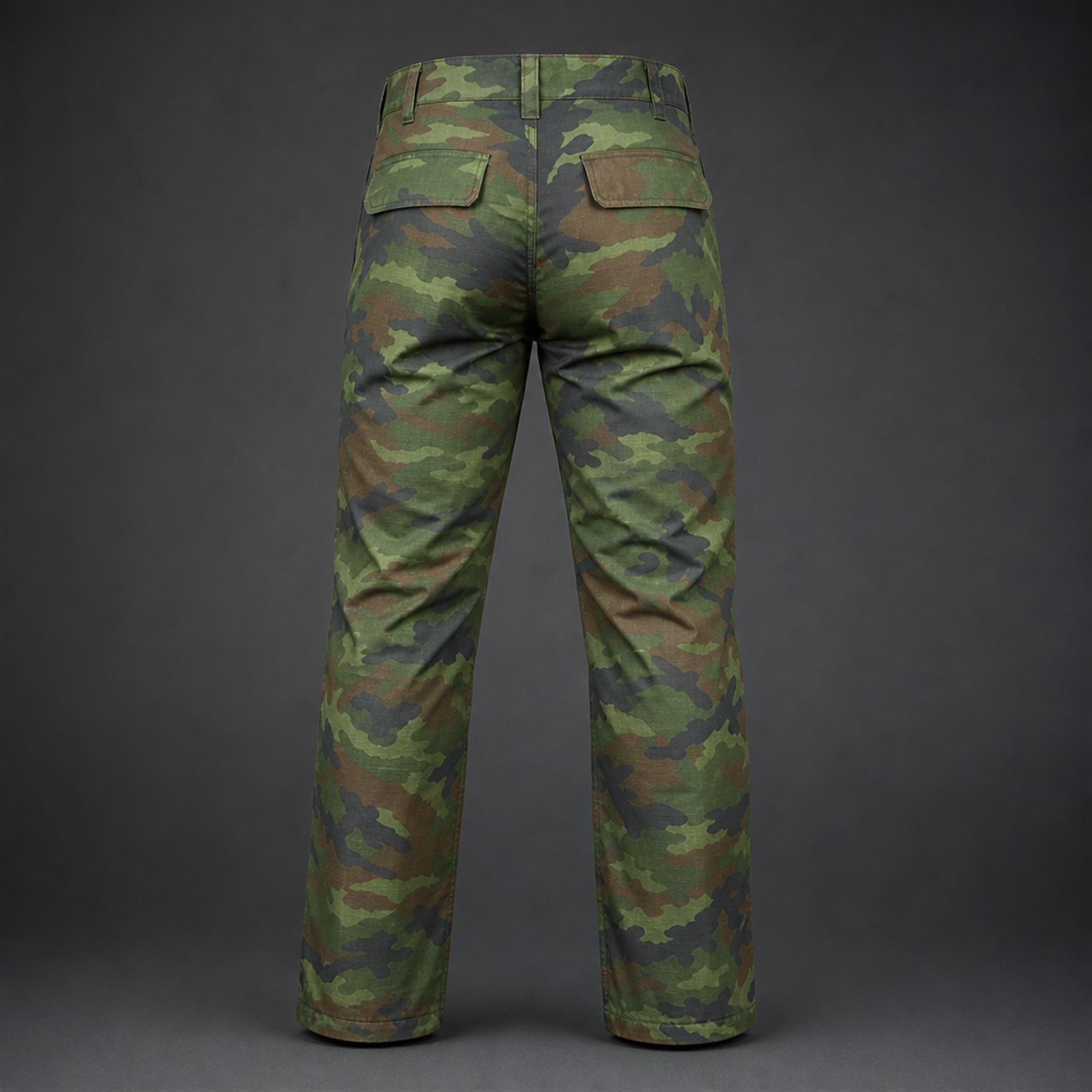
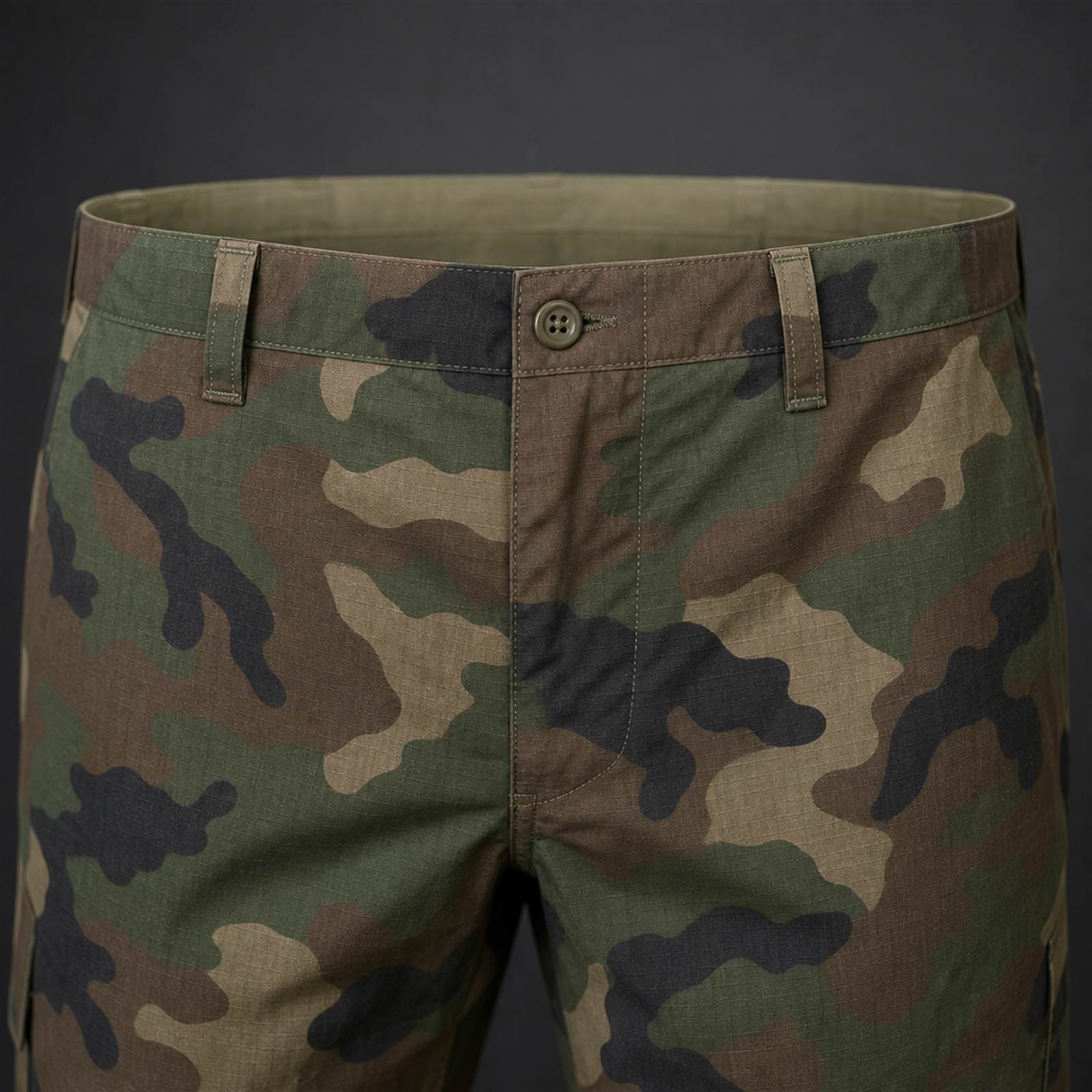
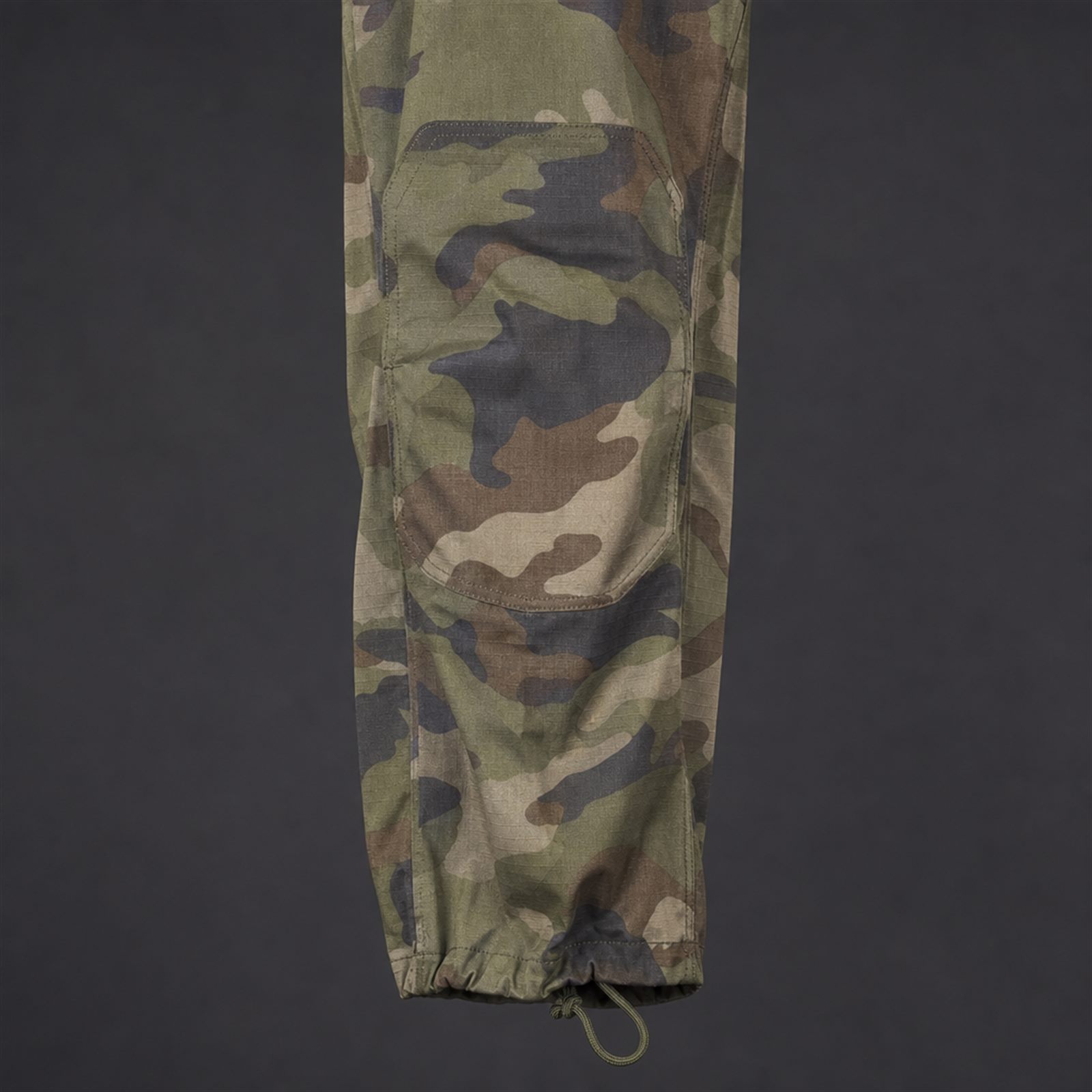
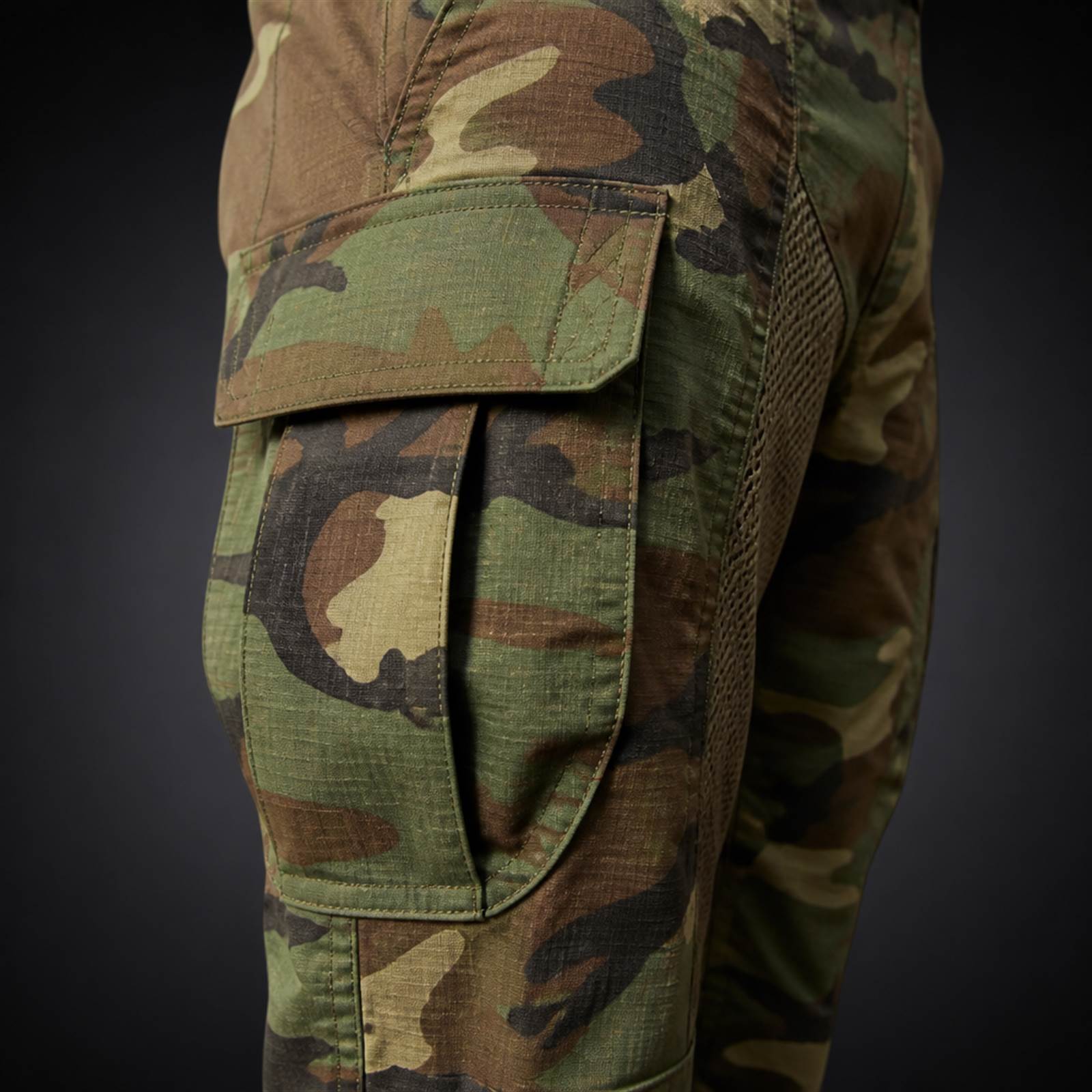
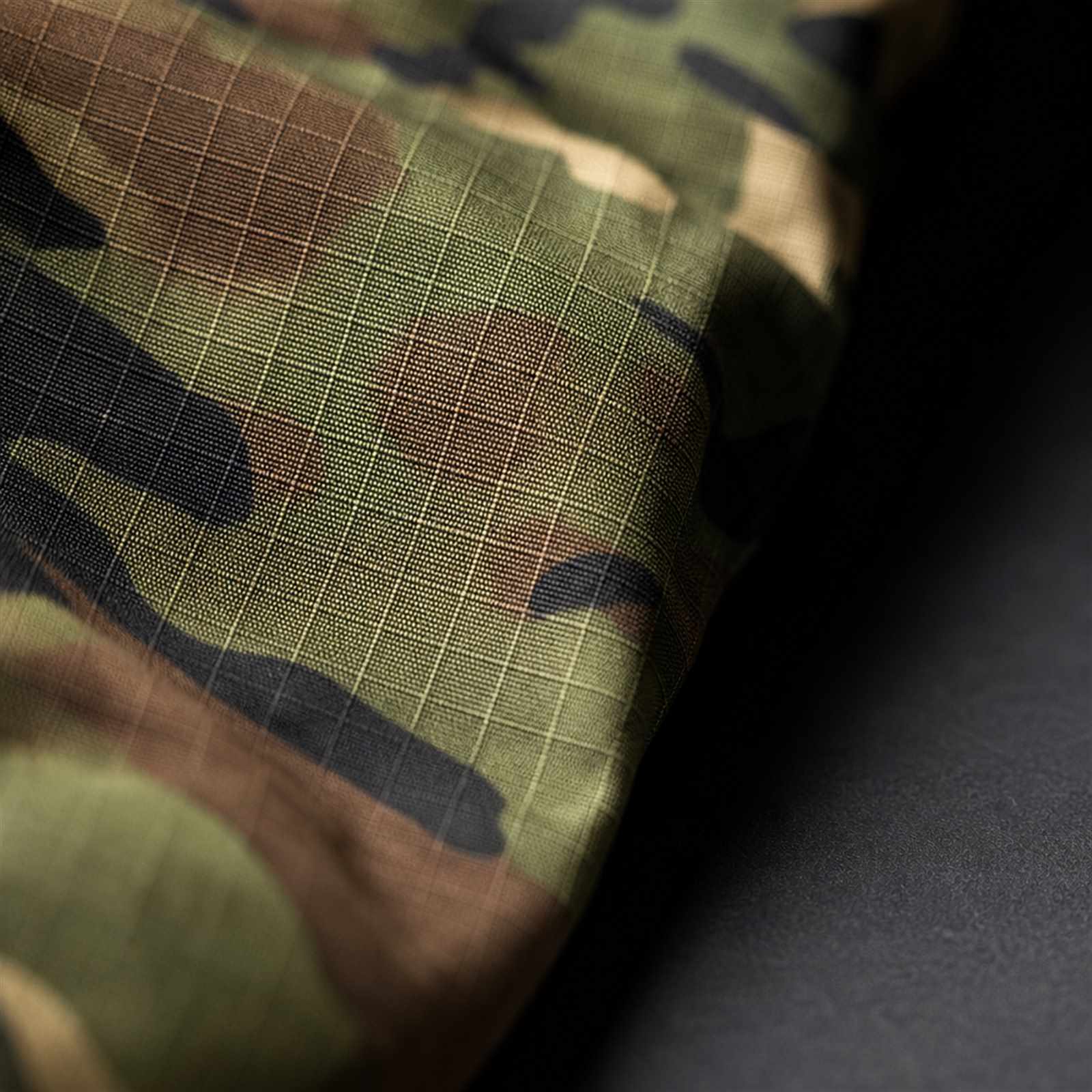
Design purpose
Reduce heat load and drying time while keeping enough abrasion resistance at the knee and seat that the pant is not retired prematurely. Every construction decision is judged on whether it helps the garment dry, breathe or move, or whether it only adds weight.
Applications
Interactive map
Hot Weather Tactical Pants: select a marker to see what can be specified at that part of the garment — all 10 mapped areas are also listed in full below the map, so nothing is hidden behind an interaction.
Customization by garment part
Select a marker to see the customization options available at that part of the garment. Every option below is a manufacturing decision you control.
Materials
4 material options for Hot Weather Tactical Pants, specified per garment area — a single fabric cannot serve heat management and abrasion resistance at the same time.
Leg and seat shell
A lighter shell dries faster and carries less heat, and it also abrades through sooner at the knee and seat. The choice is a climate decision first and a durability decision second, and both consequences are stated before the fabric is locked.
Ventilation panels
Mesh moves air but reduces abrasion resistance and snag resistance at the panel, and it changes the drying behaviour because the panel dries at a different rate from the shell. Ventilation is therefore placed where the pant is not normally abraded.
Knee and seat reinforcement
This is where a hot weather pant spends its durability budget. Every reinforcement added here adds a slower-drying layer, so reinforcement is limited to the knee and seat rather than applied across the garment.
Waistband and trim
Waistband structure is kept light, and hardware is minimised because metal and heavy webbing retain heat and add weight where the wearer notices it most.
Construction
How each of the 8 parts of Hot Weather Tactical Pants is assembled, and why that choice was made.
Waist
Lightweight waistband with a defined rise and optional elasticated side inserts, so the waist adapts to movement without a heavy structure that holds heat. Loop count is kept to what the intended belt actually needs.
Fly
Zip fly with a low-bulk facing and a lightweight closure. The fly facing is kept narrow so the front rise does not become a hot, heavy zone across the abdomen.
Crotch
Gusseted crotch with a low-bulk seam. The gusset is built in shell fabric rather than a heavier reinforcement, because the crotch is a movement zone in hot weather and an added layer there is felt immediately.
Seat
Seat panel with a defined rear rise and a seam position that is not loaded in a crouch. Seat ventilation, where specified, is placed above the sit point so that the panel is not abraded by ground contact or seating.
Thigh
Cargo pocket placement is set so the pocket does not block the ventilation path along the inner thigh. Pocket size is deliberately limited because a large loaded pocket traps heat and restricts airflow.
Knee
Articulated knee with lightweight reinforcement. The articulation reduces tension in a crouch, which reduces abrasion, so it is a durability measure as well as a comfort measure. Reinforcement is kept to the knee zone so drying times stay close to the shell.
Hem
Straight hem or a drawcord cuff in lightweight cord. Cuff closures are specified so the leg does not ride up over the boot, but heavy hardware is avoided because it adds weight exactly where heat accumulates.
Ventilation
Ventilation openings, mesh or zip based, are positioned on the inner thigh, behind the knee or at the seat where the pant is not normally abraded. Ventilation that is not protected from the wear surface becomes a tear start point, so placement is agreed with the buyer rather than chosen for appearance.
Features
The 6 functional features of Hot Weather Tactical Pants each exist to solve a specific problem in use, and where a feature is a trade-off rather than a pure gain that is stated.
The shell is selected for moisture movement and drying behaviour first, with abrasion resistance bought back at the knee and seat rather than across the whole garment.
Mesh or zip ventilation is designed into the pattern at locations where airflow is useful and abrasion risk is low, so airflow does not depend on fabric weight alone.
Reinforcement is limited to the knee and seat, which are the panels that actually wear, and the cost in drying time is stated.
Removes the four-seam junction at the highest-stress point and keeps the crotch cool by avoiding a stacked, heavy seam bundle.
Flat-felled and low-bulk seam types are used so the pant does not stack fabric at pressure points under a harness or a belt.
Hardware is limited to what the design needs, because metal, webbing and hook and loop hold heat and add weight in the conditions this pant is built for.
Customization
15 customization lines for Hot Weather Tactical Pants: branding, colour, camouflage and packaging are all part of the specification, and every item is confirmed on the pre-production sample.
Fabric
Color
Camouflage Pattern
Ventilation
Waist
Fly Closure
Knee
Crotch
Hem
Zipper
Logo
Label
Size
Packaging
Colour
Camouflage
Sizing
Sizes are developed from the buyer's size chart, a waist and inseam grid, or the buyer's uniform sizing standard, with a size set sample produced so that waist, hip, front and rear rise, thigh, knee height and leg opening are confirmed across the range. In hot weather clothing the fit tolerance at the thigh matters more than in a heavier pant, because a tight thigh blocks the airflow the garment depends on and a loose one snags. Knee height is graded explicitly so that the reinforcement sits at the knee in every size. Tolerances are agreed in writing before bulk.
Branding
Main label, size label, care label and country of origin label are produced to the buyer's artwork and content, including any wash and drying instruction that the buyer requires for the lightweight shell. Branding can be applied as woven label, printed label, rubber patch, embroidery or heat transfer, with placement confirmed on the approved sample. Packaging ranges from a plain poly bag to a printed poly bag with hangtag, header card or custom retail box. Where the buyer controls the care content, it is confirmed in writing before labels are ordered.
Logistics
Sample development
Development of Hot Weather Tactical Pants runs in 7 stages, each risk removed before the next step commits cost.
Requirement review
Specification, target climate, size chart and reference pant reviewed, with the ventilation and reinforcement expectations stated separately before material is cut.
Material proposal
Shell fabrics proposed against the expected temperature, humidity and activity level, with drying speed, weight and abrasion trade-offs described for each option.
Ventilation planning
Ventilation positions agreed with the buyer, because a vent placed on a wear surface becomes a tear start point and cannot be moved after the pattern is cut.
Pattern development
Block developed with the gusset, knee articulation, ventilation openings and reinforcement placement, with measurement points defined.
Prototype
First sample produced for fit, airflow, weight and reinforcement position.
Revision and size set
Buyer comments consolidated into one revision round, then the agreed size range produced for measurement confirmation.
Pre-production sample
Approved construction, materials, mesh and trim locked as the bulk standard and retained as the inspection reference.
Bulk production
7 stages of bulk production for Hot Weather Tactical Pants — where the approved specification is either held or lost.
Fabric and trim approval
Bulk shell, mesh, reinforcement, zips, cord and labels approved against the pre-production standard.
Cutting
Cutting performed against the approved pattern with markers controlled so that ventilation opening positions and print alignment match left and right leg.
Panel preparation
Mesh panels, reinforcement layers and printed or embroidered panels prepared and checked before assembly.
Assembly
Line assembly to the approved sequence, with ventilation opening construction and reinforcement attachment defined as critical operations.
Inline inspection
In-process inspection so that mesh, vent and gusset faults are corrected on the line.
Finishing
Thread trimming, zip and hardware function check, and low-temperature pressing to avoid marking a lightweight shell.
Final inspection and packing
Measurement, construction and packing inspected against the agreed standard and recorded.
Quality control
The 7 checks applied to Hot Weather Tactical Pants, each measured against an agreed standard rather than against opinion.
Incoming fabric inspection
Shade, weight, width, weave integrity and mesh quality checked before the fabric enters production.
Trim inspection
Zips, cord, elastic, thread and labels checked for shade, function and match to the approved standard.
Pre-production approval
The buyer-approved pre-production sample becomes the reference standard for the order.
Inline inspection
Work in progress inspected at defined points, with ventilation openings, mesh attachment and knee reinforcement checked as critical items.
Measurement inspection
Waist, rise, hip, thigh, knee height, vent placement and leg opening checked against the approved size set with the agreed tolerances.
Construction inspection
Stitching, mesh security, reinforcement placement, hardware function and symmetry checked against the approved sample.
Final and packing inspection
Finished pants checked before packing, then labels, folding, poly bagging and carton marking checked against the packing instruction.
Specifications
20 specification rows for Hot Weather Tactical Pants: only confirmed items are listed, so a row that depends on your programme is omitted rather than filled with an estimate.
| Product type | Hot weather tactical pants |
|---|---|
| Shell material | Lightweight hot weather, quick dry or moisture wicking fabric — confirmed per programme |
| Ventilation | Mesh or zip ventilation at agreed positions, or none |
| Crotch construction | Gusseted crotch, shell fabric or ventilated gusset |
| Knee construction | Articulated knee with lightweight reinforcement, optional pad pocket |
| Waist options | Lightweight waistband, elasticated side inserts, internal adjusters |
| Fly closure | Zip with button, zip with hook and loop, or button fly |
| Pocket options | Cargo with flap or zip, low-profile cargo, rear pockets |
| Hem options | Straight hem, lightweight drawcord cuff, elasticated cuff |
| Climate | Hot, tropical / humid, desert |
| Size range | Developed to buyer size chart, waist and inseam grid, or uniform sizing standard |
| Labelling | Private label to buyer artwork and content |
| Packaging | To buyer packing instruction |
FAQ
By deciding where each one applies. The shell is chosen for moisture movement and drying, and durability is bought back at the knee and seat with a lightweight reinforcement, because those are the panels that contact ground and structure. Reinforcement across the whole garment would make it dry slowly and defeat the purpose. If your wearers spend long periods on the ground, tell us, because that shifts the balance towards more reinforcement and a shorter drying expectation.
They reduce abrasion and snag resistance at the panel itself, which is why they are placed where the wearer is not normally in contact with the ground, such as the inner thigh and above the sit point at the seat. Placement is agreed with the buyer before the pattern is cut, because a vent in a wear zone becomes a tear start point and cannot be moved afterwards.
No. A very light shell dries fast and carries little heat, but it also abrades through sooner and offers less protection from sun and obstacles. The right weight depends on the activity, the exposure time and how often the garment can be replaced. We propose options with the drying and abrasion consequences of each stated so the decision is made against your actual use rather than against a general preference.
MOQ depends on the shell fabric, the ventilation package, the number of colourways and the size range. We do not publish a figure that has not been confirmed against your specification. Send the product, colourways and quantities and we will state the MOQ that applies.
It depends on whether the fabric has to be sourced or matched, whether ventilation positions are still being decided, and how many revision rounds are needed. We will state a timeline against your confirmed specification, and we return open points in writing before cutting so the sample is not delayed by late decisions.
Yes. Printed camouflage is produced to buyer artwork with a print standard approved before bulk, which fixes shade, scale and repeat direction. Because light and mid-tone shades hold less radiant heat, we will flag where a buyer artwork consists of very dark tones so the choice is a conscious one rather than a surprise in the field.
Related Materials
Related Applications
Related Capabilities
Related Articles
Related Categories
More products
Tactical Pants
A tactical pant is judged by three things: whether the crotch survives, whether the knee holds up, and whether the waist still fits the same after a full day of movement.
Tactical Pants
Stretch in a tactical pant is a mobility decision with a durability bill attached.
Combat Shirts
This garment exists to solve one problem: a combat shirt that can be worn through a full day of heat without becoming saturated and unusable.
Send us your tech pack, reference sample or product idea. We review your requirement, recommend materials and construction, and come back with a development plan you can act on.