Skip to content
TACTICALOEM / ODM TACTICAL APPAREL
ENEnglish

Products / Hot Weather Tactical Clothing

Hot Weather Tactical Clothing Manufacturer

Hot weather tactical clothing is a set of trade-offs, not a fabric. Every decision that improves airflow or drying speed costs something: lighter, more open constructions give up abrasion resistance and shape retention; looser cuts ventilate better but behave differently under a plate carrier or belt; lighter colours reflect heat but show field dirt sooner. The buyer's job is deciding which trade-off is acceptable for the climate the garment will actually be worn in, because dry desert heat and tropical humidity pull the specification in different directions. This page sets out how we treat hot weather tactical clothing as an OEM/ODM programme: material selection by garment area, the construction changes that follow from the climate, and the cost attached to each performance gain. Figures such as fabric weight, composition and performance targets are confirmed per programme and to buyer specification rather than assumed.

hot weather tactical clothing OEMcustom hot weather tactical clothingwholesale hot weather tactical uniformstropical tactical clothing supplier
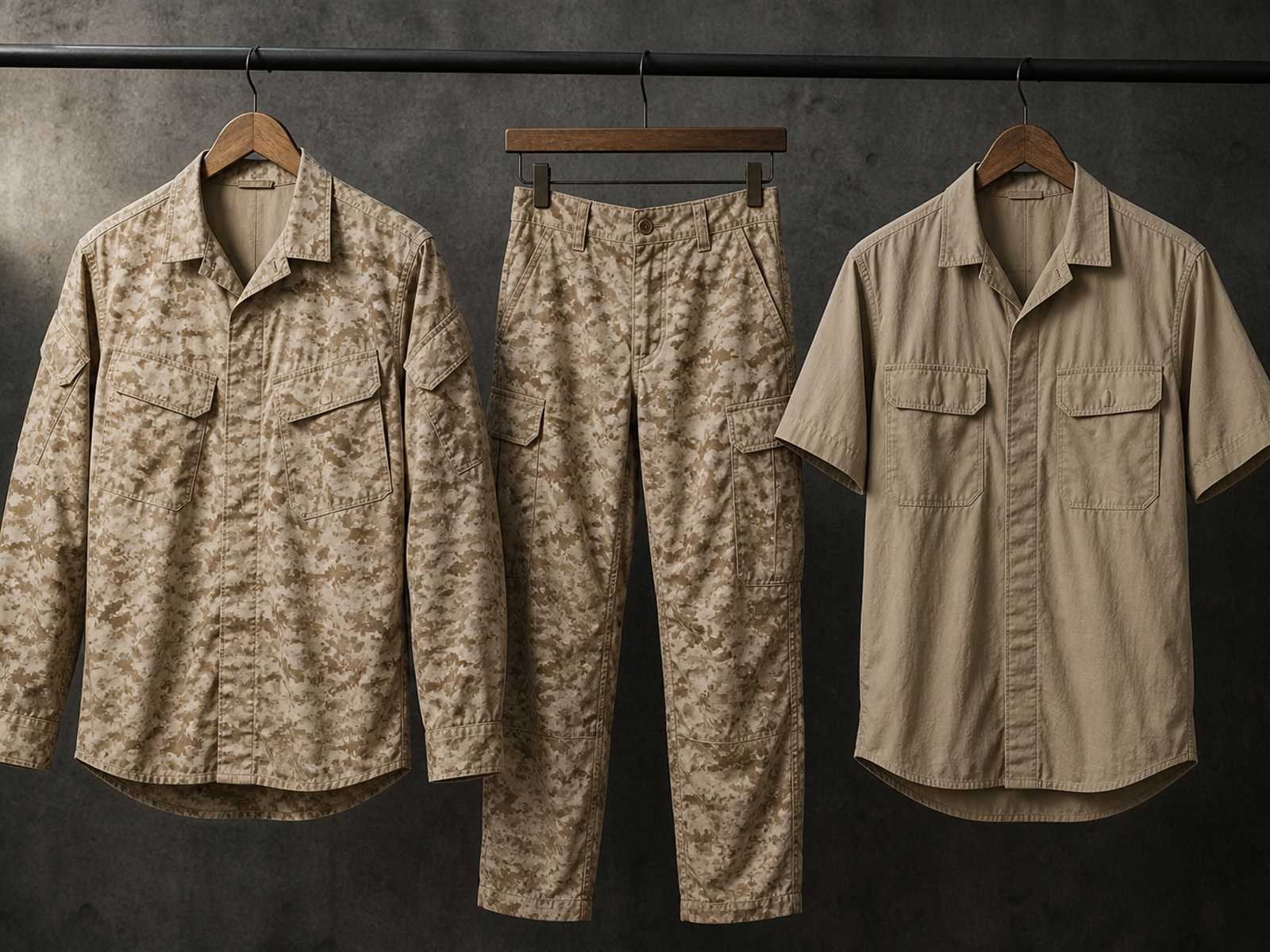
Hot weather tactical clothing set with lightweight quick-dry fabric and ventilation panels made for OEM buyers
Primary keyword
hot weather tactical clothing manufacturer
Climate focus
Hot / Arid / Desert · Hot / Humid / Tropical · Hot / Mixed / High Exertion
Development input
Tech pack · Reference sample · Sketch · Photo
Hot Weather Tactical ClothingHot Weather Tactical ClothingHot Weather Tactical ClothingHot Weather Tactical Clothing

Buyers

Who buys hot weather tactical clothing?

Hot Weather Tactical Clothing is specified by organisations rather than bought as a single garment, so a quotation has to satisfy all 6 buyer profiles listed below.

Tactical Brands

A production partner who can keep a lightweight specification light across repeat orders instead of letting weight and panel count creep upward between batches.

Outdoor & Hunting Brands

Breathable, fast-drying constructions in camouflage and earth colourways, finished with their own labelling and retail packaging.

Uniform Distributors & Wholesalers

Consistent size sets in volume for hot-climate markets, with a written specification so reorders match what they have already sold.

Government Contractors & Procurement Companies

Documented material and construction decisions, pre-production samples for approval, and inspection records before shipment.

Security Companies

Duty-appropriate lighter garments for warm postings and indoor to outdoor rotation, with insignia applied at agreed positions.

Private Label Brands & Importers

A garment developed to their own fit and fabric direction, with buyer artwork, labels and packaging on an agreed schedule of specification.

Types

Hot Weather Tactical Clothing types

The same category name covers very different garments depending on climate and wear pattern. 3 types of Hot Weather Tactical Clothing are covered here, and the type is chosen before the fabric.

Hot / Arid / Desert

Dry Heat and Desert Tactical Clothing

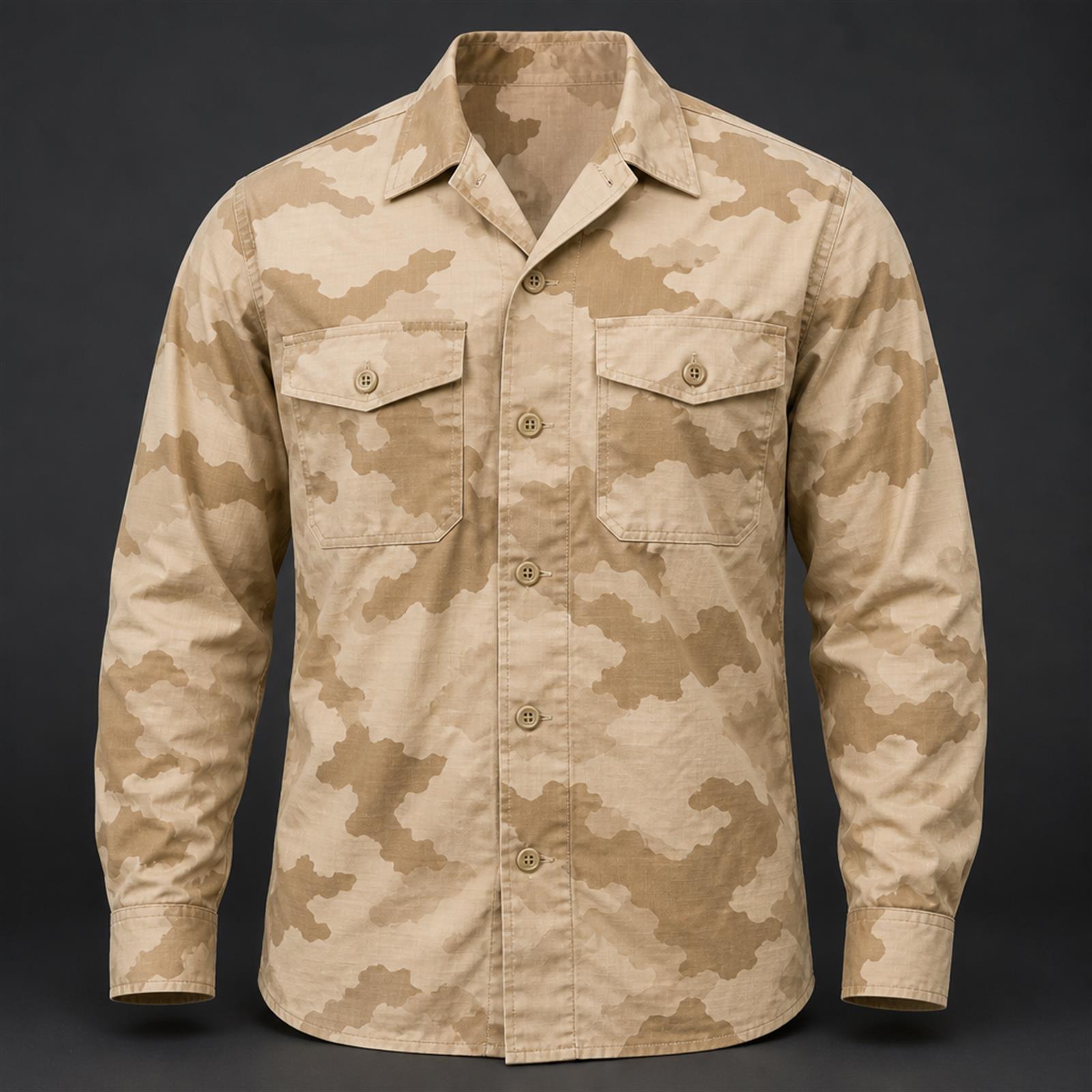
In dry heat the priority is coverage with minimum bulk. Fabric is kept light so it does not store heat, but the cut stays closed enough to block direct sun and blowing sand. Ventilation is placed where it does not open the garment to grit, and colour and surface finish are selected for how they behave in strong sunlight rather than for concealment alone.

  • Lightweight woven body panels that hold shape without lining
  • High collar and sleeve coverage for sun protection
  • Ventilation placed away from sand entry points
  • Low-absorbency waistband and pocketing
  • Colour and finish selected for sun exposure behaviour
Hot / Humid / Tropical

Tropical and Humid Tactical Clothing

Humidity is the harder problem because sweat does not evaporate quickly. Here drying speed and moisture movement matter more than reflectivity, so open constructions, quick-dry trims and reduced panel count take priority. The cost is lower abrasion resistance and a garment that shows wear earlier in the field, which buyers accept because a soaking garment is a performance failure in this climate.

  • Quick-dry body and trouser fabric
  • Open ventilation at the back, underarm and placket
  • Mesh pocket bags so water drains instead of pooling
  • Reduced panel and seam count for faster drying
  • Anti-absorbency thread, tape and elastic where available

Hot / Mixed / High Exertion

High-Activity Patrol and Training Clothing

When the wearer is moving rather than standing, heat is generated internally and the garment is judged on how quickly it recovers between activity and rest. Stretch and articulation are added so the garment does not restrict movement, but every stretch and opening added must be checked against how much abrasion resistance it removes at the contact points.

  • Stretch at the shoulder, seat and knee for movement
  • Articulated sleeve and leg set for reach and crouch
  • Ventilation that works while a vest is worn
  • Reinforcement kept only where contact actually happens
  • Lightweight trim selection to cut carried weight

Engineering

Construction, part by part

8 construction decisions define Hot Weather Tactical Clothing, and each row below is one decision you control at specification stage.

Torso and Body Panels

  • Single-layer woven torso
  • Open-knit torso panel
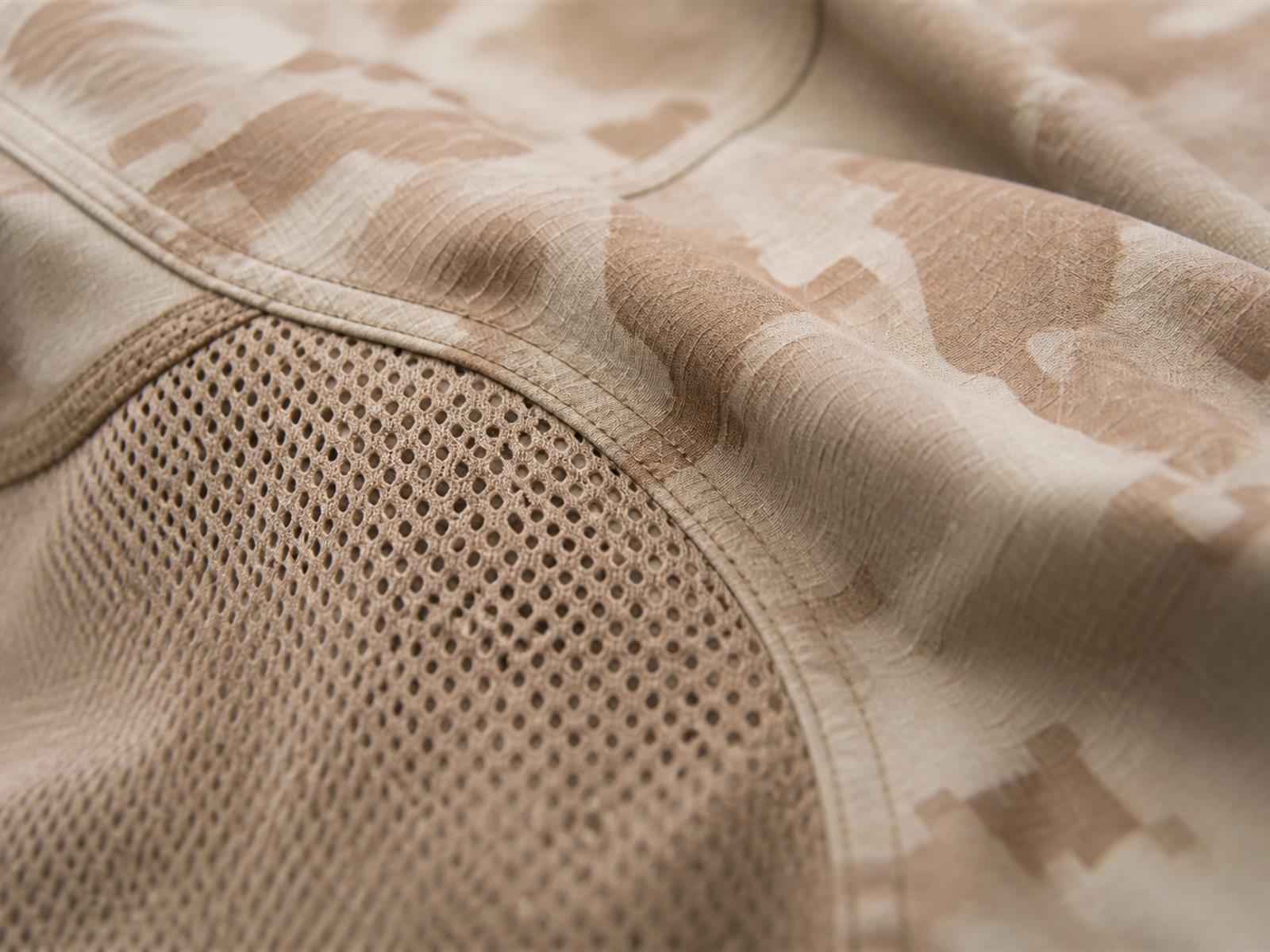
  • Perforated panel at back and underarm
  • Mesh-lined upper back
  • Panel count reduced to cut weight

Every opening added for airflow removes fabric that was carrying abrasion resistance and shape. Decide early whether the torso is worn against skin, under a vest, or as a loose outer layer, because that decision changes which panels can be opened up and which must stay closed.

Sleeves and Arm Panels

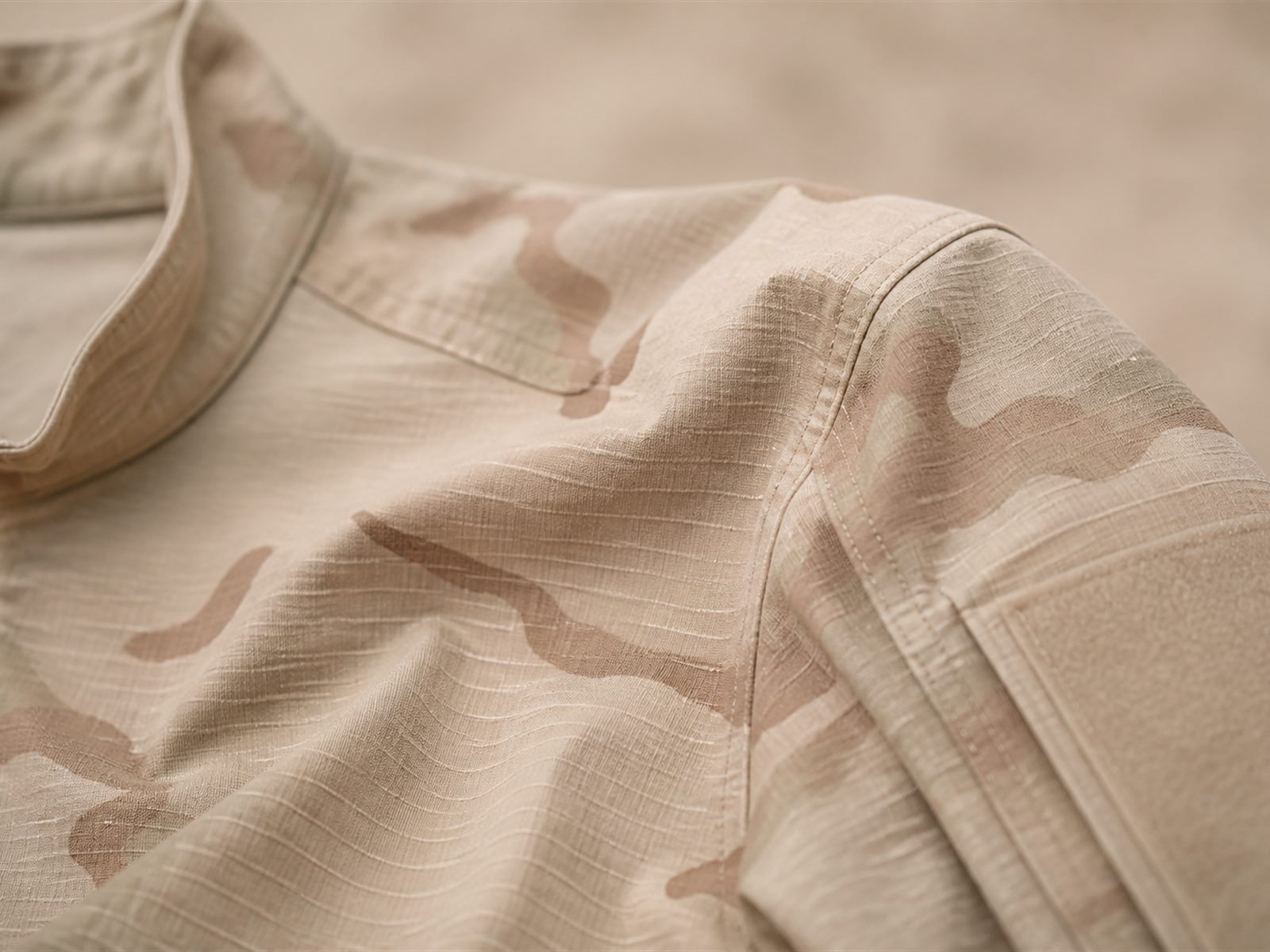
  • Lightweight ripstop sleeve
  • Ripstop sleeve with camouflage print
  • Sleeve with reduced or no lining
  • Roll-up sleeve retention tab
  • Elbow reinforcement in a lighter substrate

Sleeves are where hot weather garments fail first. Taking weight out of the sleeve improves drying and comfort but shortens the time to abrasion failure, so the balance has to be set against the end user's real contact pattern, not against a target weight alone.

Ventilation and Closure

  • Front zip with mesh-backed placket
  • Underarm vents
  • Back yoke vent
  • Two-way front zip
  • Button or hook and loop placket

Ventilation only works if it can be opened and closed. Vents positioned where a vest, belt or sling sits will stay closed in use, so placement is agreed against the expected load carriage before the pattern is cut.

Collar

  • Low-profile stand collar
  • Fold-down collar with open neck
  • Zip-through collar with chin guard
  • Mesh-lined collar

In hot climates the collar is the main control for neck heat. A taller collar protects the neck from sun but traps heat; the height and closure method should be confirmed against how the garment is worn with headgear or a headset.

Cuffs and Hem

  • Plain hemmed cuff
  • Elasticated cuff
  • Adjustable cuff with tab
  • Drawcord hem
  • Extended hem for coverage

Cuffs and hems hold the garment in place but also close off airflow. Elastic and drawcord hardware must be checked for heat and moisture behaviour, because hardware that holds water stays wet and works against the rest of the specification.

Pockets and Carriage

  • Low-profile chest pockets
  • Sleeve pocket with zip
  • Mesh pocket bags for drainage
  • Sling or pass-through loops
  • Reduced pocket count for weight

Pockets add layers over the body and are a hidden source of heat build-up. Pocket size, depth and bag material should follow what the end user actually carries; mesh bags drain and dry faster but offer less structure and abrasion resistance.

Reinforcement

  • Bartack at defined stress points
  • Double-stitched main seams
  • Reinforced shoulder panel
  • Reinforced seat and knee areas on trousers
  • Minimal reinforcement for weight saving

Reinforcement is the clearest illustration of the hot weather trade-off: it extends service life and adds weight, warmth and drying time. Rather than reinforcing everywhere, agree the specific points that have failed for the buyer's end users and reinforce only those.

Fit and Cut

  • Relaxed cut for airflow
  • Standard cut for uniform appearance
  • Gusseted construction for movement
  • Articulated sleeve and leg set
  • Layering allowance for vest and belt systems

A looser cut ventilates and dries better but snags more and reads less sharply on uniformed staff. The fit decision should be tied to how the garment is layered and how much movement the wearer needs, not to a generic size philosophy.

Available fabrics

Material options by garment area

Torso and Body Panels

Lightweight hot weather fabricQuick dry fabricMoisture wicking fabricMechanical stretch fabric

Torso fabric is selected against humidity and layering rather than against price. Humid climates reward wicking and drying speed; dry heat rewards coverage, shade and surface behaviour in sunlight. Weight and composition are confirmed per programme.

Sleeves and Abrasion Panels

Poly cotton ripstopNYCO ripstopCotton ripstopStretch ripstop

Ripstop grid and yarn composition decide how a sleeve ages. As a general rule, the lighter the sleeve the faster it dries and the sooner it wears; buyers choosing a lighter sleeve should accept that trade knowingly.

Trousers, Seat and Knee Areas

Lightweight hot weather fabricStretch ripstopMechanical stretch fabricReinforced woven at seat and knee

Trousers carry the load and take the ground contact, so the seat and knee areas often need a heavier or reinforced substrate than the legs. This is a deliberate weight penalty at the points that fail first.

Trims, Pocketing and Waistband

Mesh pocket bagsLow-absorbency waistbandNon-moisture-retaining elasticQuick-drying tape and drawcord

Trims absorb water and hold it against the body: a light fabric over a water-retaining waistband still dries slowly. Trims are specified together with the body fabric, not after it.

Customization

What can be customized

14 specification lines are available for Hot Weather Tactical Clothing, and where an option changes cost, weight or durability the consequence is stated next to it.

Fabric

Lightweight hot weather fabric familyQuick dry fabric familyMoisture wicking fabric familyBuyer-specified composition and weight

Color

Solid colorwaysBuyer Pantone targetsBuyer lab dip approvalLight and reflective heat-appropriate tones

Camouflage Pattern

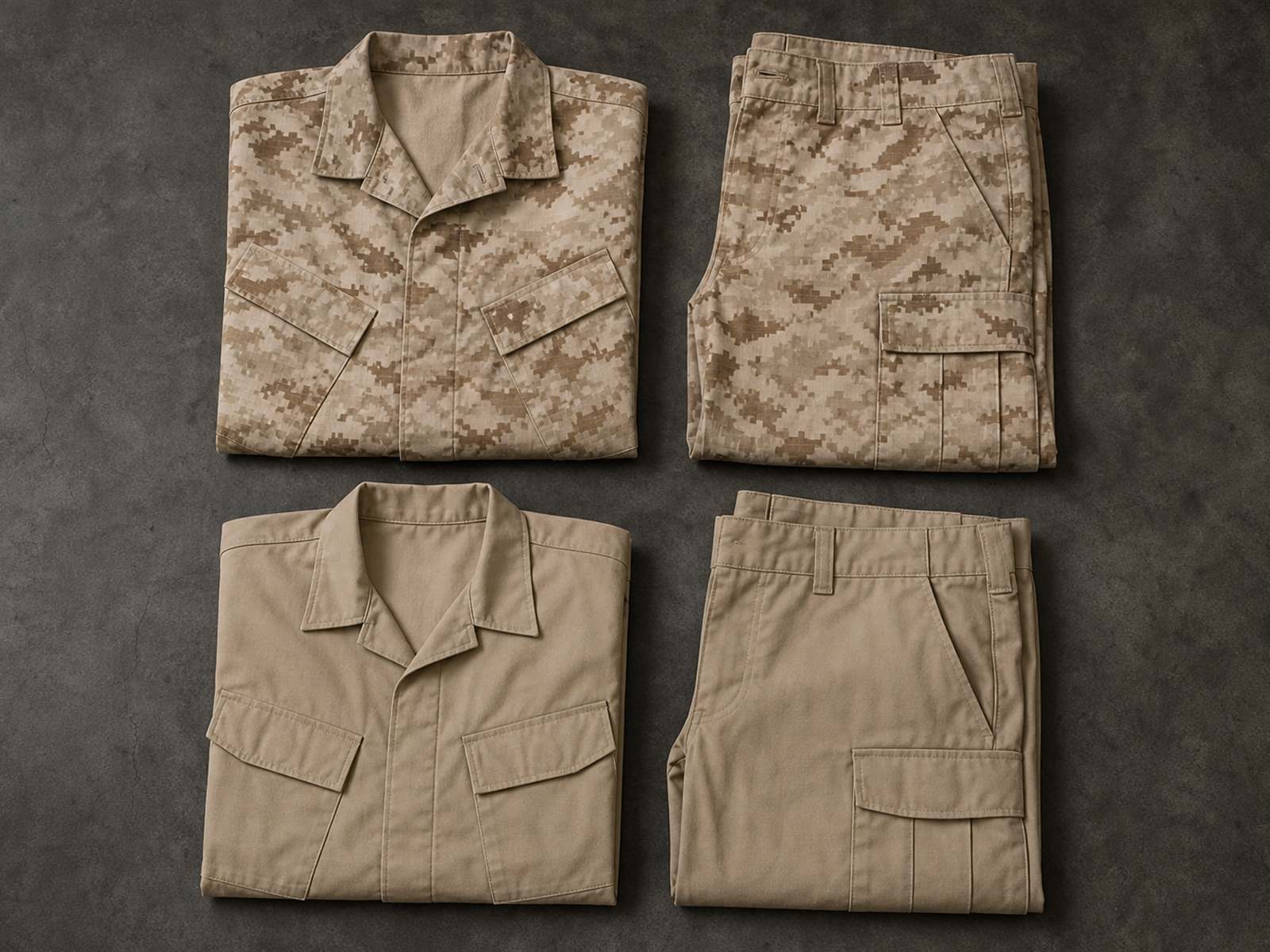
Buyer artworkDesert styleDigital styleTropical woodland styleCustom seasonal pattern

Ventilation

Front zip with mesh backingUnderarm ventsBack yoke ventVent placement to buyer drawing

Collar

Low-profile standFold-downZip-through with chin guardMesh-lined

Sleeve

Short sleeveLong sleeveRoll-up tabElbow reinforcementElbow pad pocket

Pocket

ChestSleeveCargoZipperedFlapMesh-backed bag

Closure

Front zipTwo-way zipButton placketHook and loop placket

Reinforcement

Shoulder panelsSeat and knee areasStress point bartacksBuyer-defined reinforcement map

Cuff and Hem

ElasticAdjustable tabPlain hemmedDrawcord hem

Logo

Woven labelPrinted labelRubber patchEmbroideryHeat transfer

Label

Main labelSize labelCare labelCountry of origin label

Packaging

Poly bagPrinted poly bagHangtagHeader cardCustom box

Size Range

Buyer size chartNational uniform sizing systemExtended size rangeUnisex or gendered size sets

Sizing

Size development

Hot weather garments expose sizing faults quickly because there is less fabric and less lining to hide them. Size development therefore starts from the measurements that matter to the wearer: chest and across-shoulder for airflow and layering, sleeve length for sun coverage, back length for how the garment sits when moving or crouching, and leg openings on trousers where airflow matters most. We need the buyer's target size range, either garment measurements from a reference sample or body measurements, and any sizing system the buyer already sells. A size set is then produced so critical measurements can be checked across the whole range rather than in the middle size only. Measurement tolerances are agreed in writing before bulk so that inline and final inspection are measured against the same numbers.

How size development works

Branding

Private label

Private label covers everything the end customer sees, and for hot weather ranges it also covers what the end customer feels. Main label, size label, care label and country of origin label are produced to the buyer's artwork and content requirements, and labels are selected for low moisture retention where that is a concern. Branding can be applied as woven label, printed label, rubber patch, embroidery or heat transfer, with insignia panels at agreed positions. Packaging ranges from a plain poly bag to a printed poly bag with hangtag, header card or custom box. All artwork, label content and packaging are confirmed on the pre-production sample so that bulk production has a single approved reference.

Customization capability

Development

Sampling process

Sampling for Hot Weather Tactical Clothing runs in 8 stages, each one removing a specific risk before the next stage commits cost.

01

Requirement review

We review the buyer's tech pack, reference garment, photo or sketch and list every open specification, including the climate the garment is intended for, before any material is cut.

02

Climate and layering definition

The intended humidity, expected exertion level and layering (against skin, under a vest, over a base layer) are written down first, because they decide where ventilation can go and how light the fabric can be.

03

Material proposal

Body, sleeve, trouser and trim materials are proposed against that brief, with alternatives where weight or composition is not yet fixed by the buyer.

04

Pattern development

The pattern is developed or adapted to the buyer's reference, including ventilation placement, pocket geometry, sleeve construction and any reinforcement map.

05

Prototype

A first sample is produced in the proposed materials so the buyer can assess weight, airflow, fit and material feel in hand rather than on paper.

06

Revision round

Buyer comments are consolidated into a single revision round so the specification converges instead of drifting between samples.

07

Size set

The full size range is produced so measurement and airflow-critical dimensions can be confirmed across the range, not only in the sample size.

08

Pre-production sample

Final materials, construction, trims and labelling are locked in a pre-production sample that becomes the bulk reference standard.

Production

Bulk manufacturing

Bulk production of Hot Weather Tactical Clothing runs in 7 stages, which is where an approved specification is either held or lost.

01

Fabric and trim approval

Bulk body fabric, ripstop, mesh, zips, elastic, thread and labels are approved against the pre-production standard before cutting, including weight and shade checks.

02

Bulk cutting

Cutting runs against the approved pattern with markers controlled for shade and for direction-sensitive camouflage or mesh panels.

03

Panel and trim preparation

Mesh panels, ventilation inserts, printed panels and reinforcements are prepared and checked before assembly rather than after the garment is closed.

04

Assembly

Line assembly follows the approved construction sequence with defined bartacks and reinforcement at the stress points named in the specification.

05

Inline quality control

Garments are checked during assembly so a fault is corrected on the line instead of being found after packing.

06

Finishing and pressing

Thread trimming, hardware function checks, low-temperature pressing and a final visual check are completed before inspection.

07

Final inspection and packing

Measurement, construction and packing inspection are completed against the agreed inspection standard and documented before shipment.

Quality Control

Quality control for this category

Inspection of Hot Weather Tactical Clothing is measured against an agreed standard, and the 7 checks below are listed with what each one is measured against.

01

Incoming fabric inspection

Fabric and mesh are checked on receipt for shade, width, weight, mesh integrity, print alignment and defects before entering production.

02

Trim and hardware inspection

Zips, elastic, tape, hook and loop and thread are checked against the approved standard, including function and colour match.

03

Pre-production approval

The pre-production sample is approved by the buyer and becomes the reference standard for bulk.

04

Inline inspection

Work in progress is inspected at defined points, with particular attention to ventilation openings, mesh joins and reinforcement placement.

05

Measurement inspection

Critical measurements are checked against the approved size set using the tolerances agreed in writing.

06

Construction and function inspection

Stitching, bartacks, ventilation function, zip operation and symmetry are checked against the approved sample.

07

Final and packing inspection

Finished goods are inspected before packing, and labels, folding, poly bagging and carton marking are checked against the packing instruction.

Choosing a Hot Weather Tactical Clothing manufacturer

How to choose a hot weather tactical clothing manufacturer

The 6 questions buyers ask about Hot Weather Tactical Clothing before committing to a first order.

Define the climate before defining the fabric

Dry heat and humid heat need different garments. In dry heat the priority is coverage and light bulk; in humid heat it is drying speed and moisture movement. Buyers who brief a manufacturer with a single word such as hot usually receive a garment that is mediocre in both, because the supplier has to guess which trade-off matters.

Decide where weight can be removed and where it cannot

Weight can be taken out of the body panels and trims with little consequence. It should not be taken out of the sleeve, seat and knee areas where contact happens. Ask a prospective supplier to name which areas they would lighten and why, and to explain what each saving costs in service life.

Ask how ventilation behaves under load carriage

Ventilation openings that sit under a vest, belt or sling do nothing in use. Confirm that vent placement has been checked against the buyer's actual load carriage, and that the openings can be closed when the wearer is stationary or in dust.

Treat trims as part of the climate specification

Waistbands, elastics, pocket bags and drawcords that hold water keep a garment wet long after the body fabric has dried. Ask which trims were selected for low moisture retention and how they were checked, rather than assuming the body fabric decides the whole performance.

Check camouflage consistency as a fabric lot issue

In hot climate ranges panels are frequently cut from different print lots. Consistency is controlled by approving a print standard before bulk, controlling the print run, and inspecting incoming fabric for shade and repeat alignment before cutting.

Agree the inspection standard and tolerances before bulk

Measurement tolerances, the agreed inspection standard and the packing instruction should be in writing before production starts. Inspecting against a standard agreed after the goods are made turns a routine order into a dispute.

Products

Hot Weather Tactical Clothing products

Each product in Hot Weather Tactical Clothing is a developed specification with its own material options, construction detail and customization map.

Hot Weather Tactical Clothing

Hot Weather Patrol Shirt

In sustained heat the limiting factor is not durability, it is whether the wearer can keep working.

Dry desert heat with intense solar load and low humidity, where coverage against sun and dust matters more than moisture transport in the fabricTropical and humid heat where the shirt stays damp for long periods and drying speed decides whether it is usable on the next dayHigh-activity patrol and training work where the wearer is moving continuously and airflow through the garment is the main cooling mechanism
View product

FAQ

Hot Weather Tactical Clothing FAQ

What actually makes tactical clothing suitable for hot weather?

Three things working together: the body fabric must move moisture and dry quickly, the construction must allow air to move without weakening the garment, and the trims must not hold water against the skin. A light fabric on a heavy waistband with sealed ventilation still performs badly, so the specification has to be treated as a system rather than as a fabric choice.

Is lighter always better in hot climates?

No. Lighter fabric dries faster and feels cooler at rest, but it also abrades through sooner and holds shape less well after repeated laundering. The right weight depends on how the garment is used: a static or vehicle-borne wearer can go lighter than someone crawling, climbing or carrying loads.

Can you develop a hot weather range without a tech pack?

Yes, and many buyers start there. A reference garment or photo plus the intended climate, expected activity level and layering, and the pocket and reinforcement requirements is usually enough to begin a prototype. A tech pack with measurements and tolerances shortens development and reduces revision rounds.

How are fabric weight and performance targets handled if they are not yet fixed?

They are confirmed per programme against your requirement. We do not assume a fabric weight, composition or performance figure on your behalf; where a value has not been agreed with you, it is stated as buyer specification rather than quoted as a number we cannot hold.

Which parts of hot weather tactical clothing fail first?

Sleeves, seat and knee areas, and the points where the garment is repeatedly pulled such as placket ends and pocket corners. These are the locations where reinforcement should be concentrated, and where the buyer should ask to see the approved construction on the pre-production sample.

What information do you need for a quotation?

Product type, target quantity, intended climate and activity level, fabric preference or direction, required features such as ventilation and pockets, colour or camouflage direction, size range, labelling and packaging requirements, and the target market. A reference sample, photo or tech pack helps most. Any figure that has not been confirmed with you will be stated as such rather than quoted.

Request a Manufacturing Assessment

Send us your tech pack, reference sample or product idea. We review your requirement, recommend materials and construction, and come back with a development plan you can act on.