Field Lab
Water Repellency Test
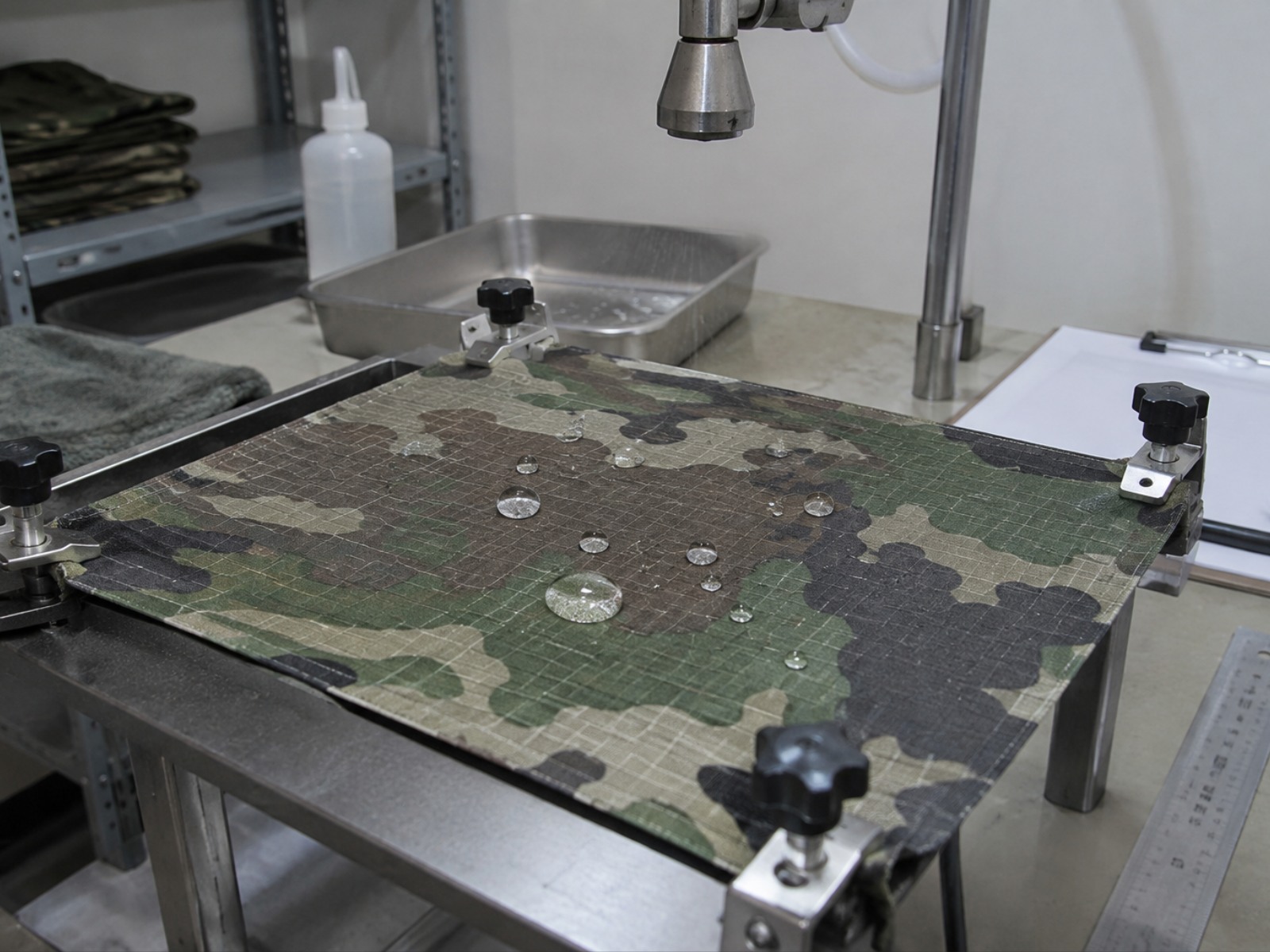
This Field Lab page states test intent before any result exists. The question is how water behaves on the surface of the outer fabrics and shells we use: whether a light spray beads and runs off, whether the surface wets out under sustained exposure, and how the fabrics compare when tested side by side under identical conditions. The test structure, the fabric set, the conditions it will be run under and the limits of the method are published here now. Observations and results will be added only when the test has actually been run on real fabric and every reading has been recorded. Until then this page describes what we intend to measure, not how any fabric performs.
- Status
- Awaiting test data
- Materials compared
- 4
Gallery
Test bench
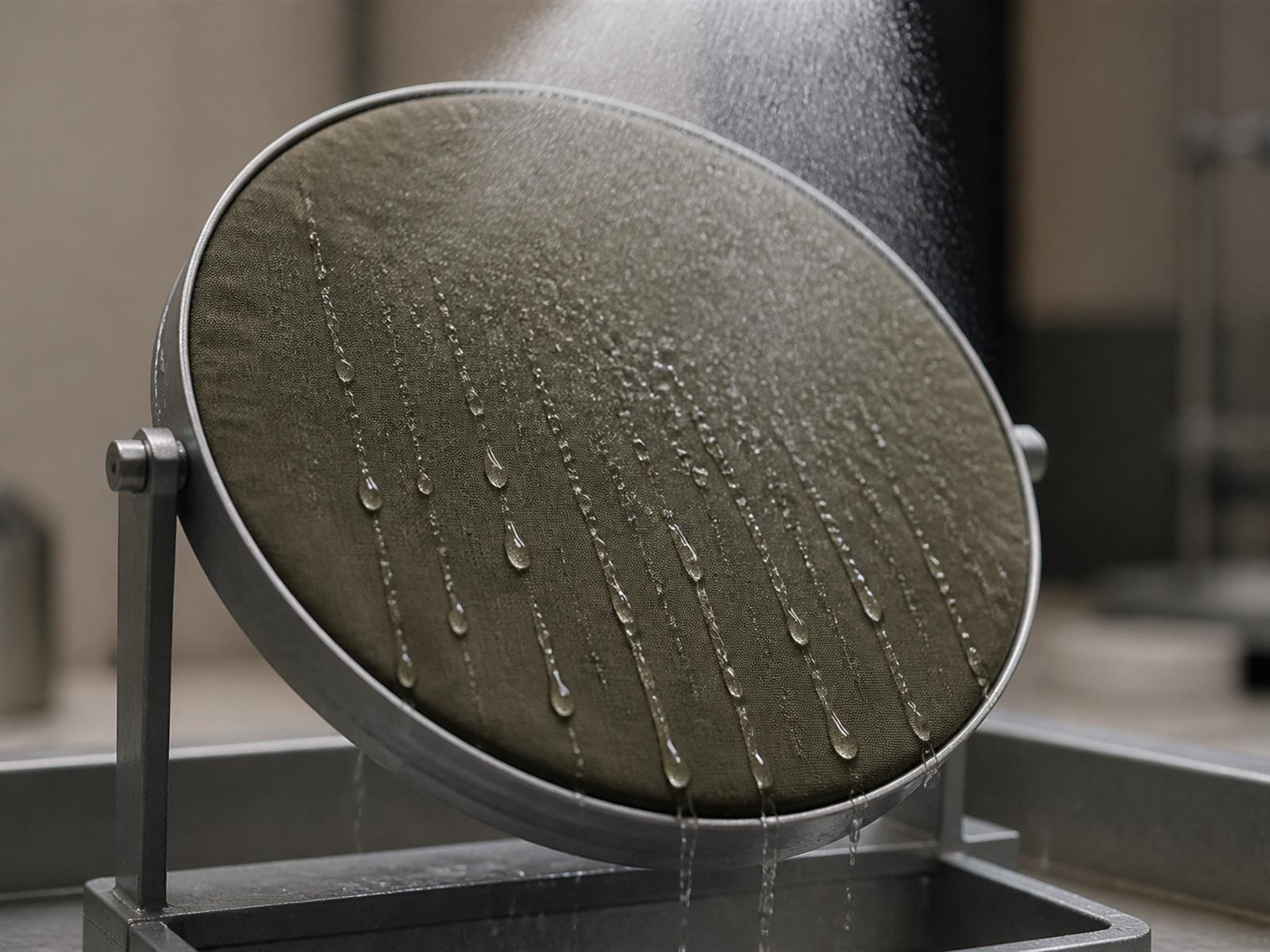
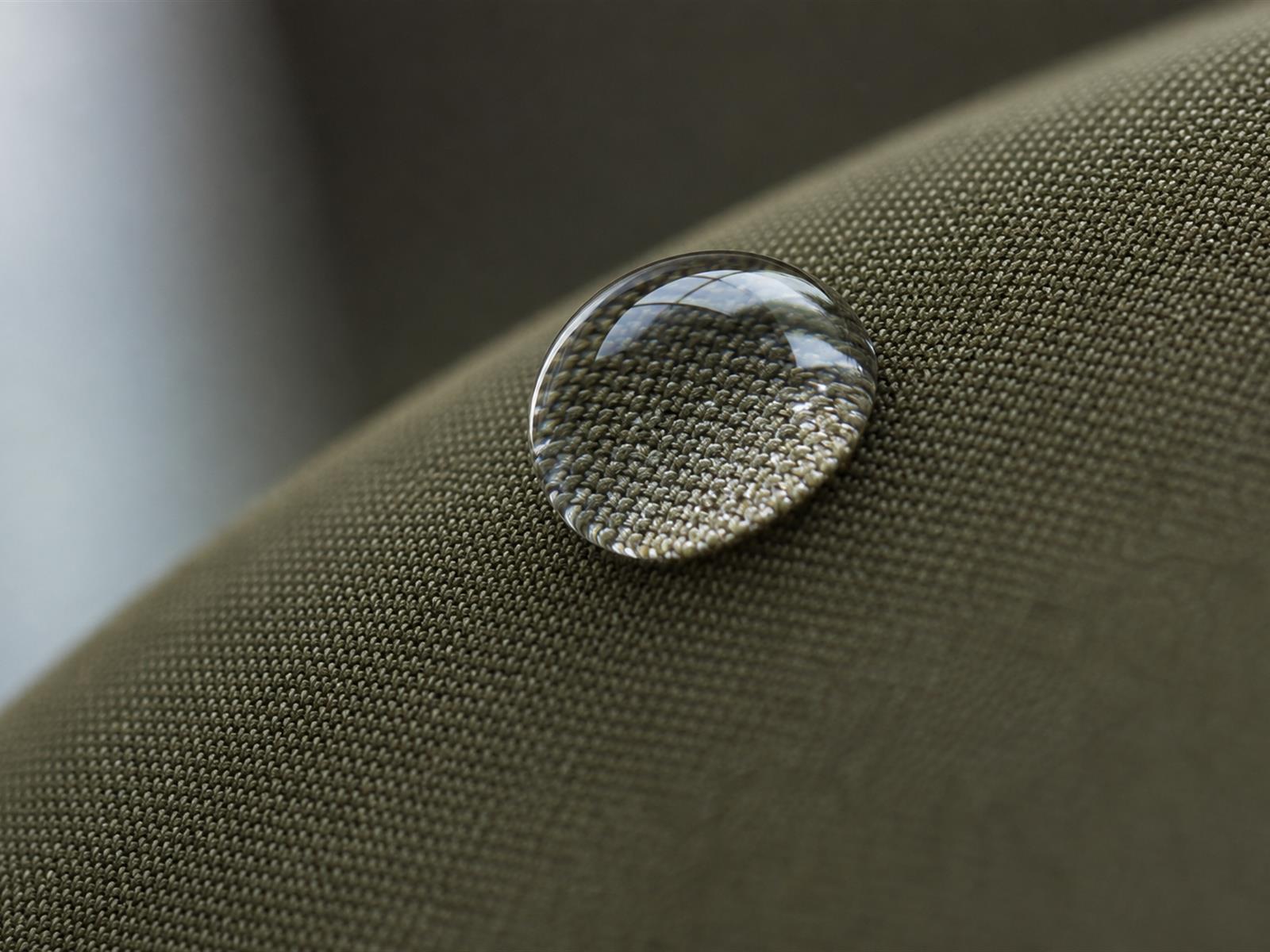
Status: AWAITING TEST DATA — Water Repellency Test has not yet been run on real material. Method, observations and result will be published once the test has been completed and the output recorded.
Question
What are we testing?
How water repellency differs between the water-resistant wovens, softshell laminates and wind-resistant fabrics we offer for outer layers, and whether that difference is large enough to change the outer fabric a buyer should specify for exposed, wet-weather use. The test compares our own fabrics against each other under one method; it is not a certification of any fabric against an external standard. It is intended to give a buyer a fair basis for comparing quotations that name different fabrics and different finishes.
Relevance
Why does it matter?
Water repellency is the specification most often written from a supplier's claim and least often verified before bulk. For a buyer the consequence shows up late: an outer layer that wets out in the first serious downpour becomes heavy, cold and slow to dry, and the unit that issued it treats the failure as a purchasing failure rather than a fabric failure. Repellency also decides how a garment is perceived, because a surface that beads water reads as capable while a surface that darkens and clings reads as cheap, even when the underlying fabric is sound. Without a single method applied to all candidates, quotations can only be compared on wording, and the buyer carries the risk of the gap between a claim and a delivered lot.
Materials
Materials in this test
Material
Water Resistant Fabric
Water resistant fabric sheds light rain and keeps a garment usable in changeable conditions, but it is not waterproof.
Material
Waterproof Fabric
Waterproof fabric prevents liquid water from passing through under pressure, and it only works as a system: the fabric carries a membrane or coating, and every seam and closure has to be sealed as well.
Material
Softshell Fabric
Softshell is a fabric system rather than a single cloth.
Material
Wind Resistant Fabric
Wind resistant fabric reduces the air movement that strips warmth away from the body.
Method & result
Method, observations and result
Water Repellency Test is published only when the underlying work has been carried out, so an empty field means the test has not yet produced that value.
Testing method
Awaiting test data — to be published when the test is complete.
Observations
Awaiting test data — to be published when the test is complete.
Result
Awaiting test data — to be published when the test is complete.
Limitations
What this test cannot tell you
A result published here will apply only to the specific fabric lots tested, at the specific weight, construction and finish of those lots. Surface repellency depends on the finishing route applied, and it degrades with abrasion, soiling, contact with oils and repeated laundering, so a new-lot reading says nothing about a worn garment. Repellency is also not the same property as waterproofness or as breathability: a high surface rating does not mean a fabric will keep water out under sustained pressure, and it says nothing about how much moisture vapour the garment can pass. This test is not a certification, and it does not replace a buyer's own requirement, which must be verified on the production lot.
Related
Related content
Related Applications
Related Capabilities
Related Categories
Request a sample to evaluate yourself
Send the product type and the application. We will propose the material options for that application and state the trade-offs, so the comparison you run is against the right candidates.