Skip to content
TACTICALOEM / ODM TACTICAL APPAREL
ENEnglish

Products / Tactical Bags & Packs

MOLLE Assault Backpack — OEM & ODM Manufacturing to Your Pattern and Webbing Layout

A pack is judged twice: once when the buyer hangs their own pouches on it, and once at the end of a season when the shoulder straps have carried weight every day. The first judgement is about webbing pitch and attachment placement — off by a few millimetres and the pack is incompatible with kit the customer already owns. The second is about load transfer and stitching, because weight that never reaches the waist belt goes into the seams. This page is the buying side of both: what to lock before sampling and what to measure on every run afterwards.

Field and patrol use in temperate to hot conditionsWet and humid markets with coated or water-repellent fabricCold markets with hardware chosen for cold flexibility
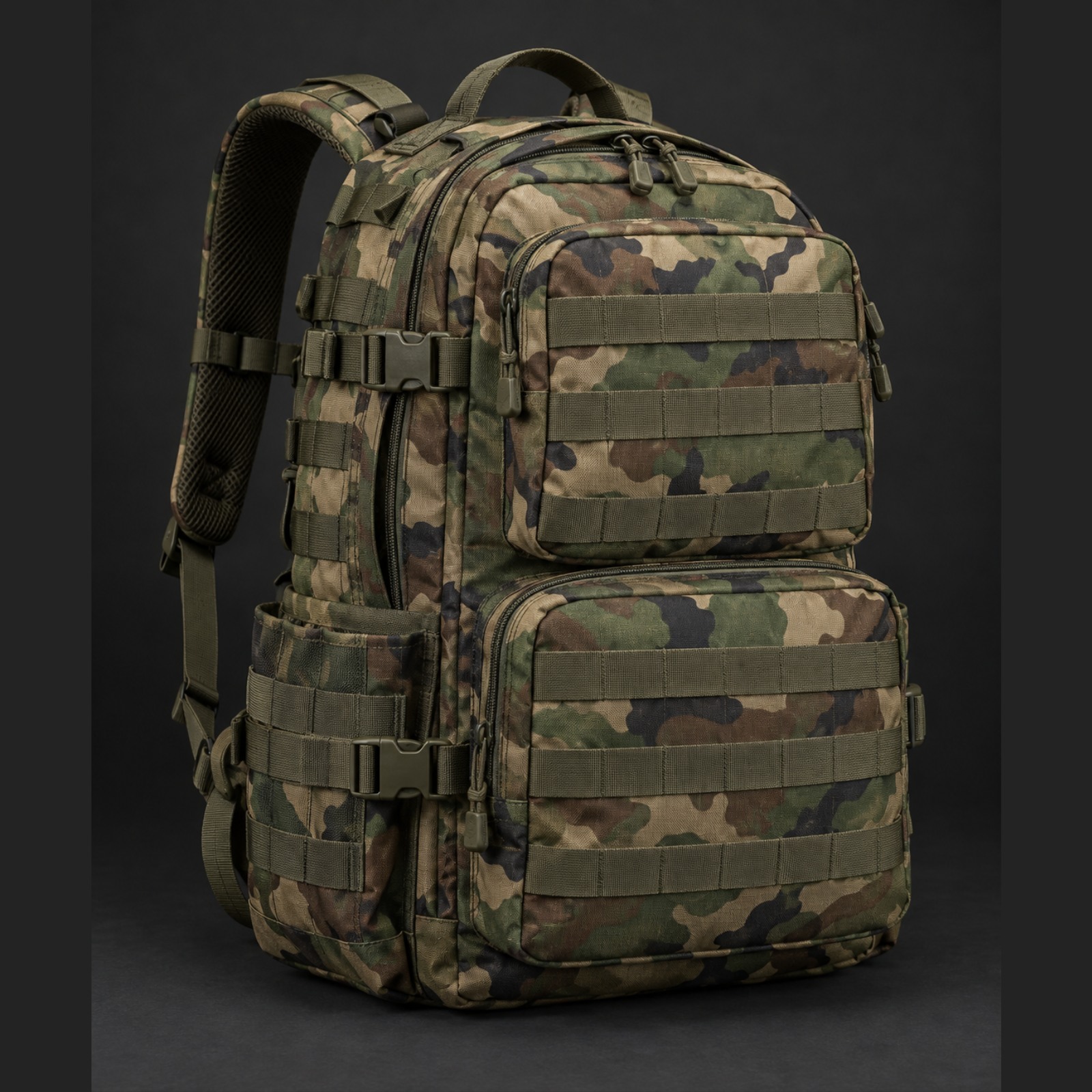
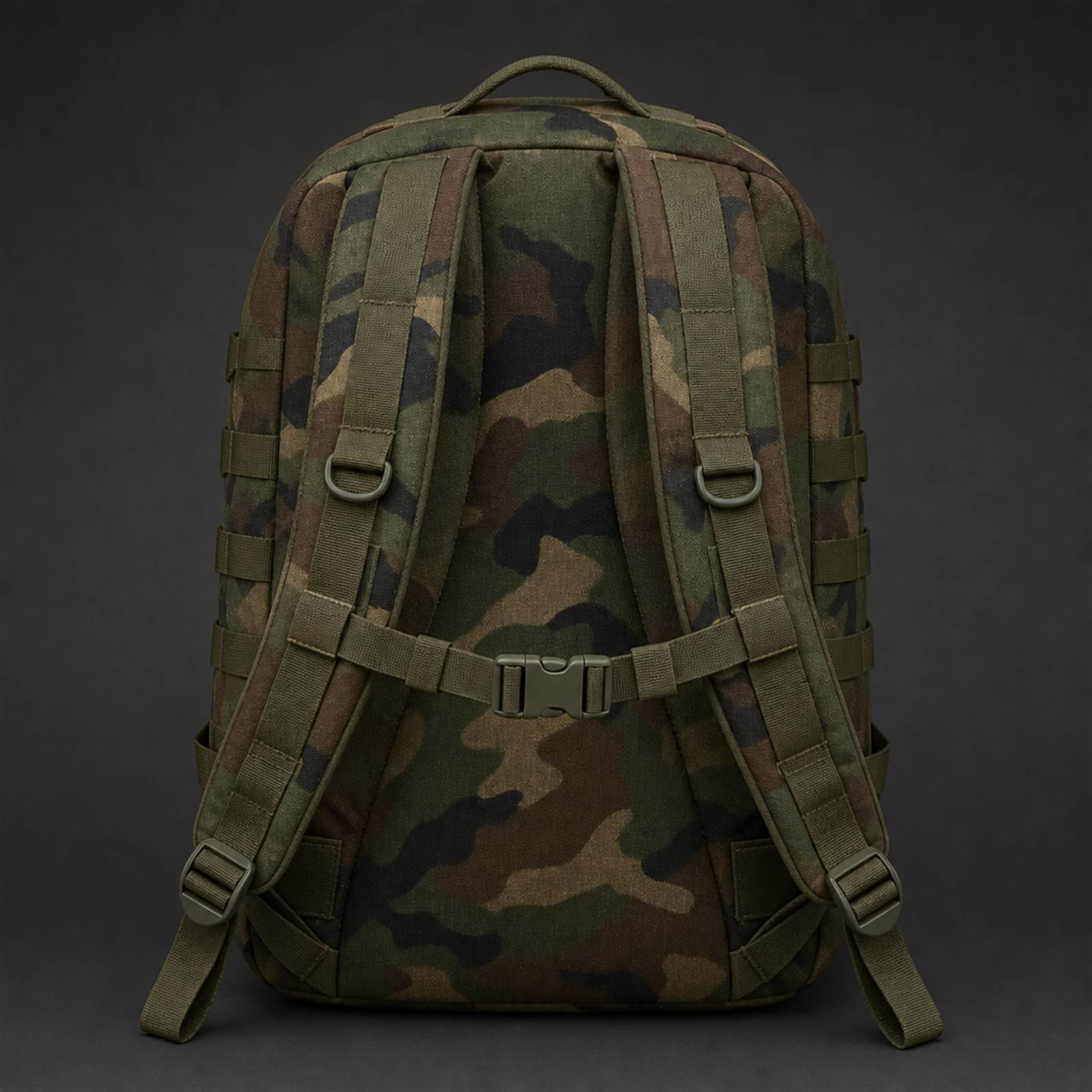
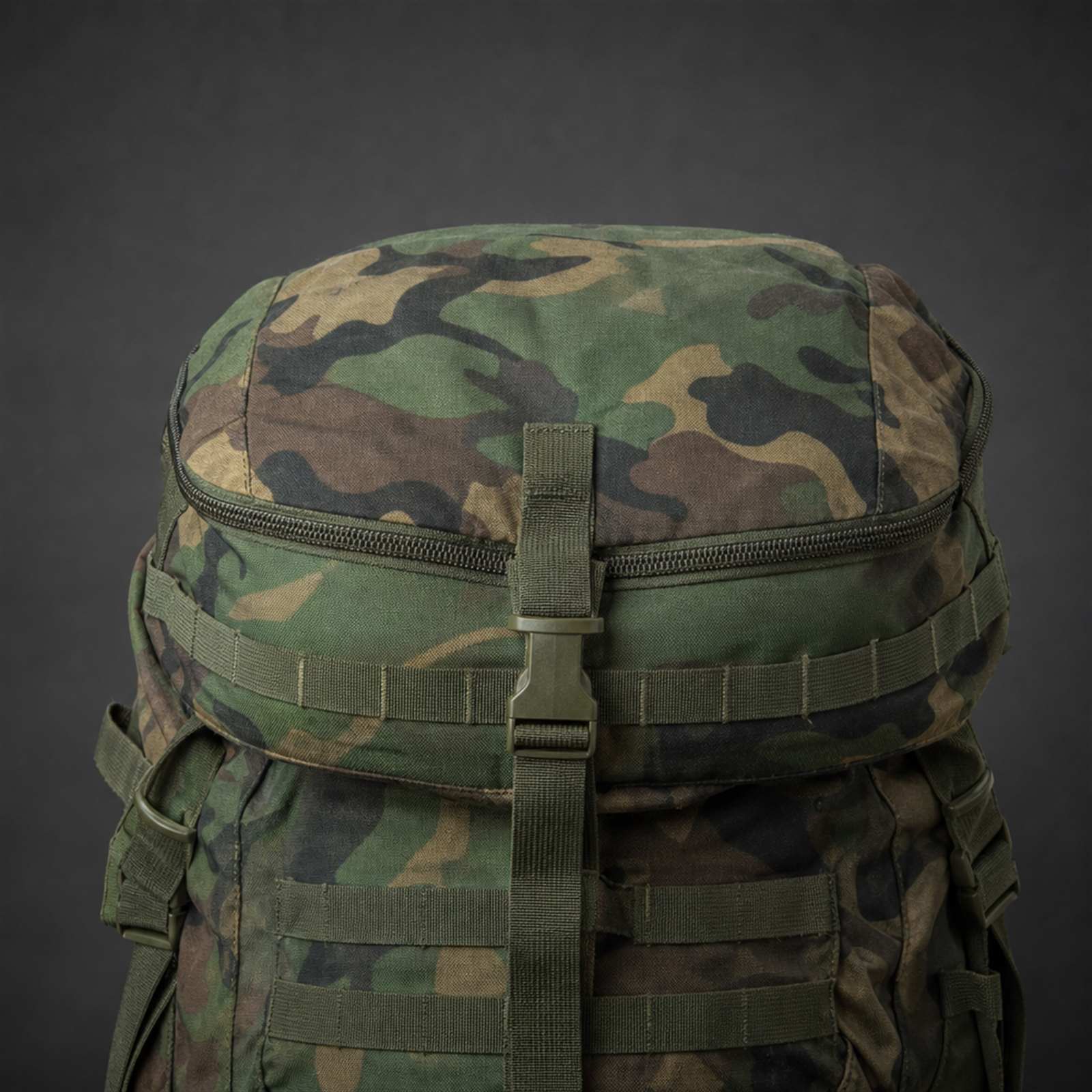
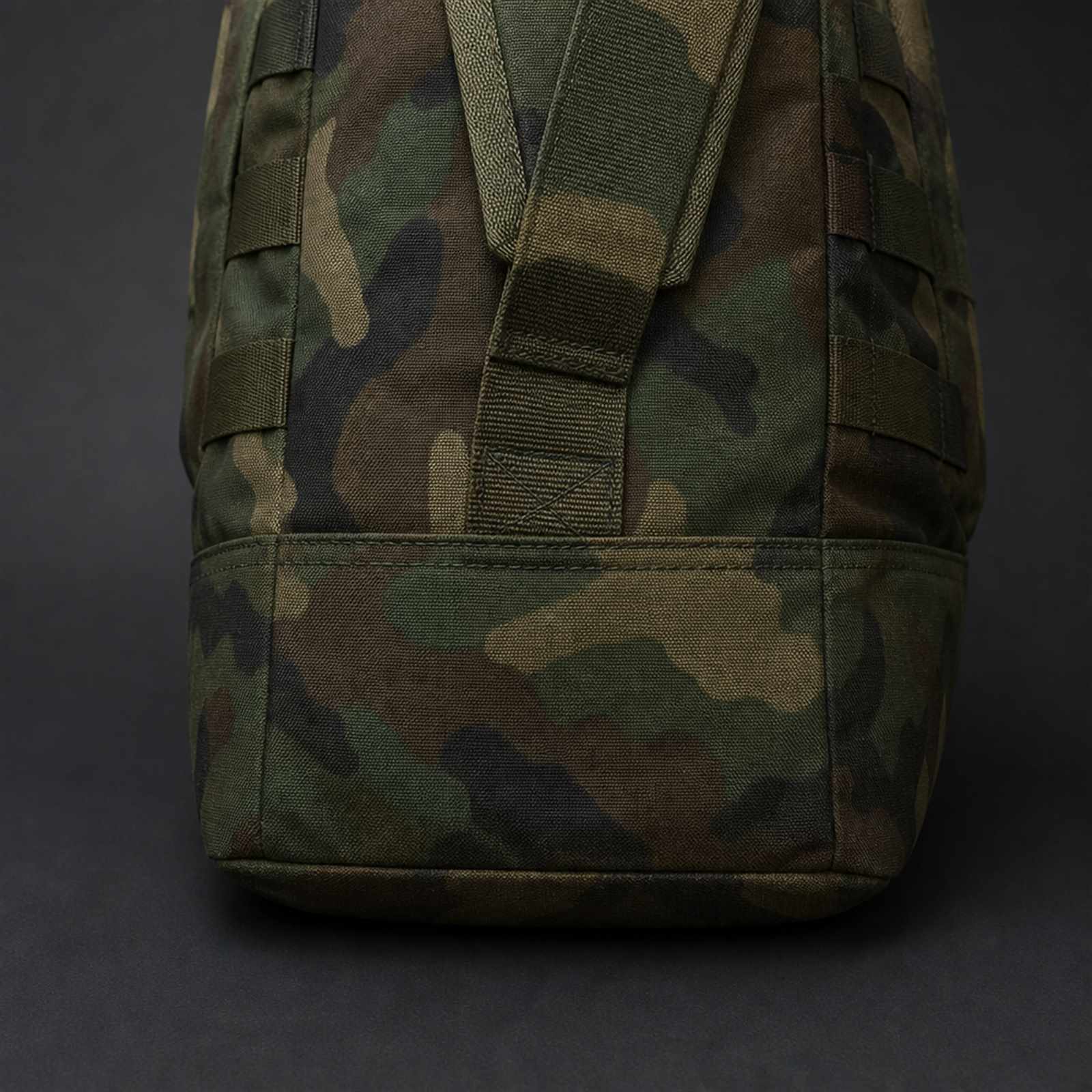
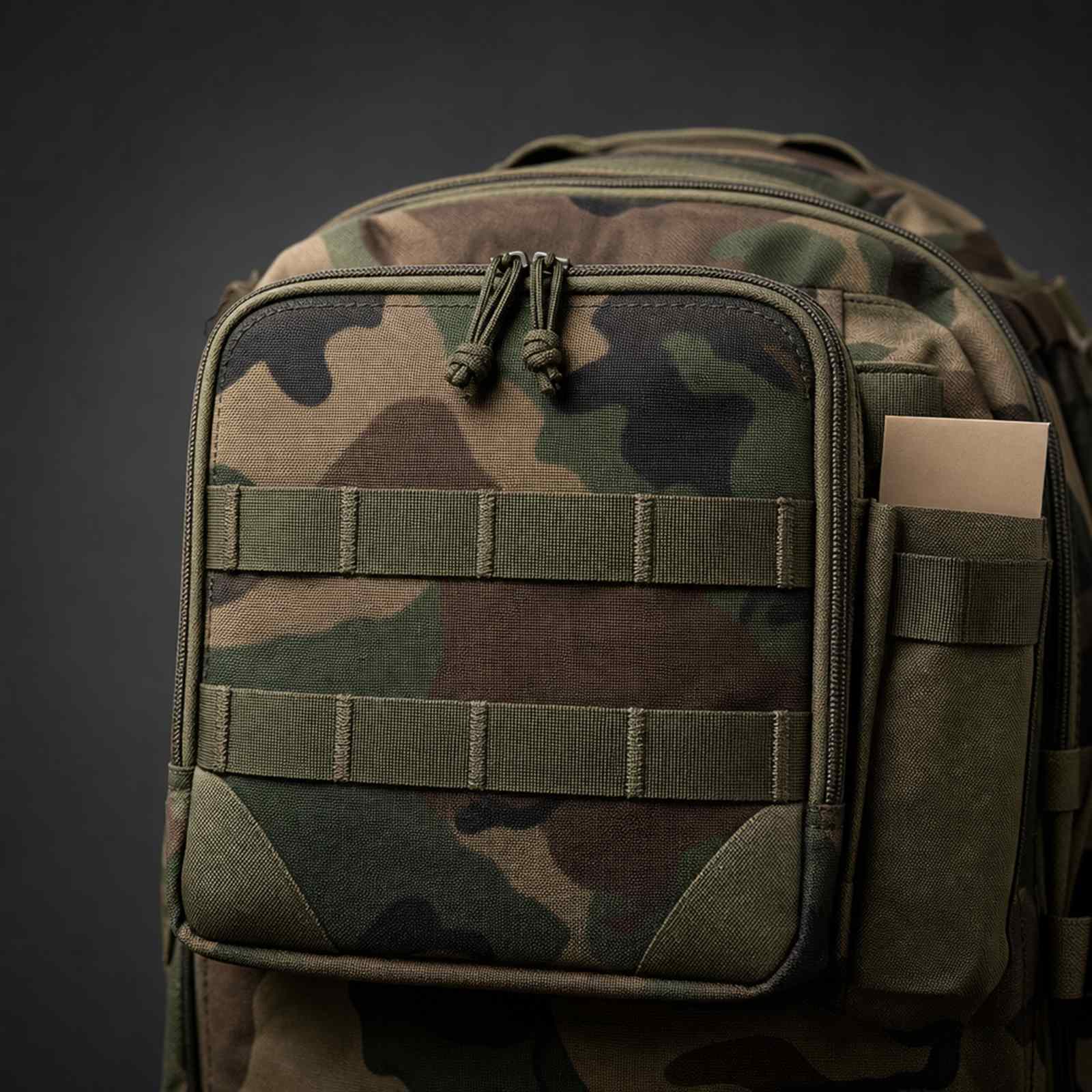
Custom MOLLE assault backpack with reinforced load-bearing straps manufactured for OEM buyers
Climate
Field and patrol use in temperate to hot conditions · Wet and humid markets with coated or water-repellent fabric · Cold markets with hardware chosen for cold flexibility
Applications
Heavy Duty / Field · Wet Weather · Hot Weather
Customization
12 customizable parts
MOLLE Assault BackpackMOLLE Assault BackpackMOLLE Assault BackpackMOLLE Assault BackpackMOLLE Assault BackpackMOLLE Assault Backpack

Design purpose

Why this garment exists

Build a load-bearing assault pack on the buyer's pattern and webbing layout, with the load transfer, attachment pitch and stitching specified so the pack stays compatible with the customer's existing pouches and survives daily carrying.

Applications

Best applications

  • Heavy Duty / Field — The garment is worn continuously and loaded with equipment, so it is subject to sustained abrasion from straps, webbing and ground contact.
  • Wet Weather — Precipitation is the dominant exposure, ranging from sustained rain to intermittent showers with high humidity between them.
  • Hot Weather — Ambient temperature is high and heat stress is the limiting factor on how long a garment can be worn.
Field and patrol use in temperate to hot conditionsWet and humid markets with coated or water-repellent fabricCold markets with hardware chosen for cold flexibility

Interactive map

Customize every part

MOLLE Assault Backpack: select a marker to see what can be specified at that part of the garment — all 10 mapped areas are also listed in full below the map, so nothing is hidden behind an interaction.

Customization by garment part

Select a marker to see the customization options available at that part of the garment. Every option below is a manufacturing decision you control.

Drag handleReinforced double-layer · Box-stitched to the frame · Colour-matched webbing
Hydration portInsulated tube port · Reservoir hanger loop · Tube routing clips · No hydration build
Shoulder strapsPadded straps · Sternum strap · Load lifter straps · Removable straps · Foam density to specification
MOLLE panelRows at buyer pitch · Laser-cut laminate · Loop field · Custom row count · Bar-tacked ends
Front pocketUtility pocket · Quick-access pocket · Organiser panel · Zipper or flap closure
Side compressionCompression straps · Side pockets · Side MOLLE panel · No side fittings
Waist beltLoad-bearing belt · Padded belt · Removable belt · Strap only
Main compartmentSingle compartment · Divided compartments · Internal sleeve · High-visibility lining · Drainage grommet
Base panelReinforced base · Padded base · Double-layer base fabric · Drainage grommet
ZippersYKK-class zipper · Lockable opening · Glove-friendly pulls · Covered zipper

Materials

Material options

4 material options for MOLLE Assault Backpack, specified per garment area — a single fabric cannot serve heat management and abrasion resistance at the same time.

Body fabric

  • 1000D ballistic nylon
  • 500D nylon for lighter builds
  • Ripstop nylon panels
  • Coated and water-repellent fabric
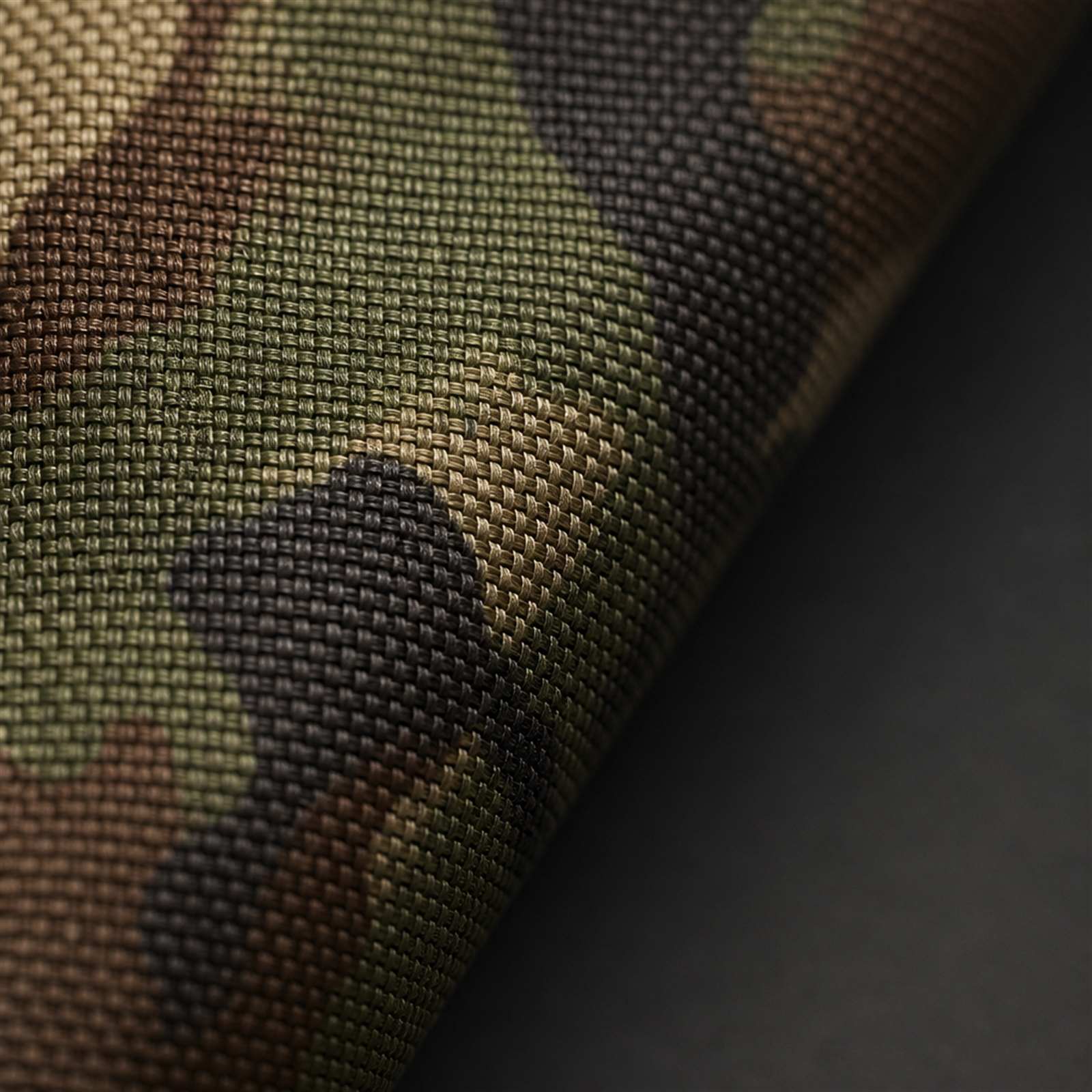
  • Camouflage-printed fabric body

Denier is a strength claim only when the weave and coating are named with it. Tell us the abrasion standard your market requires and we confirm the fabric against it before sampling.

Webbing and attachment

  • Type III nylon webbing
  • MOLLE rows at buyer-specified pitch
  • Laser-cut laminate webbing
  • Loop field for patches and pouches
  • Bar-tacked attachment points

Row pitch is the compatibility contract with the buyer's existing pouches. We measure it against your specification on sampled panels, because this is the failure customers report as 'does not fit my gear'.

Hardware

  • Acetal and nylon side-release buckles
  • Metal sliders and D-rings
  • YKK-class zippers
  • Glove-friendly zipper pulls
  • Zipper lock openings

Name the hardware class and the load it must take. Unnamed hardware is where a pack's real load capacity is decided by whoever supplied the cheapest buckle.

Load carriage and padding

  • Padded shoulder straps with sternum strap
  • Load-bearing waist belt
  • Internal framesheet
  • Ventilated back panel
  • Closed-cell foam padding

This is what separates a bag from a pack. We test the sample packed to the buyer's working load, so strap behaviour and load transfer are judged in use rather than on a table.

Construction

Construction details

How each of the 8 parts of MOLLE Assault Backpack is assembled, and why that choice was made.

Pattern and panel set

Panels cut to the buyer's pattern with the webbing layout, attachment points and compartment divisions marked before assembly, so pitch is fixed by the pattern rather than by the operator.

Webbing and MOLLE assembly

Rows stitched at the specified pitch and bar-tacked at the ends, with loop fields set where the buyer specifies.

Load path reinforcement

Shoulder strap anchors and the drag handle box-stitched and bar-tacked, so the load path is doubled rather than relying on a single seam.

Compartments

Main body, front utility pocket, document sleeve and hydration sleeve built with the access the end user actually uses, including drainage grommets where the buyer asks.

Hydration interface

Hydration sleeve, reservoir hanger and insulated tube port sized to the reservoir brand and capacity the buyer supplies.

Load carriage assembly

Straps, sternum strap, waist belt and framesheet attached with box-stitched anchors, with padding density matched to the approved sample.

Zippers and closures

Zippers set with glove-friendly pulls and, where required, lockable openings for duty use.

Finishing and inspection

Loose threads, excess binding and surface marks removed, with the pack measured against the sealed golden sample before packing.

Features

Functional features

The 6 functional features of MOLLE Assault Backpack each exist to solve a specific problem in use, and where a feature is a trade-off rather than a pure gain that is stated.

Webbing layout fixed by the pattern

Row pitch and attachment placement are marked on the panel pattern, so every run is compatible with the pouches the customer already owns instead of approximately compatible.

Load paths doubled, not assumed

Strap anchors, the drag handle and every webbing end are box-stitched and bar-tacked, because these are the points that fail first under daily weight.

Load carriage tested with real weight

The sample is packed to your working load and carried, so strap geometry and load transfer are judged the way the end user experiences them.

Hydration built around your reservoir

Sleeve, hanger and insulated port are sized to the reservoir brand and capacity you supply, so the tube does not kink and the bag does not leak at the port.

Compartments designed around the shift

Access, document sleeve, utility pocket and drainage are specified against what the end user carries and reaches for first, not against a catalogue drawing.

Repeatable across production runs

The approved pack is sealed as the golden sample and stays with us; pitch, anchors and dimensions are measured against it in every later run with records filed per batch.

Customization

Customization options

12 customization lines for MOLLE Assault Backpack: branding, colour, camouflage and packaging are all part of the specification, and every item is confirmed on the pre-production sample.

Capacity

20 to 30 litre day pack30 to 45 litre patrol pack45 to 65 litre field packBuyer pattern dimensions

Webbing layout

MOLLE rows at buyer pitchLaser-cut laminate webbingLoop field instead of webbingCustom row count per panelNo MOLLE build

Load carriage

Padded straps onlyStraps with sternum strapLoad-bearing waist beltInternal framesheetRemovable belt

Compartments

Hydration sleeveDocument sleeveUtility and organiser pocketsQuick-access front pocketDrainage grommets

Hydration build

Two-litre reservoir fitThree-litre reservoir fitInsulated tube portTube routing clipsNo hydration

Hardware

Acetal bucklesMetal hardwareYKK-class zippersZipper lock openingsGlove-friendly pulls

Colourways

BlackCoyote brownOlive and green tonesTan and desertWoodland, desert and digital camouflage

Padding

Foam density and thicknessVentilated back panelPadded baseHeat-moulded back panel

Branding

Woven labelEmbroideryHeat transferBlank patch fieldFully unbranded

Accessories

Rain coverRemovable pouchesReplacement strapsCarry handle in matching fabric

Packing

Individual poly bagRetail carton with hangtag artworkMaster carton with size markingCompressed packing for container fill

Size and fitting

Back length to buyer specificationStrap span adjusted per marketWaist belt length rangeOne size fits most

Colour

Colour options

  • Solid colourways matched to buyer targets with lab dip approval before bulk
  • Buyer Pantone or colour standard matched against a shade band agreed in writing
  • Colour fastness requirements stated by the buyer for markets with high sun exposure

Camouflage

Camouflage options

  • Buyer artwork camouflage with a print standard approved before bulk
  • Woodland style
  • Desert style
  • Digital style
  • Pattern repeat and panel alignment controlled at cutting so panels match across the pack

Sizing

Size options

Packs are dimensioned rather than sized like clothing: capacity, back length, strap span from the shoulder anchor to the waist belt, and pack width across the wearer's back are the numbers that matter. We confirm them against your reference bag or body-size requirement and build a full-size test pack before the range is cut, because a strap span that is wrong by twenty millimetres is invisible in a drawing and obvious to the wearer.

Branding

Private label

Your pattern, your webbing layout, your hardware and your packaging. Patch fields can be left blank, labels omitted and cartons unmarked, so the range ships entirely under your name.

Logistics

Packaging

  • Individual poly bag
  • Retail carton printed to buyer artwork
  • Master carton with size and colour marking
  • Buyer-specific carton and packing list format
  • Compressed packing for container efficiency

Sample development

From specification to approved sample

Development of MOLLE Assault Backpack runs in 7 stages, each risk removed before the next step commits cost.

01

Specification review

We agree the capacity, body fabric, webbing pitch, hardware, load carriage and compartment layout in writing before any pattern is cut.

02

Pattern and panel confirmation

The panel set is checked against your reference bag, including row spacing and the placement of every attachment point.

03

Material and hardware confirmation

Fabric, webbing, foam, zippers and buckles are confirmed against physical samples, not catalogue images.

04

First sample

One pack built to the agreed specification for construction, access and proportion review.

05

Load and fit trial

The sample is packed to your working load and carried, so strap behaviour, load transfer and belt comfort can be judged in use.

06

Revision

Strap geometry, row pitch, compartment logic or reinforcement are corrected and the pack rebuilt where needed.

07

Sealed golden sample

The approved pack is sealed and kept as the reference for every later production run and inspection.

Bulk production

Bulk production process

7 stages of bulk production for MOLLE Assault Backpack — where the approved specification is either held or lost.

01

Material receipt and inspection

Fabric denier and coating, webbing, foam, zippers and buckles are checked against the sealed sample before cutting.

02

Cutting

Panels, straps and lining are cut to the confirmed pattern with grain and stretch direction controlled and webbing positions marked.

03

Webbing and attachment assembly

MOLLE rows, loop fields and attachment points are stitched and bar-tacked at the specified pitch.

04

Body assembly

Panels, zippers, compartments and lining are assembled with the load paths double-stitched.

05

Load carriage assembly

Straps, waist belt, framesheet and padding attached with box-stitched anchors and the padding matched to the sample.

06

Finishing

Loose threads, excess binding and surface marks removed; colour and finish matched to the sealed sample.

07

Packing and count control

Packs packed by colour and size with the run counted against the order, including any accessory items such as rain covers.

Quality control

Quality control

The 7 checks applied to MOLLE Assault Backpack, each measured against an agreed standard rather than against opinion.

01

Incoming material check

Denier, coating, webbing width, foam density and hardware batch are recorded against the specification.

02

In-line inspection

Row pitch, stitch density and seam alignment are checked during assembly, not only at final inspection.

03

MOLLE compatibility check

Row spacing is measured against the buyer's specification on sampled panels — the check that protects compatibility with the customer's pouches.

04

Load and anchor test

Sampled packs are loaded to the agreed weight and the strap, handle and webbing anchors inspected for stitch failure.

05

Zipper and hardware test

Repeated open and close cycles plus buckle engagement are tested on samples from each lot.

06

Hydration build check

On hydration builds, the sleeve fit, hanger and insulated port are checked against the reservoir dimensions specified by the buyer.

07

Final inspection and records

Visual and dimensional inspection against the sealed golden sample, with results filed per batch so a claim traces to material, operator and date.

Specifications

Specifications

19 specification rows for MOLLE Assault Backpack: only confirmed items are listed, so a row that depends on your programme is omitted rather than filled with an estimate.

Product typeMOLLE assault backpack
Capacity20-30 L, 30-45 L or 45-65 L, or buyer dimensions
Body fabric1000D ballistic nylon, 500D nylon or ripstop, to specification
Fabric coatingCoated and water-repellent options to buyer requirement
WebbingType III nylon webbing, MOLLE rows at buyer-specified pitch
Attachment pointsBar-tacked, positions fixed by the panel pattern
Load carriagePadded straps with sternum strap, optional load-bearing waist belt
FrameOptional internal framesheet
HydrationOptional sleeve with insulated tube port, sized to buyer reservoir
ZippersYKK-class, optional lockable openings
HardwareAcetal or metal to specification
LiningTaffeta, mesh or high-visibility internal lining
PaddingClosed-cell foam, density to specification
DimensionsPer buyer pattern; back length and strap span confirmed on the sample
ColourwaysBlack, coyote, olive, tan and camouflage to buyer standard
BrandingWoven label, embroidery, heat transfer, blank patch field or unbranded
PackagingIndividual poly bag, retail carton to artwork or unmarked export carton
MOQPer pattern and colourway — confirm your mix for a quote

FAQ

MOLLE Assault Backpack FAQ

Can you build the pack to our existing pattern and MOLLE layout?

Yes, and that is the usual starting point. Send a physical reference bag or the pattern and we match the panels, row pitch and attachment placement, so your customers' pouches stay compatible with every run.

How do you guarantee the MOLLE rows stay compatible between orders?

The approved bag is sealed as the golden sample and stays with us. Row pitch and anchor placement are measured against it in every run, and the inspection record is filed per batch, so a compatibility complaint can be traced to a specific run instead of guessed at.

Which fabric should we choose, 1000D or 500D?

It depends on the load and the weight the buyer accepts. 1000D ballistic is the durable default for duty packs; 500D or ripstop is used when the pack must be lighter. Tell us the working load and we will confirm the fabric and coating against your abrasion requirement.

Can you build the hydration sleeve around our reservoir?

Yes. Tell us the reservoir brand and capacity you supply; the sleeve, hanger loop and insulated port are built to those dimensions and the tube routing clips positioned so the tube cannot fold at the shoulder.

What is the MOQ?

MOQ is quoted per pattern and per colourway, because cutting and hardware buying drive the cost more than assembly. Rain covers or removable pouches can be included in the same run — send your mix and we quote against it.

Can the packs ship completely unbranded?

Yes. Patch fields can be left blank, labels omitted and cartons unmarked, so the range ships entirely under your name.

More products

Related products

Tactical Boots

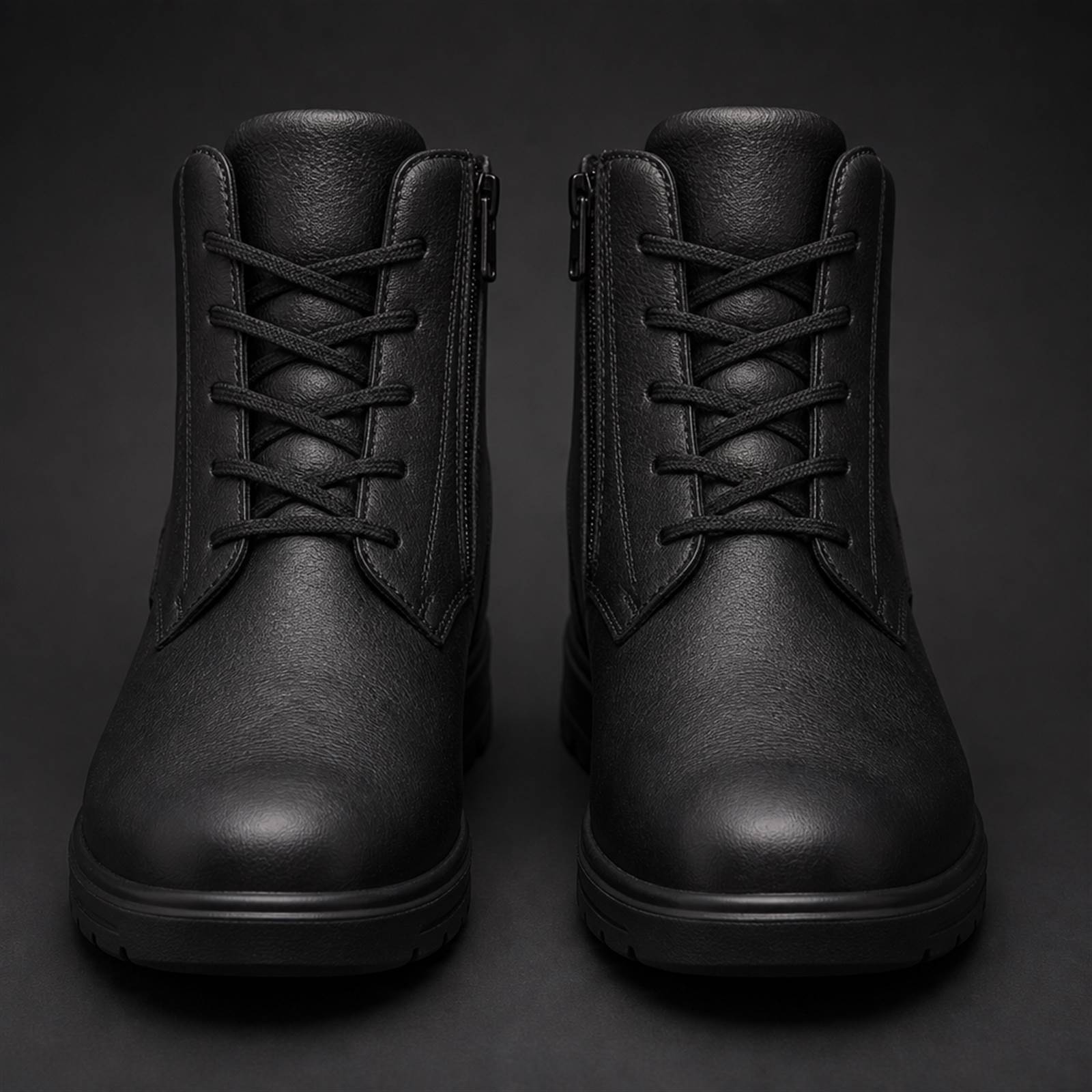
Side-Zip Duty Boot

A side-zip boot exists for one reason: a shift worker can lace it once and zip it every time after.

Temperate duty and urban wearWarm and dry markets without a membraneCold and wet markets with a waterproof build
View product
Request a Manufacturing Assessment

Send us your tech pack, reference sample or product idea. We review your requirement, recommend materials and construction, and come back with a development plan you can act on.