Tactical Boots
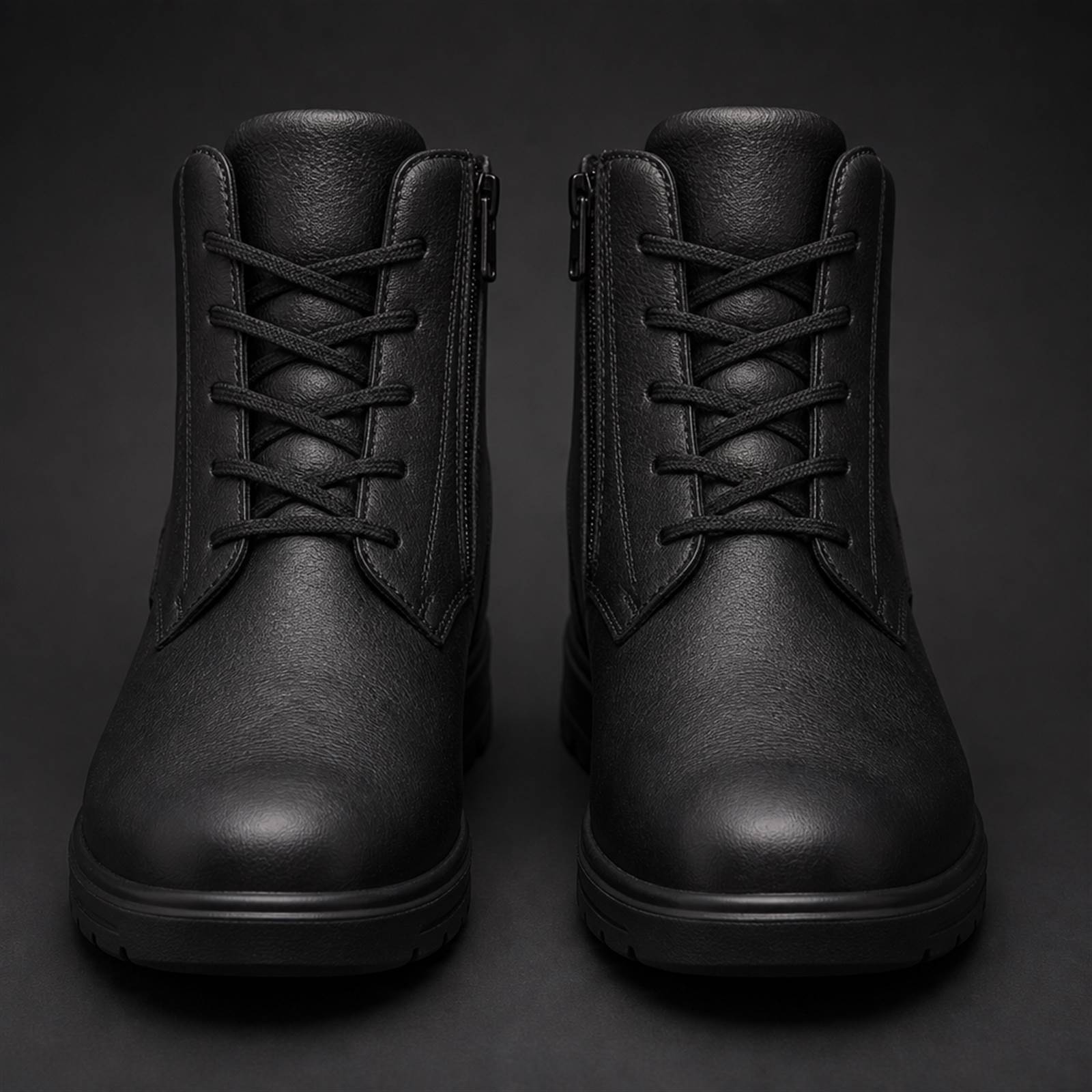
Side-Zip Duty Boot
A side-zip boot exists for one reason: a shift worker can lace it once and zip it every time after.
Products / Extreme Cold Weather Parkas
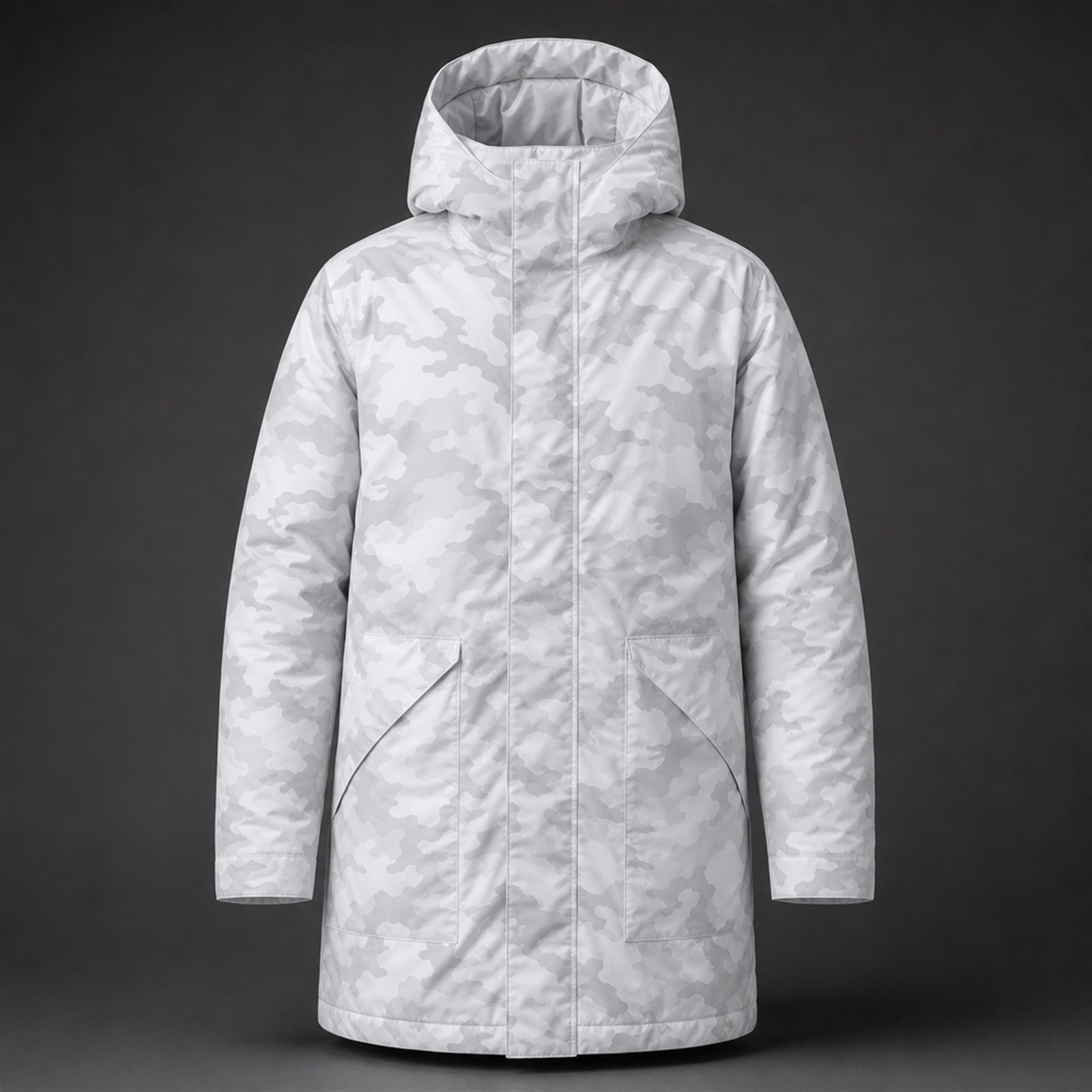
A parka for extreme cold is a system, not a garment with more filling. The insulation only works while it stays dry and lofted, so the shell has to keep weather out, the lining has to move moisture away, and the construction has to stop the filling migrating to the hem after a season of wear. This page is the buying side of that: which decisions must be locked before sampling, why baffle construction beats a heavier fill, and what to measure on the fifth production run.

Design purpose
Build an extreme-cold parka on the buyer's pattern that keeps its loft, its length and its protection through a full season of wear, with the shell, insulation system, hood and closure specified so warmth does not depend on a heavier fill that a buyer cannot re-order consistently.
Applications
Interactive map
Expedition Parka: select a marker to see what can be specified at that part of the garment — all 10 mapped areas are also listed in full below the map, so nothing is hidden behind an interaction.
Customization by garment part
Select a marker to see the customization options available at that part of the garment. Every option below is a manufacturing decision you control.
Materials
4 material options for Expedition Parka, specified per garment area — a single fabric cannot serve heat management and abrasion resistance at the same time.
Shell fabric
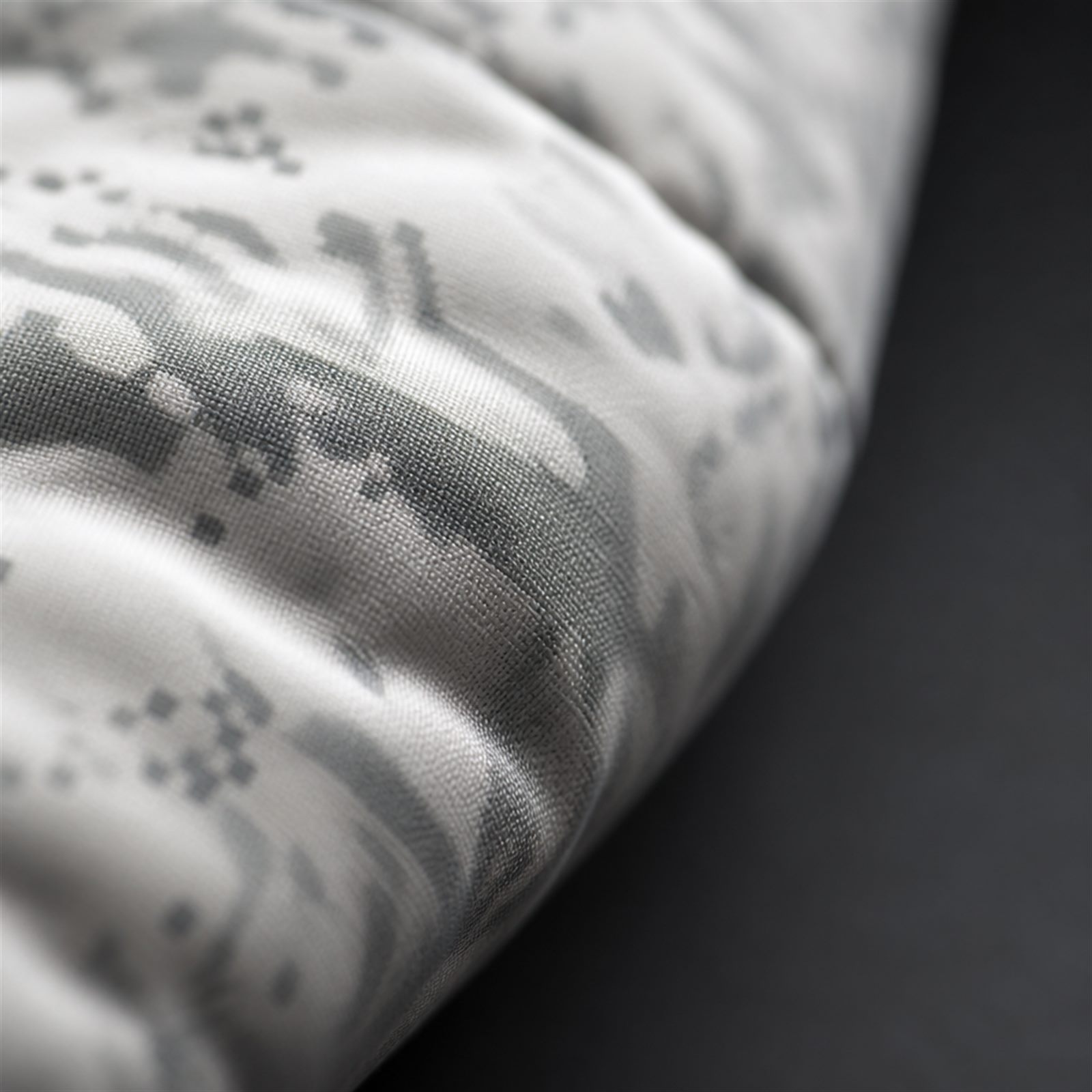
The shell decides whether the insulation stays dry, which matters more than shell weight. Tell us whether the parka is worn in dry cold or cold and wet, and we specify the shell and the finish against that rather than against a price bracket.
Insulation system
We will not publish a temperature rating for a parka without a real test result for that exact construction. What we can do is build the same shell with two insulation weights so a buyer can offer a regional range with one pattern and one size set.
Lining and moisture management
Moisture is what destroys warmth. The lining and the vents are why a lighter parka can outperform a heavier one, and they are the parts buyers notice after the first long shift.
Trims and closures
Every closure on a parka is a place where cold air and water get in. Specify the storm flap construction, the zipper class and the cuff adjustment together, not as three separate line items.
Construction
How each of the 8 parts of Expedition Parka is assembled, and why that choice was made.
Pattern and sizing for layering
The parka is cut to layer over a base layer and a fleece without compressing the insulation, with the armhole, shoulder and elbow room agreed against the underlayers the buyer sells.
Baffle and quilting
Baffle size and stitch lines specified against the insulation weight, so the filling stays distributed instead of migrating to the hem after a season of wear.
Shell seams and sealing
Seams flat-felled or taped to the agreed standard, with the storm flap and zipper garage built so water cannot track down the front opening.
Hood construction
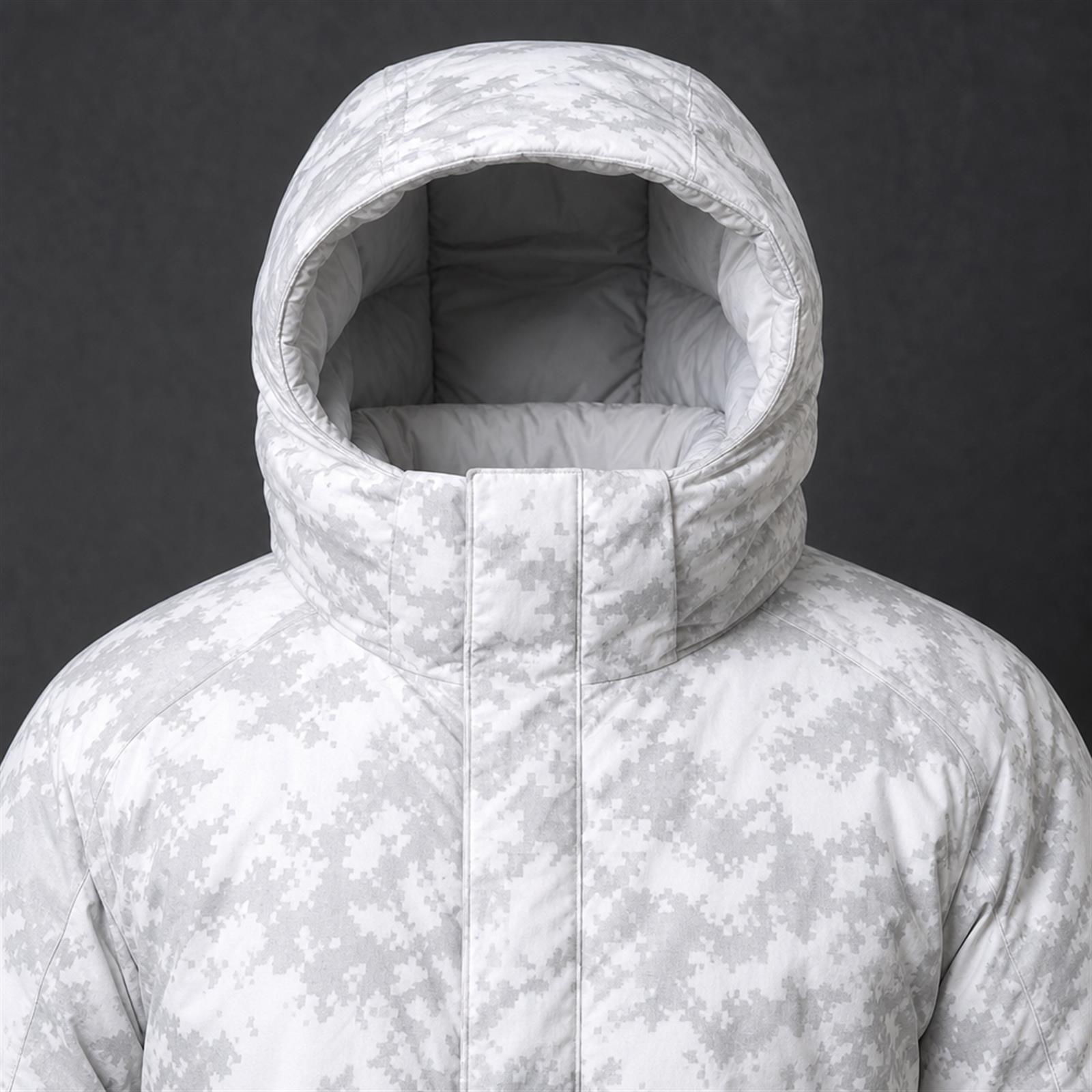
Fixed or detachable storm hood with a wired or stiffened brim, volume adjustment and a high collar that closes over the chin when the wearer looks down.
Ventilation
Underarm vents or mesh-backed panels, positioned so heat can leave during movement without letting weather in while static.
Front closure and storm flap
Two-way zipper behind an internal storm flap with a snap-down overlay at the top, which is what keeps the chest sealed when the wearer is bent forward.
Cuffs and hem
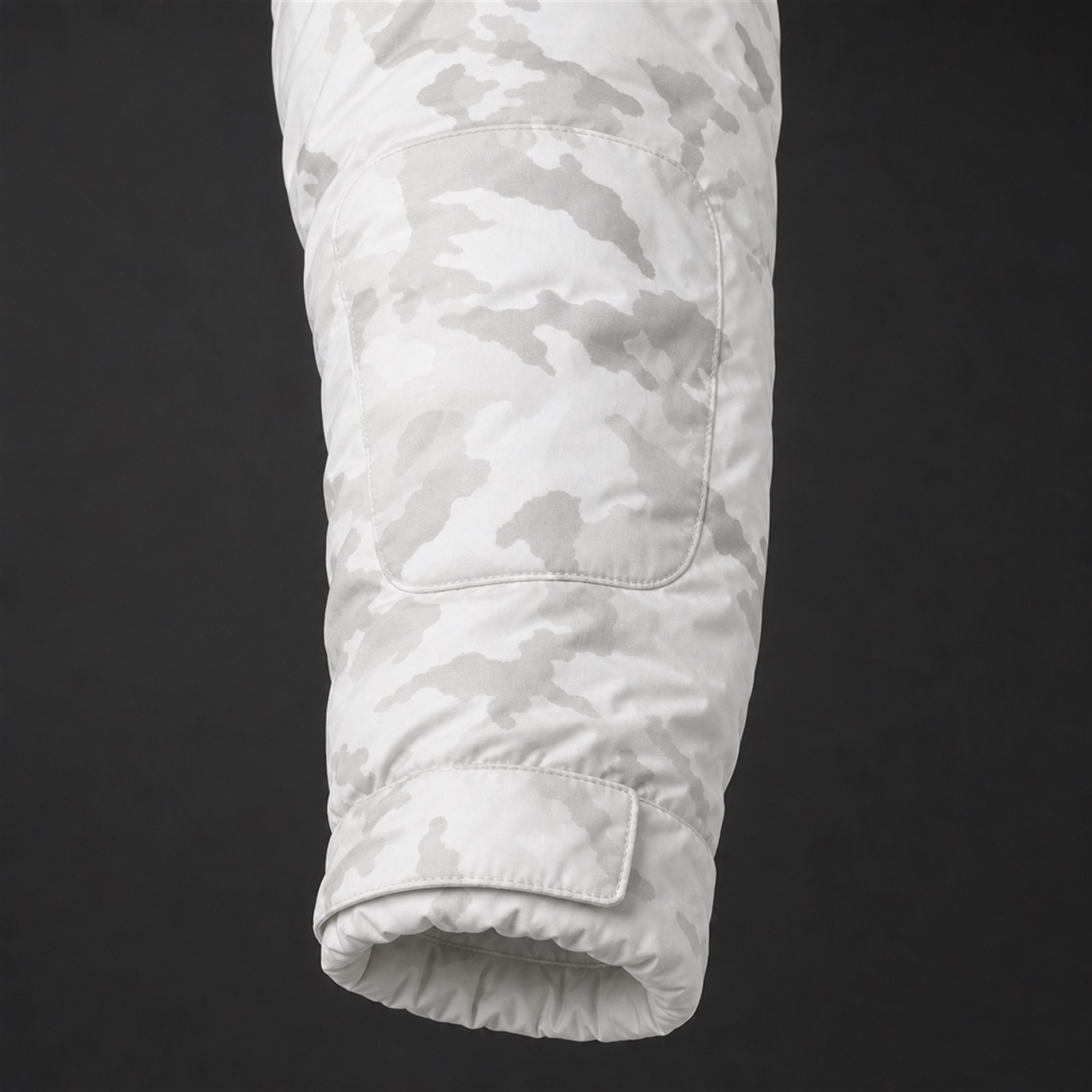
Adjustable cuffs that close over gloves and a drawcord hem that stops the parka riding up when the wearer bends or kneels.
Pockets and equipment
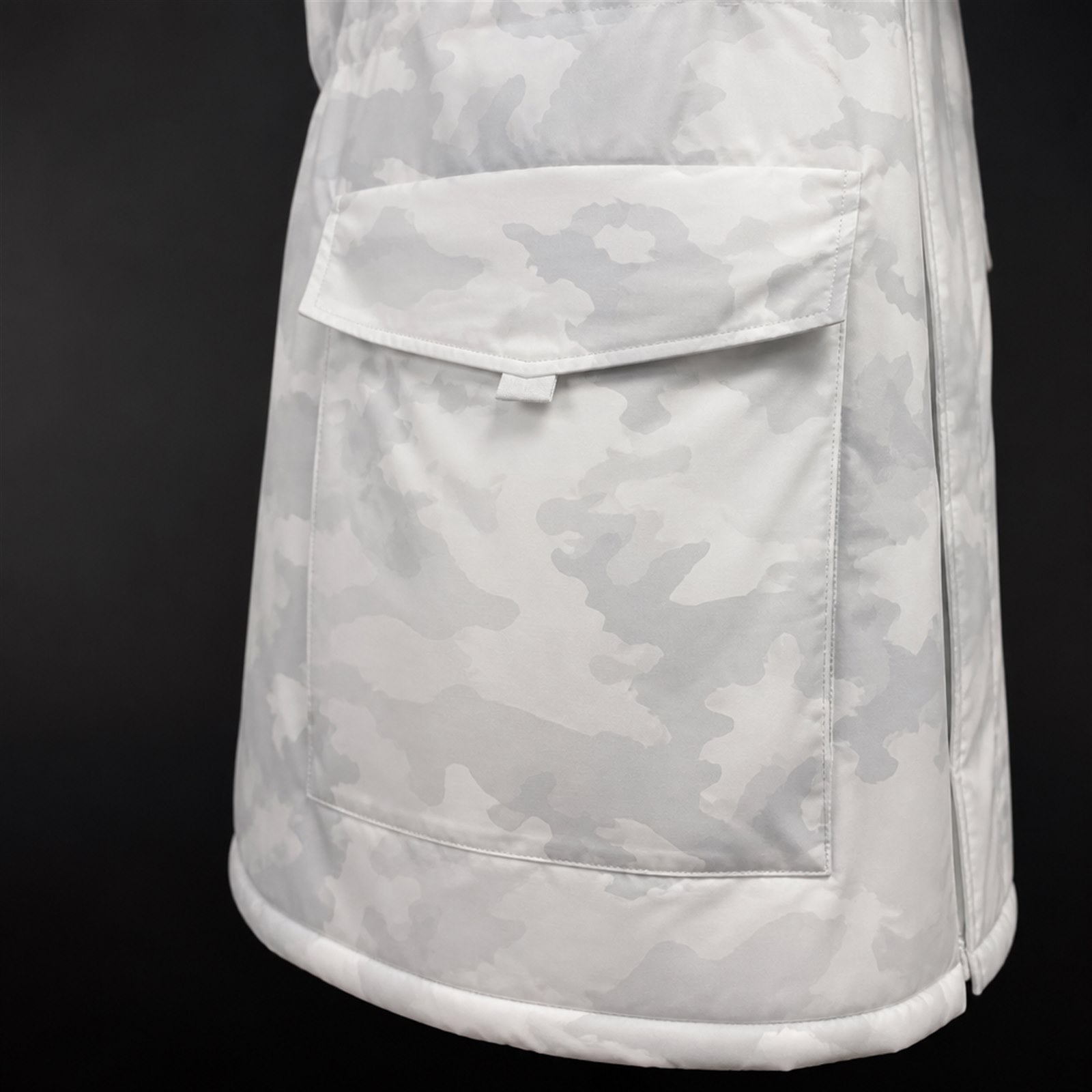
Hand-warmer pockets, chest pockets and internal document pockets positioned so they stay usable with gloves on and do not break the baffle lines.
Features
The 6 functional features of Expedition Parka each exist to solve a specific problem in use, and where a feature is a trade-off rather than a pure gain that is stated.
Shell, lining and baffle construction are specified together, because warm air only stays in place while the filling stays dry and lofts back after compression.
The same shell and size set can be built with a lighter and a heavier insulation weight, so a buyer can serve two winter markets without re-tooling a pattern.
Volume adjustment, a stiffened brim and a high collar keep the hood in place in wind, which is where most parka complaints start.
Underarm vents and mesh-backed panels let heat out during activity without letting weather in when the wearer stops.
Armhole, shoulder and elbow room are cut for the base layer and fleece the buyer sells, so the wearer does not have to size up to stay warm.
The approved parka is sealed as the golden sample and stays with us; insulation weight, baffle spacing and measurements are checked against it in every later run.
Customization
12 customization lines for Expedition Parka: branding, colour, camouflage and packaging are all part of the specification, and every item is confirmed on the pre-production sample.
Insulation weight
Shell
Length
Hood
Front closure
Ventilation
Cuffs
Pocketing
Colourways
Branding
Size runs
Packaging
Colour
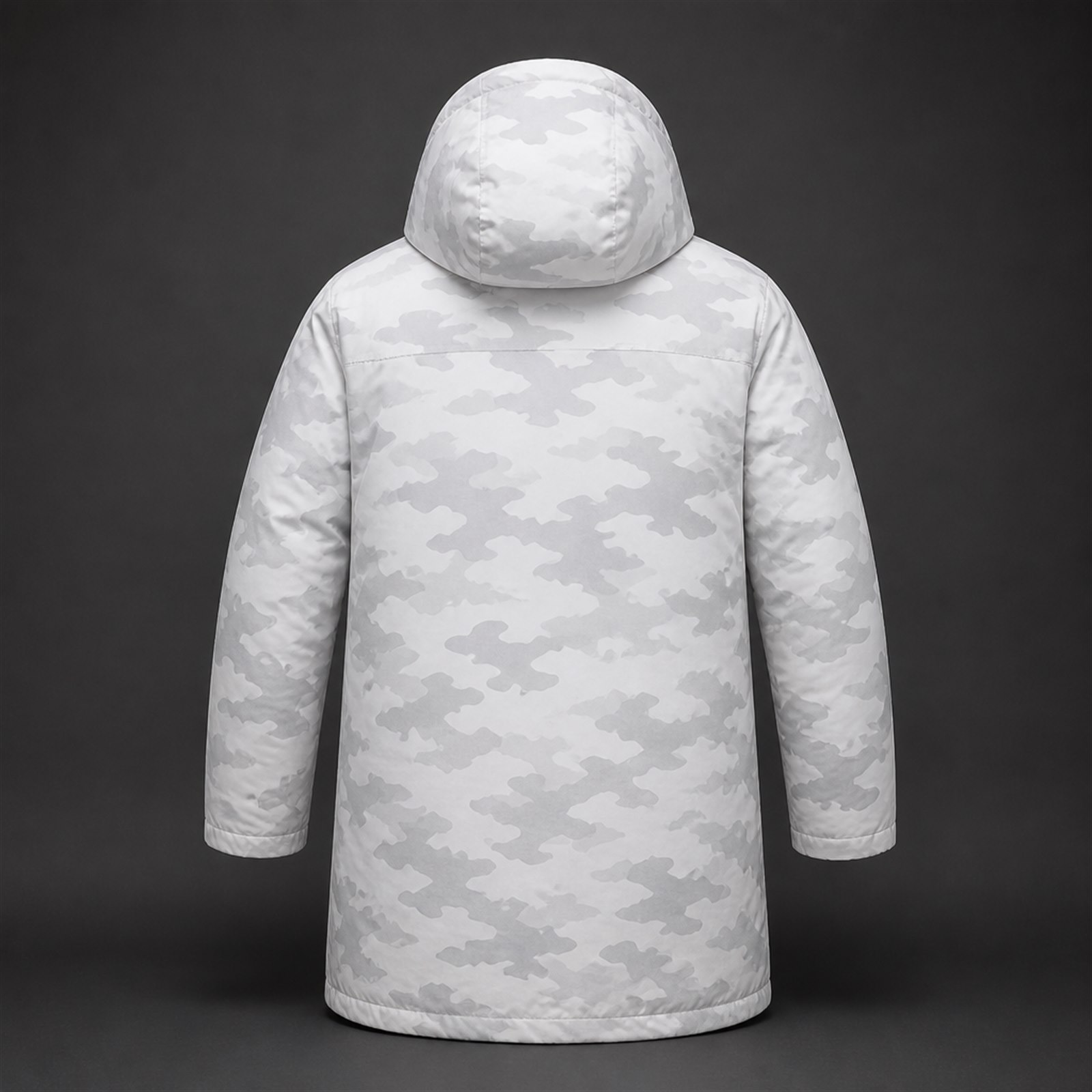
Camouflage
Sizing
Parka sizing is cut for layering rather than for a single layer: armhole, shoulder, elbow and cuff room are agreed against the base layer and fleece the buyer sells, so the wearer does not have to size up to stay warm. Sizes are graded from the confirmed pattern and measured flat at the smallest and largest size before the run is cut, and extended sizes are confirmed with the size curve rather than added afterwards.
Branding
Your pattern, your shell and insulation specification, your hardware and your packaging. Labels, trims and cartons can be left blank, so the range ships entirely under your name.
Logistics
Sample development
Development of Expedition Parka runs in 7 stages, each risk removed before the next step commits cost.
Specification review
We agree the shell, insulation weight, baffle construction, hood, closure and layering dimensions in writing before any fabric is cut.
Pattern and layering reference
Your reference parka or the underlayers it must cover define the armhole, shoulder and length that the sample will be judged against.
Material and insulation confirmation
Shell fabric, finish, insulation type and weight, lining and trims are confirmed against physical samples rather than catalogue descriptions.
First sample
One parka built to the agreed specification for fit over layers, baffle behaviour and closure review.
Wear and compression trial
The sample is worn over the underlayers, compressed and worn again, so loft recovery, hood behaviour and venting can be judged in use.
Revision
Baffle spacing, insulation distribution, hood volume or closure construction corrected and the parka rebuilt where needed.
Sealed golden sample
The approved parka is sealed and kept as the reference for every later production run and inspection.
Bulk production
7 stages of bulk production for Expedition Parka — where the approved specification is either held or lost.
Material receipt and inspection
Shell lot, finish, insulation batch, lining and trim are checked against the sealed sample before cutting.
Cutting
Shell, lining and insulation panels cut to the confirmed markers, with baffle positions marked so quilting follows the pattern rather than the operator.
Quilting and baffle assembly
Panels quilted or baffled to the agreed spacing, with the insulation weight checked against the sample before pieces are joined.
Shell assembly and seam treatment
Shell seams assembled and finished to the agreed standard, with the storm flap built into the front construction.
Lining and insulation joining
Lining joined to the shell with the insulation held in place at the specified points, so the filling cannot migrate to the hem.
Hood, cuffs and hem
Hood, cuff adjustment and hem drawcord attached and set to the agreed dimensions.
Finishing and packing
Thread ends, marking and pressing completed, parkas packed by size with the run counted against the order.
Quality control
The 7 checks applied to Expedition Parka, each measured against an agreed standard rather than against opinion.
Incoming material check
Shell construction and finish, insulation batch and weight, lining and trims recorded against the specification.
In-line inspection
Baffle spacing, stitch density and seam finish checked during assembly, not only at final inspection.
Insulation distribution check
Sampled panels are checked for fill distribution and cold spots before the garment is closed.
Seam and closure test
Front zipper, storm flap, cuffs and hood adjustment operated on sampled pieces to confirm they seal and stay adjusted.
Measurement check
Chest, length, sleeve and hem measured flat against the graded specification, including the layering dimensions.
Final inspection
Visual inspection against the sealed golden sample, with defects recorded per lot.
Record keeping
Inspection results filed per batch so a claim traces to shell lot, insulation batch, operator and date.
Specifications
19 specification rows for Expedition Parka: only confirmed items are listed, so a row that depends on your programme is omitted rather than filled with an estimate.
| Product type | Extreme cold expedition parka |
|---|---|
| Length | Hip, mid thigh, knee or long expedition, to buyer specification |
| Shell | Ripstop nylon, poly-cotton or laminated waterproof shell to specification |
| Shell finish | Water-repellent, wind-resistant or uncoated, to requirement |
| Insulation | Synthetic or down blend, weight to buyer specification |
| Baffle construction | Fixed baffles or quilted lining, spacing specified against fill weight |
| Lining | Moisture-wicking taffeta, brushed tricot or antibacterial |
| Hood | Fixed or detachable storm hood with volume adjustment |
| Front closure | Two-way zipper with internal storm flap and snap-down overlay |
| Ventilation | Underarm vents or mesh-backed panels |
| Cuffs | Velcro or snap adjustment, storm cuff option |
| Hem | Drawcord adjustment |
| Pockets | Hand-warmer, chest, internal document and radio pocket options |
| Size range | EU or US runs including extended sizes, cut for layering |
| Colourways | Olive, coyote, black, grey and camouflage to buyer standard |
| Branding | Woven label, embroidery, heat transfer, patch field or unbranded |
| MOQ | Per shell and colourway — confirm your size curve for a quote |
FAQ
Not from us, and we would advise against any supplier who does it casually. Warmth depends on insulation weight, layering, activity and wind, so a single number is only meaningful with a real test result for that exact construction. What we do instead is build the same shell with a lighter and a heavier insulation weight so you can position two winter markets from one pattern.
It depends on the market and the laundering reality. Synthetic keeps warmth when damp and washes without special handling; down is lighter for the same loft but needs care. Tell us where the parka is worn and how it will be cleaned, and we specify against that.
With baffle construction rather than plain quilting: baffle spacing is specified against the fill weight and the lining is attached at fixed points, so the insulation stays distributed instead of settling after a season.
Yes, and that is how we prefer to size it. Send the underlayers the parka will be worn over and we set armhole, shoulder, elbow and cuff room against them, so the wearer does not have to size up to stay warm.
Yes. Send a physical reference parka and we match the length, hood, closure and pocketing, then confirm the layering dimensions on the first sample.
MOQ is quoted per shell and per colourway, because fabric buying and cutting drive the cost more than assembly. Insulation weight variants can usually share one run — send your size curve and colour split and we will quote against it.
Related Products
Related Materials
Related Applications
Related Capabilities
Related Categories
More products
Tactical Boots
A side-zip boot exists for one reason: a shift worker can lace it once and zip it every time after.
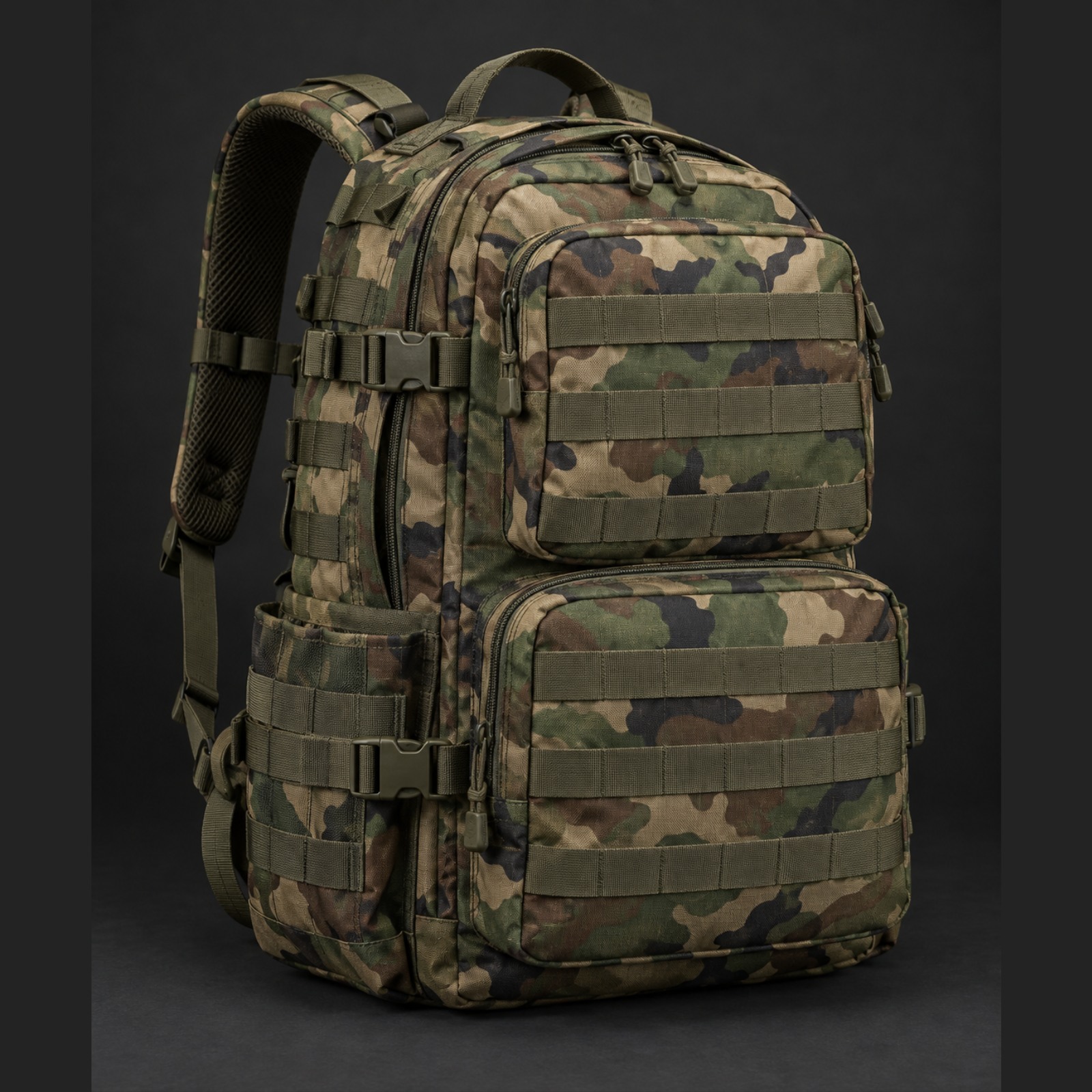
Tactical Bags & Packs
A pack is judged twice: once when the buyer hangs their own pouches on it, and once at the end of a season when the shoulder straps have carried weight every day.
Send us your tech pack, reference sample or product idea. We review your requirement, recommend materials and construction, and come back with a development plan you can act on.