Tactical Pants
Ripstop Tactical Pants
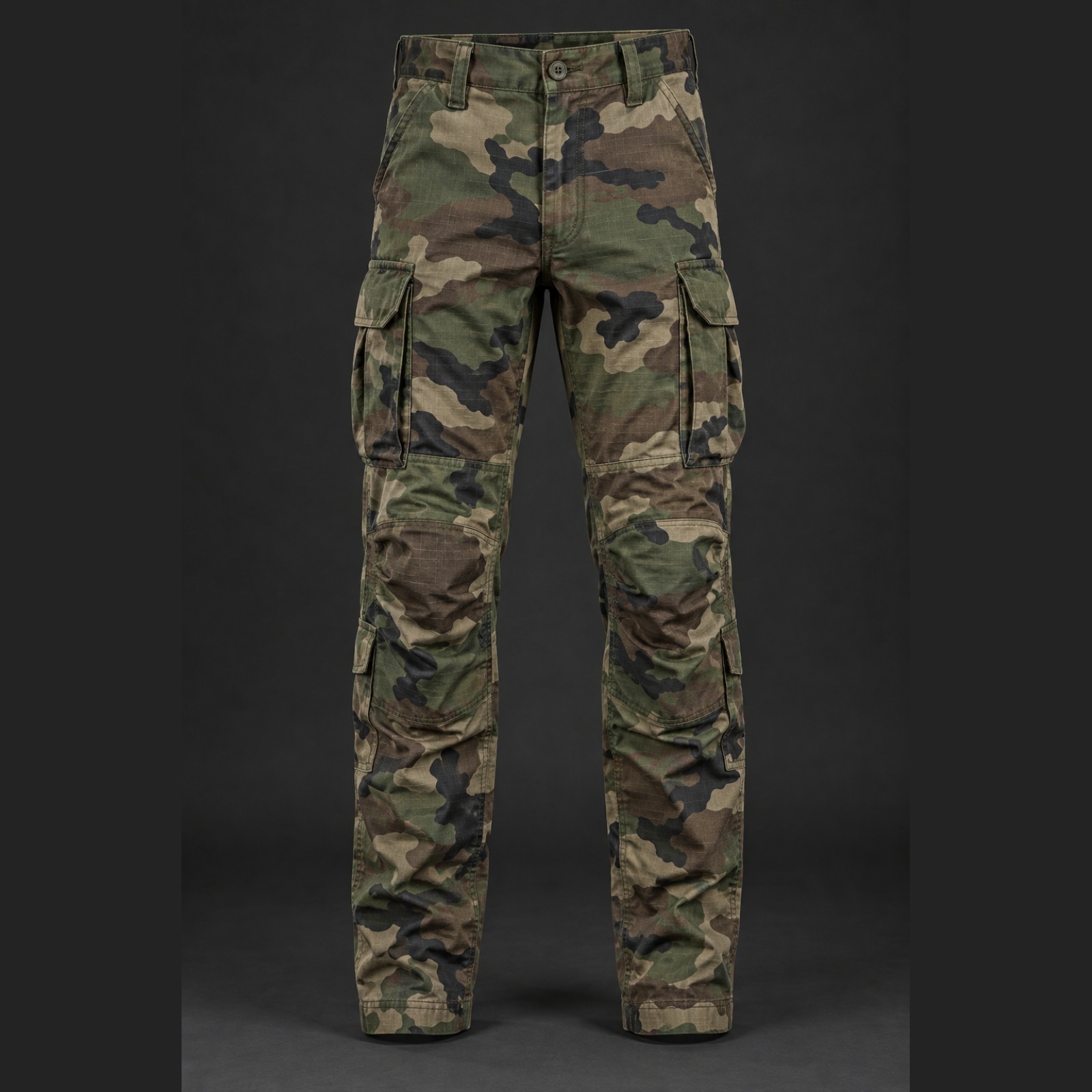
A tactical pant is judged by three things: whether the crotch survives, whether the knee holds up, and whether the waist still fits the same after a full day of movement.
TemperateHotArid / Desert
View productProducts / Tactical Boots
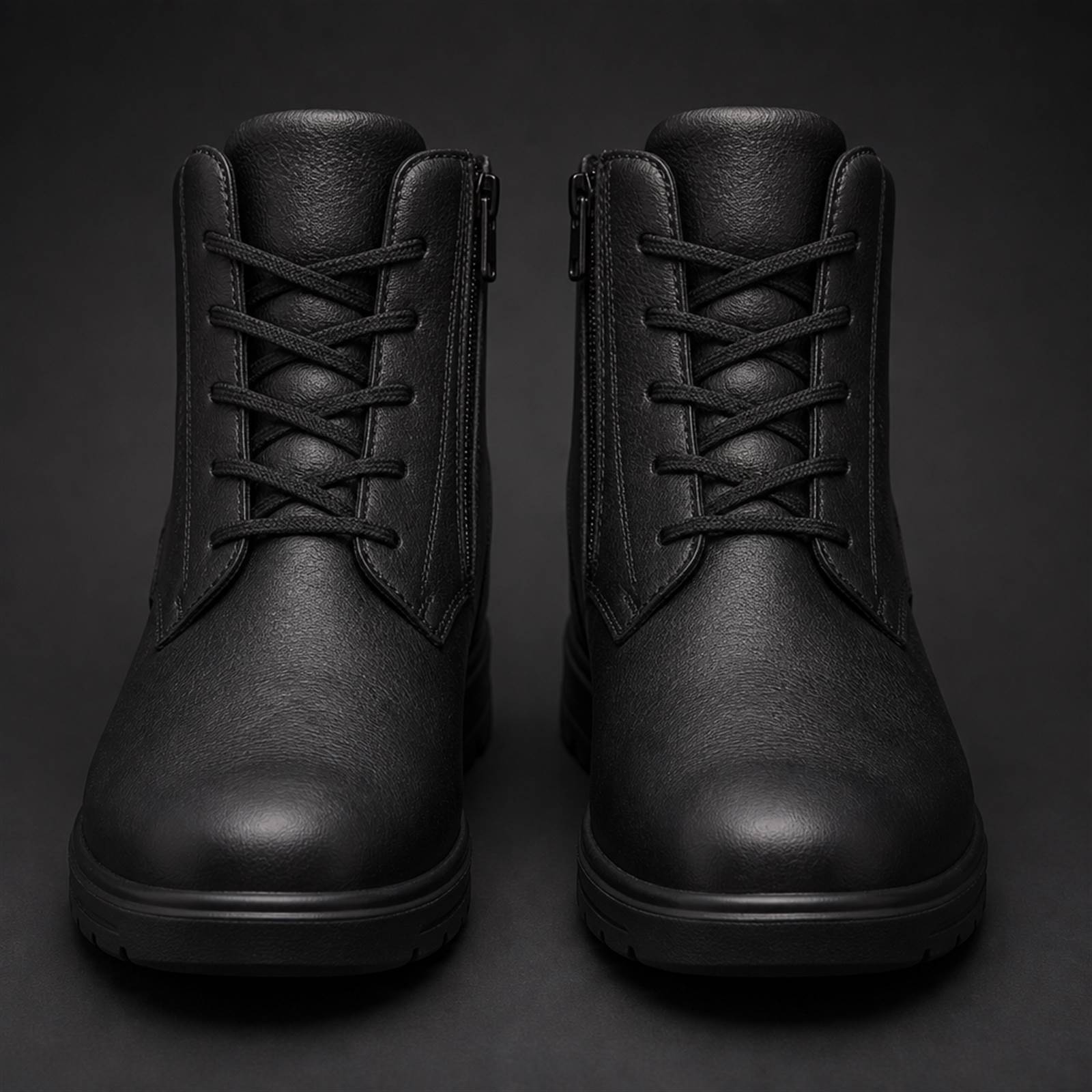
A side-zip boot exists for one reason: a shift worker can lace it once and zip it every time after. Everything else follows from that — the zipper must not pull the shaft off centre, the lace lock must hold the fit, and the zip guard must survive being kicked off at the end of a shift. This page is the buying side of that decision: what to lock before sampling, which construction details decide whether the boot survives a year of duty, and what to ask for on the fifth production run.
Gallery
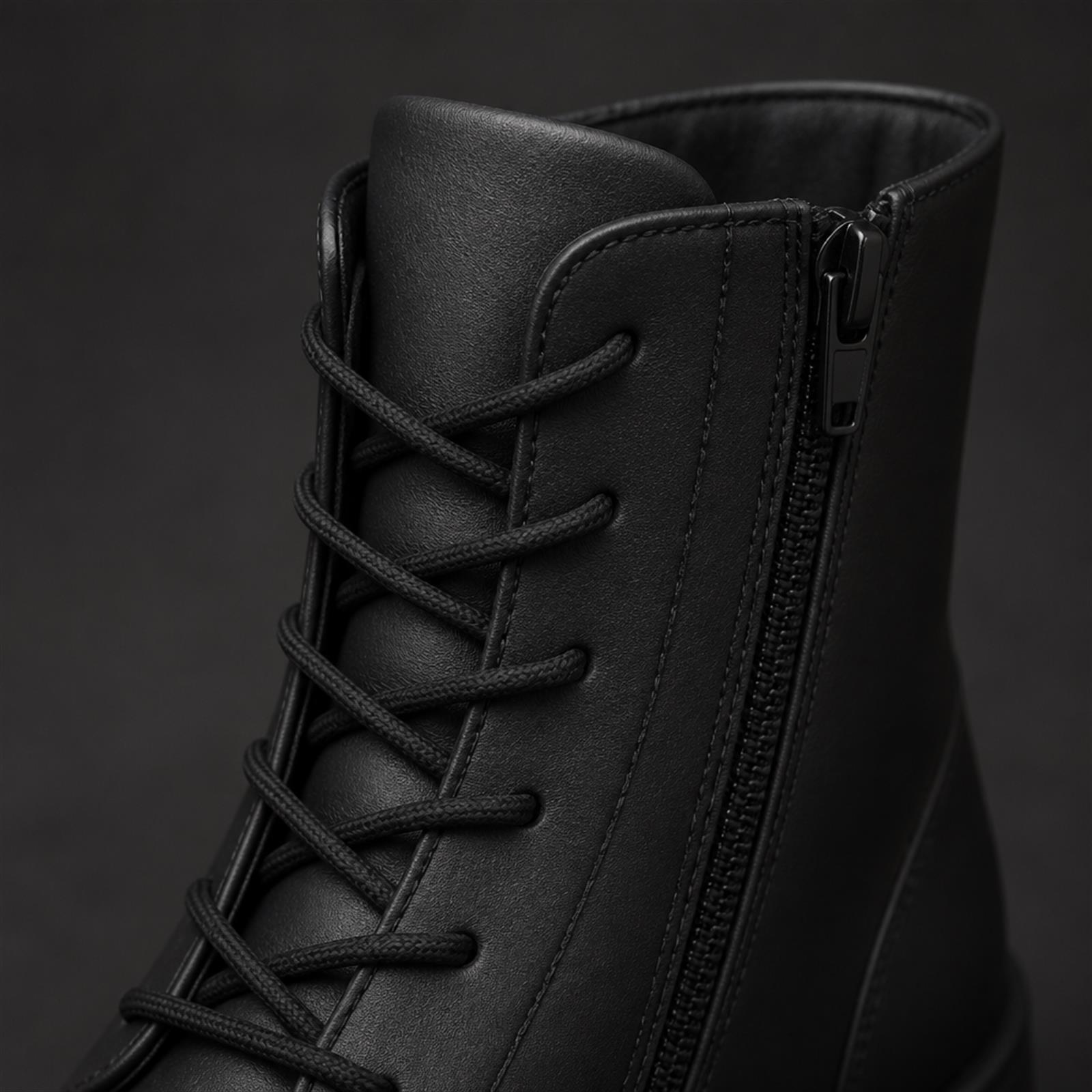
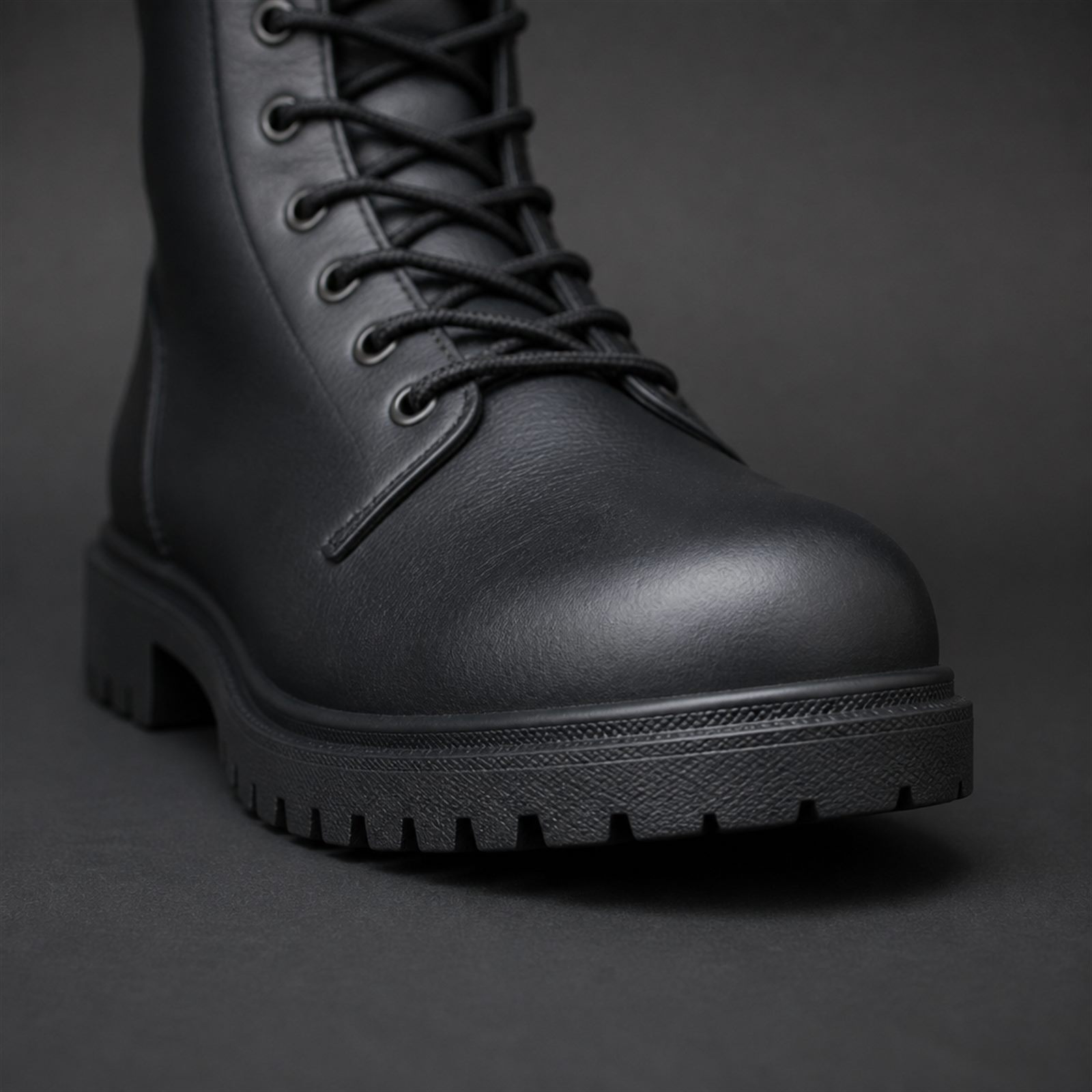
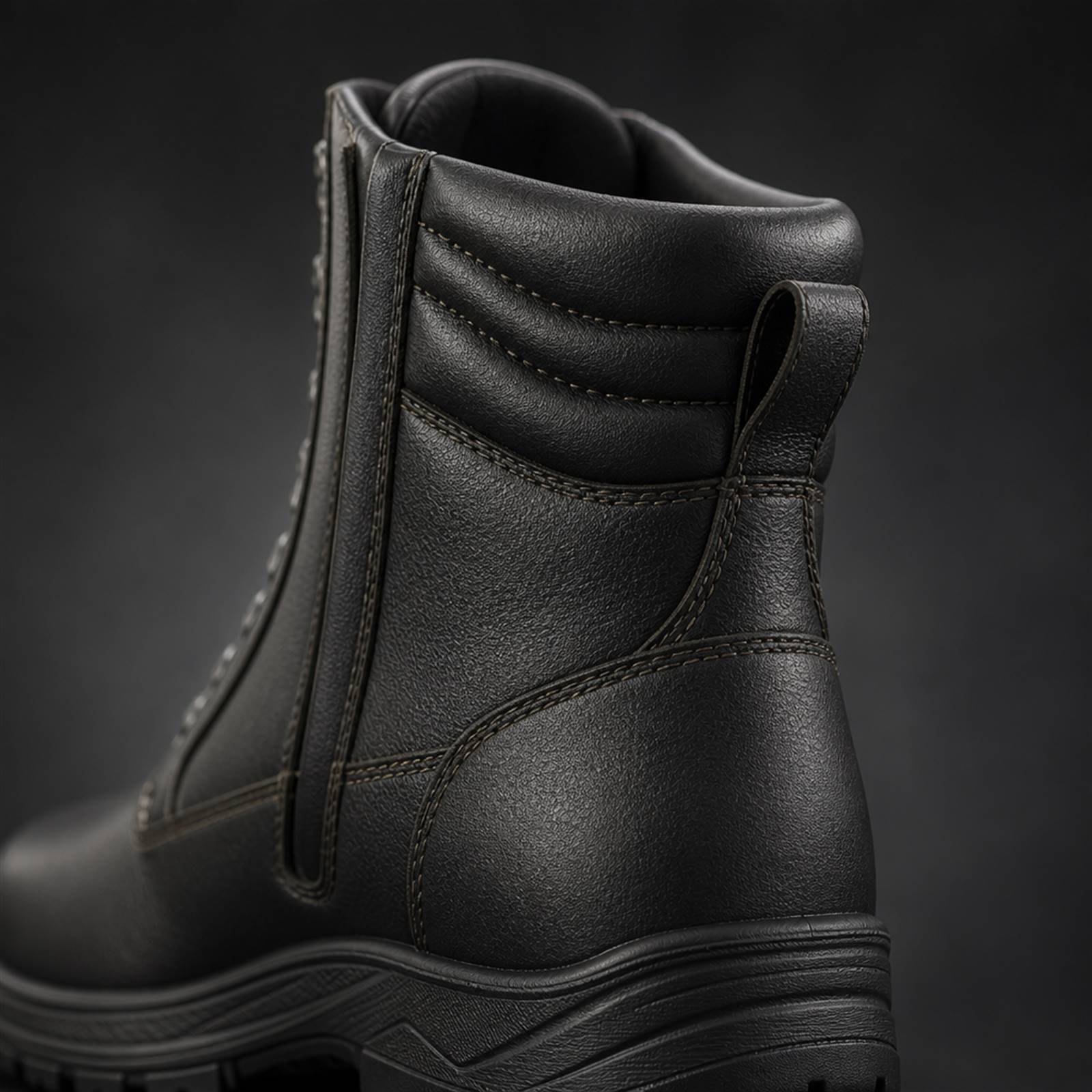
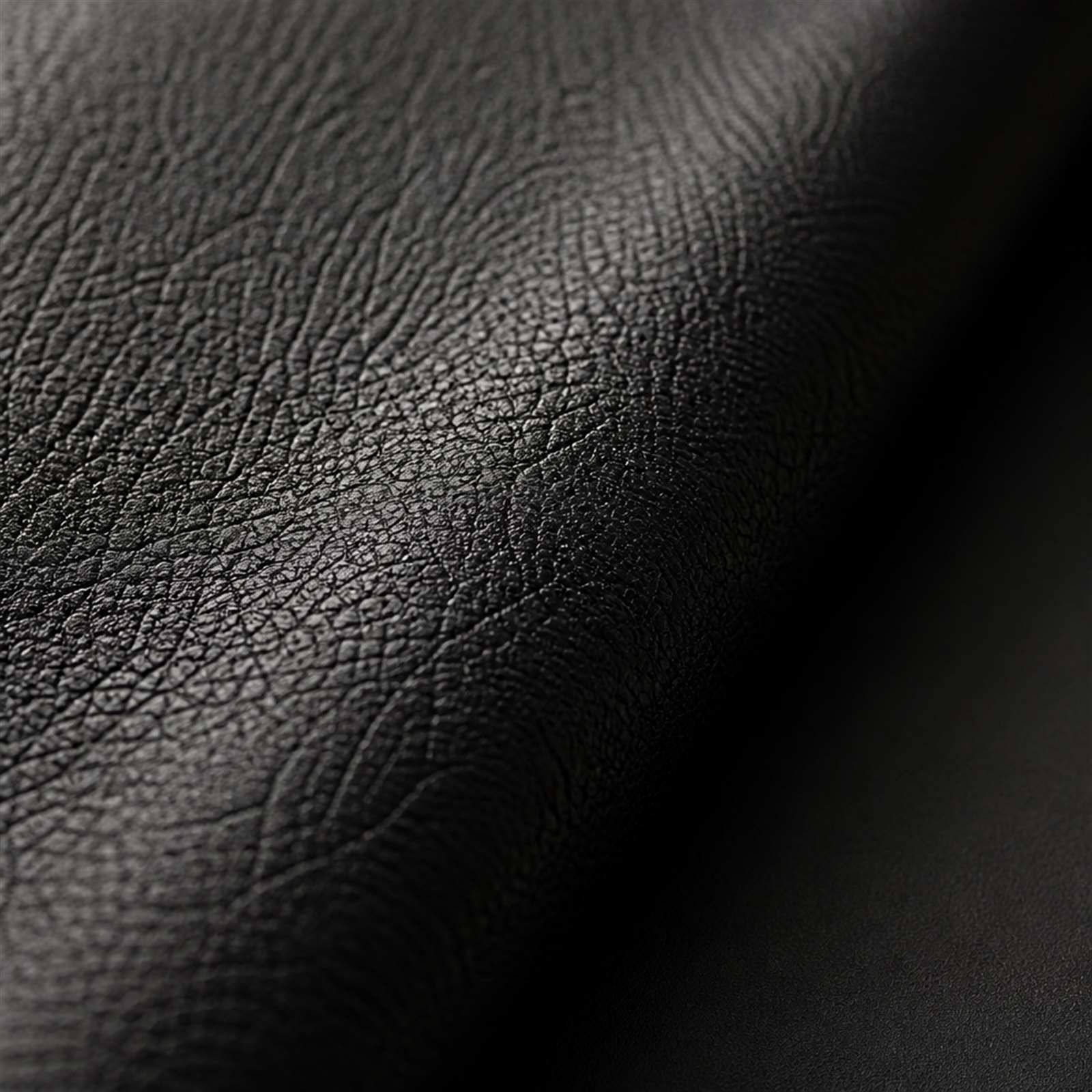
Design purpose
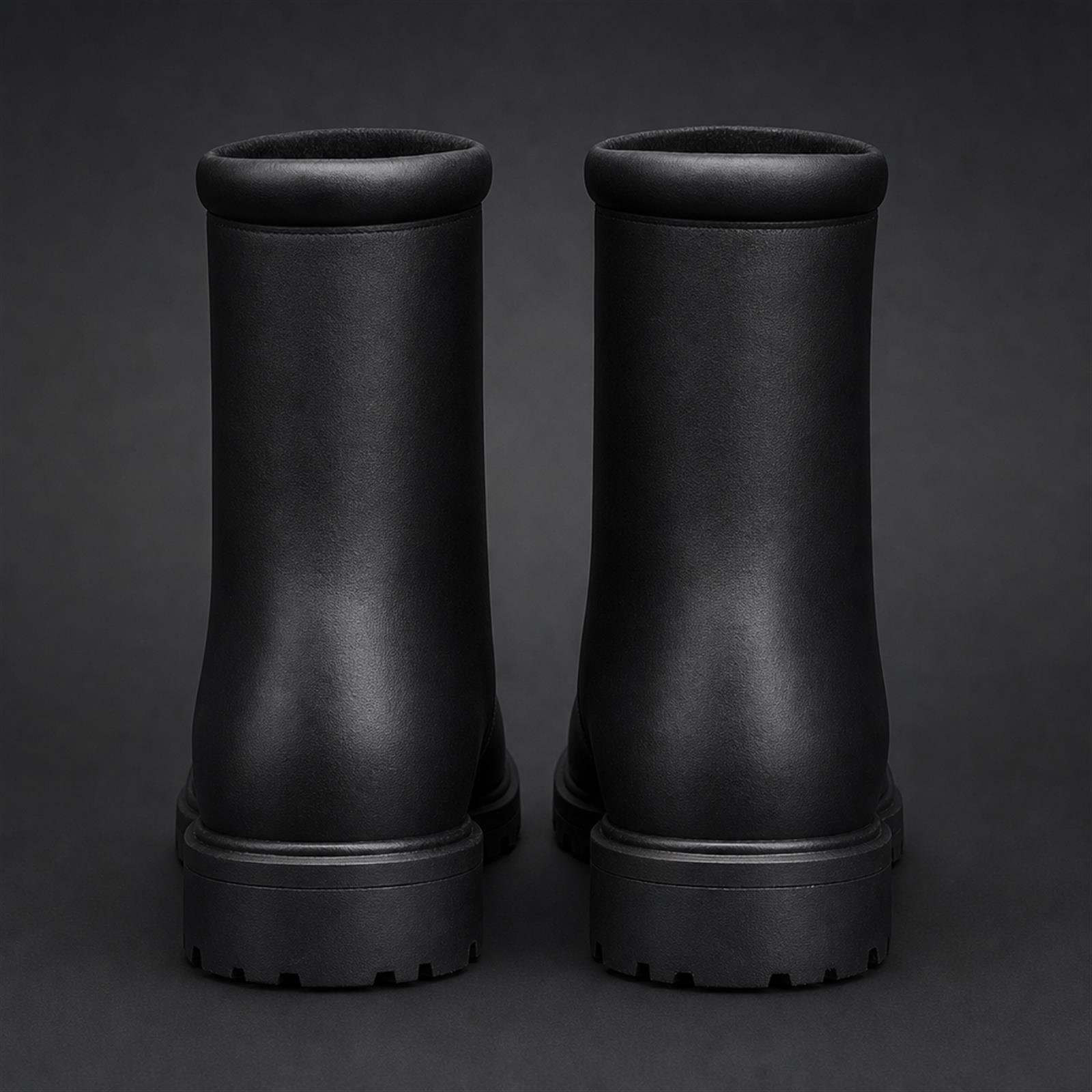
Build a fast-on duty boot with a laced fit and a protected side zipper, on the buyer's last and outsole, that keeps its fit and its closure through a full service life rather than a single season.
Applications
Interactive map
Side-Zip Duty Boot: select a marker to see what can be specified at that part of the garment — all 10 mapped areas are also listed in full below the map, so nothing is hidden behind an interaction.
Customization by garment part
Select a marker to see the customization options available at that part of the garment. Every option below is a manufacturing decision you control.
Materials
4 material options for Side-Zip Duty Boot, specified per garment area — a single fabric cannot serve heat management and abrasion resistance at the same time.
Upper
Specify leather thickness in millimetres and the finish, not just 'leather'. Thickness decides weight and crease behaviour, and it is the most common cause of a bulk run disagreeing with the approved sample.
Lining and membrane
Membrane or no membrane is a market decision before it is a quality decision. Dry markets lose more from retained heat than they gain from water resistance, so we ask which climate the boot is sold into before recommending.
Closure hardware
The closure fails before the leather does. Specify the zipper brand class, the guard construction and the puller; 'side zip' alone leaves the highest-frequency failure point to chance.
Sole construction
Tread and compound are chosen against the ground the wearer stands on. The same outsole that grips asphalt can be a liability on wet ceramic, so we ask about the floor before quoting.
Construction
How each of the 8 parts of Side-Zip Duty Boot is assembled, and why that choice was made.
Side-zip closure
A zipper set into the quarter behind a leather guard, anchored top and bottom with a lace lock above it, so the wearer laces once and zips afterwards without the shaft pulling off centre.
Upper assembly
Panels stitched with reinforced seams at the flex points and the shaft, with thickness and finish matched to the approved sample lot.
Toe box and protection
Reinforced toe with optional composite or steel safety toe and puncture-resistant board, built to the standard the buyer's market requires.
Lasting
Uppers lasted on the approved last so toe volume, heel width and arch position stay consistent across the size run.
Sole attachment
Outsole and midsole attached by the agreed method with bond strength and repeated flexing checked on sampled pairs.
Collar and heel lock
Padded collar shaped to hold the heel and stop slip, which is what wears out the lining first if the fit is wrong.
Membrane sealing
On waterproof builds the membrane is bonded at every seam and the boot is checked for leakage before it is closed.
Finishing and inspection
Cement marks, thread ends and surface defects removed, with the pair measured on the last against the sealed golden sample.
Features
The 6 functional features of Side-Zip Duty Boot each exist to solve a specific problem in use, and where a feature is a trade-off rather than a pure gain that is stated.
The lace lock above the zipper means the wearer adjusts the fit once; the zip then opens and closes the boot without re-lacing, and the guard keeps the zipper off the ankle bone.
The zip is set into the quarter behind a leather guard and anchored at both ends, so it does not become the first failure point on the boot.
Your reference pair or last defines toe volume, heel width and shaft height, and the size run is graded from it and checked physically.
Slip resistance, oil resistance and cold flexibility are specified against where the wearer actually stands, not chosen from a catalogue.
The same boot pattern is offered with a waterproof membrane, insulated lining, breathable unlined build or a combination, so one programme can serve hot and cold markets.
The approved pair is sealed as the golden sample and every later run is measured against it on the last, with inspection records filed per batch.
Customization
14 customization lines for Side-Zip Duty Boot: branding, colour, camouflage and packaging are all part of the specification, and every item is confirmed on the pre-production sample.
Shaft height
Closure
Protection
Climate
Upper material
Colourways
Outsole
Midsole
Lining
Insoles
Hardware
Size runs
Branding
Packaging
Colour
Camouflage
Sizing
Sizes are graded from the confirmed last: EU, UK or US runs in full and half sizes, with wide and narrow widths where the market needs them. The smallest and largest size are built and measured on the last before the full run is cut, because half sizes and width options added later mean rebuilding the last mould rather than extending a size table.
Branding
Your label, your last, your outsole mould and your packaging. The boot can also ship with no branding at all, in an unmarked export carton, so the range sells entirely under your name.
Logistics
Sample development
Development of Side-Zip Duty Boot runs in 7 stages, each risk removed before the next step commits cost.
Specification review
We agree the last, outsole, upper construction, closure, protection level and size run in writing before any material is cut.
Last and pattern match
The last is matched to your reference pair and the pattern is corrected so toe volume, heel width and shaft height are fixed before lasting.
Material and hardware confirmation
Leather thickness, textile abrasion rating, membrane and closure hardware are confirmed against physical samples, not catalogue images.
First sample pair
One pair built to the agreed specification for fit, closure behaviour and construction review.
Fit and zip trial
Your wearers lace and zip the sample and walk in it, so shaft height, zipper position and heel hold can be judged in use rather than on a bench.
Revision
Collar depth, toe volume, shaft height or closure placement are corrected and the pair rebuilt where needed.
Sealed golden sample
The approved pair is sealed and kept as the reference for every later production run and inspection.
Bulk production
7 stages of bulk production for Side-Zip Duty Boot — where the approved specification is either held or lost.
Material receipt and inspection
Leather, textiles, membrane, lining and hardware batches are checked against the sealed sample before production starts.
Cutting
Upper panels are cut to the confirmed pattern with grain and stretch direction controlled per panel.
Upper stitching and closure assembly
Panels, reinforcement, zipper and lace hardware are assembled and inspected before lasting.
Lasting
Uppers are lasted on the approved last, with the shaft and collar set to the agreed height.
Sole attachment
Midsole and outsole are attached by the agreed method, with bond and alignment checked on sampled pairs.
Membrane and seam check
On waterproofed builds the membrane and seams are checked before the boot is closed and finished.
Finishing, packing and size-run control
Surface finish matched to the sample, boots boxed by size and the run counted against the order so a shipment never arrives with broken size runs.
Quality control
The 7 checks applied to Side-Zip Duty Boot, each measured against an agreed standard rather than against opinion.
Incoming material check
Leather thickness, textile abrasion rating, membrane batch and hardware batch are recorded against the specification.
In-line inspection
Stitch density, panel alignment and closure assembly are checked during assembly, not only at final inspection.
Fit and last verification
Sampled pairs are measured on the last to confirm size grading, toe volume and shaft height across the run.
Closure test
Sampled boots have the zipper cycled and the lace lock and guard checked, because the closure is the highest-frequency failure point.
Sole bond and flex test
Bond strength and repeated flexing are tested on sampled pairs to catch separation before shipping.
Waterproof and seam test
On membrane builds, sampled boots are tested for leakage and seam integrity.
Final inspection and records
Visual and dimensional inspection against the sealed golden sample, with results filed per batch so a later claim traces to material, operator and date.
Specifications
19 specification rows for Side-Zip Duty Boot: only confirmed items are listed, so a row that depends on your programme is omitted rather than filled with an estimate.
| Product type | Side-zip duty boot |
|---|---|
| Last | Matched to buyer last or reference pair |
| Shaft height | Mid ankle, 8 inch or 10 inch to buyer specification |
| Closure | Lace with side zipper and lace lock, YKK-class zipper |
| Upper material | Leather, nubuck, suede and textile or ballistic nylon to specification |
| Lining | Mesh, antibacterial or insulated to specification |
| Membrane | Optional waterproof and breathable build with sealed seams |
| Toe protection | Reinforced, composite or steel safety toe to buyer market standard |
| Puncture protection | Optional puncture-resistant board |
| Midsole | EVA or PU to specification |
| Outsole | Slip-resistant rubber compound, buyer mould or standard duty mould |
| Insole | Removable EVA, antibacterial or arch support |
| Size range | EU, UK or US full and half sizes, wide and narrow widths available |
| Colourways | Black, tan, coyote, olive and camouflage to buyer standard |
| Branding | Woven label, printed insole top sheet, embossed logo or unbranded |
| Packaging | Individual box, retail box to artwork or unmarked export carton |
| MOQ | Per last, outsole mould and colourway — confirm your size curve for a quote |
FAQ
Yes, and it is the usual way we start a footwear programme. Send your last or a physical pair that fits your market and an outsole mould if you have one; we match them and confirm the fit on the first sample pair.
The zipper is set into the quarter behind a leather guard and anchored at both ends, with the lace lock above it taking the tension. We also cycle the closure on sampled pairs in inspection, because this is the highest-frequency failure point on a duty boot.
It depends on the market, not on the price bracket. A membrane adds cost and retains heat, so for dry or hot markets an unlined breathable build usually sells better and returns less. Tell us where the boot is sold and we will recommend the build.
Yes, including composite and steel safety toes and puncture-resistant boards. Tell us the standard the boot must meet in your market and we confirm feasibility before sampling rather than after.
MOQ is quoted per last, per outsole mould and per colourway, because tooling and material runs drive the cost far more than assembly. Send your size curve and colour split and we will quote against it.
The approved pair is sealed as the golden sample and stays with us. Every later run is measured against it on the last and the inspection record is filed per batch, so a fit complaint can be traced to a specific run rather than argued about.
Related Products
Related Materials
Related Applications
Related Capabilities
Related Categories
More products
Tactical Pants
A tactical pant is judged by three things: whether the crotch survives, whether the knee holds up, and whether the waist still fits the same after a full day of movement.
Combat Shirts
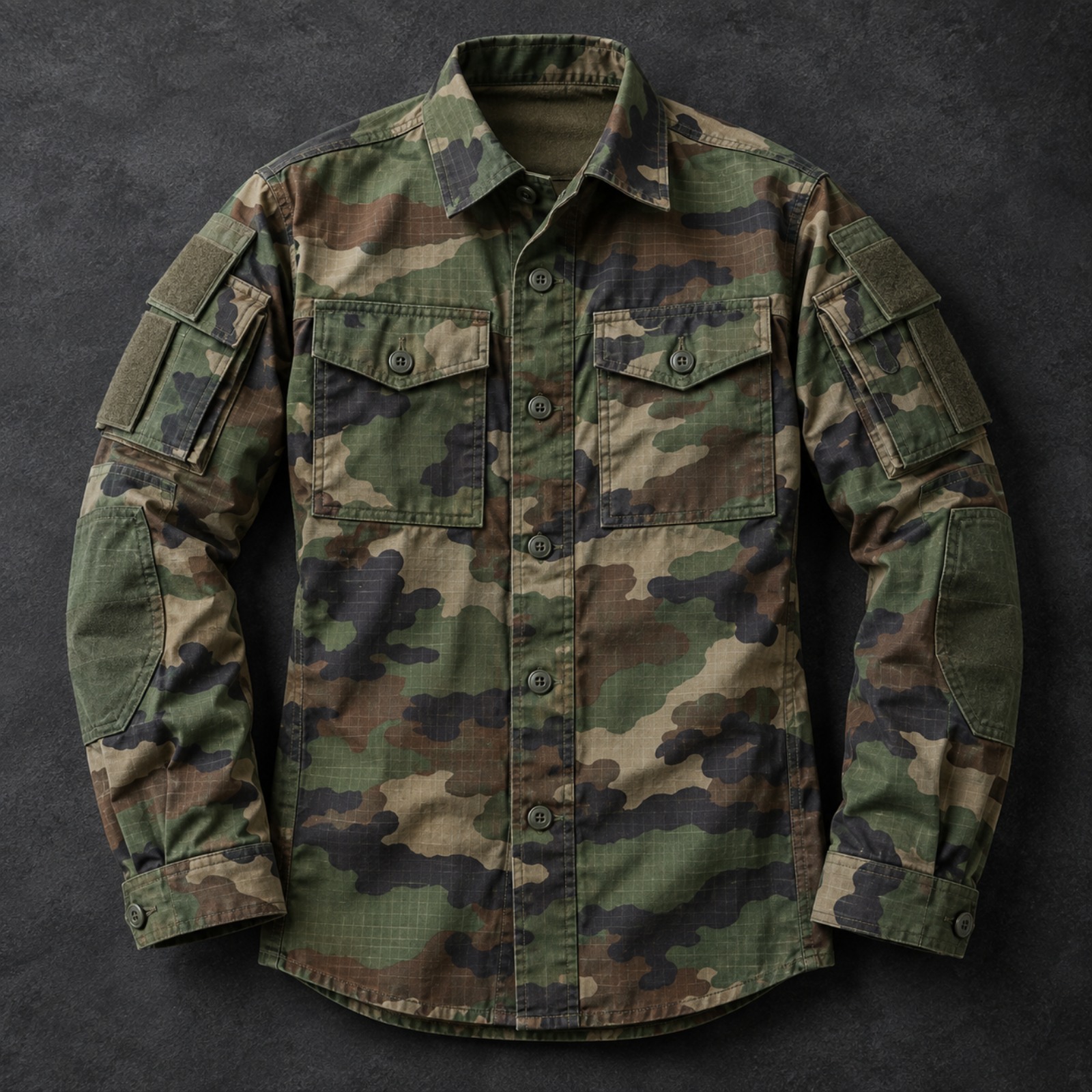
This shirt is specified for programmes where the dominant cost is not the garment, it is the replacement cycle.
Send us your tech pack, reference sample or product idea. We review your requirement, recommend materials and construction, and come back with a development plan you can act on.