Skip to content
TACTICALOEM / ODM TACTICAL APPAREL
ENEnglish

Products / Waterproof Winter Tactical Pants

Waterproof Winter Tactical Pants Manufacturer

Winter pants fail for reasons that have very little to do with the fabric specification on the order sheet. Water and snow enter low on the body: at the leg opening, through the fly and waist, along seams that sit under compression when the wearer kneels or sits, and at the seat where wet ground contact happens. This category is the lower-body shell of a Base / Mid / Insulation / Shell system, and it is a construction problem first. The questions that decide the outcome are how the leg opening seals against the boot, how far up the leg the closure opens so the pant can be put on over footwear, how seams are positioned and treated where the wearer kneels, and how much allowance the pant carries when it is worn over a base layer and an insulated layer. This page covers waterproof winter tactical pants as a distinct category from general tactical trousers and from insulated pants: hem and boot interfaces, seam and knee protection, waist and fly design, and how to document the specification for repeat orders.

custom waterproof winter pantswinter tactical pants OEMsnow shell over-pants supplierwholesale insulated winter pants
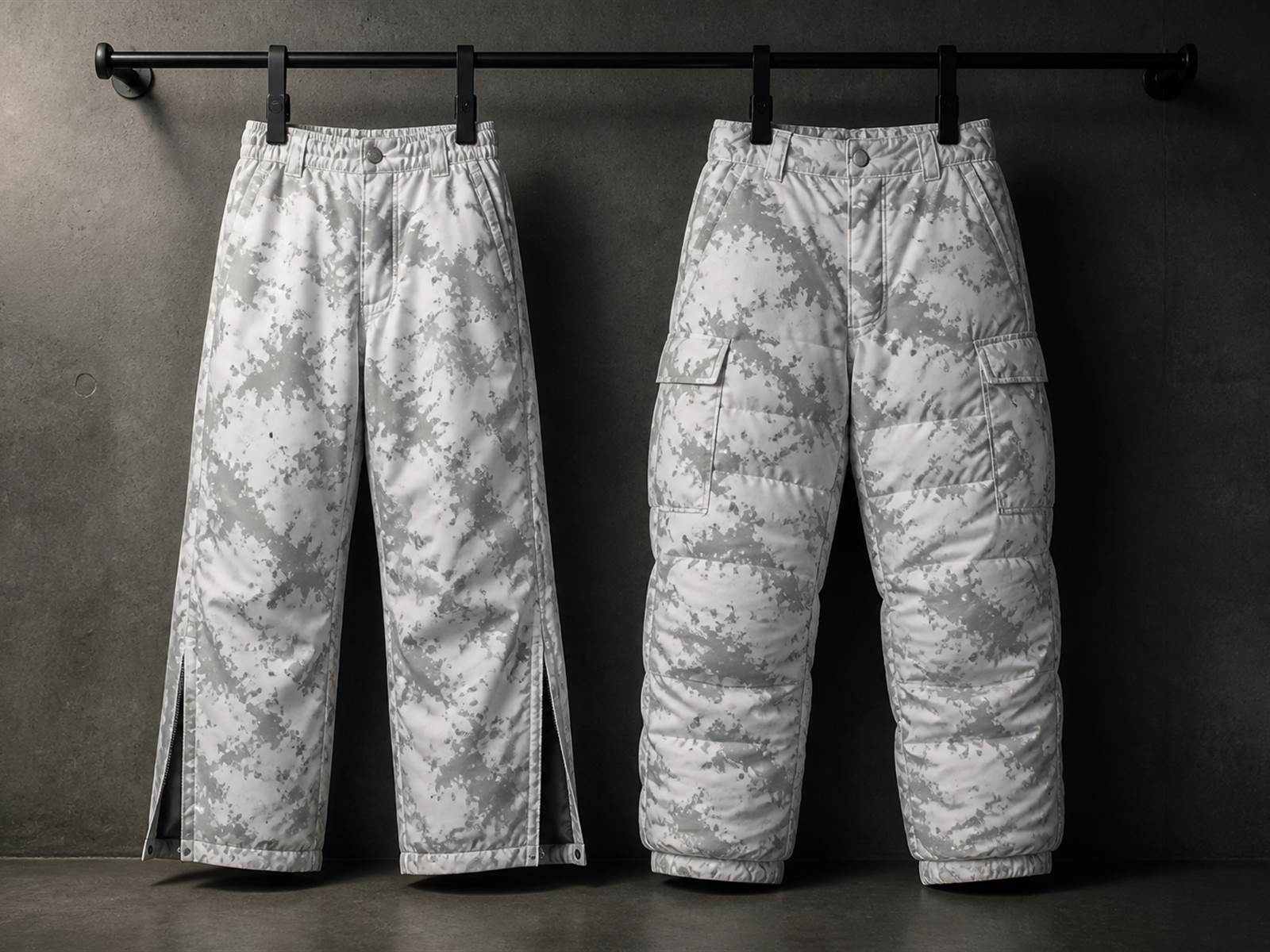
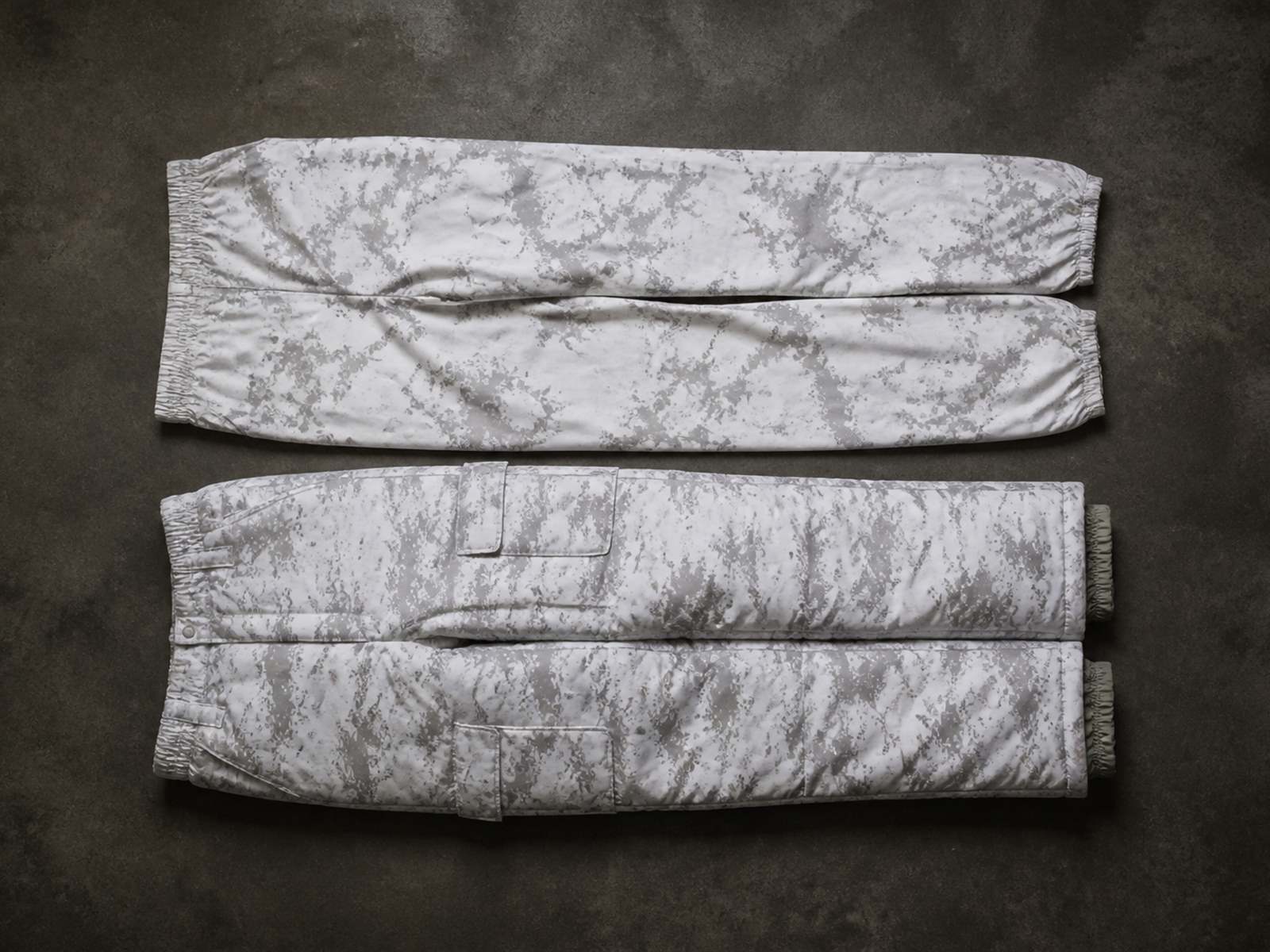
Waterproof winter tactical pants with sealed leg opening, reinforced knees and treated seams for OEM buyers
Primary keyword
waterproof winter tactical pants manufacturer
Climate focus
Wet cold / Snow and sleet · Severe cold / Static and low output work · Severe cold / Bending and kneeling work
Development input
Tech pack · Reference sample · Sketch · Photo
Waterproof Winter Tactical PantsWaterproof Winter Tactical PantsWaterproof Winter Tactical PantsWaterproof Winter Tactical Pants

Buyers

Who buys waterproof winter tactical pants?

Waterproof Winter Tactical Pants is specified by organisations rather than bought as a single garment, so a quotation has to satisfy all 6 buyer profiles listed below.

Tactical Brands

A winter pant that extends an existing trouser range with the same fit language and size set, so customers do not have to learn a second sizing system.

Outdoor & Hunting Brands

Quieter winter pants in muted or camouflage palettes with their own labelling, cut for walking and kneeling rather than for static duty use.

Uniform Distributors & Wholesalers

Winter pants stocked across a full size range, issued alongside trousers and base layers they already hold, and reordered against a documented specification.

Security Companies

Practical winter trousers that look tidy on site, survive frequent laundering, and can be worn over existing uniform trousers without a second fit problem.

Procurement Companies & Importers

Construction evidence — seam treatment, closure protection, hem sealing — because a tender line for winter pants is normally inspected against a specification rather than a sample photo.

Private Label Brands

Their own branding, size coding and packaging on a winter pant built to their specification instead of selected from an existing range.

Types

Waterproof Winter Tactical Pants types

The same category name covers very different garments depending on climate and wear pattern. 3 types of Waterproof Winter Tactical Pants are covered here, and the type is chosen before the fabric.

Wet cold / Snow and sleet

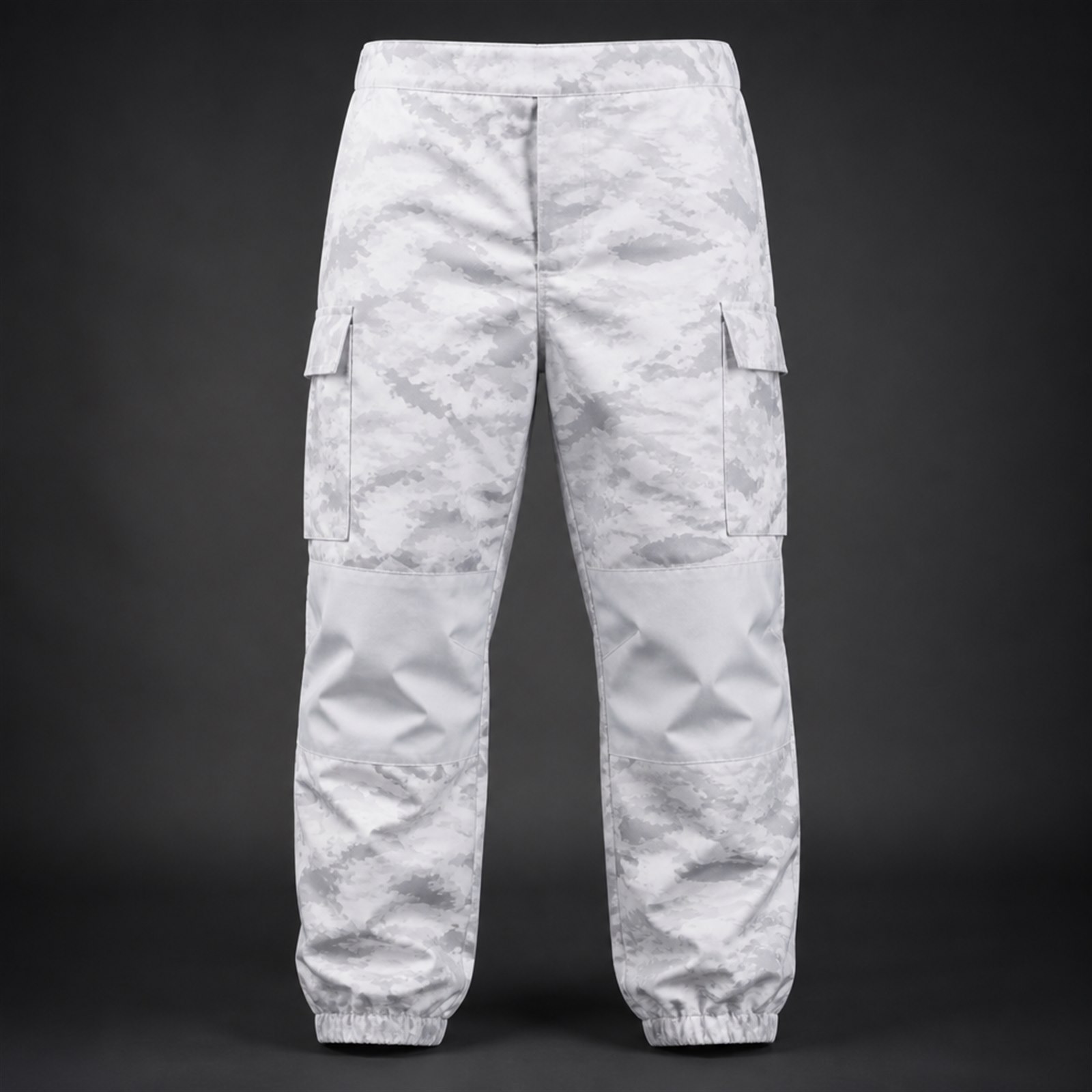
Waterproof Shell Over-Pant

An uninsulated waterproof shell worn over an insulated pant or a base layer. This is the version that gives a programme the widest working range, because the same shell covers different conditions depending on what is worn beneath it. It is specified with a generous layering allowance and usually with a long leg closure so it can be put on without removing footwear. The trade-off is that it does nothing on its own in the cold, and it only works if the layer beneath is properly specified.

  • Waterproof construction with treated seams
  • Full-length or three-quarter side closure for donning over boots
  • Adjustable hem with a snow cuff or gaiter option
  • Articulated knees with reinforced panels
  • Elasticated or adjustable waist with belt loops
  • Sized with allowance for the insulated layer beneath
Severe cold / Static and low output work

Waterproof Insulated Winter Pant

A waterproof shell with light fill quilted into the pattern, for programmes that issue one winter pant rather than a shell and a separate insulated layer. Warmth is mapped so bulk is reduced where knee bend and hip flexion need range. The trade-offs are honest: less versatility than a shell and separate layer, a longer drying time, and less flexibility if conditions or activity levels change during the working day.

  • Waterproof construction with mapped light fill
  • Reinforced knee and seat panels
  • Articulated knees and gusseted crotch
  • Adjustable hem that closes over the boot
  • Insulated waistband and pocket bags
  • Zipped hand pockets protected against precipitation

Severe cold / Bending and kneeling work

Waterproof High-Back Winter Pant

A bib or high-back winter pant that keeps snow and wind out at the waist when the wearer bends, kneels or reaches. It is the right specification for programmes where a jacket and trouser gap is a recurring complaint, because the coverage moves with the wearer rather than relying on the hem of the jacket staying in place. The cost is in donning and doffing, which takes longer and matters for staff who move between indoor and outdoor work repeatedly.

  • High back or bib construction with adjustable braces
  • Waterproof construction with treated seams at the bib and seat
  • Side closure for donning without removing footwear
  • Reinforced knees with an option for a pad interface
  • Adjustable hem with snow cuff
  • Chest or bib pocket with a protected closure

Engineering

Construction, part by part

8 construction decisions define Waterproof Winter Tactical Pants, and each row below is one decision you control at specification stage.

Outer Fabric & Reinforcement

  • Waterproof fabric across the whole garment
  • Waterproof main fabric with heavier reinforcement at knees and seat
  • Water-resistant leg with waterproof knee and seat panels
  • Stretch ripstop reinforcement at knees for articulation

The knees and seat take the abrasion and the compression. Reinforcement here is chosen for the fabric it sits on so the panel and the shell behave together through kneeling and washing.

Seam Construction & Treatment

  • Treated exposed seams
  • Treated seat, knee and inner-leg seams only
  • Untreated seams with a water-resistant construction
  • Seam positions moved away from the knee and seat compression areas

The seat and inner leg seams are under compression and contact for much of the working day, which is why they are the first to let water through. Where a seam can be moved rather than treated, moving it is usually the more durable answer.

Hem & Boot Interface

  • Plain hem with an adjustable tab
  • Elasticated inner snow cuff
  • Separate snow gaiter attached inside the leg
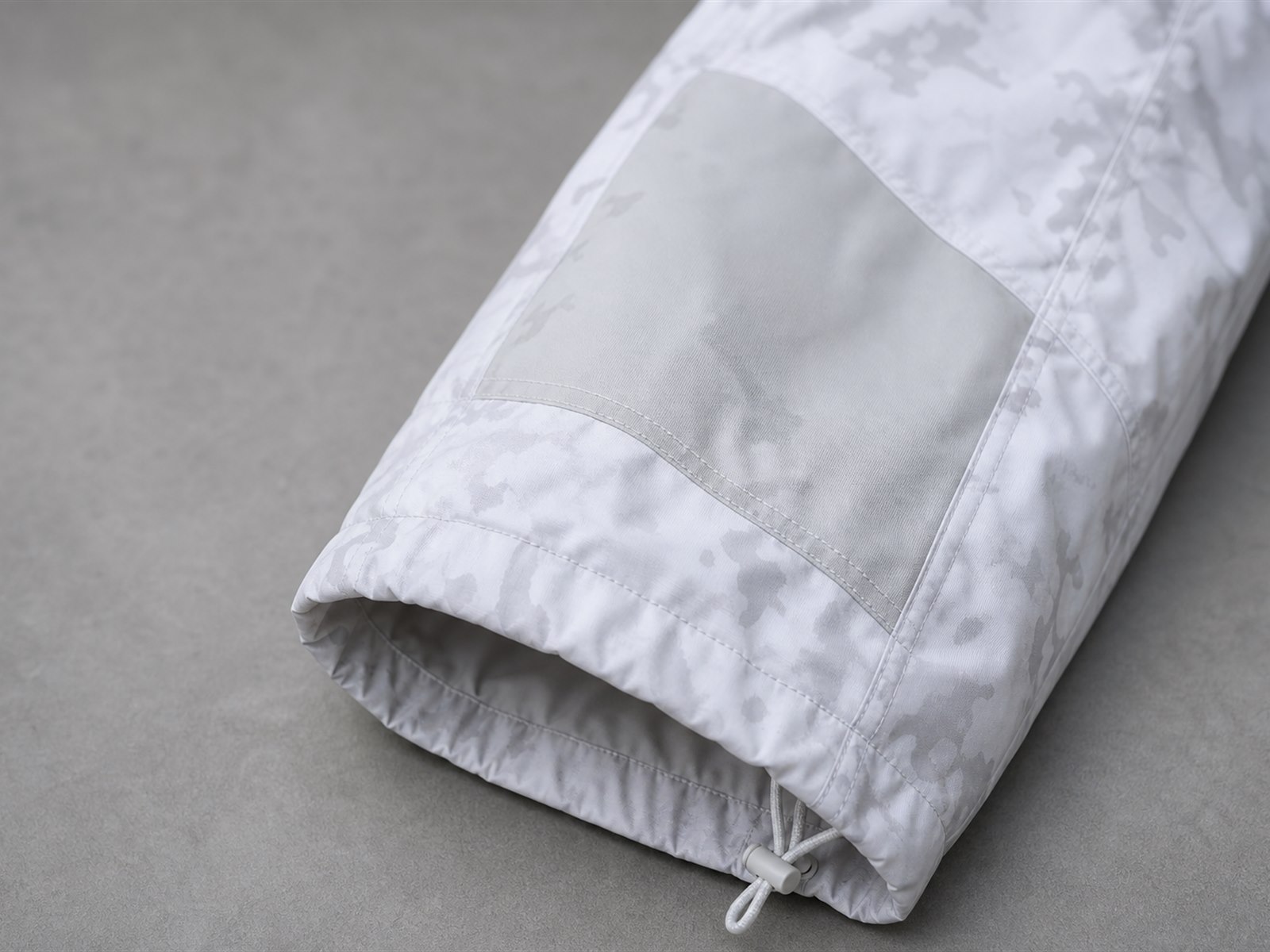
  • Drawcord hem with a lock
  • Hem shaped to sit over the boot shaft

This is the single most important detail on a winter pant. A hem that does not close against the boot lets snow in on every step, and it is specified against the boot height and volume the buyer actually issues.

Leg Closure

  • Full-length side zip with a protective flap
  • Three-quarter side zip
  • Ankle zip only
  • Snap or hook and loop ankle opening with no zip

The leg closure decides whether the pant can be put on over boots and whether it can be vented during movement. Every zip on a winter pant is also a potential entry point for precipitation, so it needs coverage, not just a zip.

Knee Construction

  • Flat knee panel
  • Articulated knee with darts
  • Reinforced knee with an internal pad pocket
  • External knee reinforcement with a pad interface
  • Stretch knee panel for bend without bulk

Kneeling on cold or abrasive ground is the wear pattern that kills this garment. Articulation plus reinforcement is a different specification from a thicker patch, and the buyer should decide whether pads are used before pattern development.

Waist, Fly & Waistband

  • Zip fly with a storm flap
  • Zip fly with an external flap and snap
  • Elasticated side waist inserts
  • Waistband with belt loops sized to the issued belt
  • Brace or suspender attachment points
  • Insulated waistband

The fly is a small opening that leaks disproportionately. It is treated like the front closure of a shell: protected by a flap rather than relying on the zip.

Pockets

  • Zipped hand pockets with a covered opening
  • Cargo pockets with a flap and storm protection
  • Rear pockets with flap closure
  • Bib or chest pocket on high-back construction
  • Knife or tool pocket
  • No pockets (minimal leak points)

Pockets on a winter pant have to remain usable with gloves and stay clear of the pad or reinforcement zone at the knee. Pocket placement is a specification decision, not a standard feature set.

Attachment & Interface

  • Jacket-to-pant interface loop
  • Snow skirt interface with the shell jacket
  • Removable braces with adjustable length
  • Reinforced belt loops and equipment attachment
  • D-ring or equipment attachment points

Where a programme issues a shell jacket and a winter pant from different suppliers, the waist interface is usually where the gap appears. If both garments are ours, the interface is designed once and documented.

Available fabrics

Material options by garment area

Main Shell

Waterproof fabricWater resistant fabricWind resistant fabric

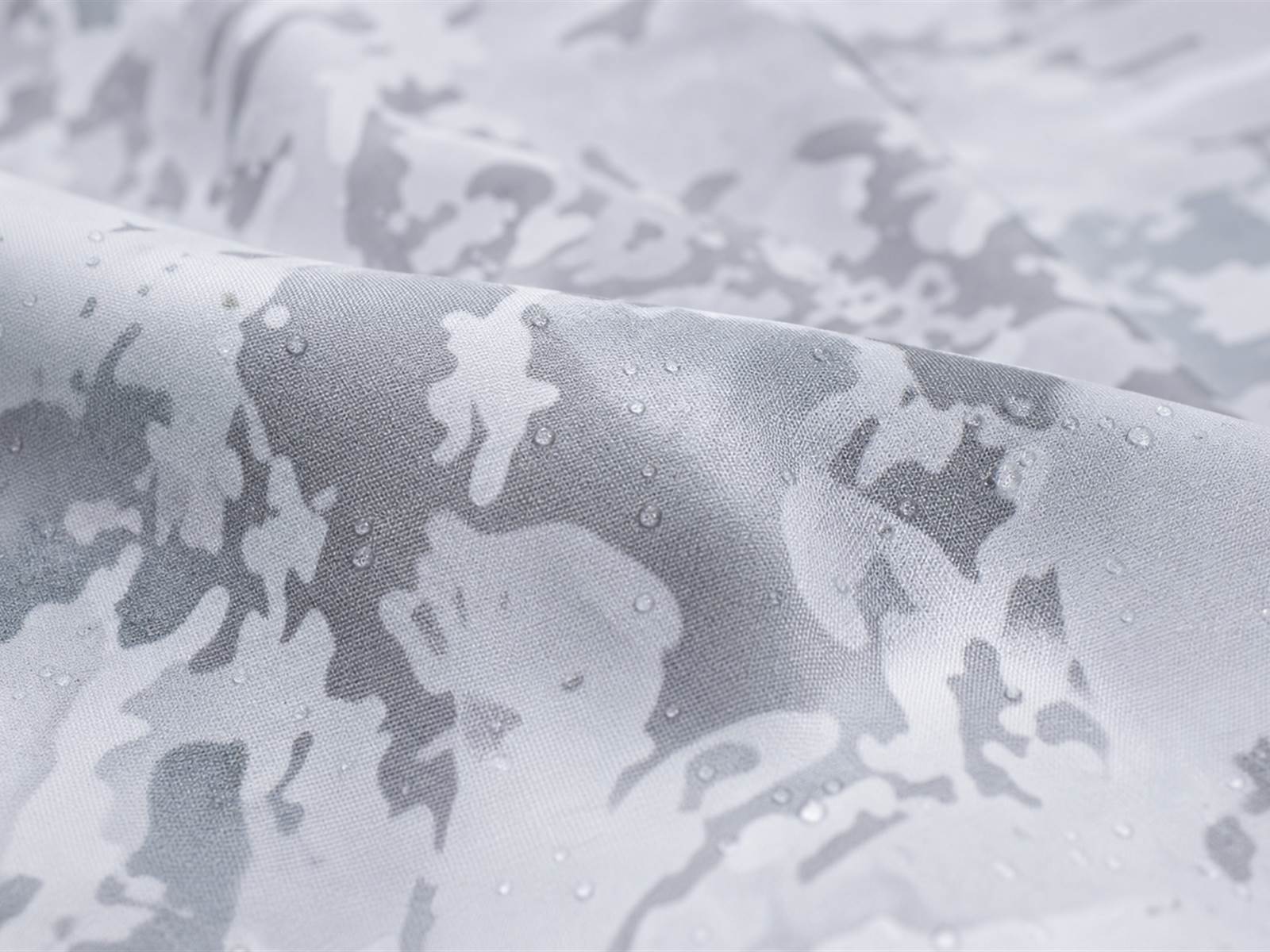
For wet snow, sleet and freezing rain, waterproof construction with treated seams is the appropriate specification. A water-resistant pant is only the right answer where the precipitation the programme sees is dry snow and the requirement is wind and abrasion protection.

Reinforcement

Waterproof fabric at the knee and seatStretch ripstop at the kneeMechanical stretch fabric for articulated zonesAbrasion-facing reinforcement at inner leg and hem

Reinforcement is specified against reported wear points rather than applied uniformly, because a heavier panel everywhere costs movement and drying speed without adding durability where it is needed.

Insulation & Lining

Cold weather insulation materialFleece lining at the seat and kneesPlain mesh or taffeta liningNo lining (shell over-pant builds)

How fill is quilted or held in place matters as much as which fill is used, because it decides whether warmth stays distributed across the panels that will be compressed when the wearer kneels or sits.

Trims & Closures

Water-resistant zips at exposed closuresSnow cuff elastic matched to boot volumeCord locks and toggles usable with glovesHook and loop matched in colour across the fabric setSeam treatment matched to the construction

On winter pants the trims are the failure point: a cord lock that freezes, a cuff elastic that relaxes after a season, or a sealant that lifts at a flexed seam.

Customization

What can be customized

15 specification lines are available for Waterproof Winter Tactical Pants, and where an option changes cost, weight or durability the consequence is stated next to it.

Fabric

Waterproof constructionWater-resistant constructionWind-resistant constructionBuyer-specified composition

Construction Type

Shell over-pantInsulated winter pantHigh-back or bib pant

Colour

Solid colourwaysBuyer Pantone targetsBuyer lab dip approvalColour matching across the layering set

Camouflage

Buyer artworkWoodland styleDigital styleWinter or seasonal patternNone (solid duty colourways)

Leg Closure

Full-length side zipThree-quarter zipAnkle zipNo zip, adjustable ankle tab

Hem & Snow Cuff

Elasticated inner cuffAttached gaiterDrawcord hemAdjustable hem tab

Knee

Reinforced panelArticulated with dartsInternal pad pocketExternal pad interfaceNone

Seat

Reinforced seat panelPlain seat with treated seamsLined seat

Waist

Zip fly with storm flapElasticated side insertsBelt loopsBrace attachmentInsulated waistband

Pockets

HandCargoRearBib or chestKnife or toolNone

Insulation

None (shell over-pant)Light mapped fillFleece-lined seat and knees

Interface

Jacket-to-pant loopSnow skirt interfaceRemovable bracesEquipment attachment points

Insignia

Embroidery positionHeat transferHook and loop panelNone

Logo & Label

Woven labelPrinted labelRubber patchMain, size, care and origin labels

Packaging

Poly bagPrinted poly bagHangtagHeader cardCustom box

Sizing

Size development

Winter pant sizing has to account for three things that do not appear on a trouser chart: the layers worn underneath, the range of movement the wearer needs at the hip and knee, and the boot the hem must close over. We start from the buyer's target size range, their existing trouser chart or uniform sizing standard, and the measurements of the layers the pant will be worn over. Waist, hip, thigh, inseam, knee position, leg opening and back rise are then confirmed across the range on a size set rather than only in the middle size. Inseam and knee position are the measurements most often wrong, because a knee reinforcement that sits above or below the actual knee creates a wear problem the buyer sees immediately in service. Where the pant is a shell over an insulated layer, the size set is assessed over that layer wherever the buyer can supply it, and tolerances are agreed in writing before bulk.

How size development works

Branding

Private label

Private label covers what the end user sees on the finished pant. Main label, size label, care label and country of origin label are produced to the buyer's artwork and content, including any care instruction the construction genuinely requires. Branding is applied as woven label, printed label, rubber patch, embroidery or heat transfer, and insignia or name panels are placed at positions agreed with the buyer. Winter programmes often also need size identification that survives storage and issue, which we produce to the buyer's coding. Packaging ranges from a plain poly bag to a printed poly bag with hangtag, header card and custom box. All labelling and packaging is confirmed on the pre-production sample.

Customization capability

Development

Sampling process

Sampling for Waterproof Winter Tactical Pants runs in 7 stages, each one removing a specific risk before the next stage commits cost.

01

Requirement review

We review the tech pack, reference sample or photo and list the open points — construction type, layers worn beneath, boot height and volume, pad requirement, leg closure preference and labelling — before material is cut.

02

Fabric and seam strategy

Main shell, reinforcement and seam treatment are proposed against the buyer's environment, with the trade-off between water protection and breathability stated rather than assumed.

03

Interface confirmation

Hem and boot interface, waist interface with the jacket, and the pad or knee arrangement are confirmed against what the buyer issues before pattern development.

04

Pattern and articulation

The pattern is developed to the buyer's reference with the articulation, gusseting and layering allowance the specification requires.

05

Prototype

A first sample is produced so the buyer can assess fit over the layers beneath, knee placement, hem sealing and how the pant behaves when kneeling and squatting.

06

Revision round

Buyer comments are consolidated into a single revision round so the specification converges instead of drifting across multiple samples.

07

Size set and pre-production sample

The full size range is produced for measurement confirmation across the range, and the approved construction, materials, trims and labelling are locked in a pre-production sample that becomes the bulk standard.

Production

Bulk manufacturing

Bulk production of Waterproof Winter Tactical Pants runs in 7 stages, which is where an approved specification is either held or lost.

01

Fabric and trim approval

Shell fabric, reinforcement panels, zips, sealant, cuff elastic, cord locks, thread and labels are approved against the pre-production standard before cutting.

02

Bulk cutting

Cutting follows the approved pattern, with markers arranged so shade and direction-sensitive face fabrics are consistent between legs of the same garment.

03

Panel preparation and seam treatment

Seam treatment, reinforcement attachment and any printed or embroidered components are completed and inspected before assembly, because a treated flexed seam cannot be assessed once the garment is closed.

04

Assembly

Line assembly follows the approved sequence, with knee articulation, seat reinforcement, leg closure protection and hem construction placed as specified.

05

Inline quality control

Work in progress is inspected during assembly so faults in seam treatment, knee placement or leg closure are corrected on the line rather than after packing.

06

Finishing

Thread trimming, zip and adjuster function checks, cord lock and cuff elastic checks, and pressing are completed before final inspection.

07

Final inspection and packing

Measurement, construction and packing inspection are completed against the agreed inspection standard and documented before shipment.

Quality Control

Quality control for this category

Inspection of Waterproof Winter Tactical Pants is measured against an agreed standard, and the 7 checks below are listed with what each one is measured against.

01

Incoming fabric inspection

Shell and reinforcement fabrics are checked for weight, width, shade, surface condition and defects on receipt, before they enter production.

02

Seam treatment verification

Seam treatment is verified at the positions specified, including the flexed and compressed seams at the knee, seat and inner leg where failure shows first.

03

Pre-production approval

The pre-production sample is approved by the buyer and becomes the reference standard for the order.

04

Inline inspection

Work in progress is inspected at defined points during assembly, including knee placement relative to the size of the leg and leg closure protection.

05

Measurement inspection

Waist, hip, thigh, inseam, knee position, leg opening and back rise are measured against the approved size set with the agreed tolerances.

06

Construction and hardware inspection

Stitching, zip function, hem and snow cuff, waistband and fly protection, and insignia placement are checked against the approved sample.

07

Final and packing inspection

Finished goods are inspected before packing, and labels, folding, poly bagging and carton marking are checked against the packing instruction.

Choosing a Waterproof Winter Tactical Pants manufacturer

How to choose a waterproof winter tactical pants manufacturer

The 6 questions buyers ask about Waterproof Winter Tactical Pants before committing to a first order.

Decide whether you are buying a shell or a single winter pant

A waterproof shell with a separate insulated layer beneath gives a programme more range and lets either part be replaced on its own. A single insulated waterproof pant is simpler to issue and usually cheaper per garment, but it is less flexible and takes longer to dry. Decide this before pattern development, because it changes the layering allowance in every size.

Look at the hem and boot interface first

This is where snow enters. Ask how the hem closes against the boot the buyer issues, whether there is a snow cuff or gaiter, and whether the leg closure lets the pant go on over footwear without removing it. A well-built winter pant with a poor hem interface will still be complained about.

Ask where the seams sit when the wearer kneels

Seams that run across the knee and seat sit under compression all day and are the first to let water through. Ask a supplier to show where the seams are, whether they were moved out of the compression zone, and which positions are treated. Treated seams at the wrong positions do not solve the problem.

Confirm the waist interface with the jacket

A gap at the waist between jacket and pant is one of the most common winter complaints. If both garments are produced by the same supplier, the interface can be designed and documented. If they come from different suppliers, specify the overlap explicitly rather than assuming the hem of the jacket covers it.

Check that knee reinforcement sits where the knee is

Reinforcement and pad pockets are placed relative to the knee, so they must be positioned per size rather than scaled from the middle size. Ask how knee position is graded, and check it on a size set at both ends of the range.

Make the specification reproducible

Seam treatment, cuff elastic and shade are the details that drift between winter orders. Ask what the approved standard consists of, how incoming fabric lots are compared against it, and what happens when a lot does not match.

Products

Waterproof Winter Tactical Pants products

Each product in Waterproof Winter Tactical Pants is a developed specification with its own material options, construction detail and customization map.

Waterproof Winter Tactical Pants

Waterproof Winter Tactical Pants

Winter pants do not fail because the fabric on the order sheet was wrong.

Wet snow, sleet and freezing rain where precipitation reaches the garment from above and belowCold static duties where kneeling, sitting and standing on wet ground drives moisture through the seat and kneesWet cold with intermittent activity, where the wearer sweats inside the pant and still needs the outer surface to shed water
View product

FAQ

Waterproof Winter Tactical Pants FAQ

What temperature are these winter pants suitable for?

We do not state a temperature figure or comfort claim, because how warm a garment feels depends on what is worn underneath, activity level, wind, humidity, exposure time and fit. What we do instead is specify the construction and the layering allowance to the coldest condition your programme expects and document it so it can be reproduced. Any temperature or comfort claim should come from your own field trials with the actual composition.

Should the winter pant be insulated, or should we wear a separate insulated layer under a shell?

A shell with a separate insulated layer beneath gives the widest working range and allows either part to be replaced independently, which suits programmes where conditions and activity levels change through the day. A single insulated pant is simpler to issue and easier to launder as one item. We develop both, and the decision is best made on how the wearer's day and your replacement cycle actually work.

How does the hem close against the boot?

The hem is specified against the boot height and volume you issue, and can be a plain adjustable hem, an elasticated inner snow cuff, or an attached internal gaiter. Getting this interface right matters more than any other single detail on a winter pant, so we need the boot specifications or a sample boot to develop against rather than an assumption.

Can the pants be put on without removing boots?

Yes, if a full-length or three-quarter side closure is specified. Both are available, and both add zips that need protective coverage so they do not become entry points for precipitation. If your staff change in and out of these pants frequently, the side closure is usually worth the additional construction cost.

Do you supply waterproof rating figures for tender documents?

We do not quote water column or rating figures for a construction that has not been tested. Where a tender requires a figure, the correct sequence is to agree the required test method first and have it performed on the actual material and construction you intend to buy, so the number refers to the garment you will receive rather than to a material datasheet.

Can your winter pants be worn over our existing uniform trousers?

Yes, and that is one of the more common requests in this category. Send the measurements or a sample of the trousers they will be worn over, and the layering allowance is built into the size set. Sizing that ignores the layer beneath is the most frequent cause of a winter pant being rejected after delivery.

What do you need to quote a winter pant programme?

Construction type, dominant weather condition, layers worn beneath, boot height and volume, quantity, fabric direction, knee and pad requirements, waist and closure preference, size range, insignia, labelling and packaging, and the target market. A reference sample or tech pack shortens development considerably. Where a figure such as MOQ or lead time has not been confirmed with you, we will state that explicitly rather than quote a number we cannot hold.

Request a Manufacturing Assessment

Send us your tech pack, reference sample or product idea. We review your requirement, recommend materials and construction, and come back with a development plan you can act on.