Field Lab
Waterproof Test
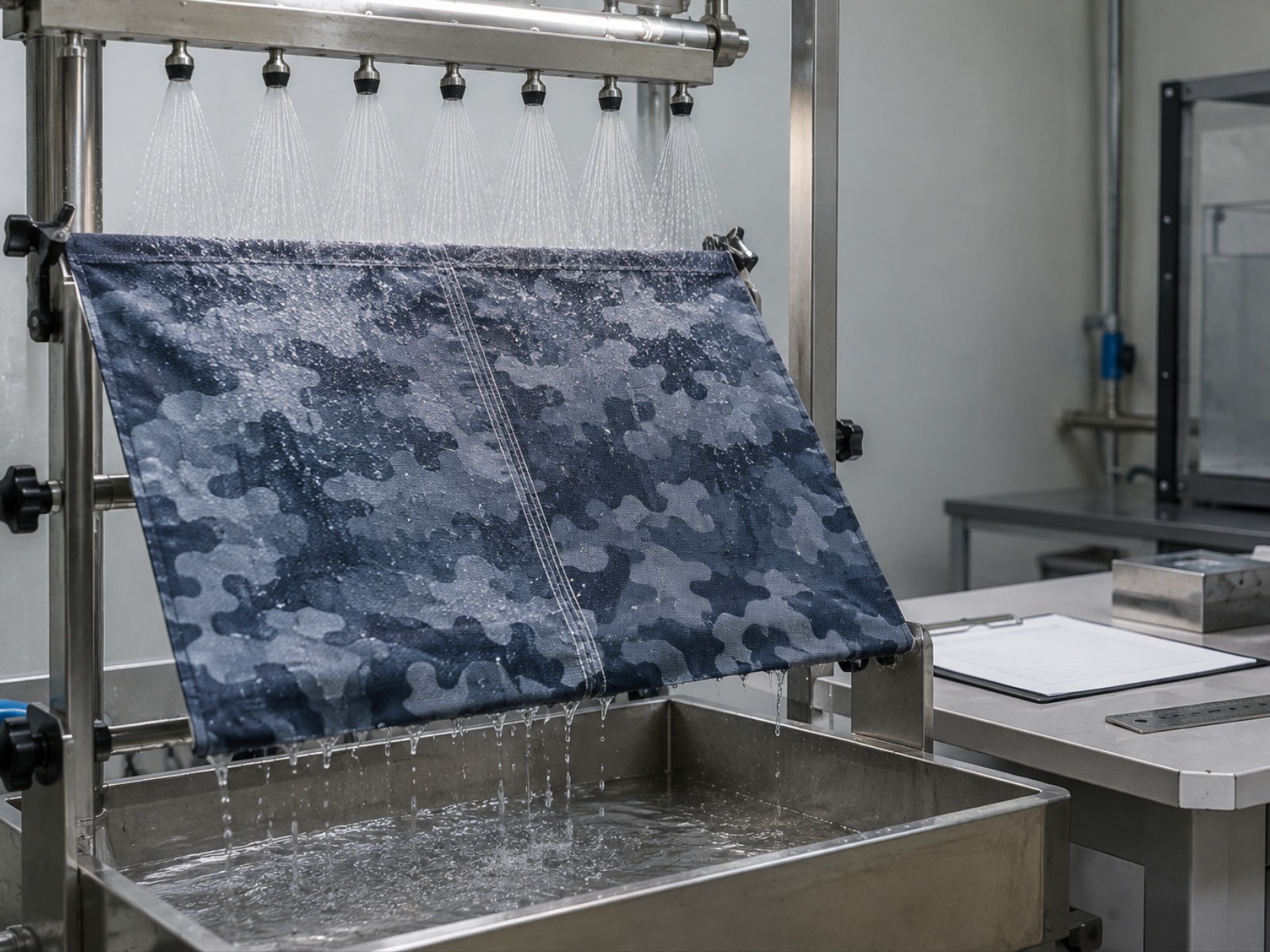
This Field Lab page is the test position for waterproof construction, and it is deliberately separate from the water repellency test. Water repellency is a surface property: how a fabric sheds a splash before it wets out. This page is about the whole construction: whether water can pass through the fabric, through the seams, through the closures and through the openings of a finished cold weather shell. A garment can carry an excellent surface finish and still leak at a shoulder seam under load, which is why the two questions are tested and reported separately. No test has been completed, so method, observations and result are awaiting test data. The test method is not fixed and will have to be confirmed with the laboratory, including where the specimen is taken and how the perimeter is sealed. Thermal imaging cannot be treated as formal certification of insulation performance and it is not a water penetration test either; heat patterns do not tell you whether water can pass a seam.
- Status
- Awaiting test data
- Materials compared
- 4
Gallery
Test bench
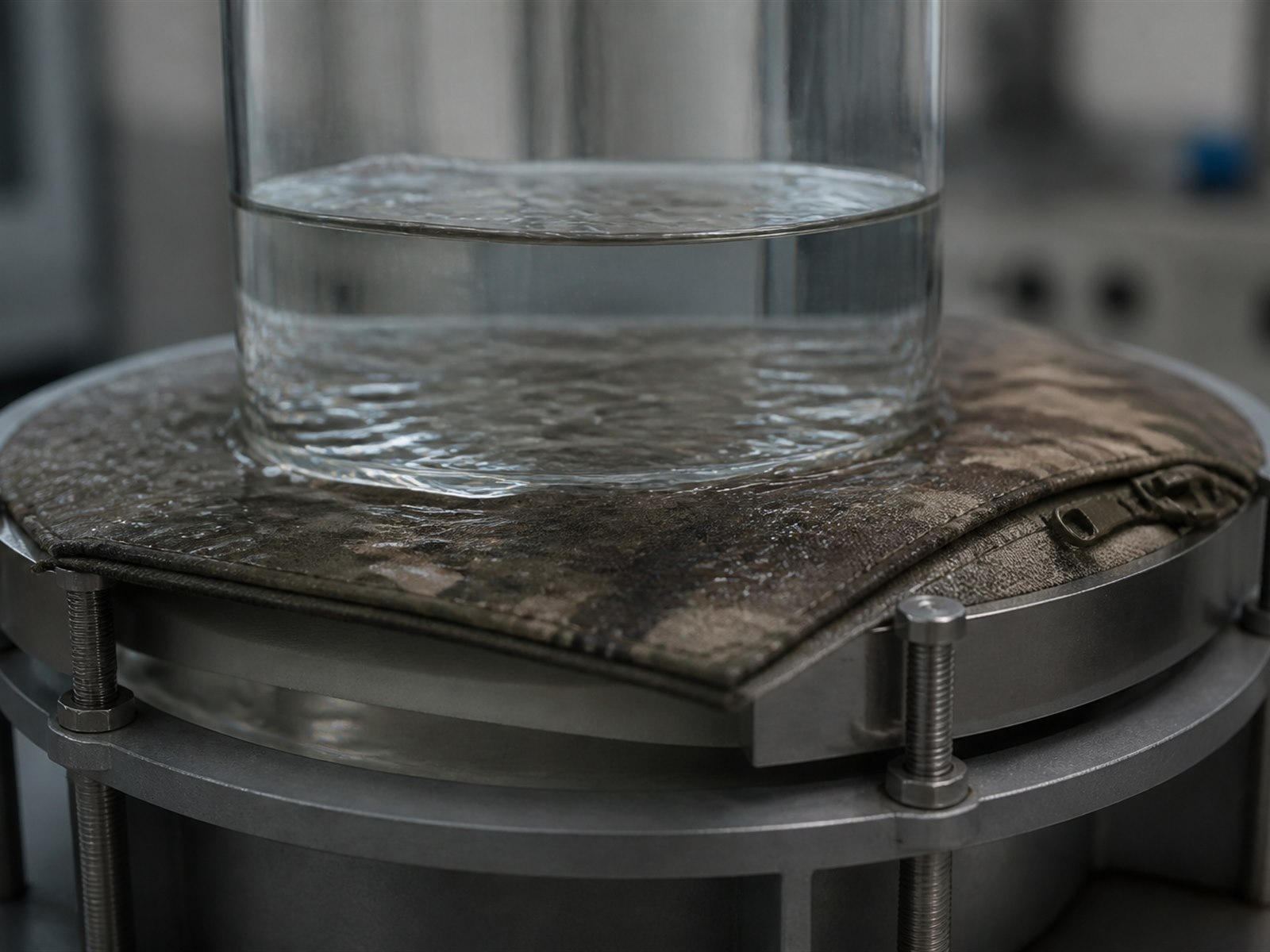
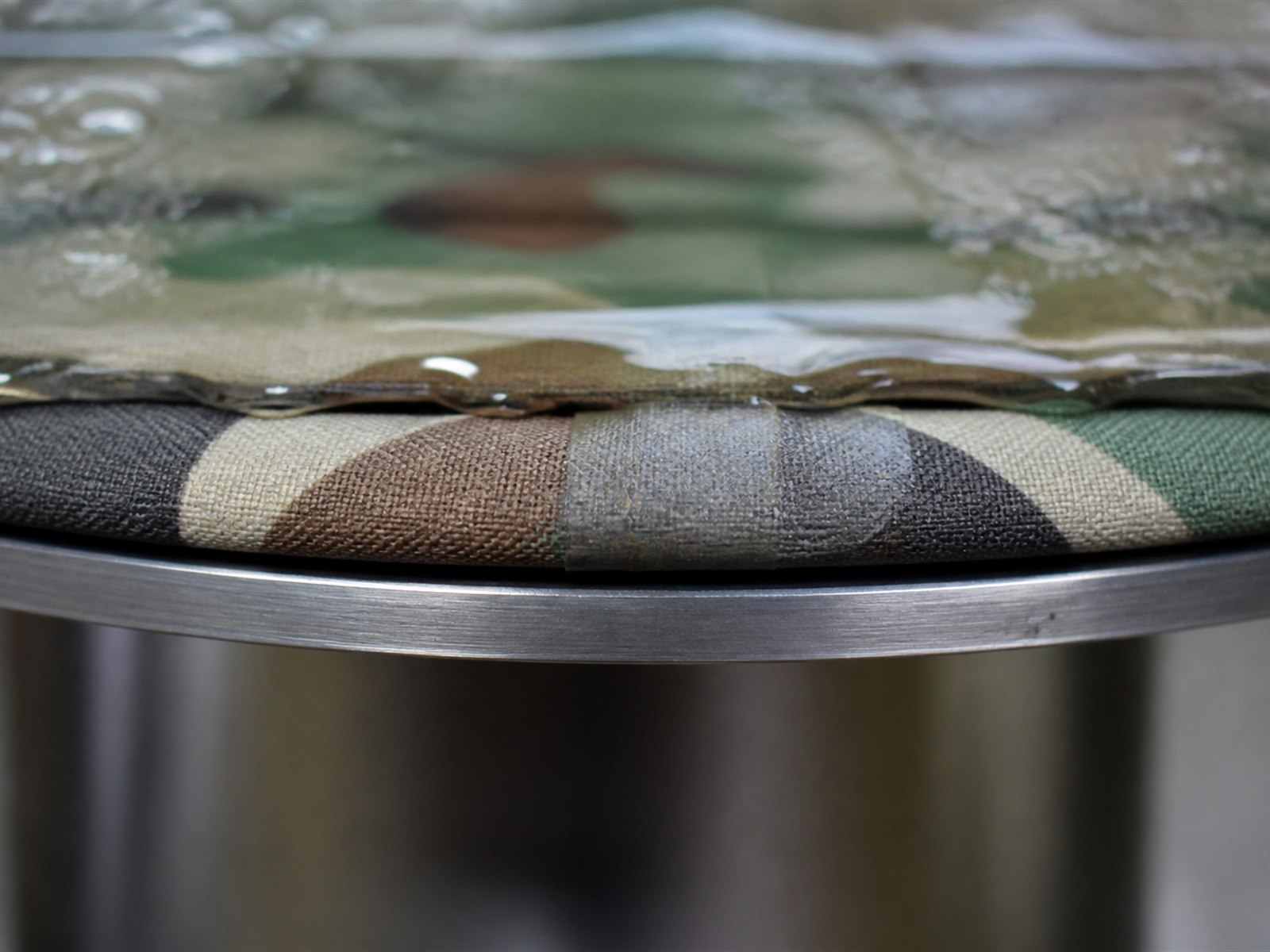
Status: AWAITING TEST DATA — Waterproof Test has not yet been run on real material. Method, observations and result will be published once the test has been completed and the output recorded.
Question
What are we testing?
Whether water passes through the construction we supply: the fabric itself, the seam assembly, the closure area and the openings, tested as separate questions under one method rather than merged into a single claim. Test method: to be confirmed with the laboratory before testing, and applied identically to every specimen. Conditions required for a comparison to mean anything: the fabric and membrane specification as quoted; the seam type, thread, stitch density and whether the seam is taped, sealed or left plain; the sample size and where it is taken from the garment, since a shoulder seam and a side seam are not the same problem; how the specimen perimeter is sealed so that water cannot bypass the construction being tested; the pressure the specimen is held at and how long it is held; the ambient conditions; and the number of specimens per construction. We do not publish water column or waterproof grade figures; where a buyer's tender requires one, the sequence is to agree the method first and have the result produced on the actual construction.
Relevance
Why does it matter?
In a cold weather programme, water inside a garment is not an inconvenience. Water reaching insulation displaces the air that was providing warmth, adds weight, and stays there because the wearer cannot dry the garment. Almost every field report of a leaking cold weather shell traces back to a construction decision rather than to a fabric decision: an untaped shoulder seam, a front closure without a storm flap, a pocket opening without coverage, a cuff that does not seal over the glove. Each of those is a specification line with a cost attached, and each of them is invisible in a fabric datasheet. Testing constructions separately is what allows a buyer to decide where the cost actually buys protection and where it does not.
Materials
Materials in this test
Material
Waterproof Fabric
Waterproof fabric prevents liquid water from passing through under pressure, and it only works as a system: the fabric carries a membrane or coating, and every seam and closure has to be sealed as well.
Material
Water Resistant Fabric
Water resistant fabric sheds light rain and keeps a garment usable in changeable conditions, but it is not waterproof.
Material
Softshell Fabric
Softshell is a fabric system rather than a single cloth.
Material
Wind Resistant Fabric
Wind resistant fabric reduces the air movement that strips warmth away from the body.
Method & result
Method, observations and result
Waterproof Test is published only when the underlying work has been carried out, so an empty field means the test has not yet produced that value.
Testing method
Awaiting test data — to be published when the test is complete.
Observations
Awaiting test data — to be published when the test is complete.
Result
Awaiting test data — to be published when the test is complete.
Limitations
What this test cannot tell you
Limitations: a bench specimen is not a worn garment. Water enters real garments at flex points, under shoulder strap load, at the base of a zip that is used with gloves, and where snow collects in a hem or cuff, none of which a static specimen reproduces. The test also cannot capture the effect of time: coatings, membranes and seam tapes change with laundering, abrasion, folding and storage, so a result obtained on new material says nothing about the third season of service. Nor does a water penetration result describe breathability, and specifying one without the other is how a shell becomes wet from the inside. What this page will never provide is a comfort or warmth conclusion. Any statement about how a system performs in the cold has to come from the buyer's own field trials in their own conditions. Third-party laboratory position: whether the testing is performed in house or by an independent laboratory has not yet been decided; an independent result requires an accredited laboratory and a report naming the method, the specimen and the conditions.
Related
Related content
Related Materials
Related Applications
Related Capabilities
Related Categories
Request a sample to evaluate yourself
Send the product type and the application. We will propose the material options for that application and state the trade-offs, so the comparison you run is against the right candidates.