Extreme Cold Weather Parkas
Expedition Parka
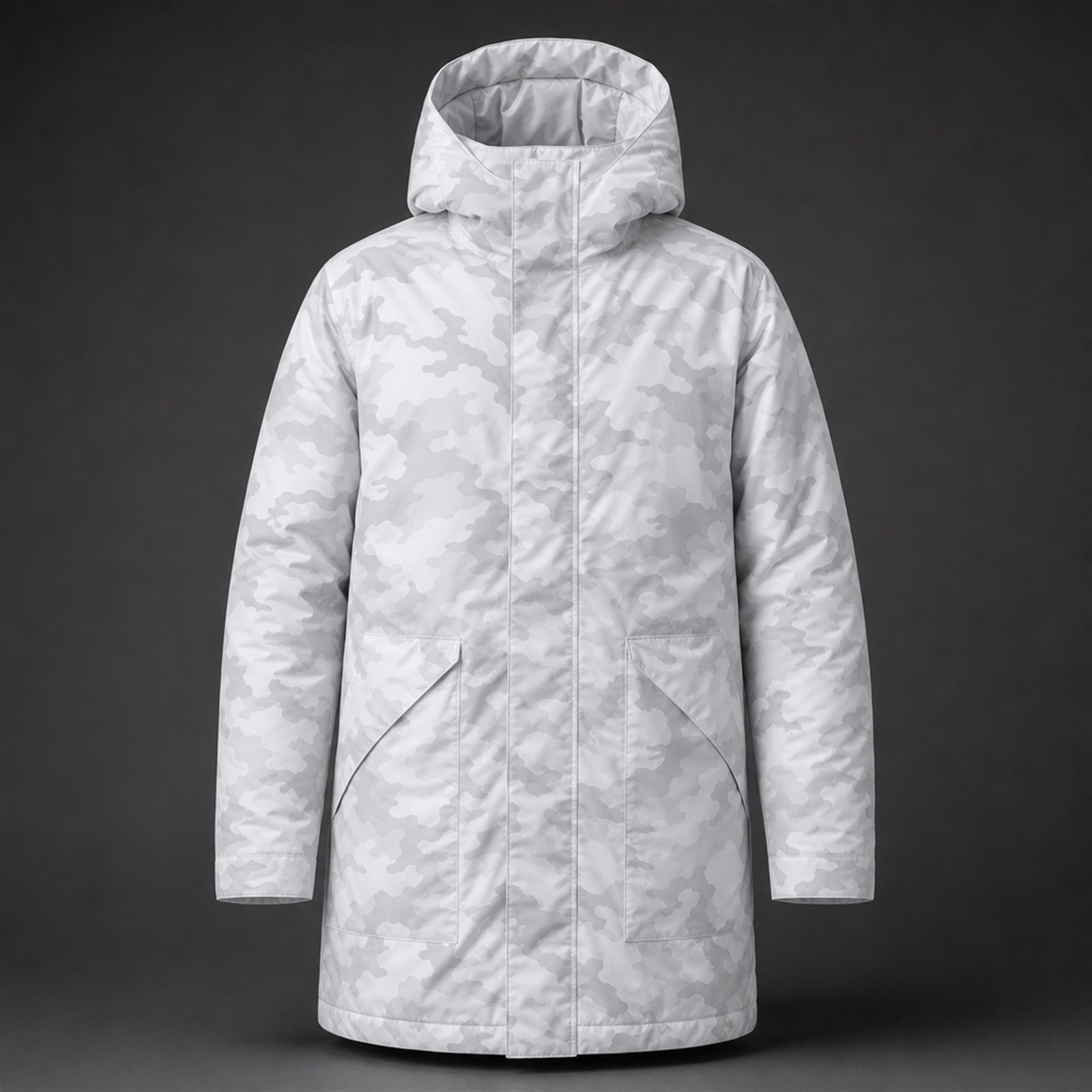
A parka for extreme cold is a system, not a garment with more filling.
Products / Thermal Base Layers
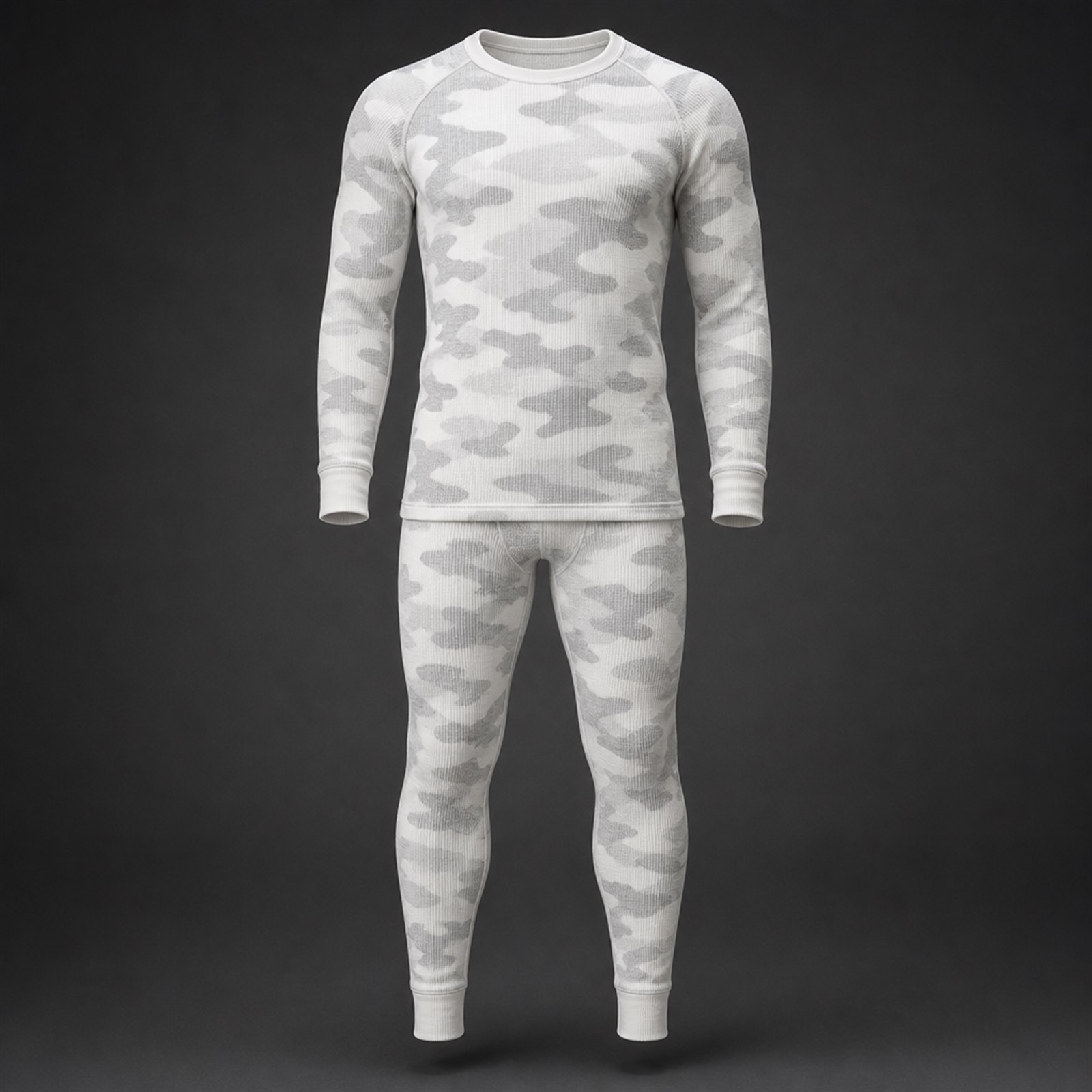
A base layer is the cheapest garment in a layering system and the one that decides whether the rest of it works. It has to fit close without restricting movement, move moisture away instead of holding it, and survive industrial washing without going slack, pilling or bleeding colour into the rest of the load. This page is the buying side of those four problems: which knit and seam decisions matter, why a base layer is sold as a set rather than two garments, and what to check on every production run afterwards.

Design purpose
Build a close-fitting top and trouser set on the buyer's size range that keeps its fit, its colour and its surface through repeated industrial washing, with the knit, seam and fit specified before sampling rather than corrected after the first complaint.
Applications
Interactive map
Thermal Base Layer Set: select a marker to see what can be specified at that part of the garment — all 10 mapped areas are also listed in full below the map, so nothing is hidden behind an interaction.
Customization by garment part
Select a marker to see the customization options available at that part of the garment. Every option below is a manufacturing decision you control.
Materials
4 material options for Thermal Base Layer Set, specified per garment area — a single fabric cannot serve heat management and abrasion resistance at the same time.
Knit construction
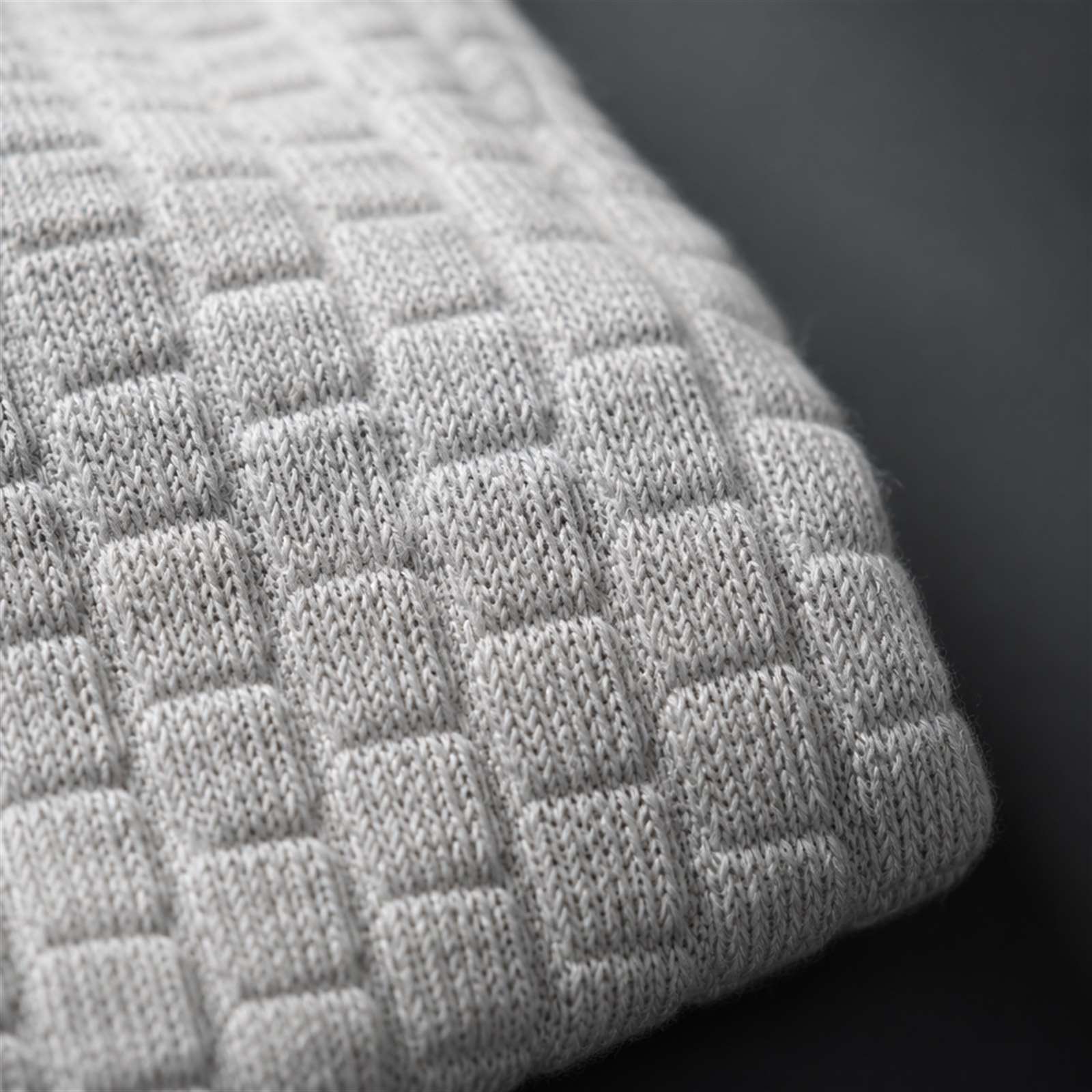
The knit decides both warmth and how the garment behaves after washing. Grid fleece moves moisture and stays lofted; interlock layers smoothly and resists pilling; jersey is the light option for hot markets. We ask which layer role it plays before recommending.
Stretch and recovery
Recovery is what keeps a base layer close after fifty washes. Mechanical stretch in the knit is more durable than relying on elastane alone, and we state which one the specification uses so it survives your laundering protocol.
Seams and finishing
A base layer is worn under a pack and a belt, so seam bulk becomes a comfort problem rather than a durability problem. Flatlock throughout is the default for that reason, and seam placement under the shoulder straps is specified deliberately.
Trims and details
These are the details that decide whether the set sells as a technical garment or as generic underwear, and they cost little. Which ones you take depends on whether the set is sold alongside a uniform or on its own.
Construction
How each of the 8 parts of Thermal Base Layer Set is assembled, and why that choice was made.
Fit and pattern
Cut close to the body without restricting movement, with the pattern agreed against the sizing table rather than by eye, because a base layer that fits loose cannot move moisture.
Seam construction
Flatlock seams throughout with the shoulder and side seam placement set away from where pack straps and belts sit, so the set can be worn under load all day.
Top construction
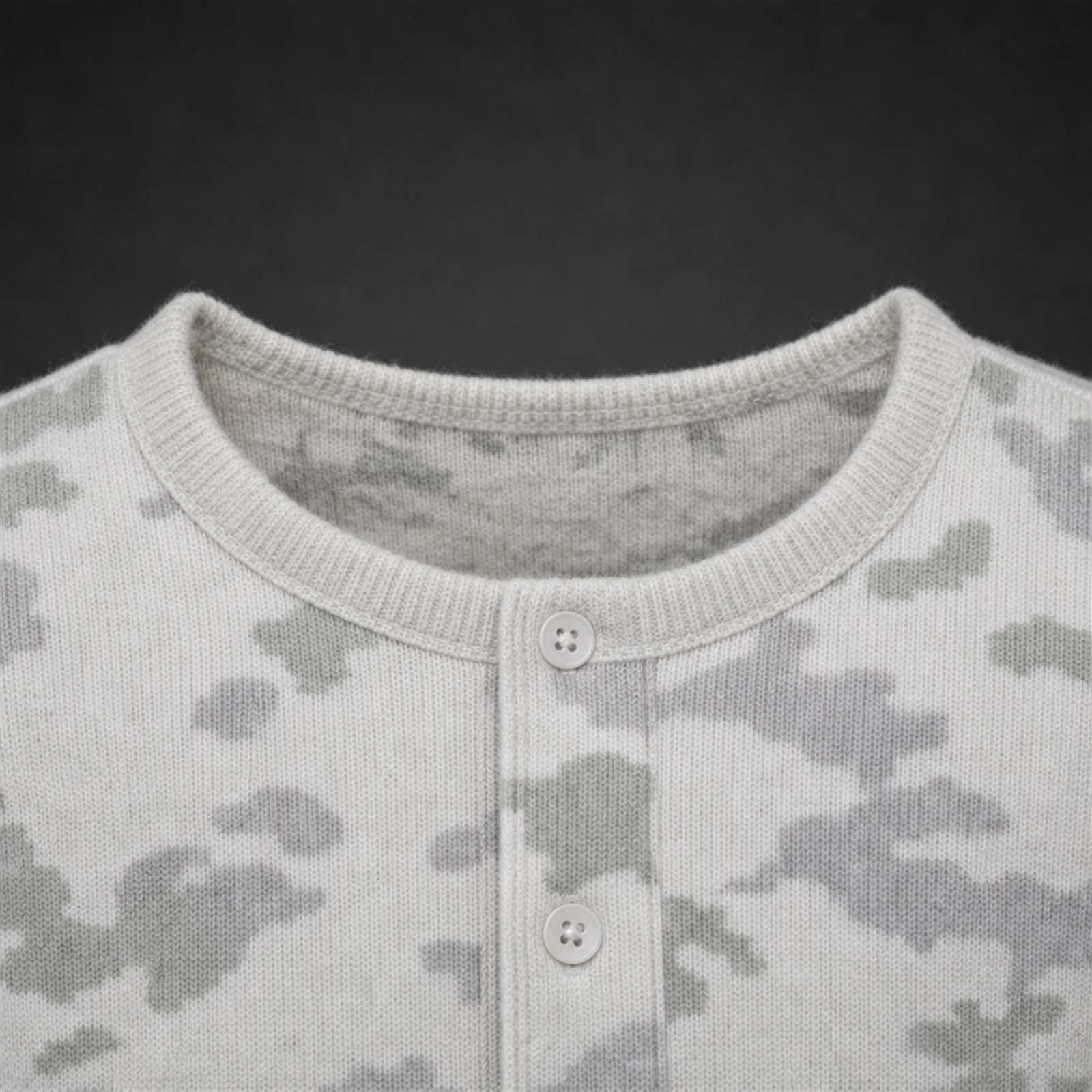
Raglan or set-in sleeve to buyer pattern, with an optional zip collar, thumb loops and a drop-tail hem that stays tucked when the wearer bends.
Trouser construction
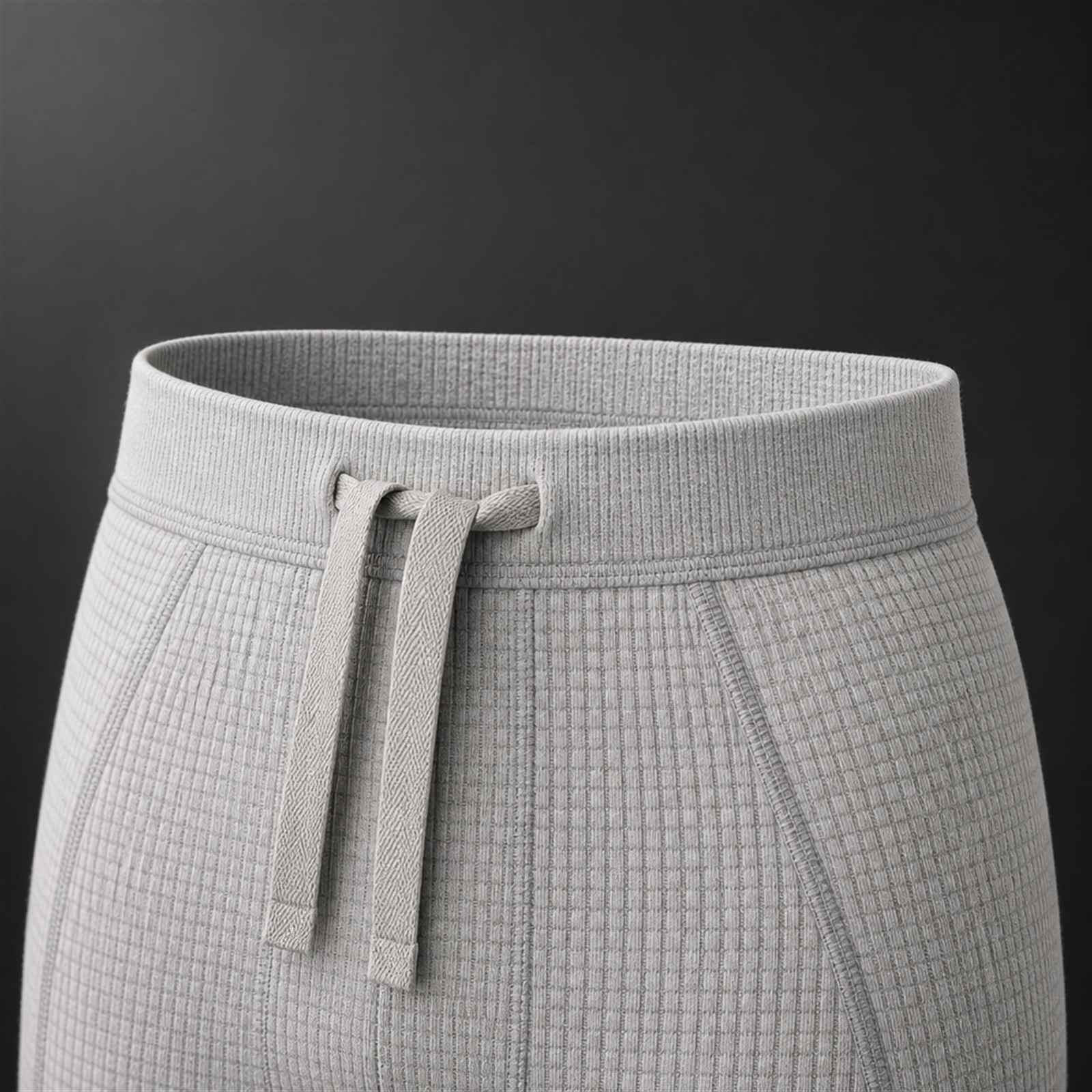
Gusseted crotch, flatlock inseams and an elasticated waistband with a flat drawcord, so the trouser stays in place without a heavy belt.
Panel design
Stretch or rib panels positioned where the body moves, and mesh or lighter panels where heat needs to leave, agreed against the intended layer role.
Colour and knit stability
Fabric lots are checked for colour bleeding and shrinkage before cutting, and the pattern is adjusted to the laundering protocol your market uses.
Set matching
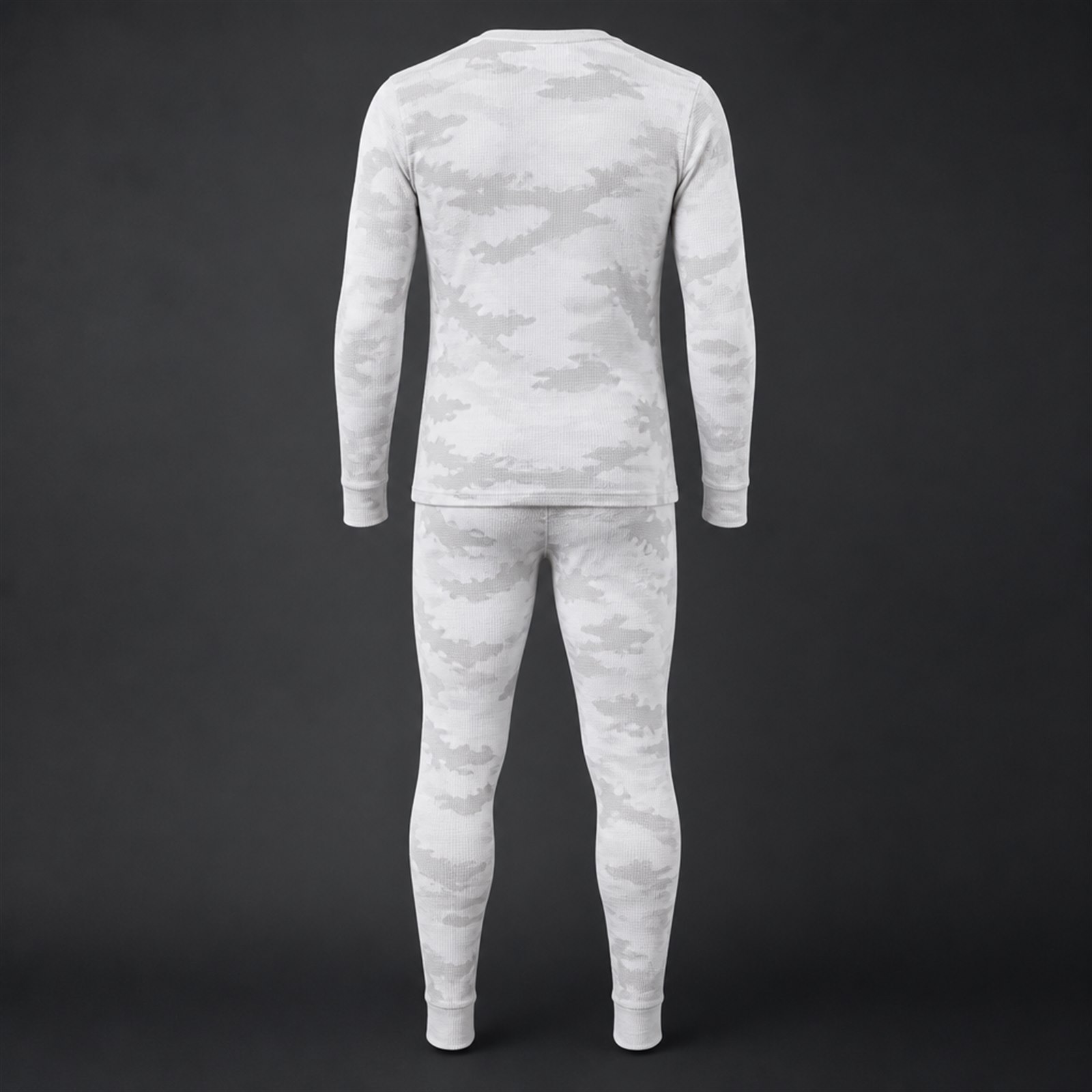
Top and trouser are cut from the same fabric lot and dyed together, so a set does not arrive with a visible shade difference between the two pieces.
Finishing and inspection
Thread ends and measurement checks completed on both pieces, with the set packed as a matched pair rather than as two separate items.
Features
The 6 functional features of Thermal Base Layer Set each exist to solve a specific problem in use, and where a feature is a trade-off rather than a pure gain that is stated.
Recovery, not initial fit, is what keeps a base layer working. The knit and stretch construction are specified so the set still fits close after repeated industrial washing.
Seams are flatlocked and placed away from pack straps and belts, because bulk under load is what turns a technical layer into a discomfort.
Knit construction and panel placement are chosen for the layer role: warmth with moisture movement in cold use, lighter wicking under a uniform shirt in hot markets.
The top stays tucked when the wearer bends and the trouser does not pull at the crotch during movement, which is what users complain about first.
Top and trouser are cut from the same lot and dyed together, with colour bleeding checked before bulk, so a set does not arrive mismatched or bleed into a mixed load.
The approved set is sealed as the golden sample and stays with us; knit weight, measurements and colour are checked against it in every later run with records filed per batch.
Customization
12 customization lines for Thermal Base Layer Set: branding, colour, camouflage and packaging are all part of the specification, and every item is confirmed on the pre-production sample.
Set content
Knit
Collar
Sleeves
Trouser
Seams
Colourways
Size ranges
Branding
Packing
Finish
Options
Colour
Camouflage
Sizing
Base layers are sized for a close fit, which means the size table is agreed rather than assumed: many buyers sell dual ranges that cover a height and weight band instead of a long numeric run, because the fabric does not need the same grading resolution as a jacket. Chest, waist, sleeve and inseam are measured flat on the smallest and largest size of each range before the run is cut, and the pattern is adjusted to the shrinkage your laundering protocol produces.
Branding
Your label, your size table and your packaging. The set can also ship entirely unbranded in a plain poly bag, which is the usual requirement when it is sold as a component of a larger uniform programme.
Logistics
Sample development
Development of Thermal Base Layer Set runs in 7 stages, each risk removed before the next step commits cost.
Specification review
We agree the knit, stretch construction, seam type, set content, size ranges and colour programme in writing before any fabric is cut.
Size table and fit reference
Your sizing table or a physical reference set defines the close fit that the sample will be judged against.
Knit and finish confirmation
Knit structure, weight, recovery behaviour and finish are confirmed against physical swatches together with your shrinkage and colour requirements.
First sample set
One matched top and trouser set built to the agreed specification for fit, seam comfort and construction review.
Fit and wash trial
The set is worn under the outer layer and then washed to your protocol, so fit recovery, pilling and colour bleeding can be judged before approval.
Revision
Knit weight, panel placement, seam type or size table corrected and the set rebuilt where needed.
Sealed golden sample
The approved set is sealed and kept as the reference for every later production run and inspection.
Bulk production
7 stages of bulk production for Thermal Base Layer Set — where the approved specification is either held or lost.
Material receipt and inspection
Knit lot, weight, recovery behaviour, thread, elastic and trims are checked against the sealed sample before cutting.
Cutting
Top and trouser panels cut from the same fabric lot to the confirmed markers, with stretch and panel direction controlled.
Seam assembly
Panels joined with the agreed seam type, position and stitch density, with seam placement set away from the pack and belt contact points.
Collar, cuffs and hem
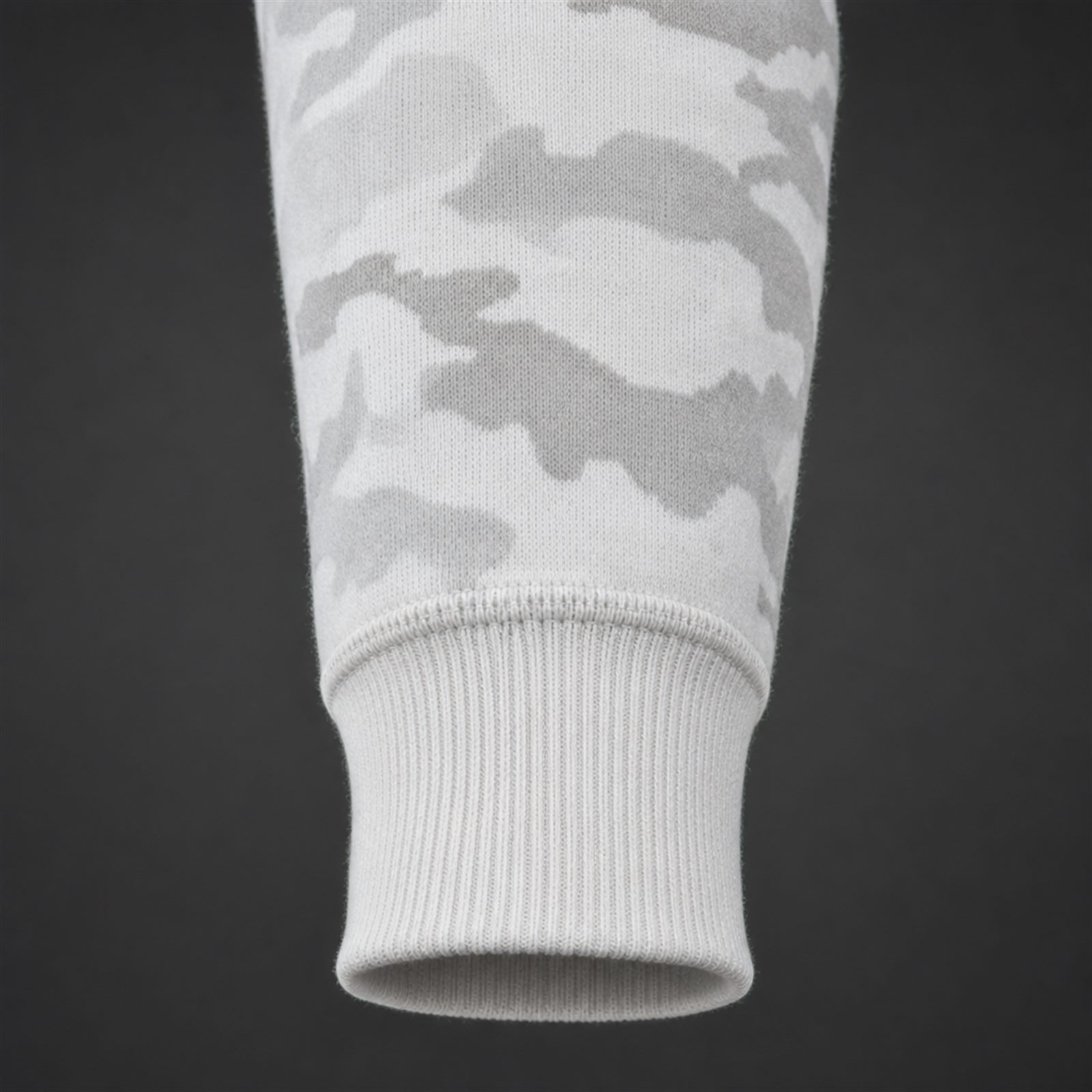
Collar or zip neck, cuffs and hem finished to the agreed dimensions, including thumb loops and drop-tail hem where specified.
Trouser assembly
Trouser waistband, gusset, inseam and cuff assembled to the agreed specification and measured flat.
Finishing
Thread ends, pressing and set matching completed, with the top and trouser packed together as a matched pair.
Packing and count control
Sets packed by size with the run counted against the order, so a shipment never arrives with broken size runs or unmatched colour.
Quality control
The 7 checks applied to Thermal Base Layer Set, each measured against an agreed standard rather than against opinion.
Incoming material check
Knit construction, weight, colour and recovery behaviour recorded against the specification, with the lot number kept for traceability.
In-line inspection
Seam type, stitch density and seam placement checked during assembly, not only at final inspection.
Measurement check
Chest, waist, sleeve and inseam measured flat on sampled pieces against the agreed size table, including stretch recovery.
Seam strength and comfort check
Sampled seams pulled and inspected for bulk and abrasion, because a base layer is worn under load all day.
Wash, shrinkage and colour test
Sampled sets washed to the buyer's protocol and re-measured, with colour bleeding and pilling checked at the same time.
Set matching check
Top and trouser from the same lot compared for shade under standard light before packing, so a set is never assembled across lots.
Final inspection and records
Visual inspection against the sealed golden sample, with results filed per batch so a claim traces to knit lot, operator and date.
Specifications
17 specification rows for Thermal Base Layer Set: only confirmed items are listed, so a row that depends on your programme is omitted rather than filled with an estimate.
| Product type | Thermal base layer top and trouser set |
|---|---|
| Knit | Grid fleece, interlock or single jersey to specification |
| Stretch | Mechanical stretch knit, elastane blend or panel construction |
| Seams | Flatlock throughout, with placement away from pack and belt contact points |
| Top construction | Raglan or set-in sleeve, optional zip collar and thumb loops |
| Trouser construction | Gusseted crotch, elasticated waistband with flat drawcord |
| Collar | Crew, quarter zip or half zip |
| Hem | Straight or drop-tail hem, to specification |
| Panels | Stretch or rib panels and mesh ventilation panels where specified |
| Finish | Anti-pill or brushed inner surface options |
| Shrinkage | Tested against the buyer's laundering protocol before bulk |
| Size ranges | Dual ranges or standard steps, per buyer size table |
| Colourways | Black, olive, coyote, grey and camouflage to buyer standard |
| Packaging | Single poly bag per set, retail box or master carton |
| MOQ | Per knit and colourway — confirm your size ranges for a quote |
FAQ
Because the top and trouser are cut from the same fabric lot and dyed together. Selling them as a matched set avoids the shade difference customers notice when two pieces from different lots are worn together, and it is also how most buyers order it.
By choosing the recovery construction rather than the cheapest knit: mechanical stretch in the knit holds its shape longer than relying on elastane alone, and we test shrinkage and recovery against your laundering protocol before bulk.
Grid fleece is the usual choice where warmth and moisture movement both matter, because it stays lofted. Interlock is smoother for layering under a uniform shirt and resists pilling; single jersey is the light option. Tell us the layer role and we will confirm the knit and the panel placement.
Yes. Many buyers sell dual ranges covering a height and weight band rather than a long numeric run. Send your size table and we will build the pattern against it and confirm the measurements on the first sample set.
Yes, with the print standard approved before bulk and the alignment controlled across the top and trouser so the set reads as one garment family rather than two printed pieces.
MOQ is quoted per knit and per colourway, and mixing size ranges within one colourway is normal. Sets and single pieces can be quoted separately — send your mix and we will price it.
Related Products
Related Materials
Related Applications
Related Capabilities
More products
Extreme Cold Weather Parkas
A parka for extreme cold is a system, not a garment with more filling.
Tactical Boots
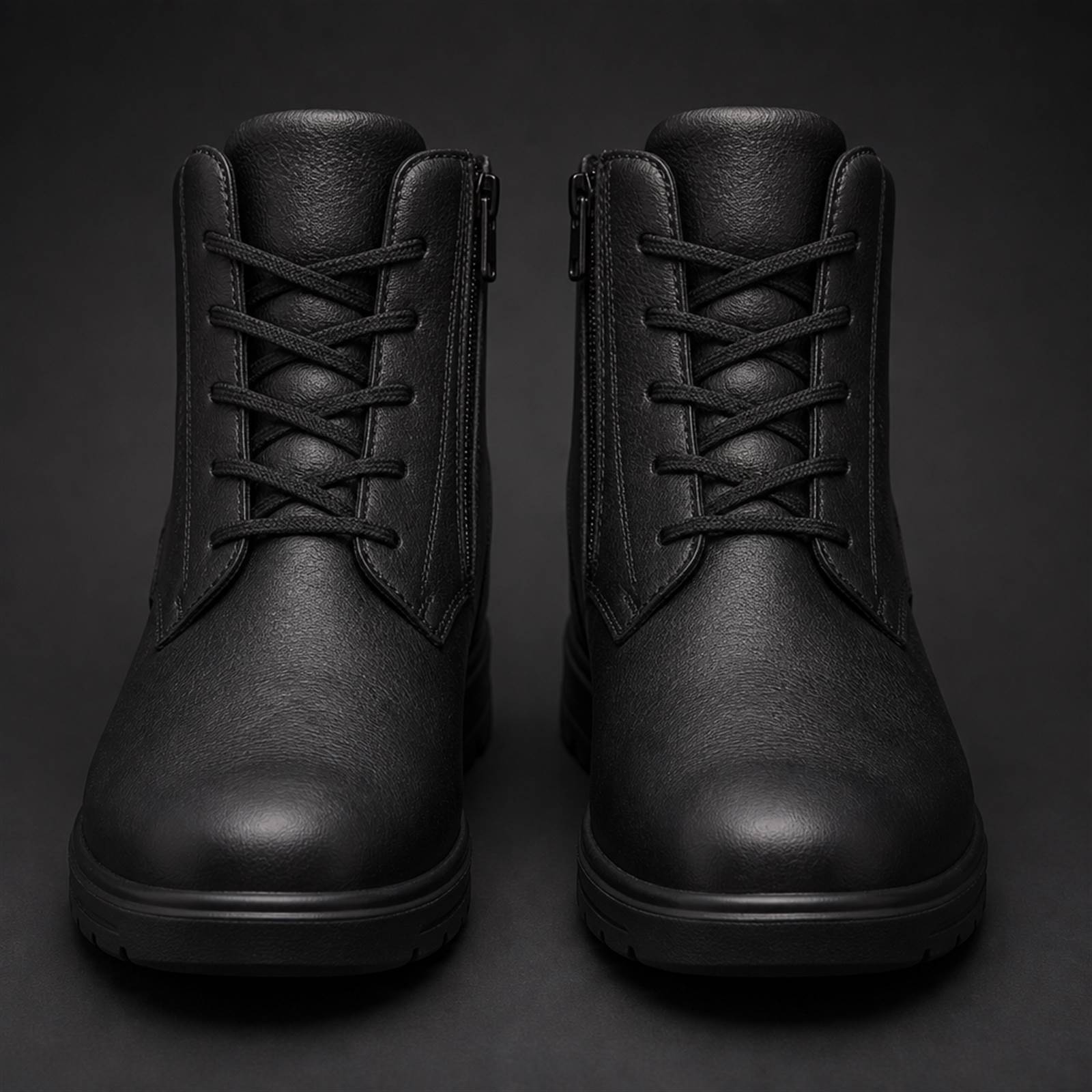
A side-zip boot exists for one reason: a shift worker can lace it once and zip it every time after.
Send us your tech pack, reference sample or product idea. We review your requirement, recommend materials and construction, and come back with a development plan you can act on.