Skip to content
TACTICALOEM / ODM TACTICAL APPAREL
ENEnglish

Products / Tactical Fleece & Mid Layers

Tactical Fleece Mid Layer Jacket — OEM & ODM Manufacturing

A fleece or mid layer is not simply a warmer shirt. It is the layer that has to hold warmth while the wearer is moving and release moisture before that moisture reaches the insulation above it, and in a base, mid, insulation and shell system it sits directly over the base layer and directly under the insulation. That position decides everything about it: it has to fit closely enough to move moisture off the base layer, vent enough to dump heat during exertion, and stay thin enough at the shoulders that it does not add bulk where the wearer needs arm movement. This is the layer most often left out of a specification, and its absence is a common reason a system that looks correct on paper feels cold while the wearer is working.

Cold working days where the wearer alternates between exertion and rest and warmth has to be added and removed through the dayMild to moderate cold where the mid layer is often the outermost garment worn, with or without a shell over itInside a four-layer system, directly over the base layer and directly under an insulated jacket or shell
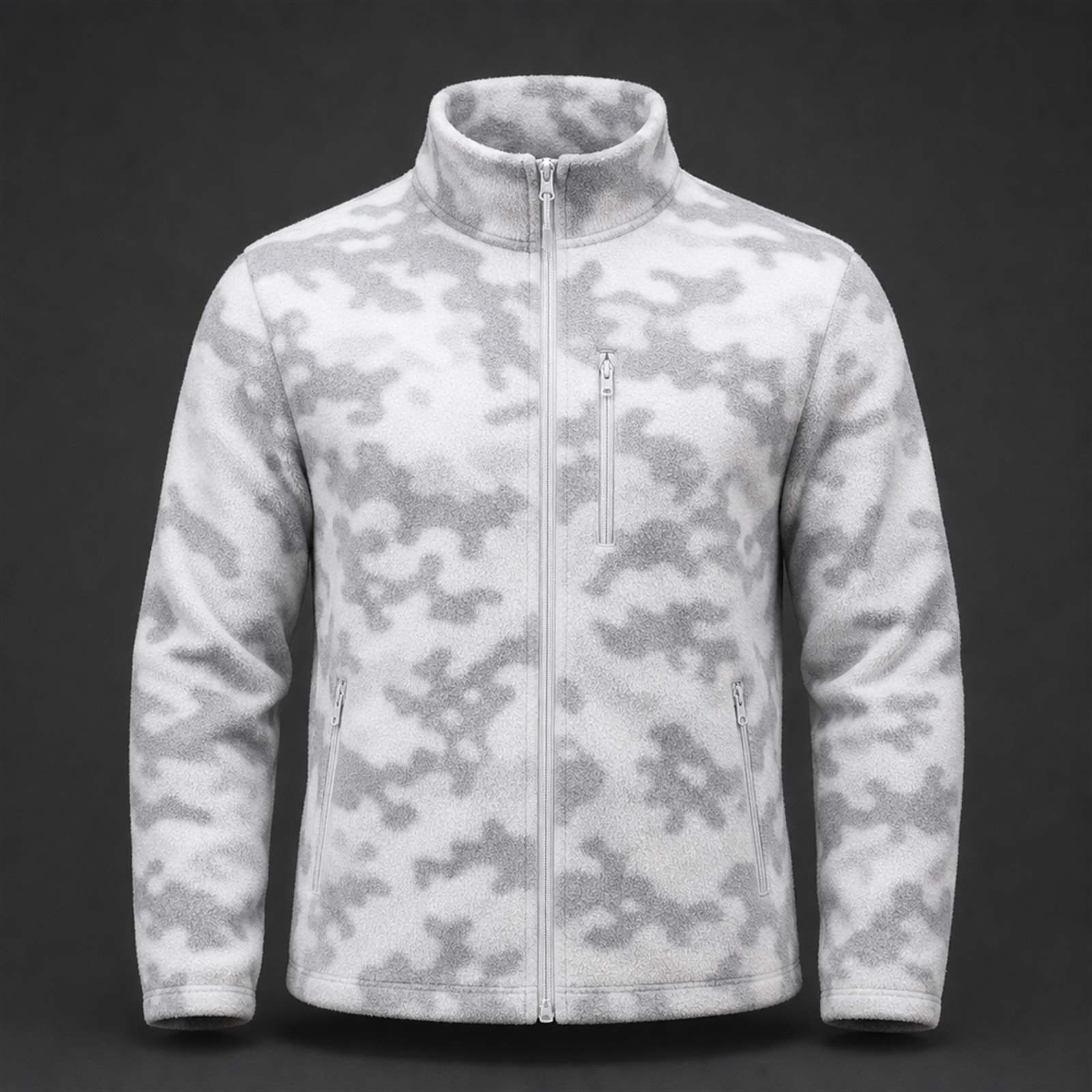
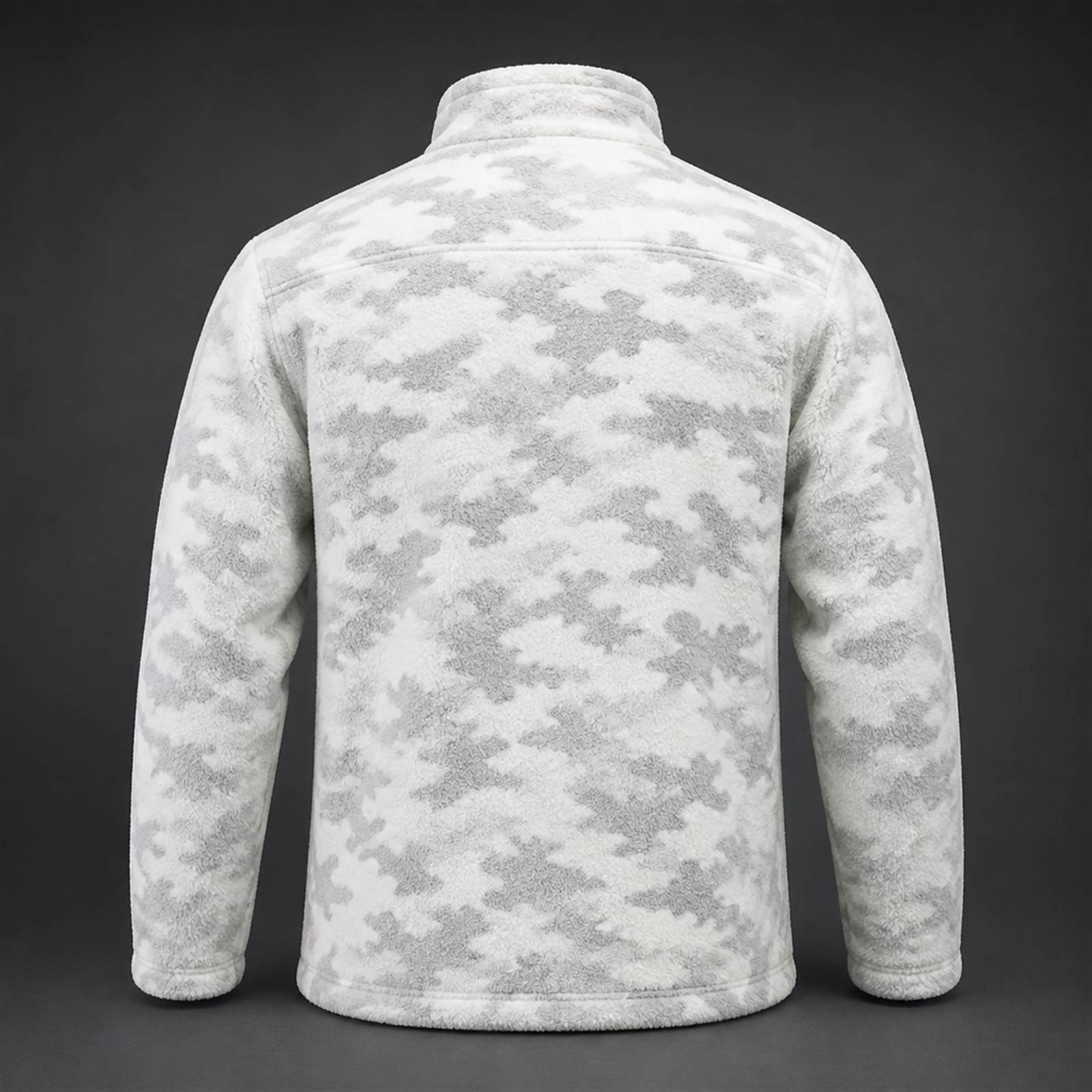
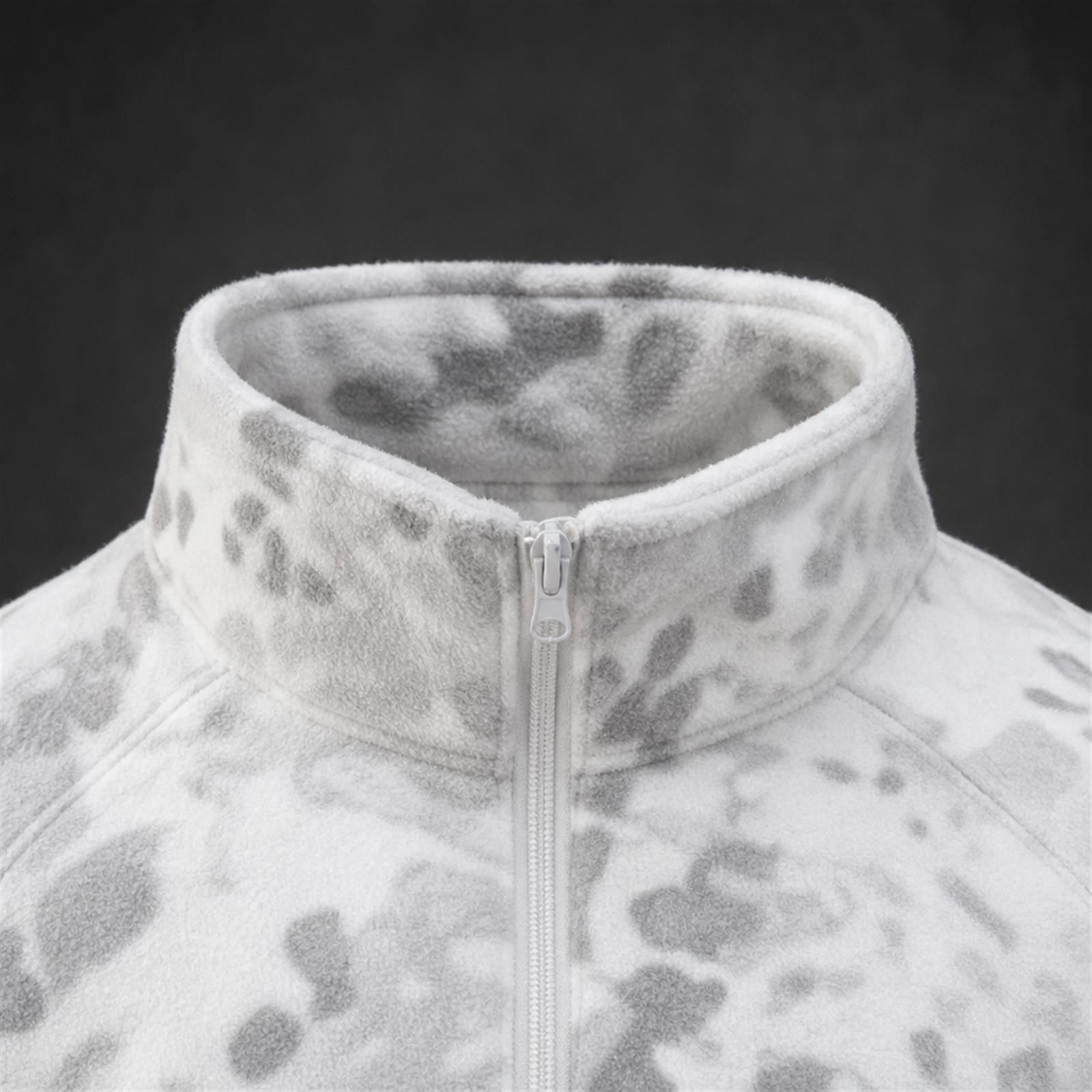
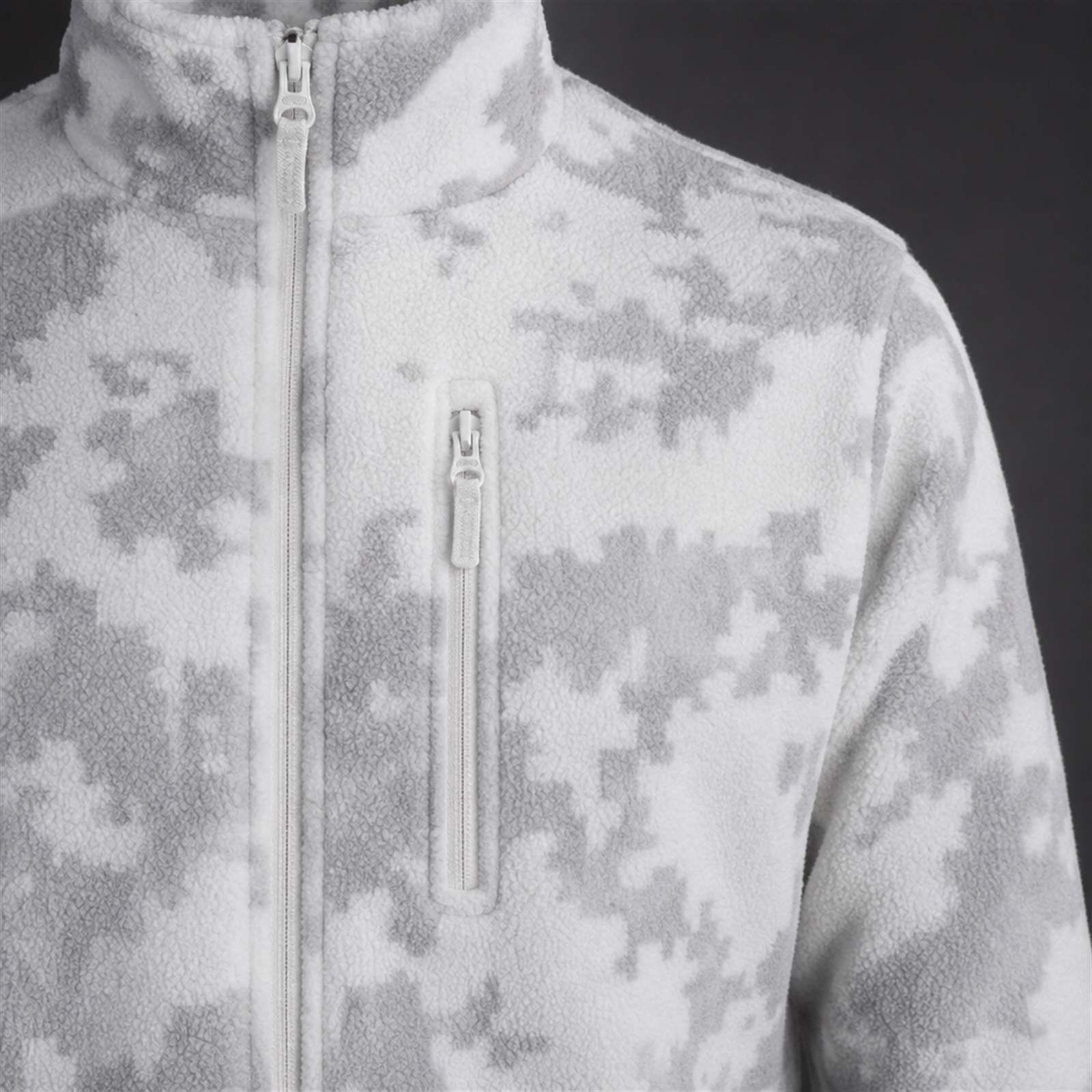
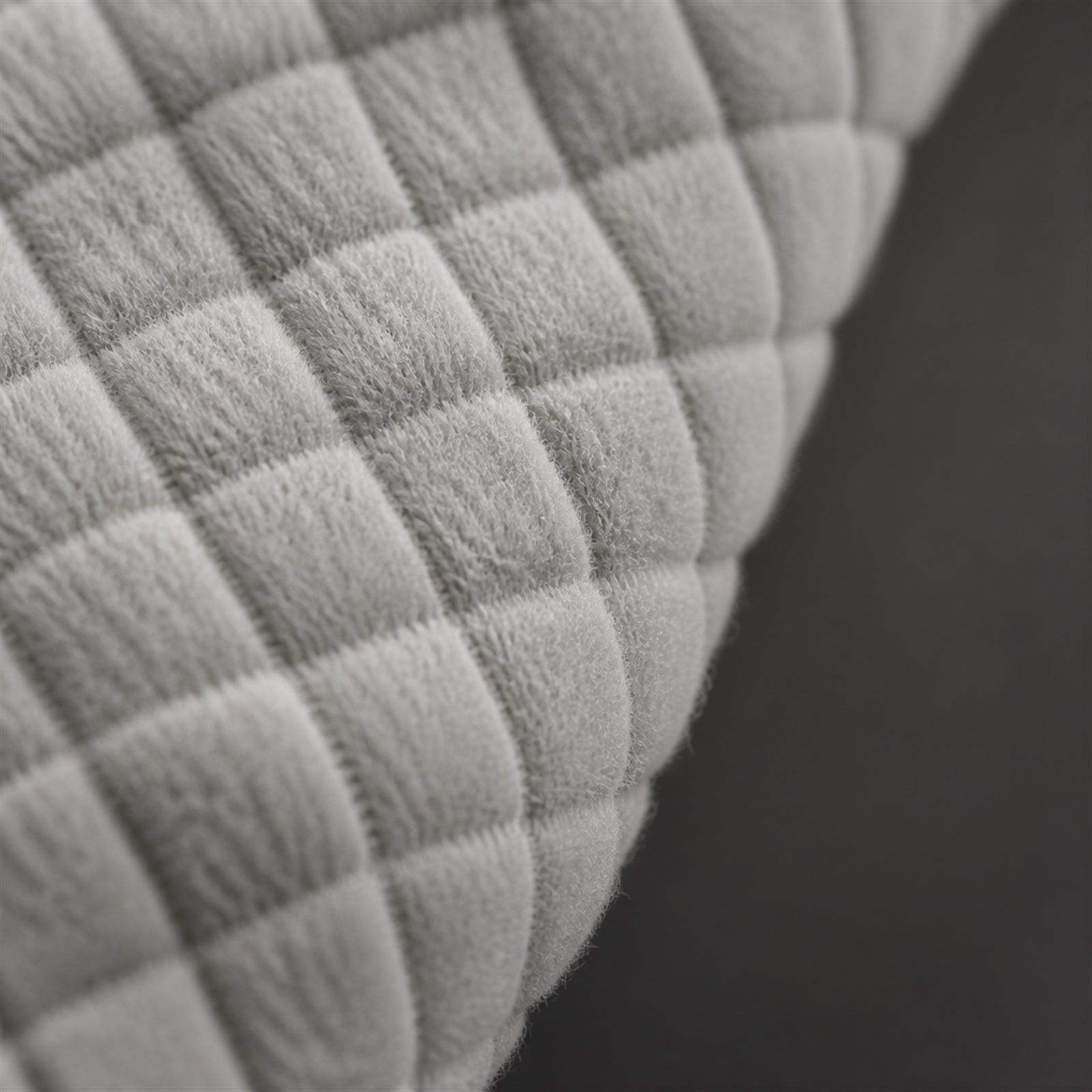
Tactical fleece mid layer jacket with full-length zip, high collar and grid fleece texture
Climate
Cold working days where the wearer alternates between exertion and rest and warmth has to be added and removed through the day · Mild to moderate cold where the mid layer is often the outermost garment worn, with or without a shell over it · Inside a four-layer system, directly over the base layer and directly under an insulated jacket or shell
Applications
Cold Weather · Heavy Duty / Field · Extreme Cold Weather
Customization
12 customizable parts
Tactical Fleece Mid Layer JacketTactical Fleece Mid Layer JacketTactical Fleece Mid Layer JacketTactical Fleece Mid Layer JacketTactical Fleece Mid Layer JacketTactical Fleece Mid Layer Jacket

Design purpose

Why this garment exists

Build a mid layer on the buyer's pattern that manages warmth and moisture while the wearer is moving, and that interfaces correctly with the base layer underneath it and the insulation or shell above it.

Applications

Best applications

  • Cold Weather — Ambient temperature is low enough that the body loses heat faster than it produces it at rest, and wind increases that loss substantially.
  • Heavy Duty / Field — The garment is worn continuously and loaded with equipment, so it is subject to sustained abrasion from straps, webbing and ground contact.
  • Extreme Cold Weather — Low ambient temperature is only part of the exposure.
Cold working days where the wearer alternates between exertion and rest and warmth has to be added and removed through the dayMild to moderate cold where the mid layer is often the outermost garment worn, with or without a shell over itInside a four-layer system, directly over the base layer and directly under an insulated jacket or shell

Interactive map

Customize every part

Tactical Fleece Mid Layer Jacket: select a marker to see what can be specified at that part of the garment — all 10 mapped areas are also listed in full below the map, so nothing is hidden behind an interaction.

Customization by garment part

Select a marker to see the customization options available at that part of the garment. Every option below is a manufacturing decision you control.

Collar and chin guardStand collar · High stand collar · Chin guard · Zip garage · Height set against the shell hood
Front zipFull-length zip · Deep half zip · Internal flap · Glove-operable puller
Chest ventilationChest vent · Covered zip vent · No chest vent · Placed clear of equipment
Shoulder interfaceReinforced shoulder · Woven patch · Standard knit · Cut to sit under a shell without binding
Underarm gusset and ventGusset with vent · Gusset only · Vent only · Neither
Body stretchMechanical stretch · Stretch side panels · Articulated pattern · Standard knit
Hand pocketsZipped hand pockets · Plain pockets · No hand pockets · Placed clear of belt paths
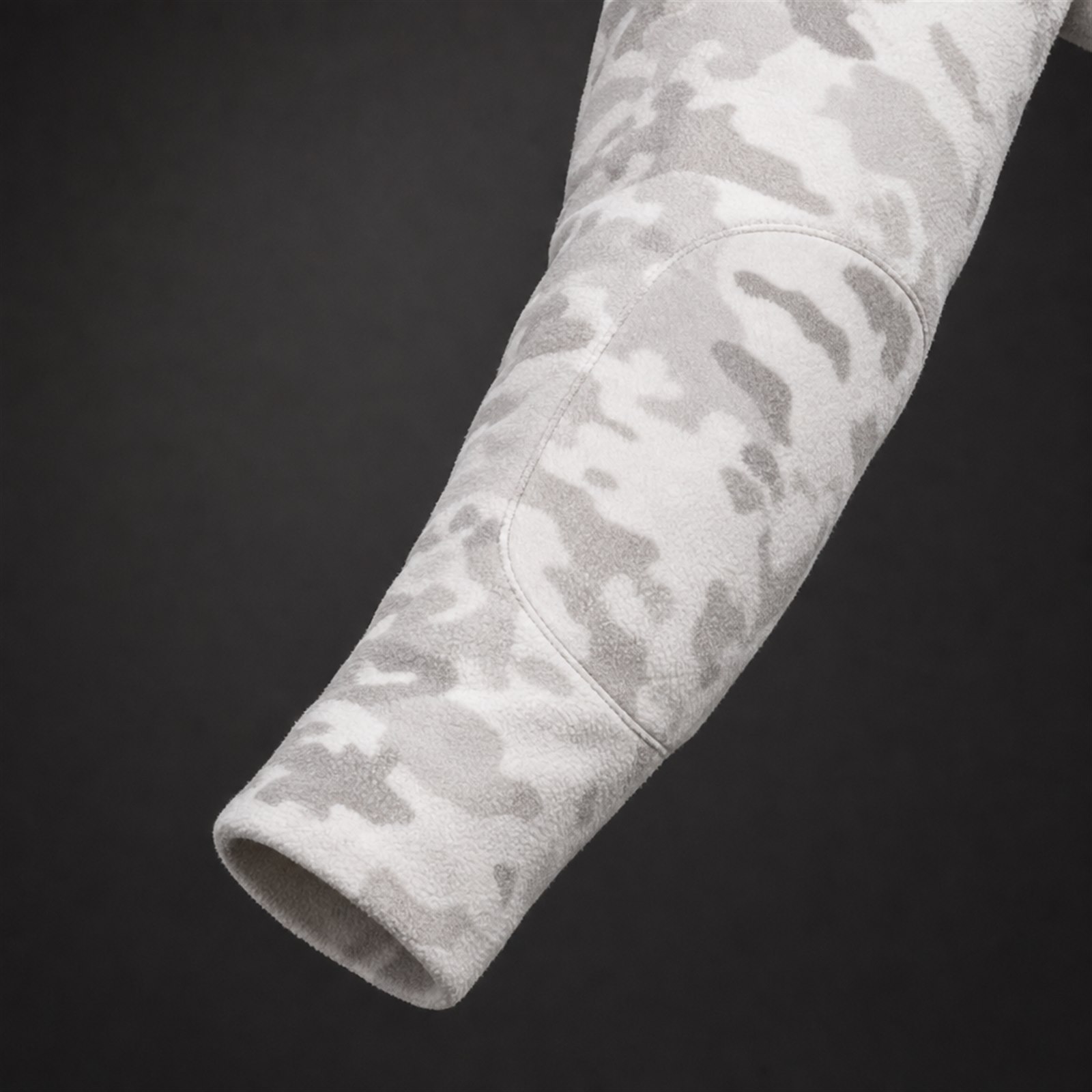
ElbowReinforced elbow panel · Articulated elbow · Standard knit · Buyer-specified wear point
CuffElasticated cuff · Adjustable hook-and-loop · Plain hem · Inner storm cuff
HemElasticated · Drawcord adjuster · Plain hem · Drop tail

Materials

Material options

4 material options for Tactical Fleece Mid Layer Jacket, specified per garment area — a single fabric cannot serve heat management and abrasion resistance at the same time.

Fleece construction

  • Grid fleece, with a raised grid that traps air and channels moisture
  • Brushed knit, softer hand with a denser face
  • Micro fleece for a lighter, faster-drying mid layer
  • Light lofted insulation where more warmth is required at the same thickness

Grid fleece trades a little warmth for much better moisture release, which is why it is usually the right choice where the wearer is moving. Brushed knit is warmer and softer but slower to dry.

Face and backer

  • Fleece face out for warmth and quiet movement
  • Smooth woven face where the mid layer is worn as an outer garment
  • Brushed backer for comfort against the base layer
  • Reinforced shoulder face for pack strap contact

Where the mid layer is commonly worn on its own, the face has to shed a little wind and light abrasion. Where it is always under a shell, that requirement disappears and the fabric can be chosen purely for warmth and drying speed.

Stretch and movement

  • Mechanical stretch knit through the body
  • Stretch side panels only
  • Stretch underarm gussets
  • No stretch, with articulation built into the pattern instead

Stretch and articulation are alternative answers to the same problem. Where stretch is not wanted in the fabric, the pattern has to carry the movement instead.

Reinforcement

  • Reinforced shoulder panels for strap contact
  • Reinforced elbow panels
  • Woven patches at the shoulders and elbows
  • No reinforcement, where the layer is always worn under a shell

Reinforcement adds weight and reduces breathability locally. It is placed against the wearer's reported contacts rather than applied as standard.

Construction

Construction details

How each of the 8 parts of Tactical Fleece Mid Layer Jacket is assembled, and why that choice was made.

Fit as the layer between two layers

The mid layer is cut to fit over the base layer without compressing it and under the insulation or shell without binding in the shoulders. That volume is a pattern decision, and it is confirmed in the stack rather than on a single garment.

Ventilation and heat dumping

Where the role involves sustained movement, the mid layer carries the ventilation that the base layer cannot: a full-length front zip, chest or underarm vents, or a combination. Position is set against the equipment the wearer carries.

Collar and neck

Collar height is set against whether a shell hood will sit over it, so the two do not fight, and the collar edge is finished so it does not irritate the neck when worn zipped to the top under a base-layer collar.

Front closure

Full-length zip with a chin guard and a zip garage, or a deep half zip where the buyer prefers it, specified for operation with gloves and for staying closed without a flap.

Cuff and hem finish

Cuffs are elasticated, adjustable or plain, according to whether the mid layer has to seal over a glove or simply sit under a shell cuff. Hem finishing is set so the garment does not ride up when the wearer reaches.

Seam and stitch specification

Seam types and stitch density are chosen for a knit rather than copied from a woven technical shirt, because a knit garment that is assembled like a woven one loses its stretch and its shape.

Pocket placement

Pocket positions are set clear of load-bearing equipment and of the straps that would cover them, with closures that stay shut when the wearer is moving and can be operated with gloves.

Labelling and care

Care labelling is specified against the laundry cycle the programme uses, including whether tumble drying is permitted, because some fleece constructions pill or shrink when heat-dried.

Features

Functional features

The 6 functional features of Tactical Fleece Mid Layer Jacket each exist to solve a specific problem in use, and where a feature is a trade-off rather than a pure gain that is stated.

Designed for the layer it sits between

The mid layer has to move moisture off the base layer and hand it on to the layer above. Its fit, fabric and ventilation are set against that job rather than against warmth alone.

Moisture release treated as the primary property

Grid and channel constructions are selected where the wearer is moving, because a mid layer that holds water makes the insulation above it less effective rather than more.

Movement preserved under bulk

Stretch or articulation is used to keep shoulder rotation and reach despite the added layer, and the choice between the two is deliberate rather than whichever the fabric range happened to offer.

Ventilation where it can be reached

Mid layer venting is positioned and built so it can be opened with gloves and stays closed in use, and is not blocked by the equipment the wearer is carrying.

Interfaces with hood and shell agreed

Collar height, cuff type and overall volume are developed alongside the shell, so the two work as a pair instead of the shell compressing the mid layer at the shoulders.

Wearable on its own where the programme needs it

Where the mid layer is commonly the outermost garment worn, the face fabric and pocket layout are specified for that use rather than treated as an under-layer only.

Customization

Customization options

12 customization lines for Tactical Fleece Mid Layer Jacket: branding, colour, camouflage and packaging are all part of the specification, and every item is confirmed on the pre-production sample.

Fleece type

Grid fleeceBrushed knitMicro fleeceLight lofted knitWoven-faced fleeceBuyer-specified

Weight

Light for high-output movementMid weight for general cold useHeavier for static coldBuyer-specified

Stretch

Mechanical stretch through the bodyStretch side panelsStretch underarm gussetsArticulated pattern instead of stretch

Front closure

Full-length zipDeep half zipFull zip with chin guard and garageZip with internal flap

Ventilation

Chest ventsUnderarm ventsVented back panelFull-length front opening onlyNo vents

Collar

Stand collarHigh stand collarLow collarCollar with chin guardBuyer-specified height

Cuff

Elasticated cuffAdjustable hook-and-loopPlain hemInner storm cuffBuyer-specified

Hem

ElasticatedDrawcord adjusterPlain hemDrop tail

Pockets

Zipped hand pocketsChest pocketSleeve pocketInternal security pocketNo pocketsBuyer-specified layout

Reinforcement

Shoulder panelsElbow panelsWoven patchesNoneBuyer-specified wear points

Colour

Solid colourwaysTwo-tone panelsTone matched to the shell and base layerBuyer artwork camouflage

Labelling and packing

Woven main labelPrinted care labelSize and issue markingPoly bagIndividual cartonBuyer-specific carton

Colour

Colour options

  • Solid colourways matched to buyer targets with lab dip approval before bulk
  • Buyer Pantone or colour standard matched against a shade band agreed in writing
  • Tone matching across shell, mid layer and base layer treated as a separate requirement, because a knit mid layer takes colour differently from a laminated shell or a woven face

Camouflage

Camouflage options

  • Buyer artwork camouflage where the mid layer is worn as an outer garment, with a print standard approved before bulk
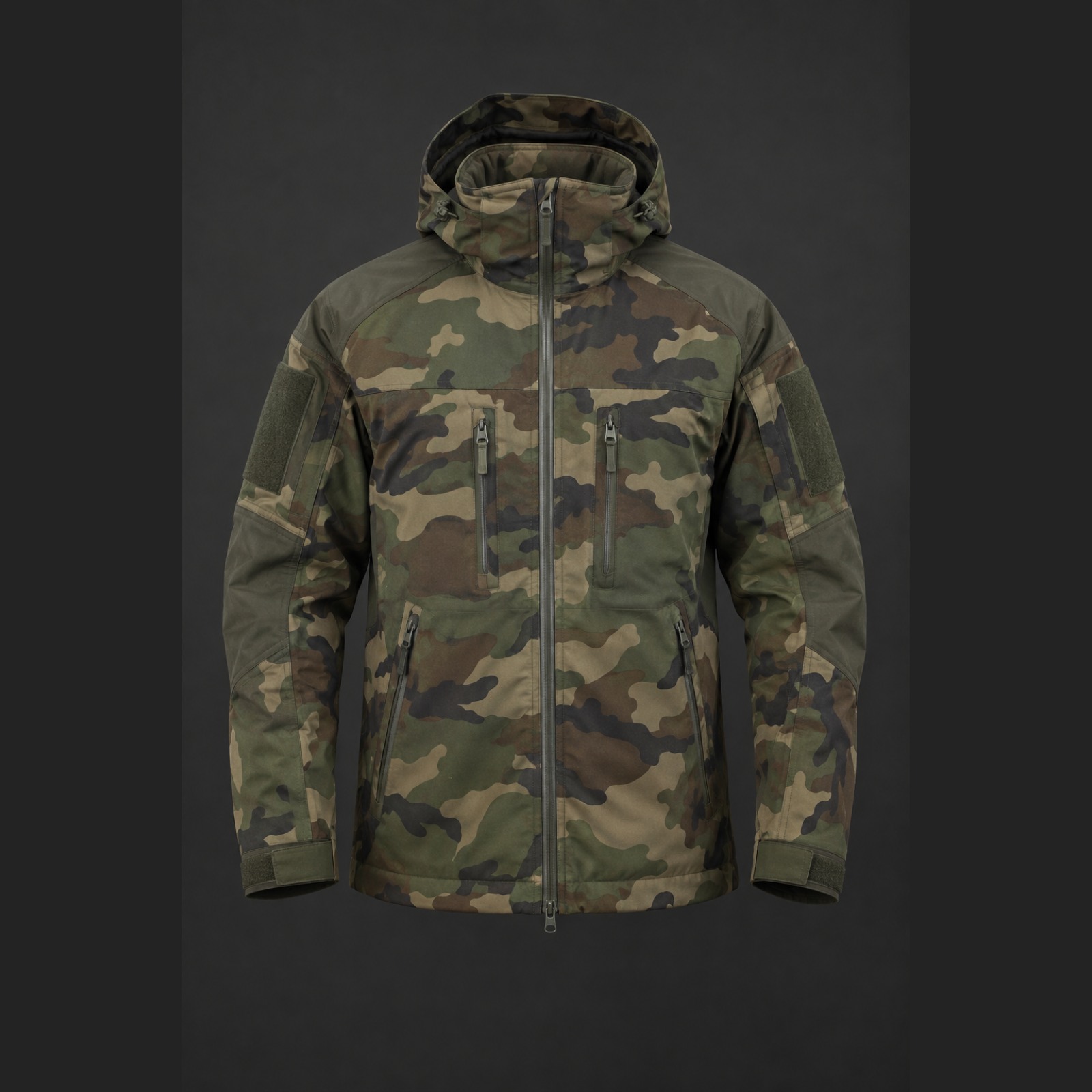
  • Woodland style
  • Desert style
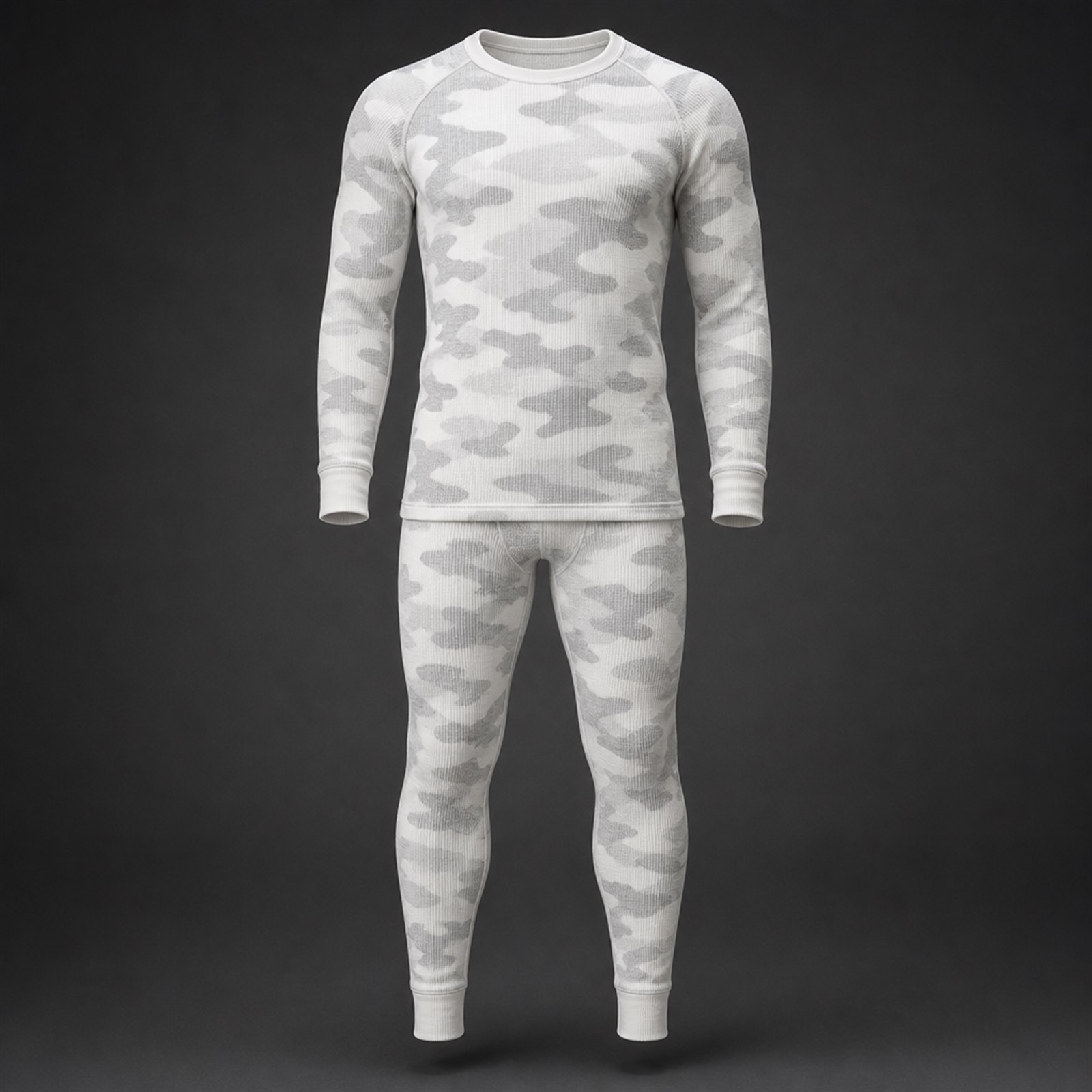
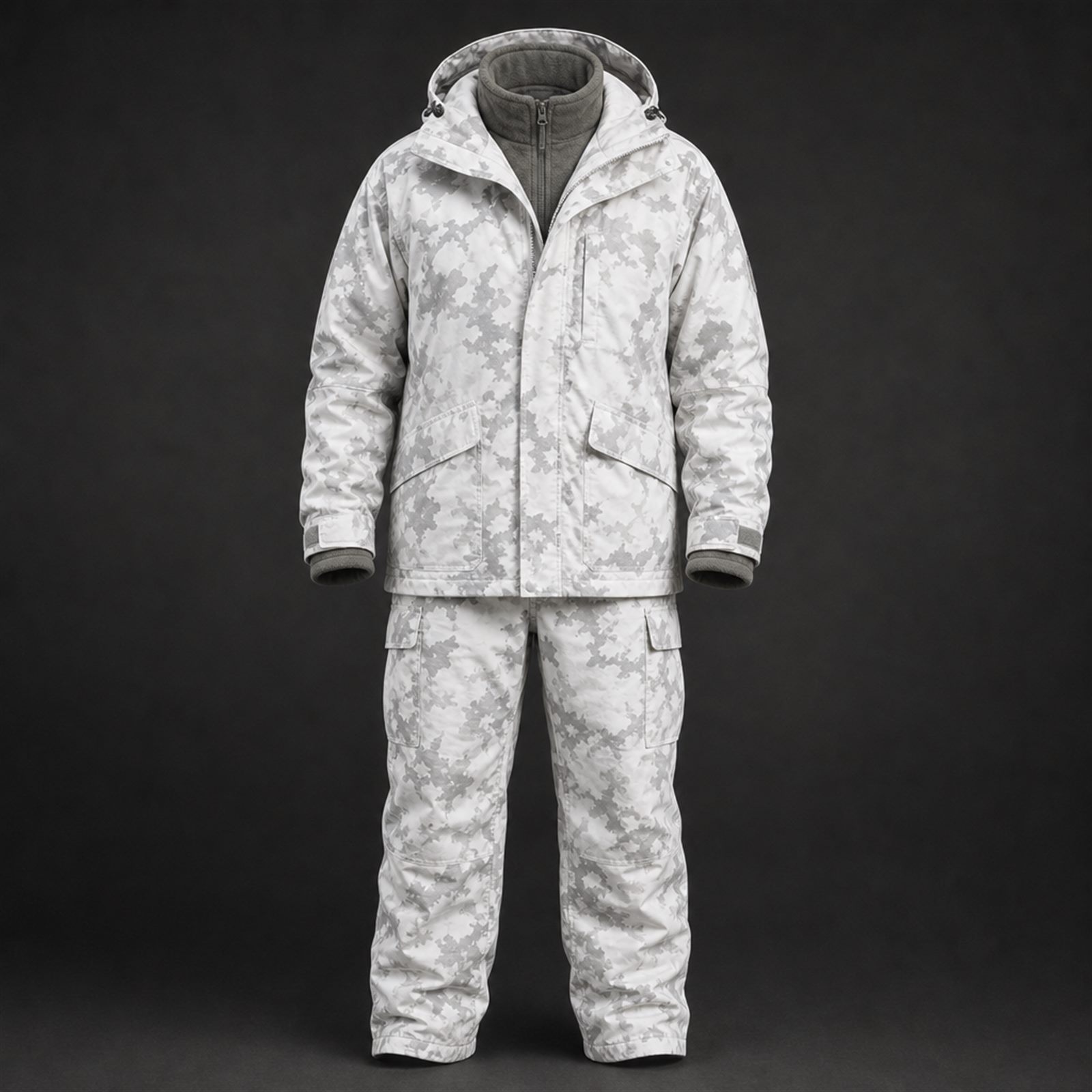
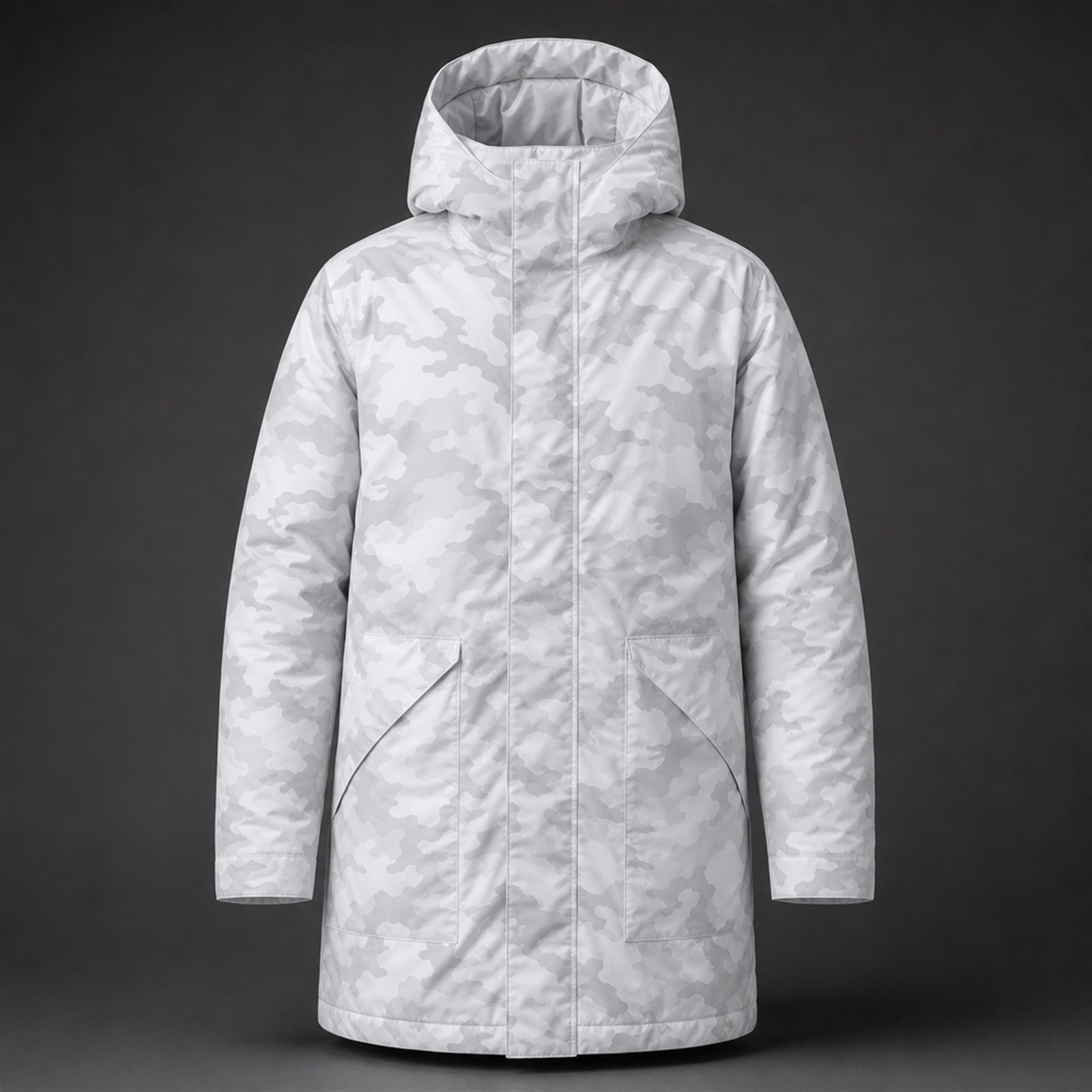
  • Snow and winter style
  • Pattern repeat and panel placement agreed so the print breaks consistently across the body and sleeve panels

Sizing

Size options

Mid layer sizing is developed as the middle garment in a stack rather than as a standalone jacket. It has to sit over the base layer without compressing it and under the insulation or shell without binding at the shoulders, so chest, shoulder width, sleeve length and body length are all set against the layers on either side. Arm length is especially affected, because two or three layers together reduce effective reach. A size set is produced and fitted as a stack on a wearer before bulk.

Branding

Private label

Your pattern, your fleece and weight specification, your ventilation and pocket layout, your hardware and your packaging. Labels, trims and cartons can be left blank, so the range ships as your own product with the specification held on file against every repeat order.

Logistics

Packaging

  • Poly bag
  • Individual carton
  • Compressed packing for container efficiency
  • Master carton with size marking and count
  • Buyer-specific carton and packing list

Sample development

From specification to approved sample

Development of Tactical Fleece Mid Layer Jacket runs in 7 stages, each risk removed before the next step commits cost.

01

Specification review

We agree the fleece type and weight, stretch approach, ventilation placement, collar and cuff construction, and the layers the garment must sit between, in writing before anything is cut.

02

Fleece selection against the trade-offs

Grid, brushed and micro fleece options are presented with the warmth, drying speed and pill resistance each one buys and gives up, so the buyer chooses deliberately.

03

Pattern development

The pattern is developed on the buyer's size range with the layer stack in mind, and with articulation or stretch placement built in from the start.

04

Proto sample

A first sample proves fit over the base layer and under the intended shell, and tests whether the vents can be reached and operated.

05

Fit sample

A revised sample is produced with the agreed corrections and assessed on a wearer while moving continuously, which is the only condition in which a mid layer's moisture behaviour becomes apparent.

06

Size set

A set across the size range is produced so grading of chest, shoulder, sleeve and body length is confirmed, not only the base size.

07

Sealed sample

The approved sample is sealed and retained as the reference for inline and final inspection, including the fleece specification and ventilation construction.

Bulk production

Bulk production process

7 stages of bulk production for Tactical Fleece Mid Layer Jacket — where the approved specification is either held or lost.

01

Material receipt and inspection

Fleece lot, weight and finish, zip, elastic, drawcord and trims are checked against the sealed sample before cutting, and colour is verified against the approved standard in daylight.

02

Cutting

Panels are cut to the approved pattern with the fleece nap and any print placement controlled on the marker, so panels match in direction and appearance.

03

Assembly and ventilation

Body, gussets and ventilation openings are assembled in the correct sequence, with knit-appropriate seams and stitch density rather than woven settings carried over.

04

Closure and trim assembly

Zip, chin guard, garage, cuff finishing and hem adjustment are attached and function-checked, including operation with gloves where required.

05

Inline inspection

Garments are measured against approved tolerances at defined points through the run, so a drift in body length or sleeve is caught while it can still be corrected.

06

Finishing and labelling

Care labels, size marking and issue identification are applied to agreed positions, and loose threads, zip function and seam appearance are finished to the sealed sample.

07

Final inspection and packing

Final inspection follows the approved specification and the AQL agreed with the buyer, and approved goods are packed and marked to the buyer's carton instructions.

Quality control

Quality control

The 7 checks applied to Tactical Fleece Mid Layer Jacket, each measured against an agreed standard rather than against opinion.

01

Incoming material check

Fleece construction, weight and finish, zip, elastic, drawcord and trims are recorded against the specification, and fabric lots are retained for reference.

02

Colour verification

Production colour is compared with the approved standard and the sealed sample under agreed lighting, and shade variation across rolls is recorded before cutting.

03

Ventilation and construction check

Vents, gussets and collar assemblies are inspected for correct position and clean finishing, since these are the features most likely to be simplified during production.

04

Measurement check

Chest, shoulder, sleeve length, body length, collar and hem are measured against approved tolerances during the run, including graded sizes rather than the base size alone.

05

Zip and closure function testing

Zips, garage, chin guard and adjusters are operated repeatedly on sampled garments to confirm they run smoothly, stay closed and can be operated with gloves.

06

Wash and pill check

Sampled garments are washed on the care cycle specified for the programme and checked for shrinkage, pilling and shape retention, because this is how a fleece mid layer fails.

07

Final inspection and records

Final inspection results, inspection records and retained samples stay with the order, so a repeat order is produced against evidence rather than against memory.

Specifications

Specifications

18 specification rows for Tactical Fleece Mid Layer Jacket: only confirmed items are listed, so a row that depends on your programme is omitted rather than filled with an estimate.

Product typeTactical fleece or knit mid layer jacket
Layer positionMid layer, directly over the base layer and directly under the insulation or shell
Fleece constructionGrid fleece, brushed knit, micro fleece or light lofted knit, to specification
Fabric weightSelected against warmth, drying speed and pill resistance, to buyer specification
StretchMechanical stretch through the body, stretch side panels, stretch gussets, or an articulated pattern instead
Front closureFull-length or deep half zip, with optional chin guard and zip garage
VentilationChest, underarm or back vents, or full-length front opening only, placed clear of equipment
CollarStand, high stand or low collar, with height set against the shell hood
CuffElasticated, adjustable hook-and-loop, plain or inner storm cuff, to specification
HemElasticated, drawcord adjuster, plain or drop tail
PocketsZipped hand pockets, chest, sleeve or internal security pockets, or none, to specification
ReinforcementShoulder, elbow or woven patches, placed against reported wear points, or none
Size rangeEU or US runs including extended sizes, cut to sit between the buyer's base layer and shell
ColourSolid colourways or two-tone panels, matched to an approved standard
LabellingWoven main label, printed care label, size and issue marking as required
PackingPoly bag, individual carton and buyer-specific cartons

FAQ

Tactical Fleece Mid Layer Jacket FAQ

Grid fleece or brushed knit — which should we choose?

Grid fleece usually wins where the wearer is moving. The raised grid traps air for warmth and the channels between it move moisture away faster, which matters because a mid layer that holds water makes the insulation above it less effective. Brushed knit is warmer and softer for the same thickness but dries more slowly, so it suits static cold better. We present both with the warmth, drying speed and pill resistance each one buys and gives up, and record the choice.

Is the mid layer really necessary, or can we go straight from base layer to insulation?

It is the layer most often left out of a specification, and its absence is a common reason a system that looks correct on paper feels cold while the wearer is working. Without it, heat generated during movement has nowhere to be released except through the insulation, and the wearer either overheats or wets out the layer above. Whether your programme needs it depends on how much the activity level changes during the day.

Can you publish a warmth or thermal resistance value for the fleece?

We do not publish thermal resistance values. A figure of that kind is only meaningful from a controlled test on the finished garment construction, not from a material datasheet, and how warm a mid layer feels also depends on activity, wind, humidity and what is worn on either side of it. Where your tender requires a figure, the correct sequence is to agree the test method and have it produced on the actual construction.

Will this mid layer fit under our existing shell?

That is the first thing we check, and it is why we ask for the actual measurements of the shell rather than its nominal size. A mid layer that binds at the shoulders compresses the layers beneath it and restricts reach, and the problem only appears when the whole stack is worn. We develop the mid layer against your shell and confirm the stack on a wearer before approval.

Should the mid layer have vents if it is always worn under a shell?

Yes, if the wearer is moving. Vents in the mid layer let heat out at the point where it is generated, which the shell's own vents cannot do if they are covered. The important detail is position: a vent placed under a pack strap or plate carrier is blocked by exactly the equipment the wearer is carrying, so we place venting around the role's load-bearing system.

Can the mid layer be worn on its own as a jacket?

It can, where the face fabric and pattern are specified for it. Worn as an outer garment, the mid layer has to shed a little wind and light abrasion, and it needs pockets and a hem finish that suit that use. Where it is always worn under a shell, those requirements disappear and the fabric can be chosen purely for warmth and drying speed — which is usually a better garment for the same money.

More products

Related products

Thermal Base Layers

Thermal Base Layer Set

A base layer is the cheapest garment in a layering system and the one that decides whether the rest of it works.

Cold and extreme cold under an insulated layerCool and wet conditions where moisture management matters more than warmthHot markets as a wicking layer under a uniform shirt
View product

Cold Weather Layering Systems

Cold Weather Layering System

This is not a garment category in the usual sense.

Sustained cold where the wearer alternates between exertion and waiting, and warmth has to be added and removed through the dayExtreme cold where the margin for error is small and moisture trapped against the body is the fastest route to losing warmthMixed cold and wet conditions where the composition needs a protective outer layer over the warmth layers
View product

Cold Weather Shell Jackets

Cold Weather Shell Jacket

The shell carries no warmth of its own, and that is the point of it.

Wet cold where snow, sleet or freezing rain is expected and the shell must be waterproof with sealed exposed seamsDry cold where wind is the dominant heat loss and a breathable wind-resistant shell is the better specificationAlternating activity where the wearer generates sweat while moving and needs to vent without removing the shell
View product

Extreme Cold Weather Parkas

Expedition Parka

A parka for extreme cold is a system, not a garment with more filling.

Extreme cold and dry continental wintersCold and wet conditions where a waterproof shell over insulation is requiredStatic and low-activity duty where warmth retention matters more than breathability
View product

Request a Manufacturing Assessment

Send us your tech pack, reference sample or product idea. We review your requirement, recommend materials and construction, and come back with a development plan you can act on.