Field Lab
Abrasion Comparison
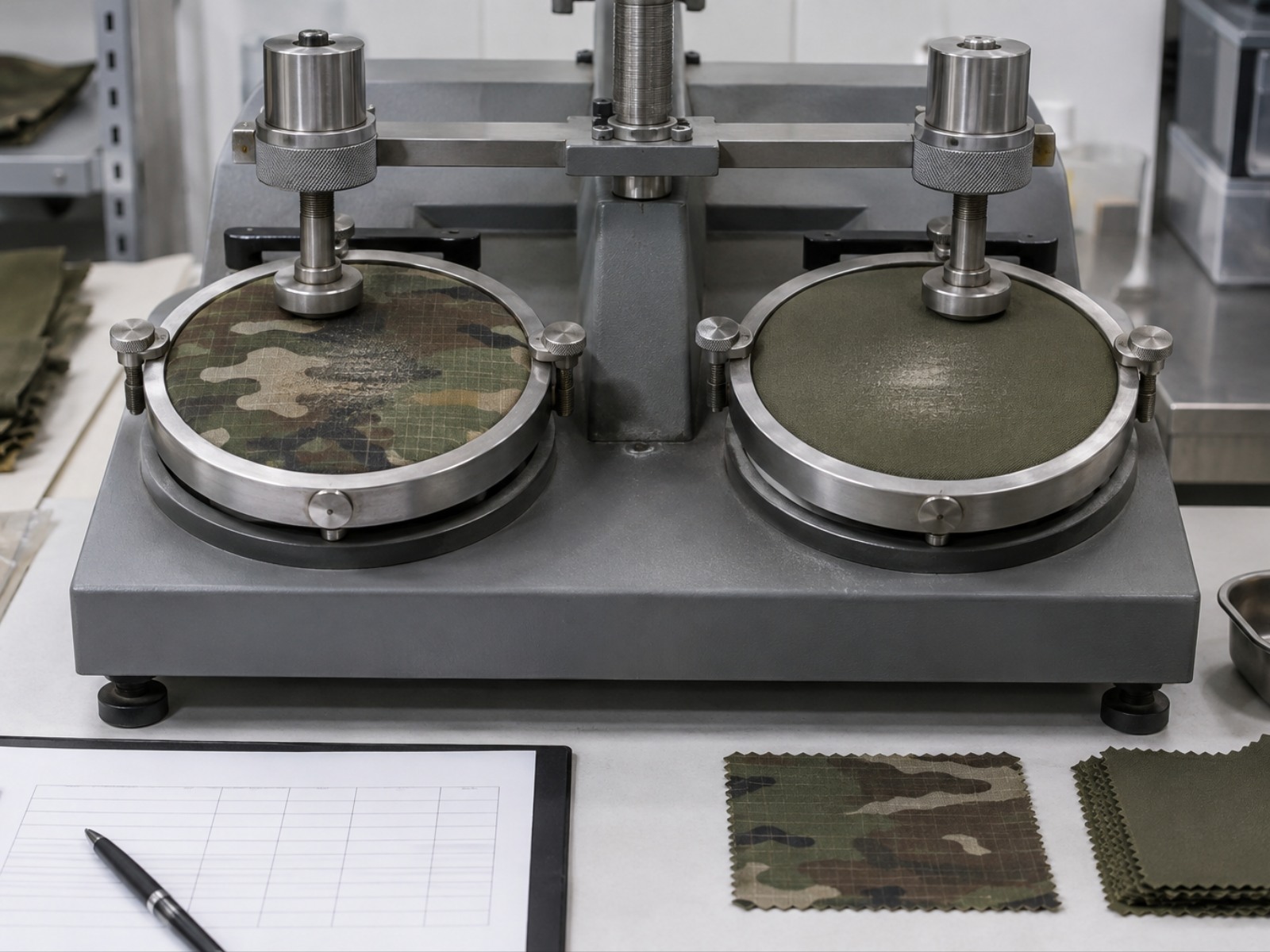
This Field Lab page states test intent before any result exists. The question is how the fabrics we use for trousers, sleeves and high-contact garment areas differ in their resistance to surface wear: how much rubbing they take before the surface breaks down, and whether the differences between them are large enough to change what a buyer should specify. The test structure, the fabric set, the abrasion conditions and the limits of the method are published here now. Observations and results will be added only when the test has actually been run on real fabric and every reading has been recorded. Until then this page describes what we intend to measure, not how any fabric performs.
- Status
- Awaiting test data
- Materials compared
- 4
Gallery
Test bench
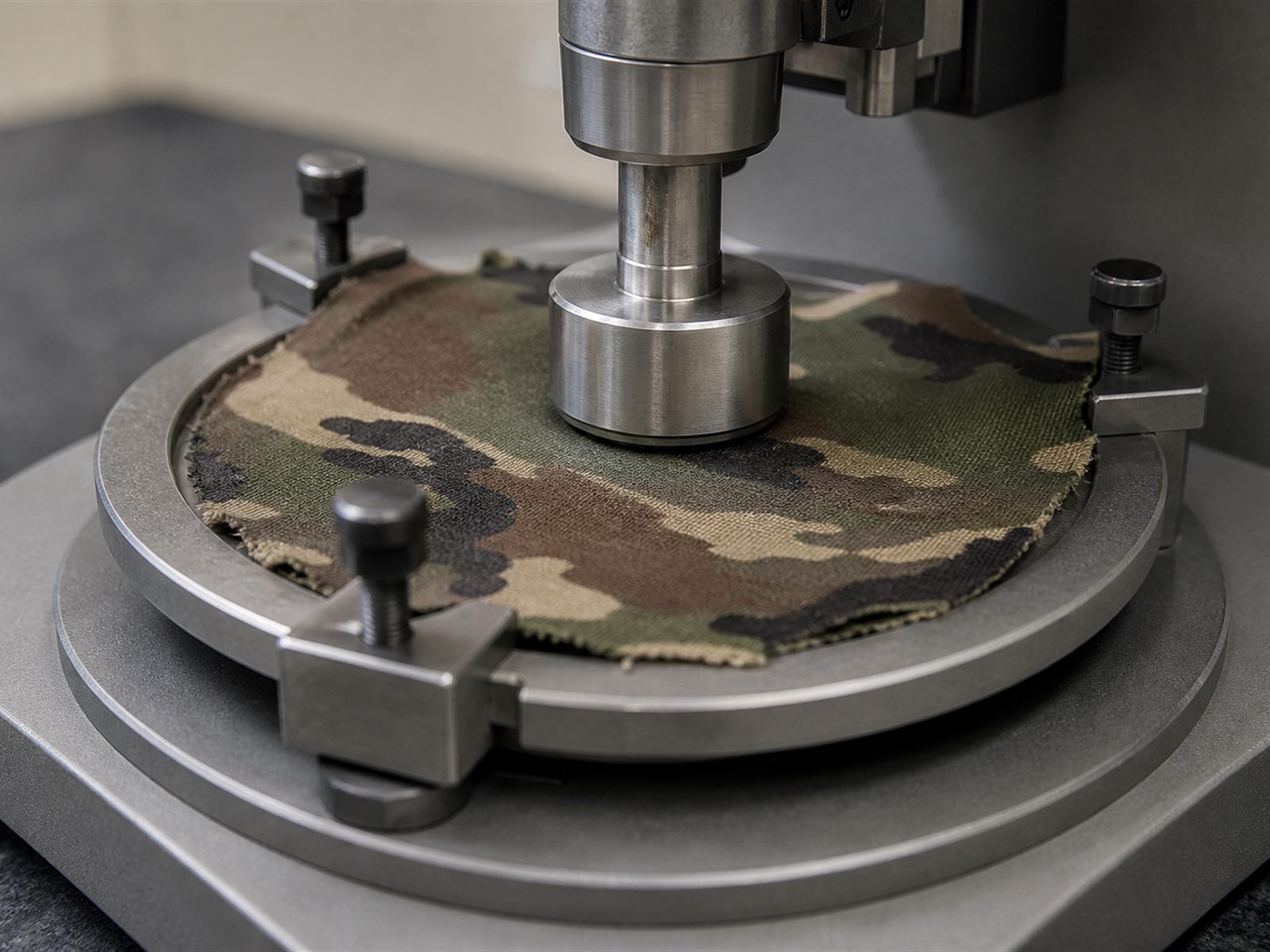
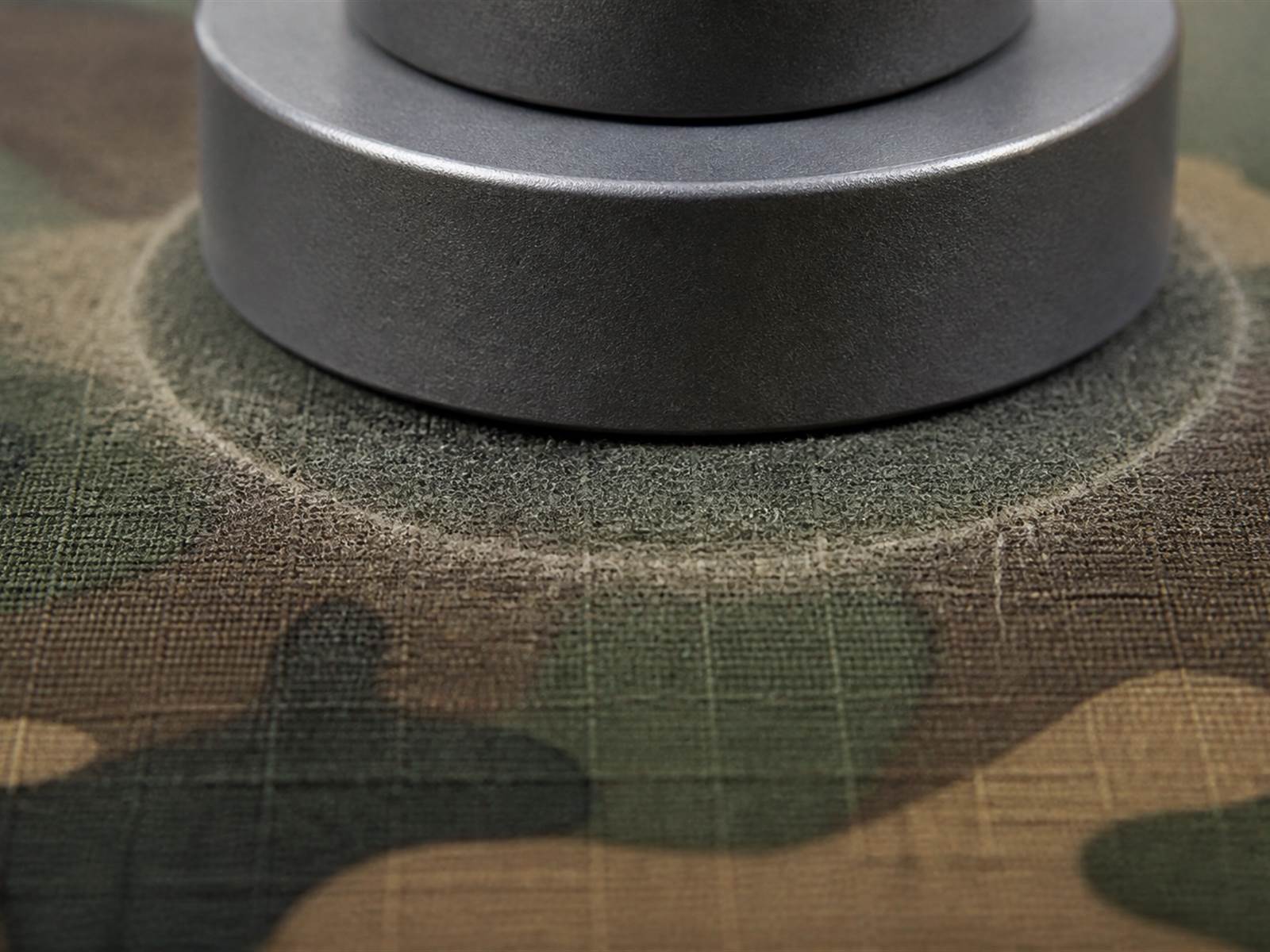
Status: AWAITING TEST DATA — Abrasion Comparison has not yet been run on real material. Method, observations and result will be published once the test has been completed and the output recorded.
Question
What are we testing?
Whether the ripstop wovens and stretch wovens we supply wear differently when the same abrasion method is applied to each, and whether the ranking is stable enough to guide fabric selection for high-contact areas such as knee, seat, elbow and pocket edge. The comparison is between fabrics we use, tested against each other under one method; it is not a certification of any fabric against an external standard. It is intended to show where a cheaper fabric genuinely costs less and where the saving is paid for later.
Relevance
Why does it matter?
Abrasion is the failure mode a buyer actually sees in service, and it is the one that determines whether a garment survives a season or a single deployment. A trouser that wears through at the knee or seat becomes a replacement claim, a shortened garment life and a recurring cost that was not in the original budget, and the buyer who chose the lower-cost fabric carries that consequence rather than the mill that supplied it. Because abrasion performance is not visible in a sample inspection and not verifiable by hand feel, purchasing decisions on it are usually made on price and on the supplier's wording. A measured comparison under one method gives the buyer something to hold against those claims, and shows what the price difference between two fabrics is actually buying.
Materials
Materials in this test
Material
Poly Cotton Ripstop
Poly cotton ripstop is a woven fabric built from a blend of polyester and cotton, reinforced with a grid of thicker yarns woven at intervals.
Material
NYCO Ripstop
NYCO ripstop is a woven fabric that blends nylon with cotton and reinforces the structure with a grid of heavier yarns woven at regular intervals.
Material
Stretch Ripstop
Stretch ripstop combines the tear containment of a ripstop grid with the movement of a stretch construction.
Material
Cotton Ripstop
Cotton ripstop is a woven fabric made entirely from cotton, reinforced with a grid of heavier yarns woven at regular intervals.
Method & result
Method, observations and result
Abrasion Comparison is published only when the underlying work has been carried out, so an empty field means the test has not yet produced that value.
Testing method
Awaiting test data — to be published when the test is complete.
Observations
Awaiting test data — to be published when the test is complete.
Result
Awaiting test data — to be published when the test is complete.
Limitations
What this test cannot tell you
A result published here will apply only to the specific fabric lots tested, at the specific weight, construction and finish of those lots. Abrasion behaviour depends on fibre content, yarn and weave structure, finishing and any coating applied, and it varies between lots more than many buyers expect. A flat laboratory abrasion test also does not reproduce the way a garment actually fails, where rubbing combines with moisture, grit, repeated flexing and seam stress at specific body points, and it does not account for garment construction such as reinforcement panels or double layers. This test is not a certification against any external standard, and it does not establish a service life; a buyer's own durability requirement must be written into the specification and verified on the production lot.
Related
Related content
Related Materials
Related Applications
Related Capabilities
Related Categories
Request a sample to evaluate yourself
Send the product type and the application. We will propose the material options for that application and state the trade-offs, so the comparison you run is against the right candidates.