Field Lab
Moisture Management Test
This Field Lab page is the test position for moisture management in cold weather layers. The question is how quickly liquid moves away from the inner surface of a base or mid layer fabric, how far it spreads, and how quickly the fabric gives that moisture up again once the wearer stops producing it. These are the properties that decide whether the insulation above the base layer keeps working through a working day, and they are the ones most often asserted without evidence. No test has been completed, so method, observations and result are awaiting test data. The test method is not fixed and will have to be confirmed with the laboratory before the test is run. Thermal imaging cannot be treated as formal certification of insulation performance, and a moisture measurement on a fabric is a fabric property, not a statement about how a finished layered system will feel on a wearer.
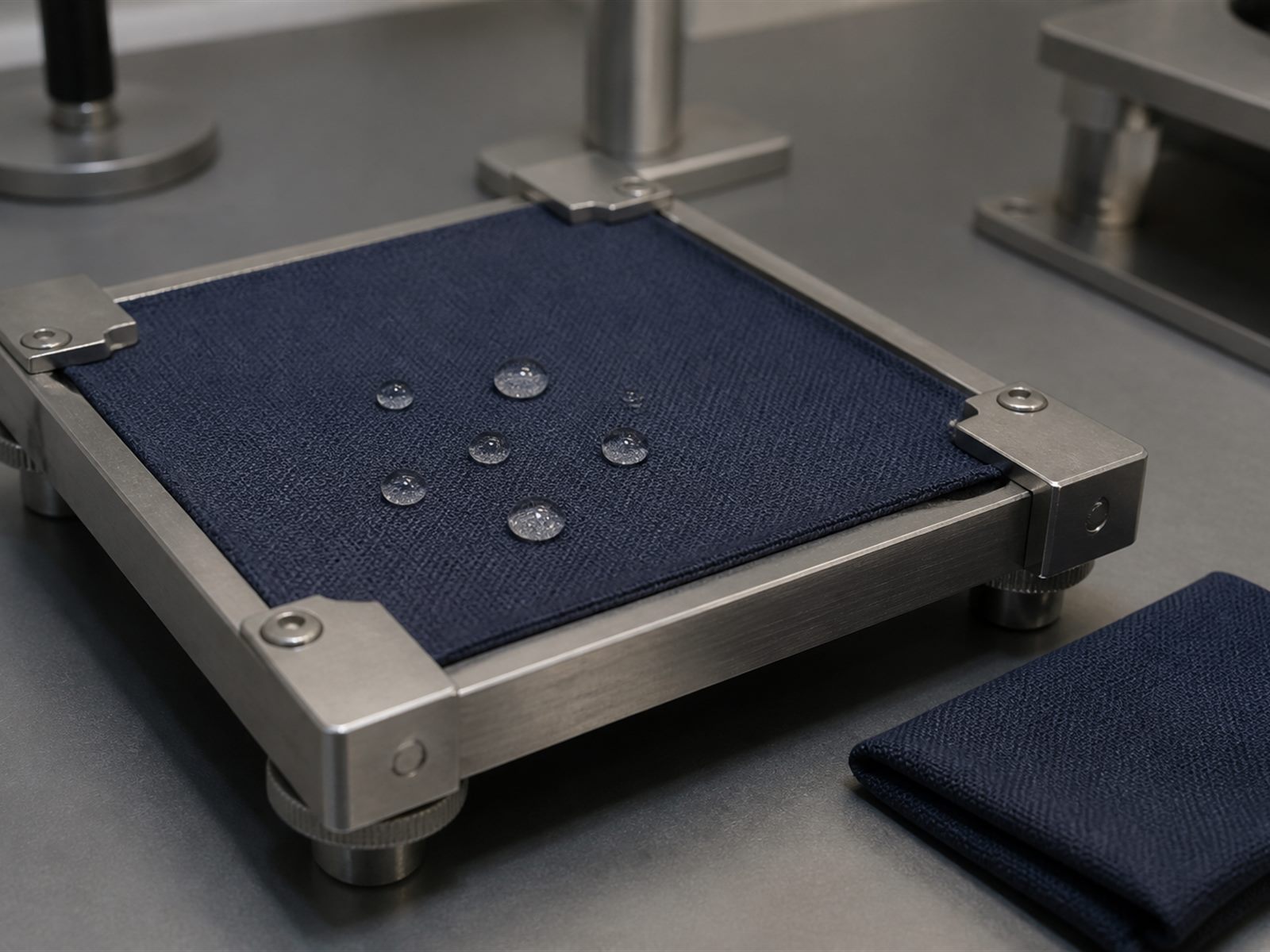
- Status
- Awaiting test data
- Materials compared
- 4
Gallery
Test bench
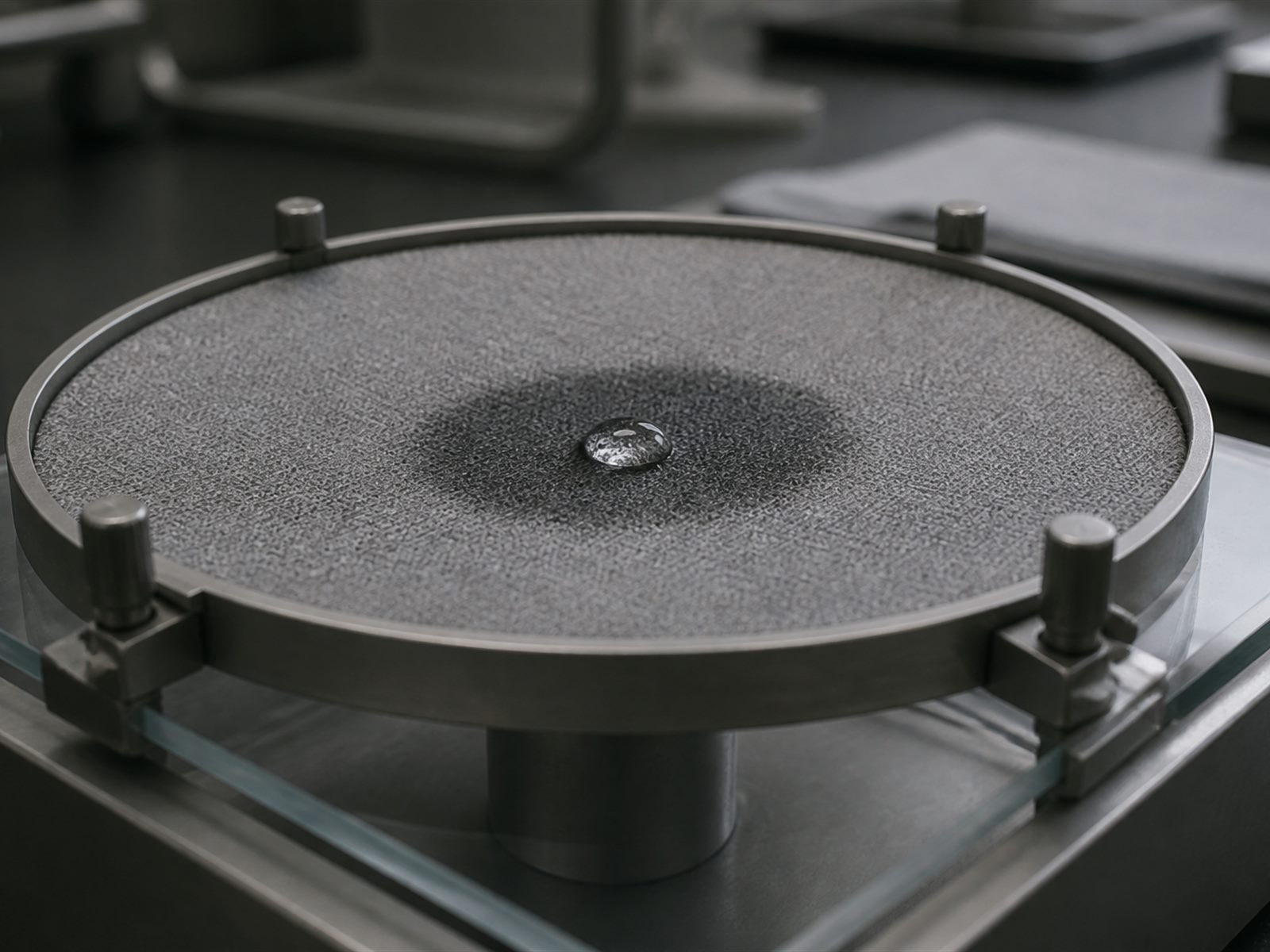
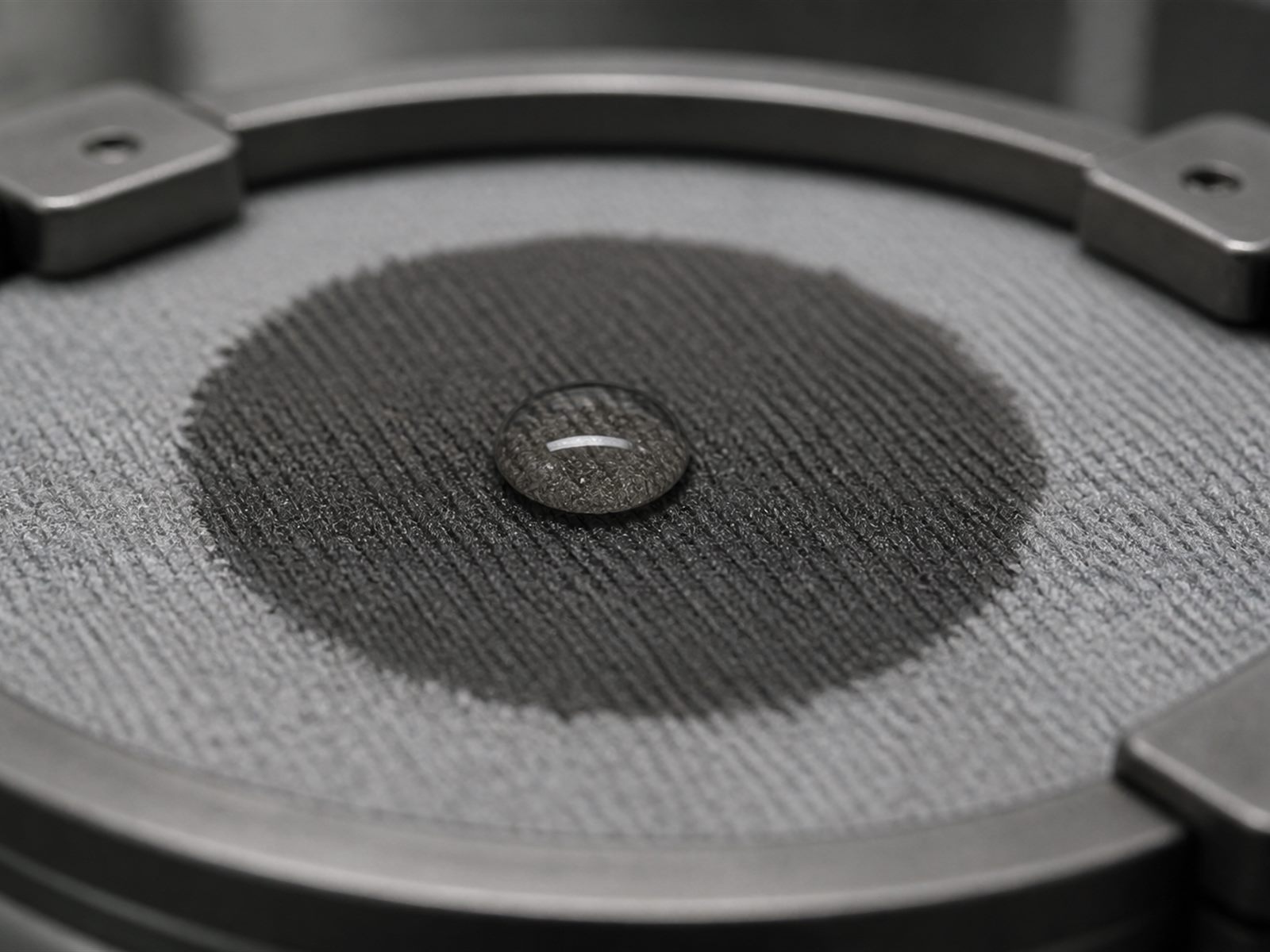
Status: AWAITING TEST DATA — Moisture Management Test has not yet been run on real material. Method, observations and result will be published once the test has been completed and the output recorded.
Question
What are we testing?
Whether the moisture moving fabrics we quote differ in how fast liquid is transported away from the inner surface, how widely it spreads, and how fast the specimen loses that moisture afterwards. Test method: to be confirmed with the laboratory, and one method has to be applied to every specimen. Conditions required for a comparison to mean anything: the fabric composition and weight per unit area; the fabric lot, since two lots of the same fabric can differ; the specimen size, orientation and number of specimens; whether the specimen is tested face up or face down and which side is the contact surface; the type, volume and starting condition of the test fluid; the ambient conditions and humidity in the laboratory; the elapsed time intervals at which readings are taken; and the equipment and calibration status. Where any of these differ, the result describes the test setup rather than the fabric.
Relevance
Why does it matter?
Almost every cold weather system that disappoints in use disappoints for the same reason: moisture cannot leave the body, so the insulation stops doing the job it was chosen to do. This is a specification the buyer pays for twice, once in the base layer fabric and again in the cost of every layer above it. It is also the specification most often decided on a supplier's adjective rather than a measurement, because unlike a tear or a seam, moisture behaviour is invisible in an incoming inspection. A comparison made under one recorded method gives a buyer a defensible reason to choose one base layer fabric over another, and a reason to reject a substitution that carries the same name but not the same behaviour.
Materials
Materials in this test
Material
Moisture Wicking Fabric
Moisture wicking fabric moves liquid sweat away from the skin and spreads it across the outer surface of the cloth, where it can evaporate.
Material
Quick Dry Fabric
Quick dry fabric is engineered so that moisture leaves the garment rather than soaking into it.
Material
Mechanical Stretch Fabric
Mechanical stretch fabric obtains its extension from yarn and weave geometry rather than from elastic fibre.
Material
Cold Weather Insulation Material
Cold weather insulation material keeps a wearer warm by holding still air in a structure, not by generating heat.
Method & result
Method, observations and result
Moisture Management Test is published only when the underlying work has been carried out, so an empty field means the test has not yet produced that value.
Testing method
Awaiting test data — to be published when the test is complete.
Observations
Awaiting test data — to be published when the test is complete.
Result
Awaiting test data — to be published when the test is complete.
Limitations
What this test cannot tell you
Limitations: a fabric measurement does not reproduce a layered system. In a garment, moisture has to travel through a base layer, a mid layer, insulation and a shell, and the outcome depends on the fit of each layer, the ventilation the construction provides, the temperature gradient across the stack and how much the wearer is producing. A controlled fabric test cannot represent the moment that matters most in cold weather, which is when the wearer stops moving after exertion and the moisture already inside the system has nowhere to go. Nor does it capture the effect of repeated laundering, of softeners, or of soil and sunscreen on the fabric surface, all of which change how a fabric behaves over its service life. Third-party laboratory position: whether this test is run in our own facility or commissioned from an independent laboratory has not been decided. Where a buyer needs an independent result, the test has to be commissioned from an accredited laboratory, and the report has to identify the method, the specimen, the conditioning and the issuing laboratory.
Related
Related content
Related Products
Related Materials
Related Applications
Related Capabilities
Related Articles
Request a sample to evaluate yourself
Send the product type and the application. We will propose the material options for that application and state the trade-offs, so the comparison you run is against the right candidates.