Field Lab
Wind Resistance Test
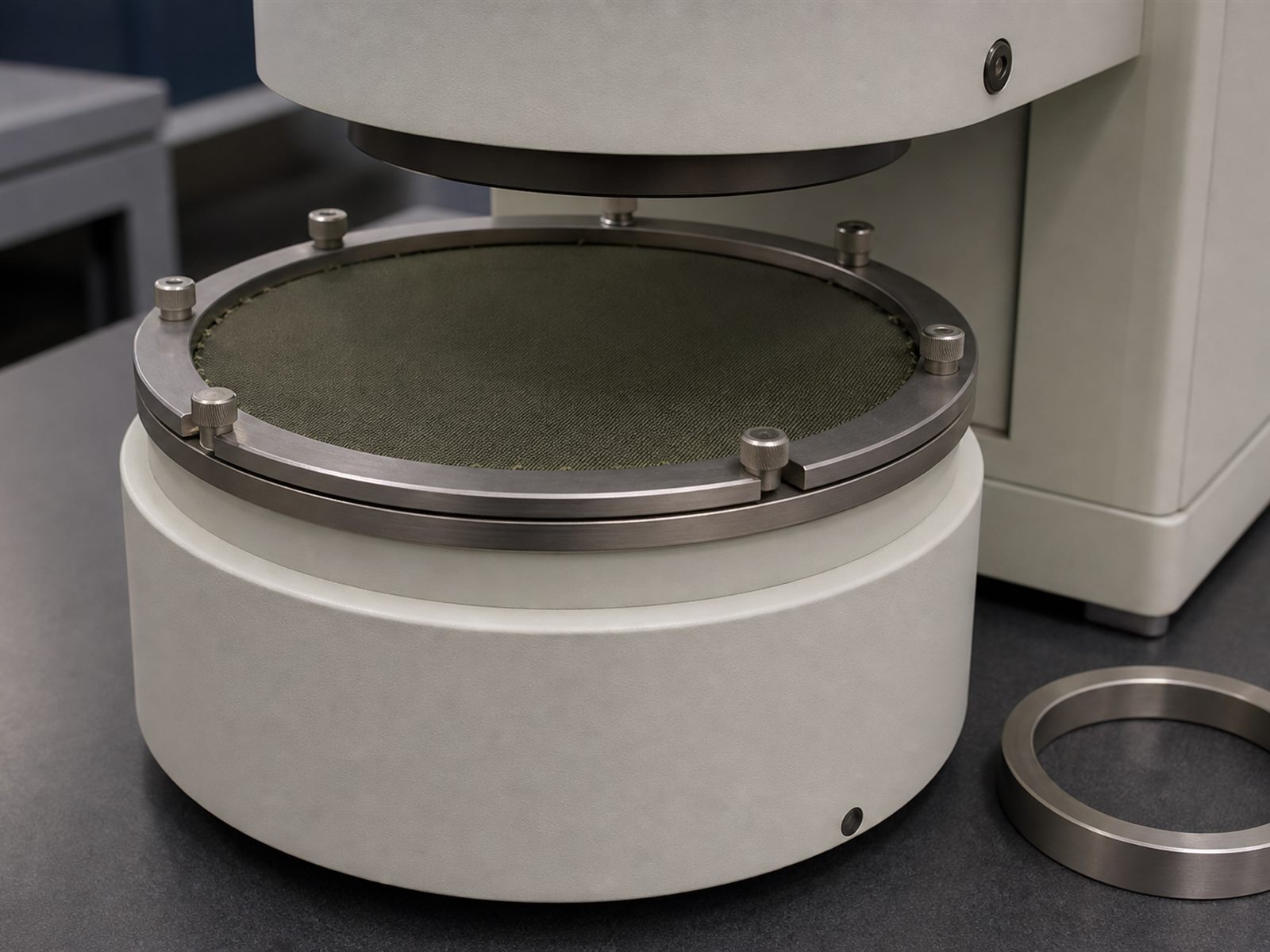
This Field Lab page is the test position for wind resistance in shell fabrics. The question is how much air passes through the shell fabrics we quote, how that changes between a softshell, a wind resistant woven and a waterproof laminate, and whether the difference is large enough to matter once a garment is assembled with its closures and openings. Wind is the fastest route to losing the warmth the layers beneath have built up, and it is also the property most often claimed without a measurement. No test has been completed, so method, observations and result are awaiting test data, and the test method still has to be confirmed with the laboratory. Thermal imaging cannot be treated as formal certification of insulation performance; it can show where heat is leaving, but it is not a measurement of air permeability and it is not evidence that a garment is warm.
- Status
- Awaiting test data
- Materials compared
- 4
Gallery
Test bench
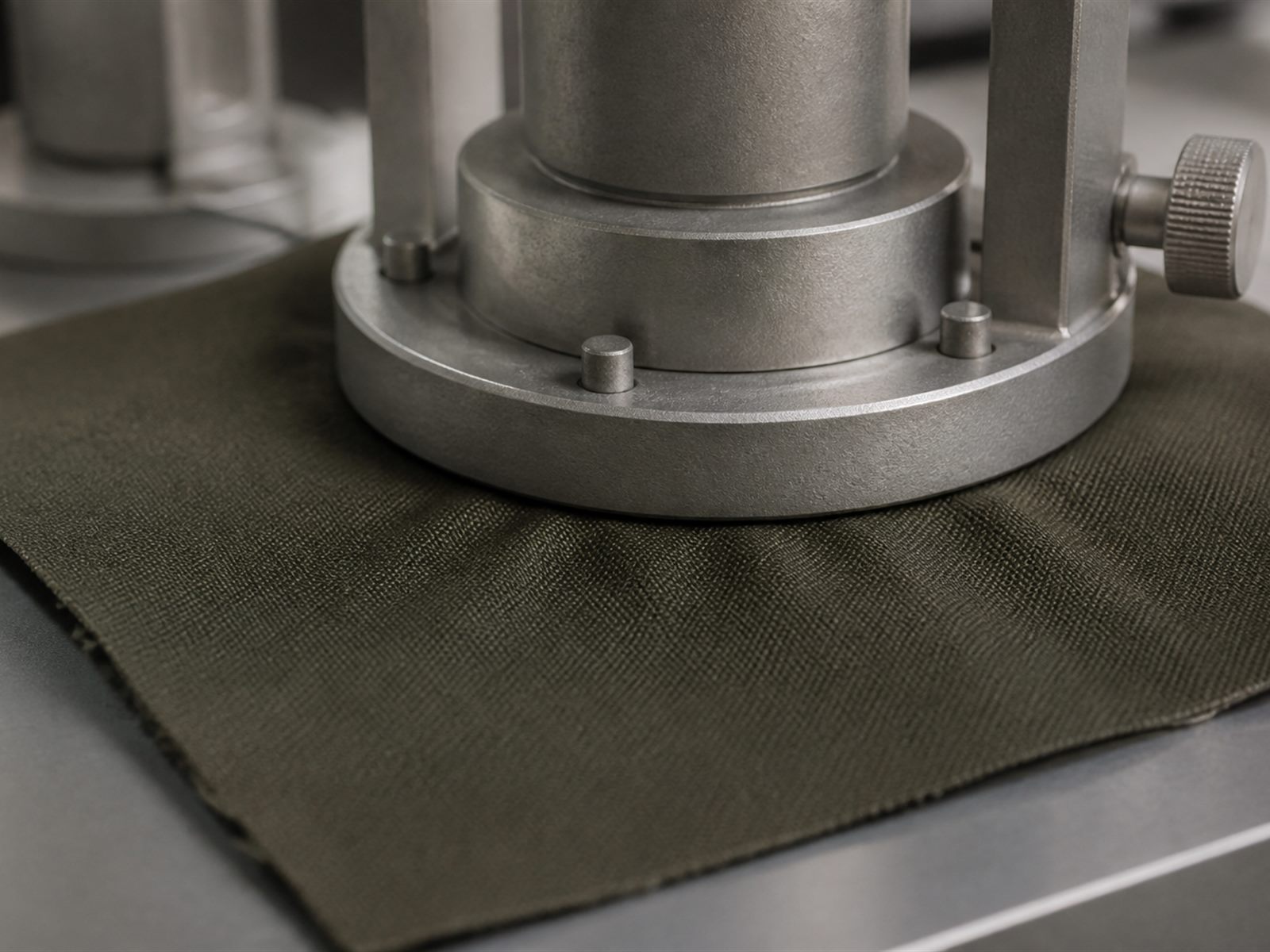
Status: AWAITING TEST DATA — Wind Resistance Test has not yet been run on real material. Method, observations and result will be published once the test has been completed and the output recorded.
Question
What are we testing?
Whether the shell fabrics we quote differ in how much air passes through them under one measurement, and how large that difference is between a softshell, a wind resistant woven and a waterproof laminate. Test method: to be confirmed with the laboratory, and applied identically to every specimen. Conditions required for a comparison to mean anything: the fabric construction, composition and weight; the number of specimens and where they are taken from the roll; whether the fabric is tested before or after laundering or finishing; the differential pressure the measurement is taken at, since a reading at one pressure cannot be compared with a reading at another; the area of the tested surface and how the specimen is clamped so that no edge leakage occurs; the ambient conditions; and the instrument model and calibration status. This test measures the fabric. It does not measure the openings, and in a real garment those are usually where the wind gets in.
Relevance
Why does it matter?
A buyer is often offered two shells described in the same words, one of which blocks wind and one of which does not, at prices that look comparable. Air permeability is the number that separates them, and it is separate from water resistance: a shell can be water resistant and still let enough air through to make the layers beneath feel ineffective, while a shell that blocks air completely can hold moisture in and leave the wearer wet from the inside. Getting this balance wrong is one of the most common reasons a cold weather system is rejected after the first season of use, and the failure is hard to argue about afterwards without a measurement taken on the actual fabrics quoted.
Materials
Materials in this test
Material
Wind Resistant Fabric
Wind resistant fabric reduces the air movement that strips warmth away from the body.
Material
Softshell Fabric
Softshell is a fabric system rather than a single cloth.
Material
Water Resistant Fabric
Water resistant fabric sheds light rain and keeps a garment usable in changeable conditions, but it is not waterproof.
Material
Waterproof Fabric
Waterproof fabric prevents liquid water from passing through under pressure, and it only works as a system: the fabric carries a membrane or coating, and every seam and closure has to be sealed as well.
Method & result
Method, observations and result
Wind Resistance Test is published only when the underlying work has been carried out, so an empty field means the test has not yet produced that value.
Testing method
Awaiting test data — to be published when the test is complete.
Observations
Awaiting test data — to be published when the test is complete.
Result
Awaiting test data — to be published when the test is complete.
Limitations
What this test cannot tell you
Limitations: a fabric level measurement does not describe a garment. Wind enters a jacket through the front closure, the cuffs, the hem and the collar interface far more than through the cloth, so a shell built from an excellent fabric can still perform badly if the openings and storm flaps are specified poorly, and this test cannot see that. The test also says nothing about what happens when the fabric is wet, stretched over a shoulder, folded under a strap, or worn under load, all of which change how it behaves in use. It does not measure the breathability side of the trade-off, which has to be assessed separately, and it does not measure warmth. Third-party laboratory position: whether this test is run in our own facility or commissioned from an independent laboratory has not been decided. A result that a third party will accept has to be produced by an accredited independent laboratory on the production fabric, with the report naming the method, the pressure used and the specimen.
Related
Related content
Related Materials
Related Applications
Related Capabilities
Related Categories
Request a sample to evaluate yourself
Send the product type and the application. We will propose the material options for that application and state the trade-offs, so the comparison you run is against the right candidates.